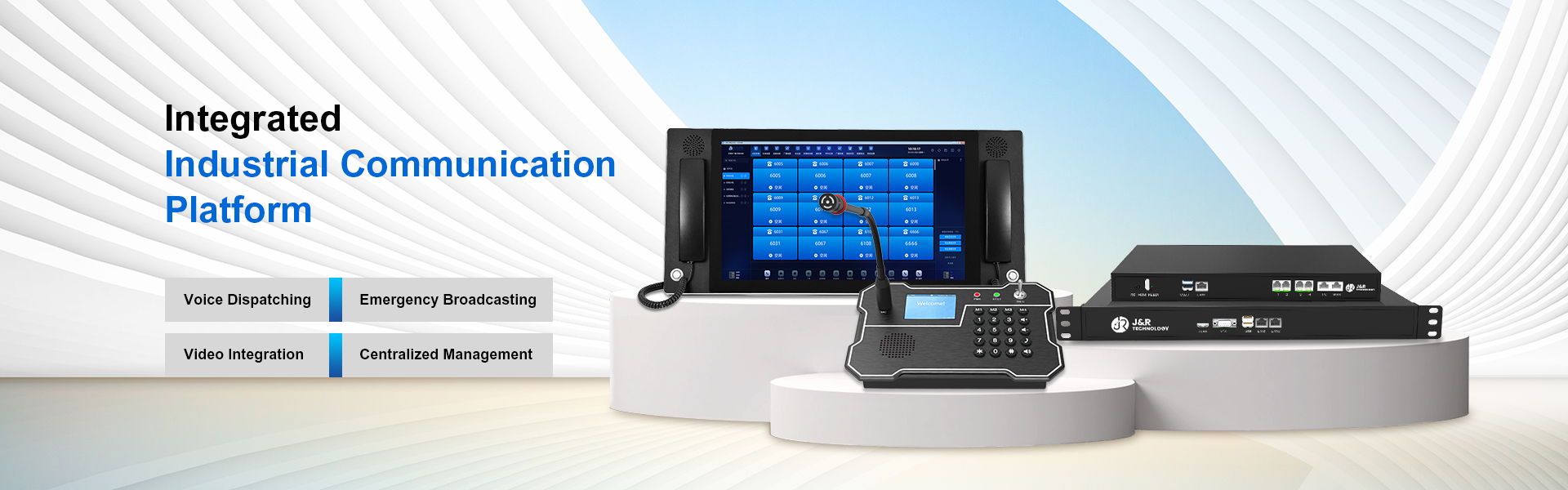
Learn how public address and secure communication systems support emergency response in modern safe city planning. As urban centers grow smarter, maintaining safety and order becomes increasingly dependent on reliable communication networks. Public address (PA) and emergency communication systems are now at the heart of safe city public security, providing instant alerts, real-time coordination, and clear public guidance during emergencies. These systems broadcast evacuation instructions, deliver multi-language alerts, and connect citizens directly to authorities through intercoms or panic buttons. Integrated with surveillance cameras, fire alarms, and IoT sensors, they form a responsive ecosystem that strengthens emergency management. By combining technology, connectivity, and resilience, PA and secure communication solutions ensure urban spaces remain protected, organized, and ready for any situation—whether it’s a fire, flood, or large-scale event.
What Role Does Public Communication Play in Urban Public Security?
Public communication is the backbone of safe city public security. It ensures that, in times of crisis, the right message reaches the right people at the right time. A city equipped with an intelligent public address and emergency communication system can instantly guide residents during fires, severe weather, or security threats.
These systems do more than issue warnings—they maintain public trust and coordination. From managing traffic disruptions to sharing safety instructions during evacuations, they prevent chaos and improve citizen response. Through zoned broadcasting, authorities can send targeted alerts to specific districts, minimizing panic and maintaining order.
By integrating PA systems with other smart city tools—such as surveillance cameras, fire detectors, and IoT-based sensors—municipalities can create a connected, responsive safety network that enhances real-time decision-making.
How Do Secure Communication Systems Work in Emergency Scenarios?
In emergencies, secure communication systems are designed to operate without delay or disruption. These systems link control centers, responders, and the public, ensuring seamless coordination.
Here’s how they work:
-
Detection: When an incident occurs, sensors or alarm systems automatically trigger the communication network.
-
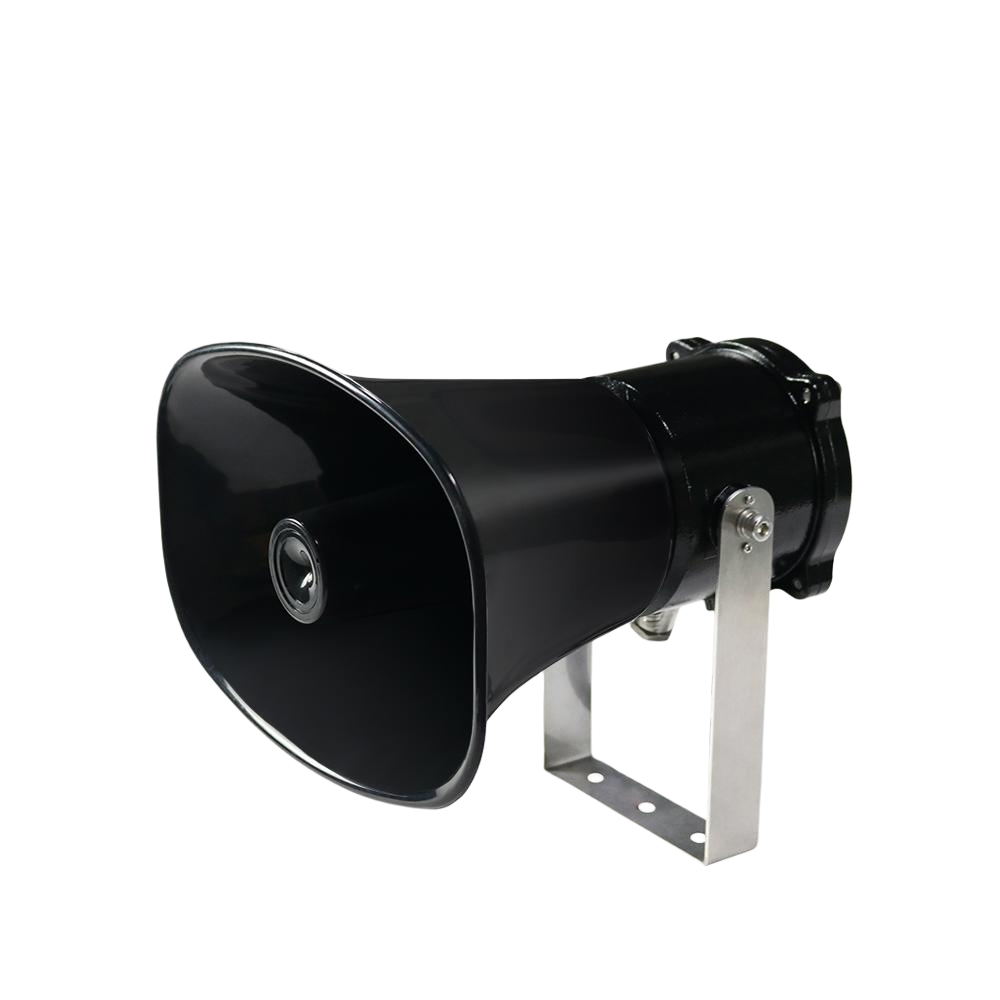
Alerting: The PA system broadcasts immediate instructions—such as evacuation routes or shelter locations—across loudspeakers in affected zones.
-
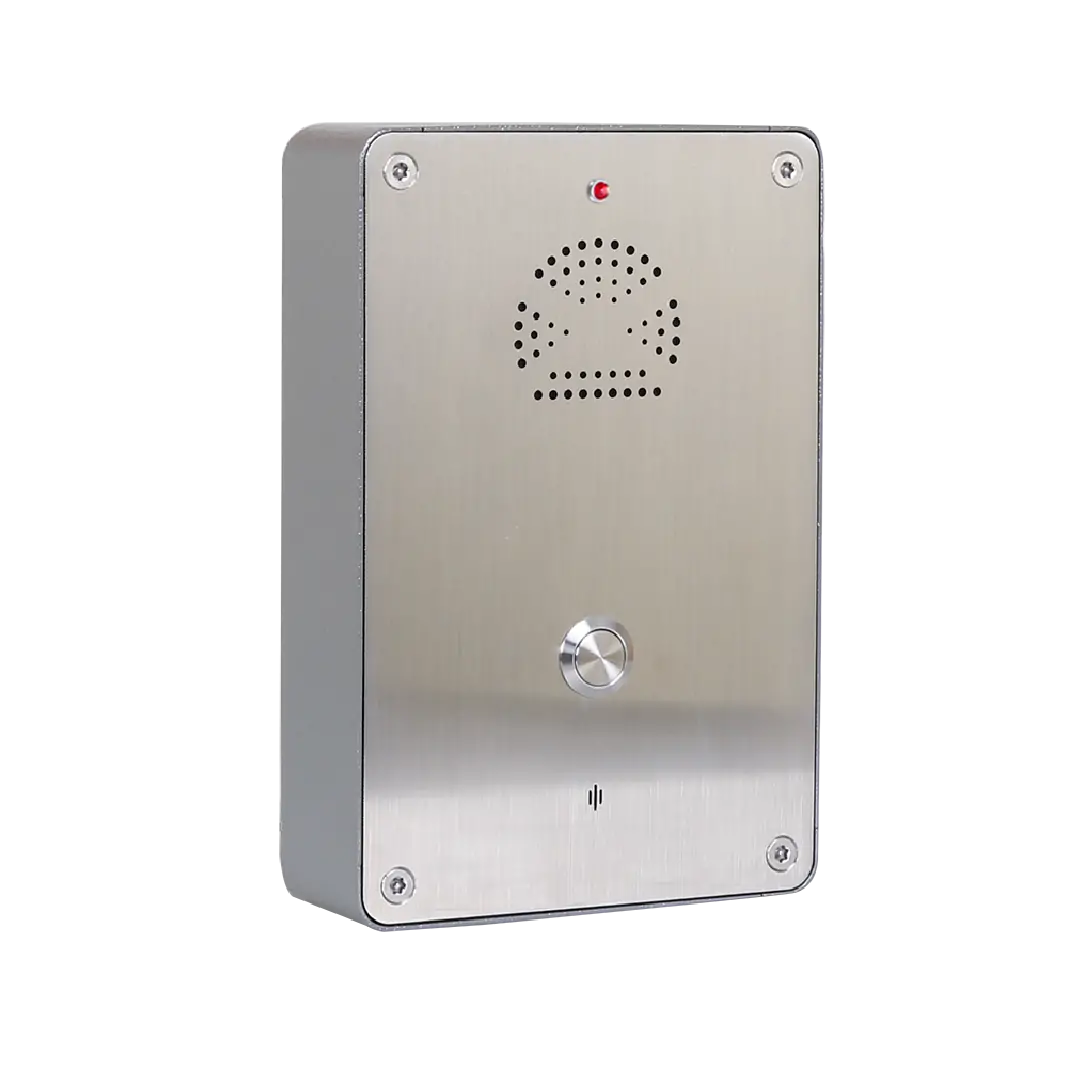
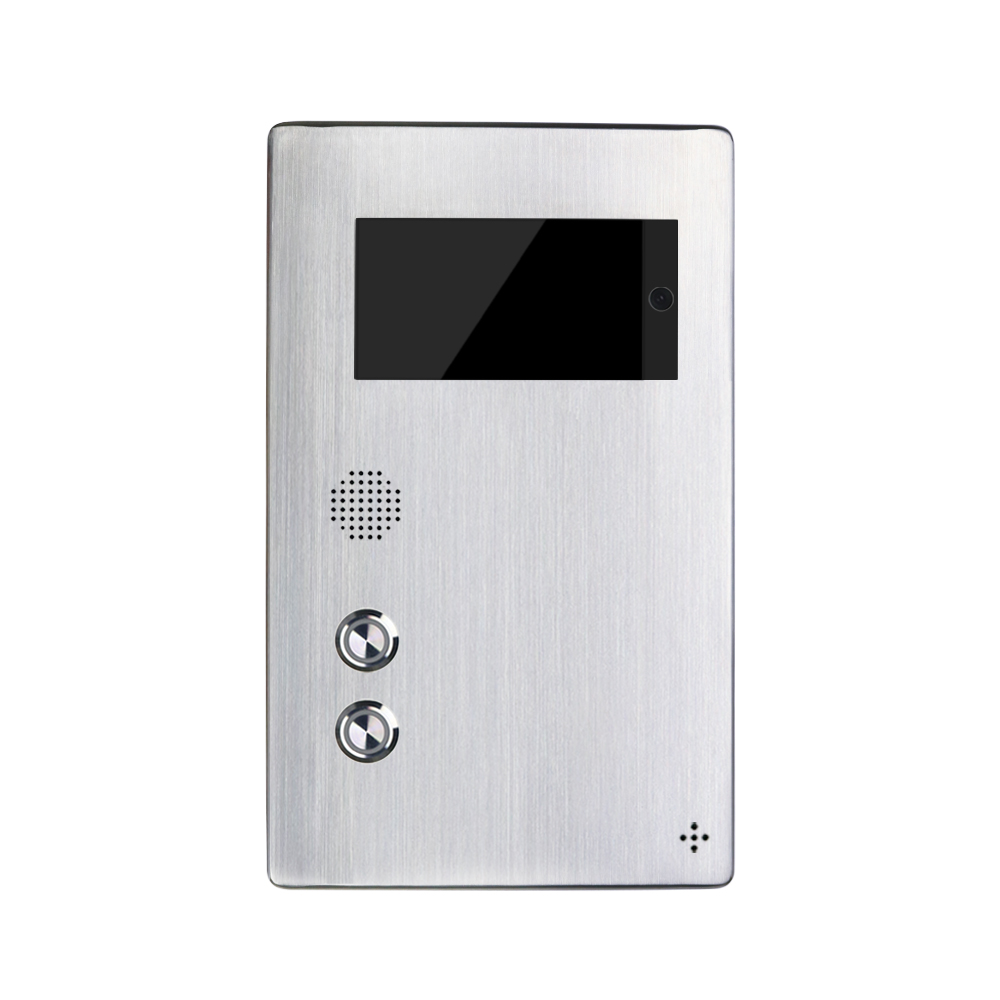
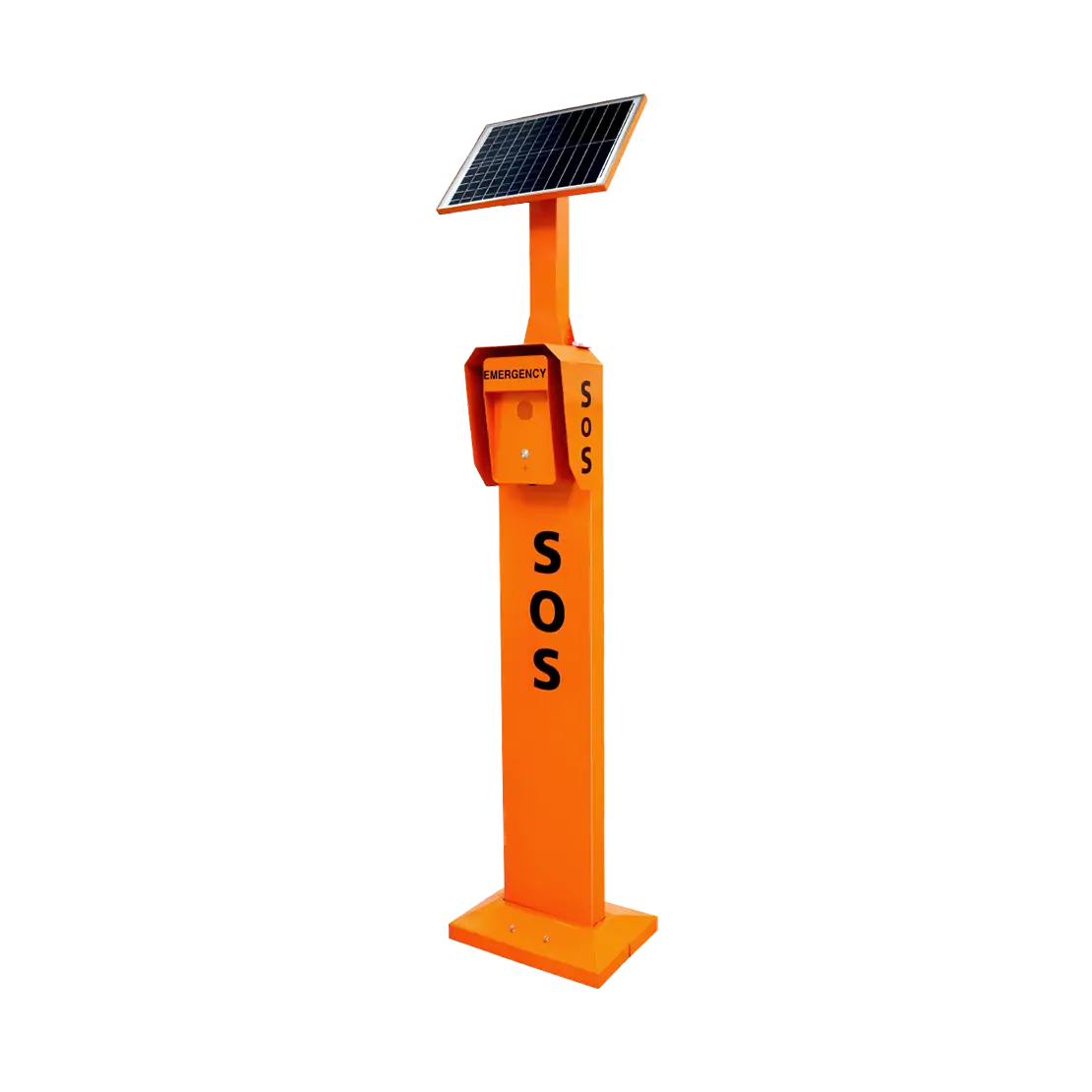
Two-Way Reporting: Citizens can use intercoms or emergency call points to contact local authorities or request help.
-
Coordination: The system enables instant communication between emergency responders, allowing them to share updates and allocate resources effectively.
For example, in a large urban area, an integrated wireless emergency call network can relay distress signals directly to command centers, ensuring faster, safer responses.
(Related article: [wireless emergency call])
Why Are Waterproof Telephones and Speakers Essential in Outdoor Installations?
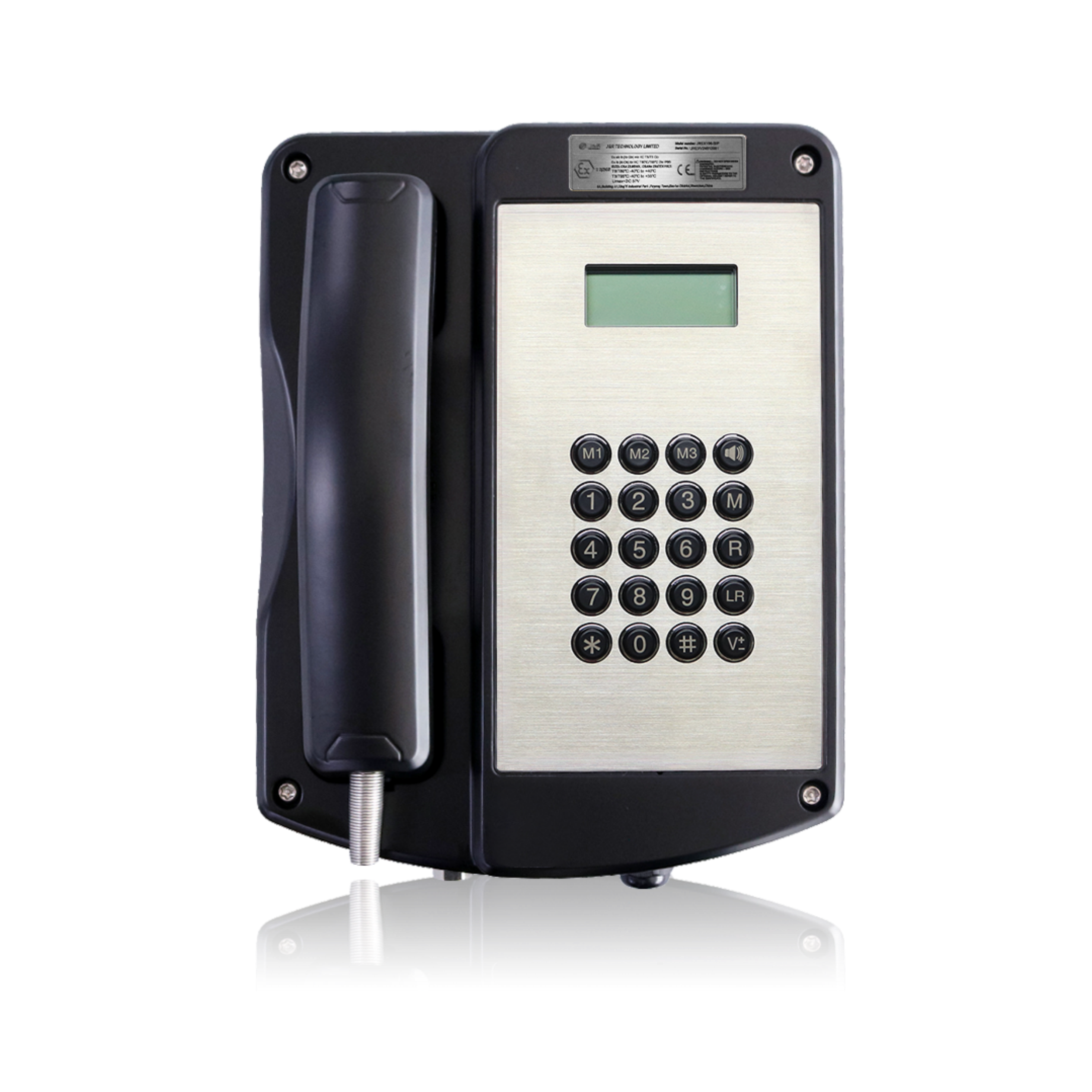
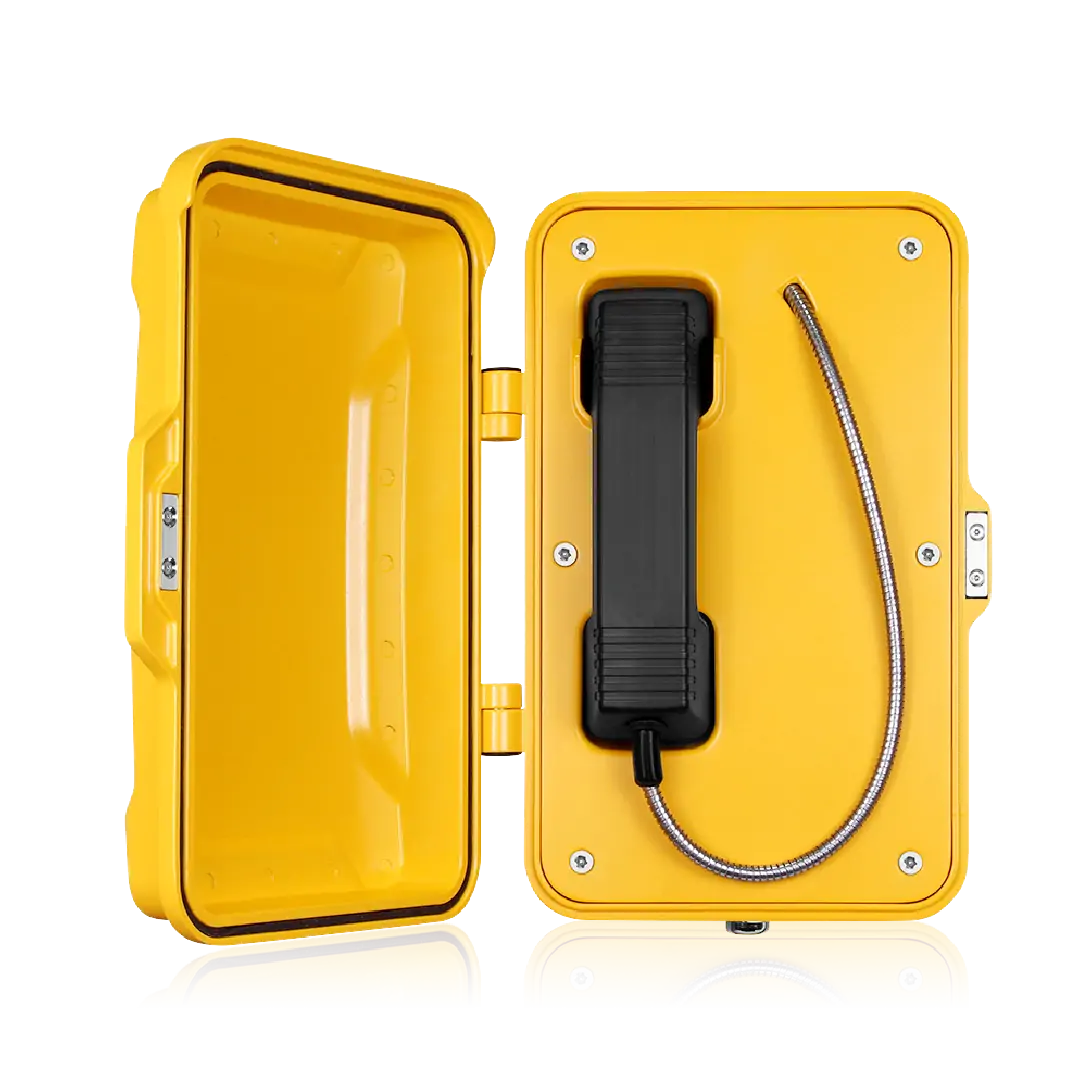
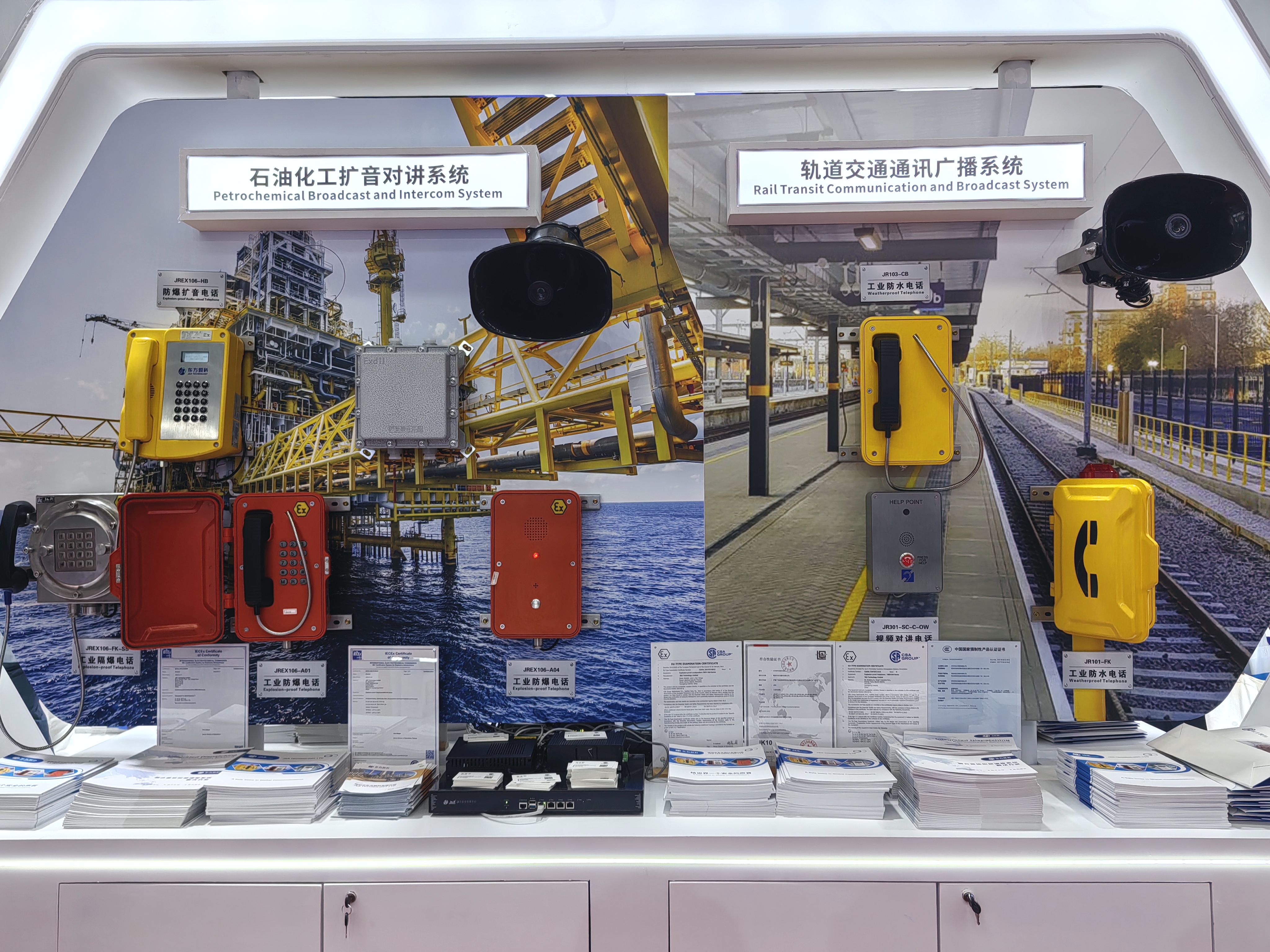
Urban environments expose devices to rain, dust, vibration, and temperature extremes. For this reason, waterproof and rugged equipment—such as IP67-rated telephones, loudspeakers, and intercoms—is critical in outdoor safe city infrastructure.
These devices ensure uninterrupted communication in:
-
Road tunnels and metro systems
-
Waterfront areas and ports
-
Industrial zones and construction sites
-
Public parks and open transport stations
Even under harsh weather or power interruptions, waterproof systems continue broadcasting instructions or receiving emergency calls. They maintain both clarity and reliability, crucial during life-saving operations.
For more details on durability standards, explore our related guide: [intercom vs pa system] or [ip67 ratings guide].

How Public Address Systems Integrate with Safe City Infrastructure
Modern public address systems go beyond simple loudspeakers—they're now smart, network-based communication platforms. Integrated with other safe city elements, they help authorities maintain visibility and control over multiple zones.
Integration Capabilities Include:
-
CCTV & AI Surveillance: PA systems can issue live or automated warnings based on camera detections, such as crowding or unauthorized access.
-
Fire & Alarm Systems: When fire sensors detect smoke, the PA network can automatically broadcast evacuation instructions.
-
Smart IoT Sensors: Temperature, gas, or vibration sensors can trigger alerts for potential risks in real time.
-
Traffic Management: Integrated systems can control announcements for road closures or diversions.
Such integration transforms public address systems into dynamic safety tools, ensuring cities can respond proactively instead of reactively.
What Standards Ensure Long-Term Reliability in Public Environments?
Reliability in public security communication depends on compliance with industry standards and resilient engineering. The following standards help maintain consistent performance:
-
Ingress Protection (IP) Ratings: Ensure resistance against dust and water intrusion.
-
EN 54 & IEC 60849: Specify requirements for voice alarm and evacuation systems in public buildings.
-
ATEX and IECEx Certifications: Required for explosion-proof devices in hazardous environments.
-
Power over Ethernet (PoE): Provides reliable power even during outages, minimizing downtime.
-
Redundant Network Design: Guarantees that communication remains active if one link fails.
By adhering to these global standards, city operators can build future-ready, secure communication infrastructures capable of handling emergencies for decades.
Final Thoughts
A truly safe city is built on communication—fast, reliable, and intelligent. Public address and emergency systems form the bridge between citizens and authorities, ensuring everyone receives vital information in time to act.
From weather alerts to evacuation commands, these systems transform how cities respond to crises—saving lives and strengthening public confidence. As more municipalities adopt smart, IP-based infrastructure, the combination of public address systems, waterproof telephones, and secure wireless communication will remain the foundation of sustainable urban safety.


 Prisons & Correctional Facilities
 Transportation & Underground Infrastructure
 Critical Industrial & Energy Facilities
 Marine & Offshore
 Manufacturing Plant & Public Facilities