Stop guessing—learn what SIP is and why it's revolutionizing industrial intercom and voice systems. SIP (Session Initiation Protocol) is the backbone of modern IP communication. It enables voice, video, and messaging sessions over the internet by managing how devices initiate, maintain, and terminate calls. Unlike traditional analog systems, SIP operates through flexible, scalable software protocols that support diverse hardware—from IP phones and intercoms to advanced control systems in mining or transportation networks. By separating signaling (SIP) from media streaming (RTP), it ensures high-quality communication with lower latency and reduced infrastructure costs. This powerful combination has made SIP essential for industries requiring reliable, secure, and scalable communication—especially in harsh environments where uptime and clarity are critical. Explore how SIP transforms industrial communication and why it's the future of connected voice networks.
What Is SIP
SIP, or Session Initiation Protocol, is a signaling protocol that manages multimedia communication sessions such as voice and video calls over IP networks. In simple terms, SIP acts as a digital traffic controller—it sets up, modifies, and ends communication sessions between devices.
Unlike analog systems that rely on physical circuits, SIP uses internet-based connections to deliver real-time communication. Each SIP-enabled device—whether an IP phone, intercom, or softphone app—has a unique SIP address, similar to an email address, allowing seamless communication across networks.
How SIP Works
A SIP session follows several key stages:
-
Registration – Each SIP endpoint (like an IP intercom or PBX) registers with a SIP server, letting it know where it can be reached.
-
Call Initiation – When a user makes a call, the SIP client sends an INVITE request containing information about the call type, participants, and media capabilities.
-
Session Negotiation – The receiving device responds, and both endpoints agree on how to exchange media using the Session Description Protocol (SDP).
-
Media Streaming – Once the call is accepted, real-time data (voice or video) is transferred using RTP (Real-time Transport Protocol).
-
Call Management & Termination – SIP can pause, transfer, or end sessions dynamically using commands like BYE or ACK.
By decoupling signaling (SIP) from media transport (RTP), modern systems achieve greater efficiency and flexibility in managing calls.
SIP vs. Other Protocols
Compared to traditional telephony protocols like H.323 or analog PSTN systems, SIP offers greater compatibility, scalability, and cost efficiency.
-
Analog Systems: Depend on dedicated copper wiring and manual configuration, making scaling expensive.
-
H.323 Protocol: Designed for video conferencing but is complex to deploy and less flexible.
-
SIP Protocol: Open-standard, lightweight, and compatible across devices and platforms—ideal for VoIP, video, and messaging integration.
For a deeper comparison between SIP-based VoIP and traditional analog communication, check out our related article: [voip vs analog comparison].
Use in Industrial Intercoms
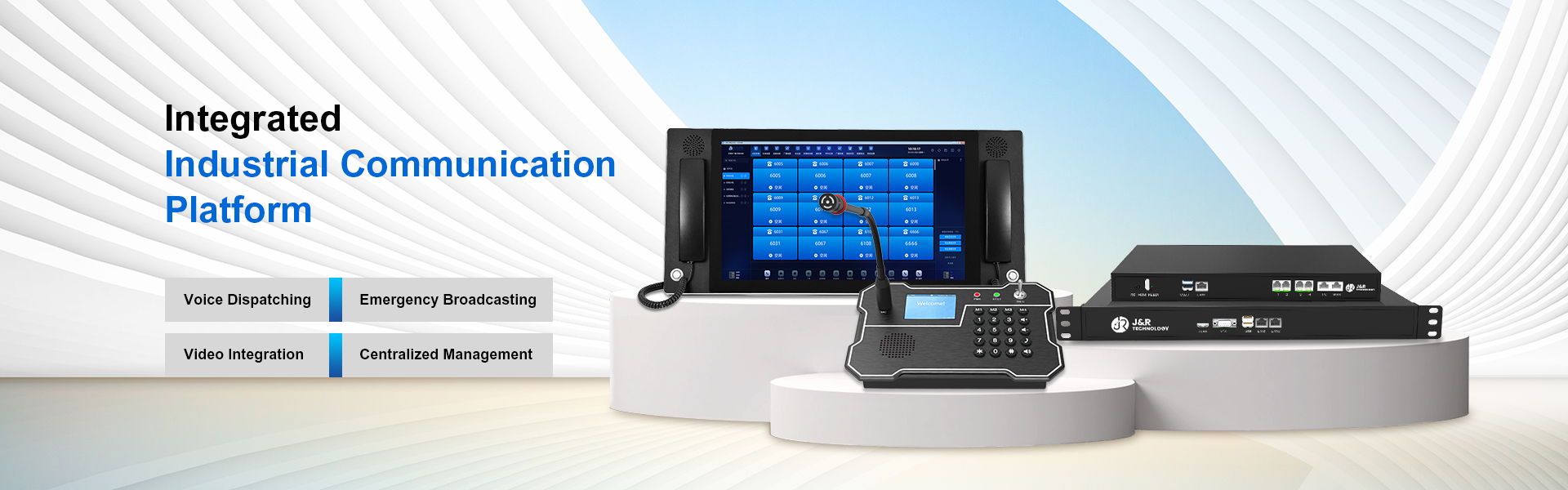
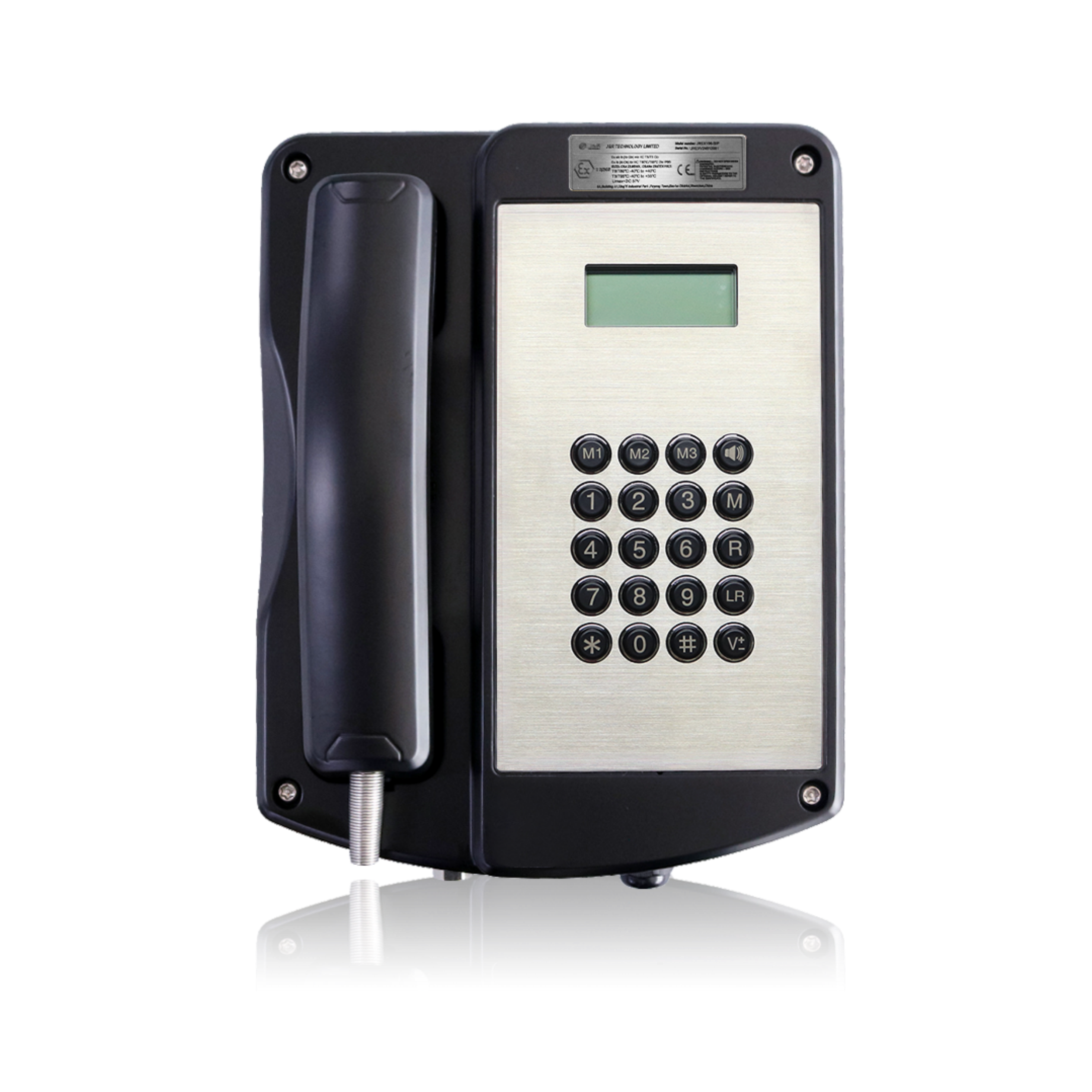
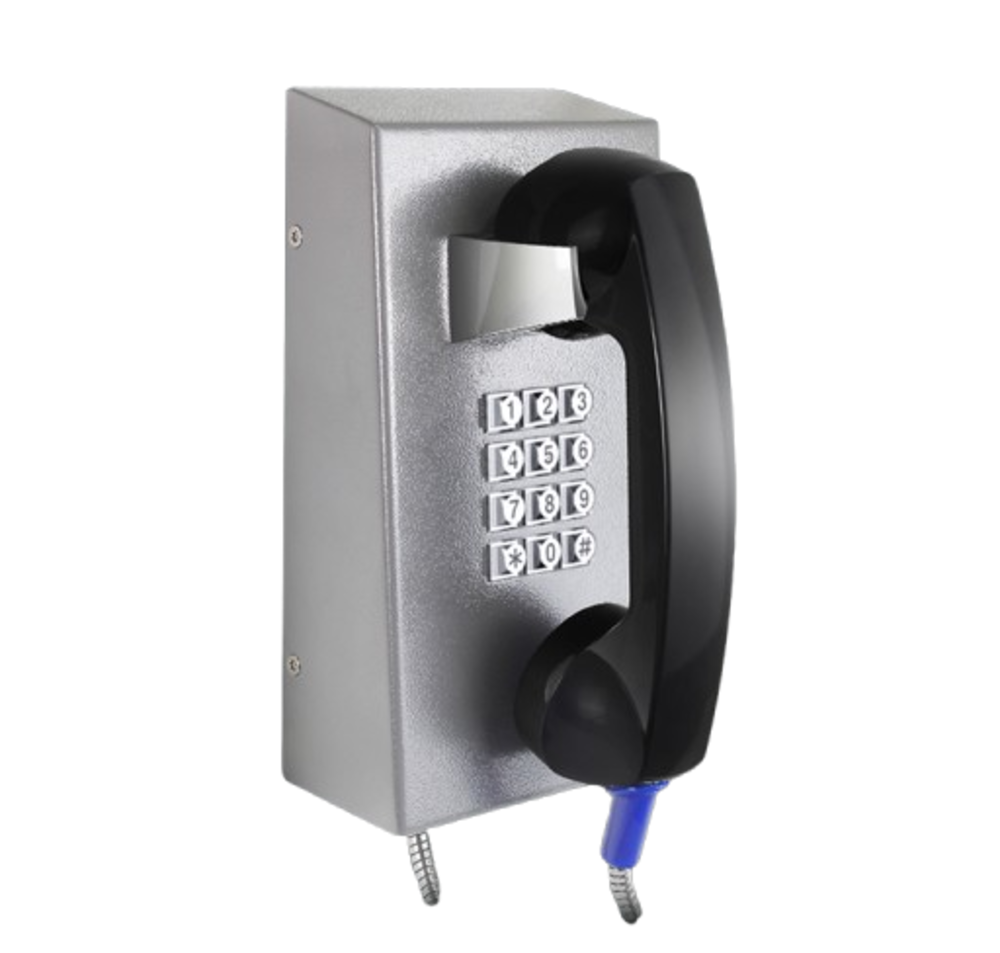
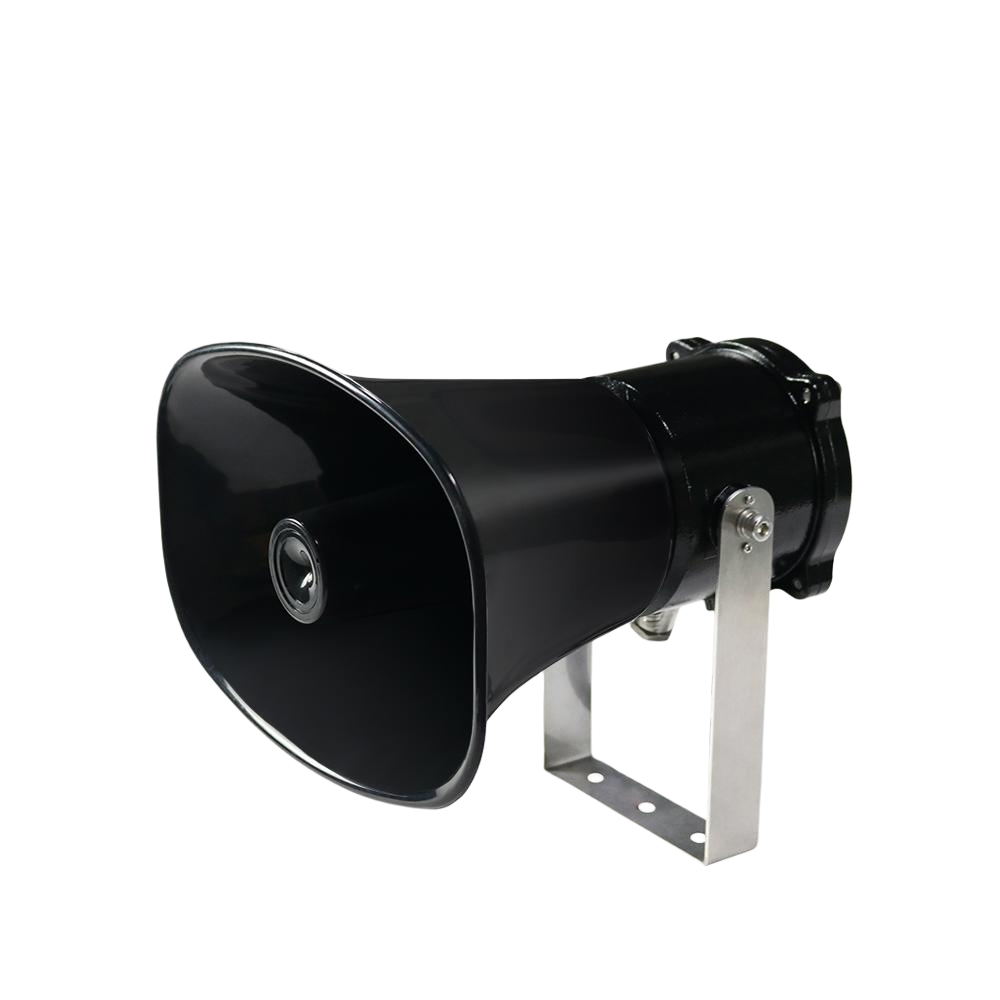
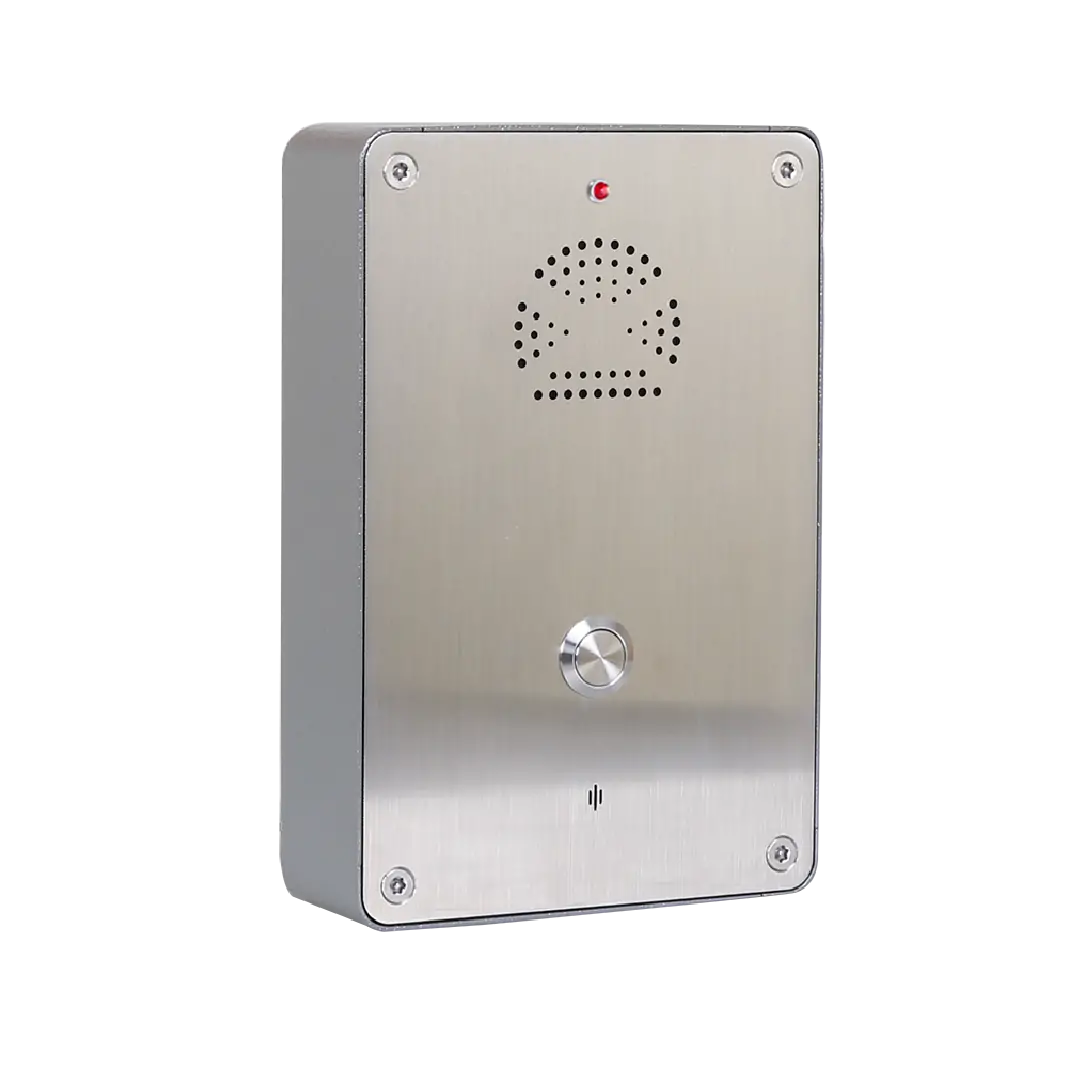
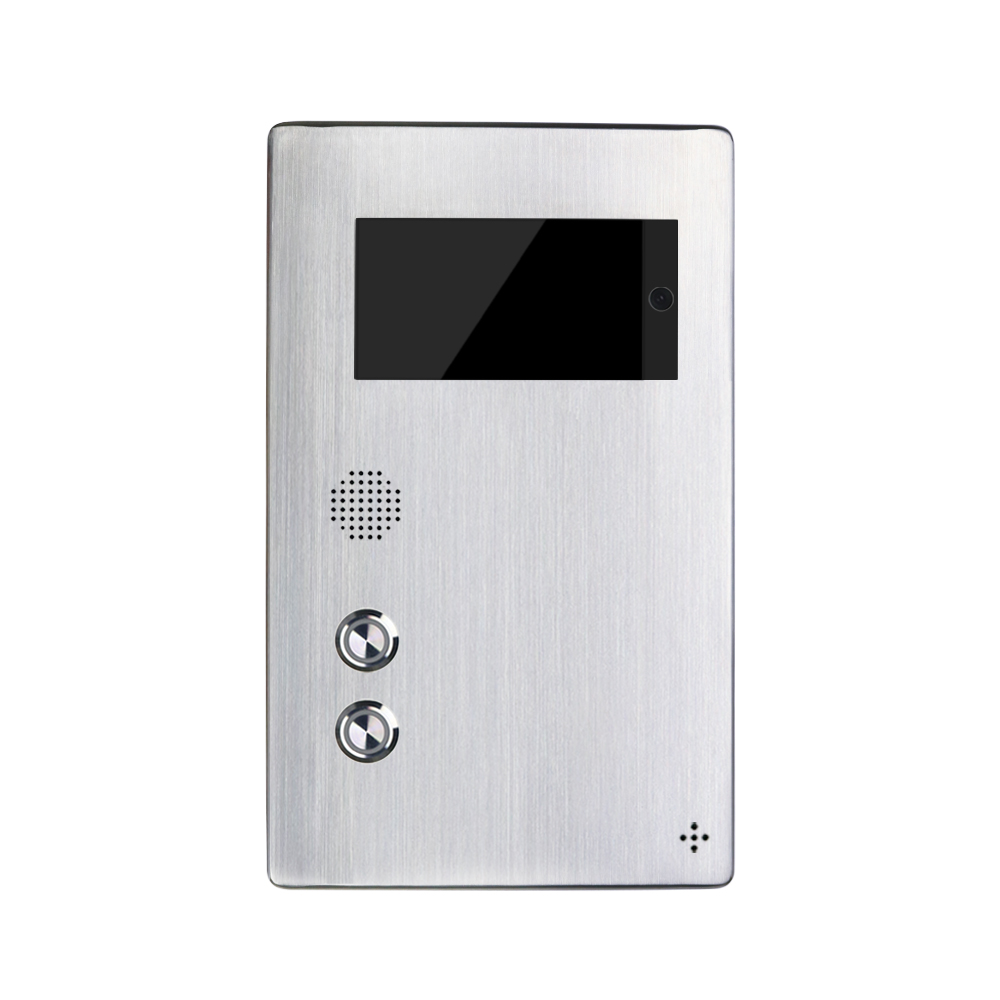
In industrial environments—such as oil refineries, railways, tunnels, and mining sites—reliable communication is critical. SIP technology enables IP-based intercom systems that can integrate with PA systems, CCTV, and emergency communication networks.
For example, a SIP-enabled intercom can:
-
Connect directly to a central PBX or control room over Ethernet or fiber.
-
Transmit real-time voice data with minimal delay.
-
Scale easily as sites expand, without rewiring or additional analog lines.
-
Integrate with existing mining network systems for seamless coordination in hazardous zones.
SIP’s interoperability also means devices from different manufacturers can communicate, ensuring system flexibility and long-term sustainability.
Security & Scalability
Modern SIP systems incorporate advanced encryption protocols like TLS (Transport Layer Security) and SRTP (Secure Real-Time Transport Protocol) to safeguard communication. This is especially important in industrial sectors where sensitive operational data may be transmitted.
SIP also supports dynamic scalability—organizations can add or remove endpoints effortlessly, making it a cost-effective solution for both small facilities and large industrial complexes. Cloud-based SIP servers and IP-PBX systems allow remote management, backup, and redundancy, ensuring communication resilience even during network failures.
Final Thoughts
From global enterprises to rugged industrial installations, SIP has become the foundation of modern voice communication. Its flexibility, scalability, and compatibility make it indispensable for companies seeking reliable and efficient connectivity solutions.
Whether you’re upgrading from analog systems or designing a new IP-based communication network, understanding what SIP protocol is and how it powers real-time voice systems will help you build a smarter, more connected future.


 Prisons & Correctional Facilities
 Transportation & Underground Infrastructure
 Critical Industrial & Energy Facilities
 Marine & Offshore
 Manufacturing Plant & Public Facilities