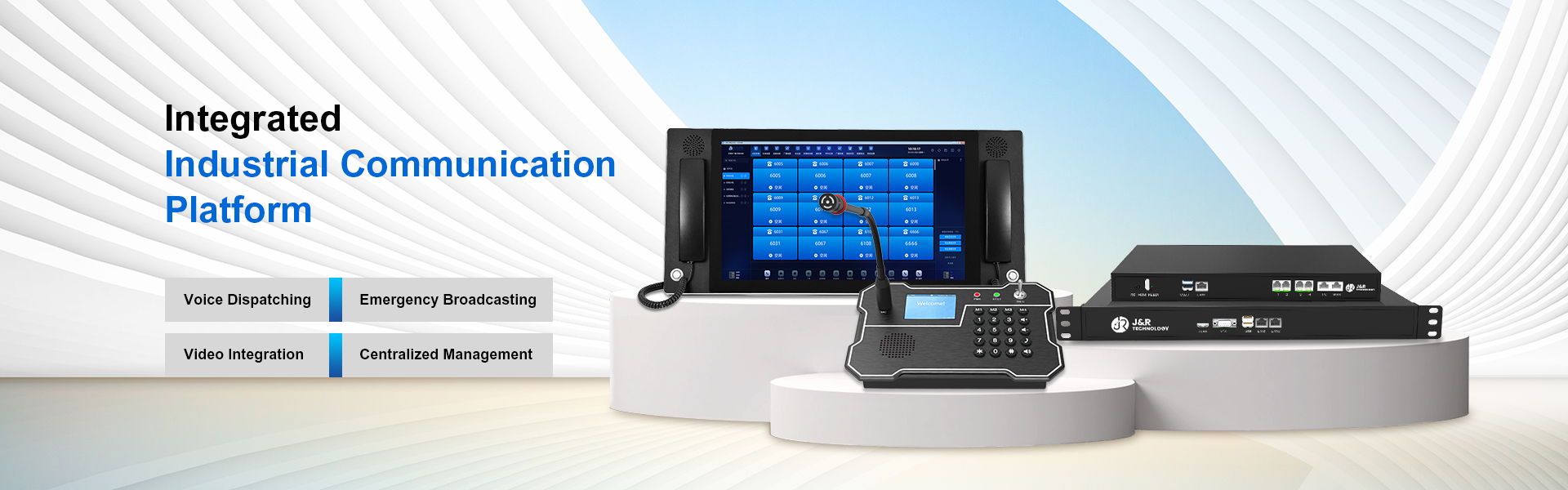
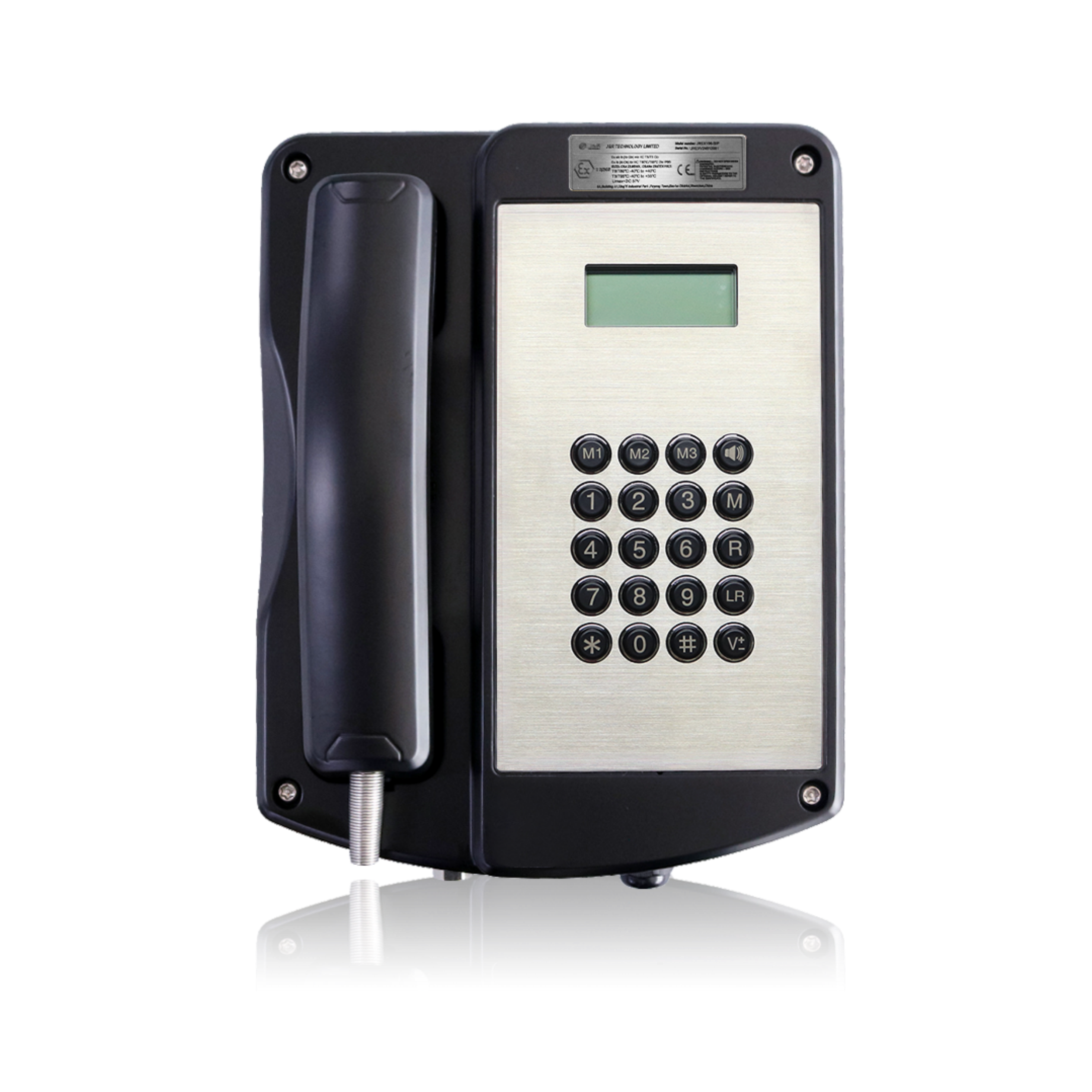
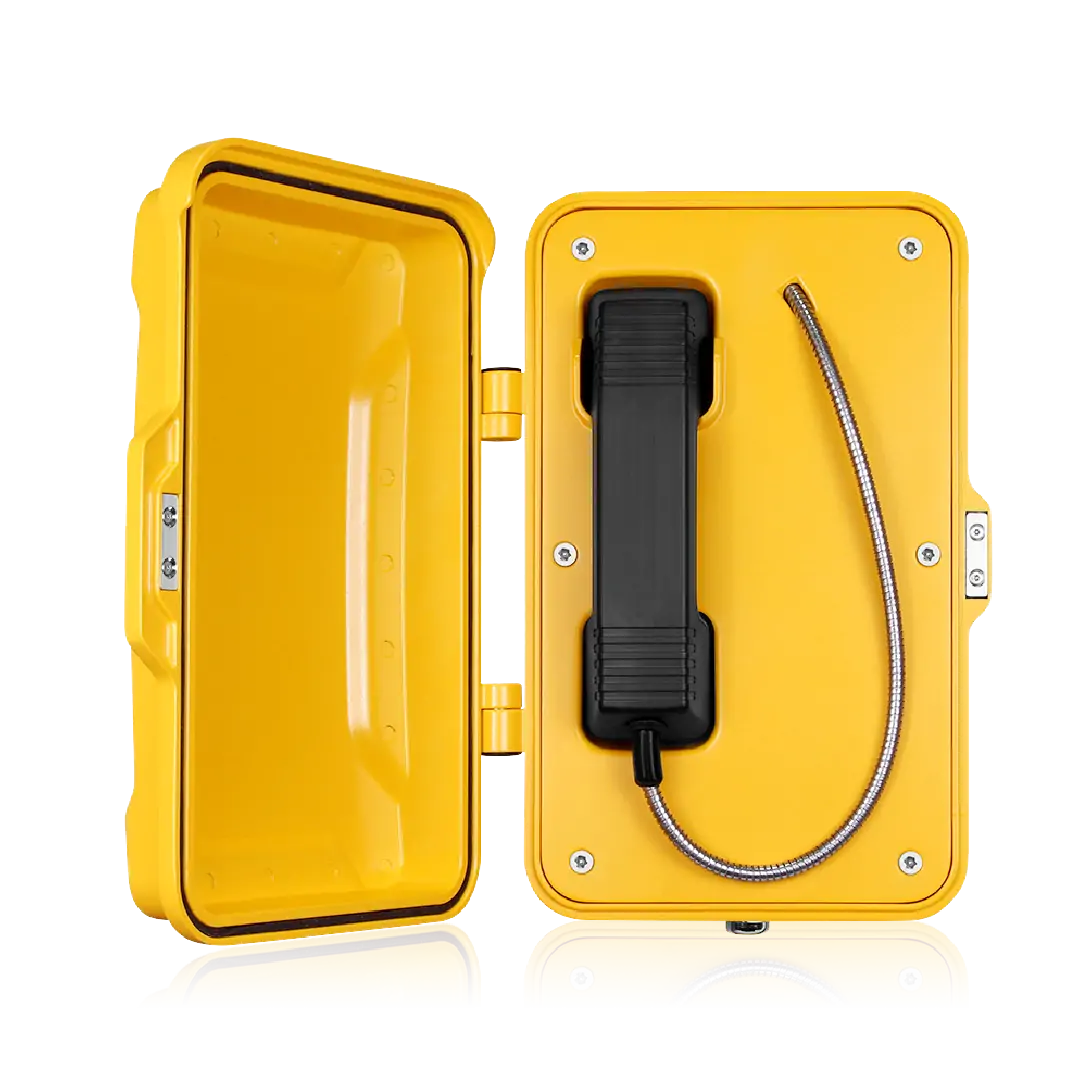
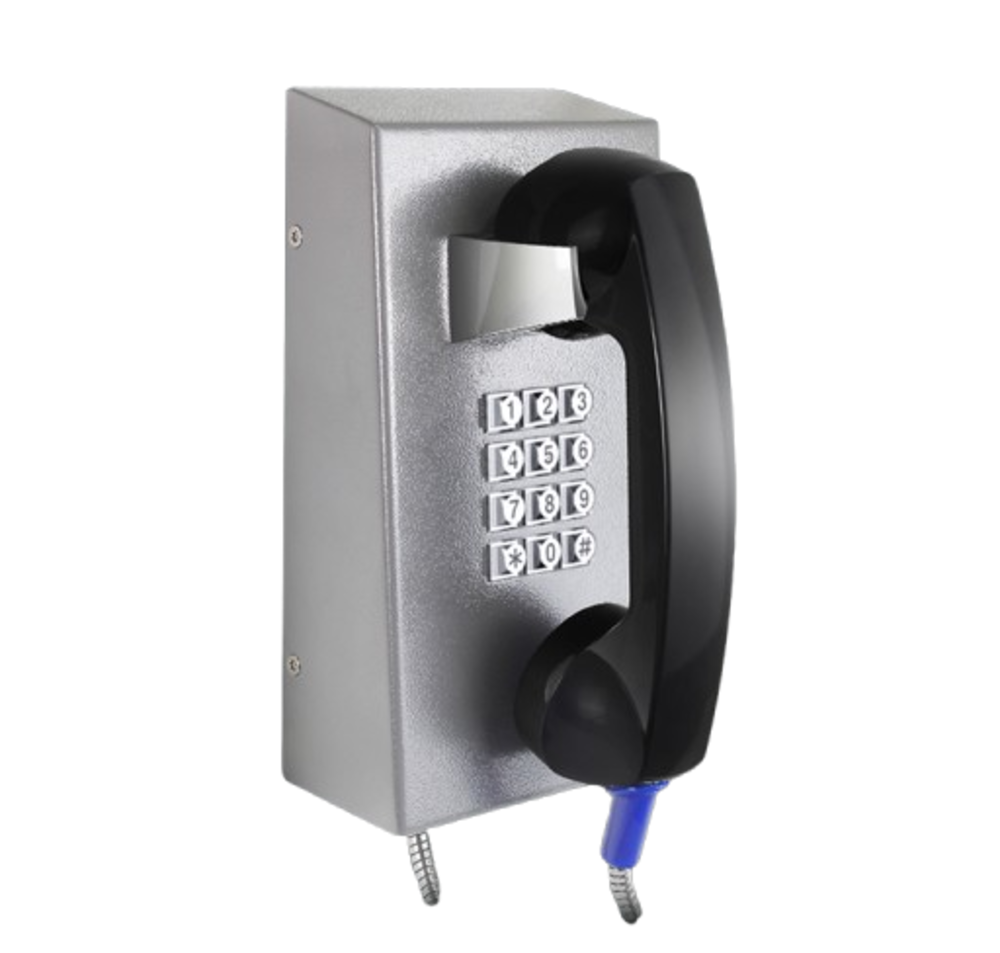
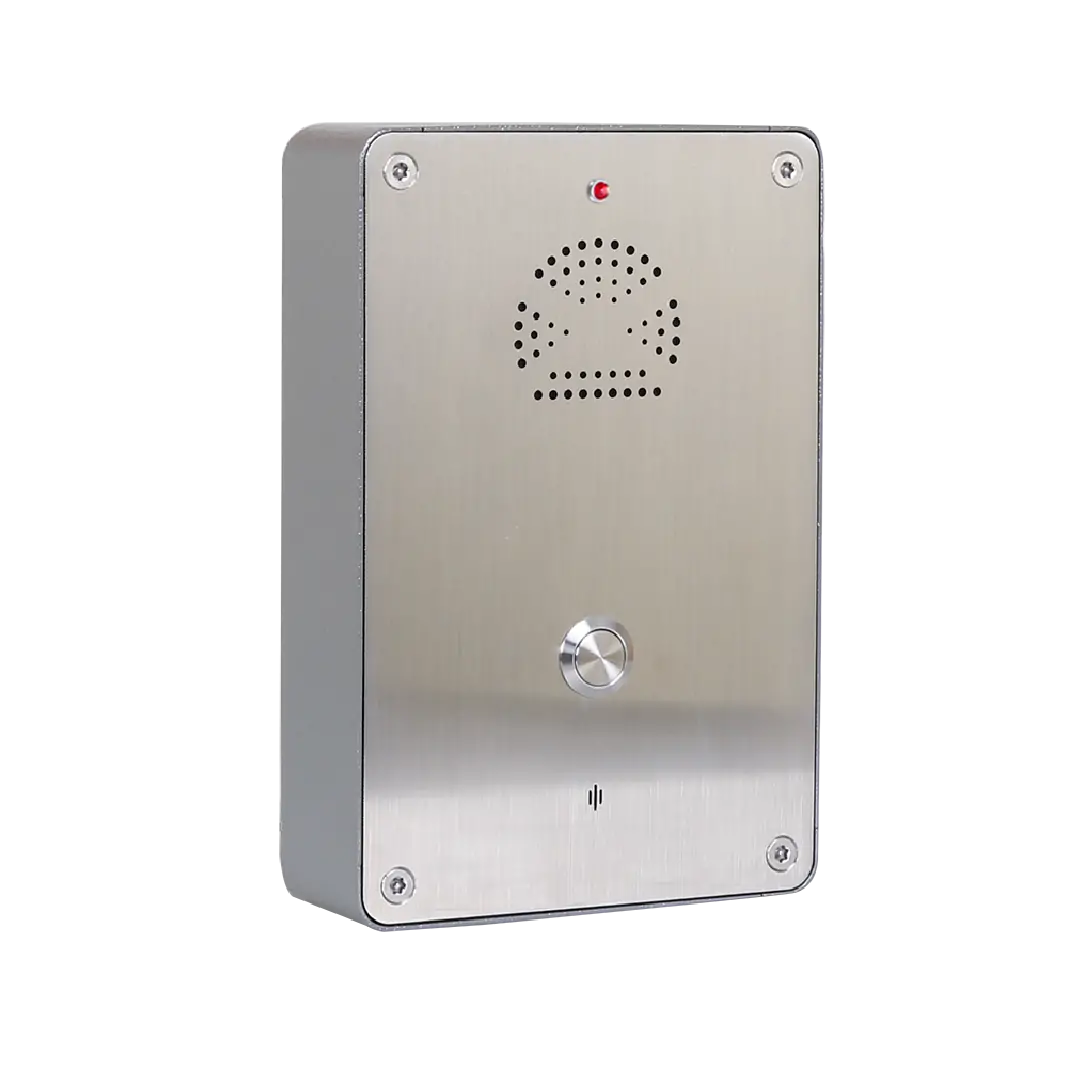
Phones that won’t quit—explore how J&R industrial telephones are engineered to survive and perform in the world’s harshest mining zones. Built with explosion-proof technology, intrinsically safe circuits, and heavy-duty materials, these telephones are designed to withstand dust, moisture, vibration, and extreme temperature changes. Certified under ATEX and IECEx standards, each unit ensures operational safety in high-risk areas where flammable gases or coal dust may be present. Equipped with noise-canceling microphones, robust cords, and corrosion-resistant housings, J&R industrial telephones guarantee clear and uninterrupted communication, even in loud and dusty environments. From underground tunnels to open-pit mines, these rugged phones help protect workers and enhance coordination during critical operations. Learn how these specialized devices combine safety, durability, and reliability to meet the exacting demands of modern mining industries.
Communication Demands in Mining
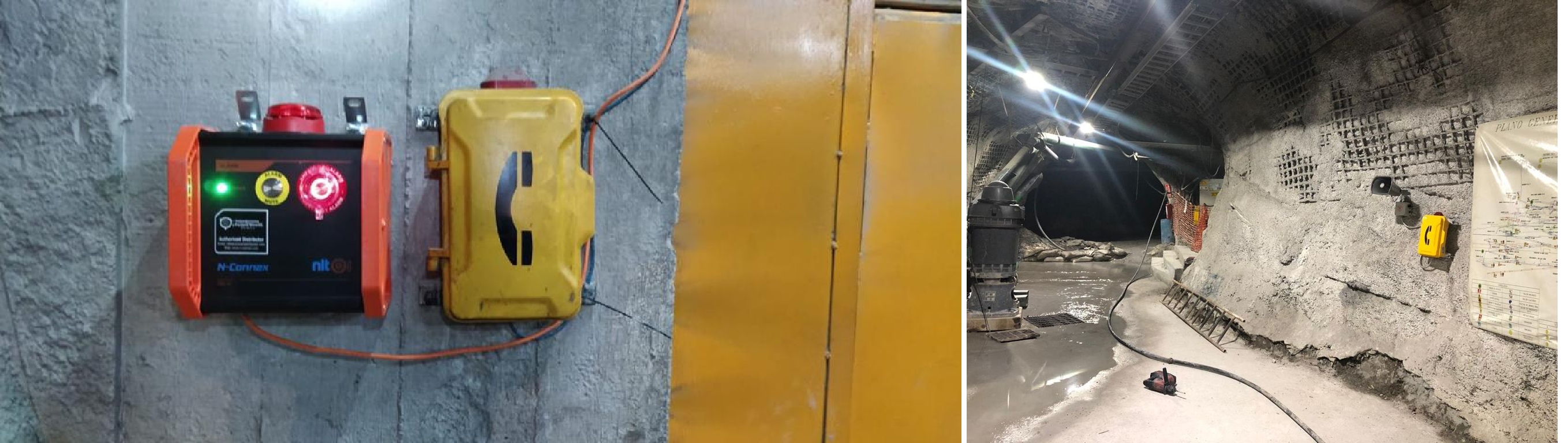
Mines are among the most challenging environments for any communication system. Deep underground, signal transmission is difficult, ambient noise is overwhelming, and humidity levels fluctuate constantly. Yet, reliable communication is vital — not just for coordination but for survival.
That’s where J&R industrial telephones come into play. Built specifically for mining and other hazardous industrial environments, they ensure that workers stay connected under any condition. Unlike conventional phones, mining-proof devices are designed for continuous performance where failure could mean downtime, danger, or disaster.
Whether used in underground tunnels, open-pit operations, or control centers, these rugged systems are an essential part of maintaining safety and efficiency. (For specialized clean environments, explore our guide on [clean room intercom].)
Rugged Phone Standards
A truly mining-proof phone must meet stringent durability and safety benchmarks. J&R industrial telephones are tested for:
-
Shock and Vibration Resistance: Built with reinforced casings and industrial ABS or aluminum alloy housings that absorb heavy impacts.
-
Sealed Construction: Designed with IP65 to IP67 ratings to block out dust, water, and mining debris.
-
Extreme Temperature Endurance: Reliable performance from -40°C to +70°C, ensuring continuous operation in both freezing and high-heat conditions.
-
Explosion-Proof Compliance: Certified under ATEX, IECEx, or equivalent standards to ensure intrinsic safety.
Every component—from handset cord to internal circuitry—is made to resist mechanical stress and prevent failure even during power fluctuations or mechanical vibrations.
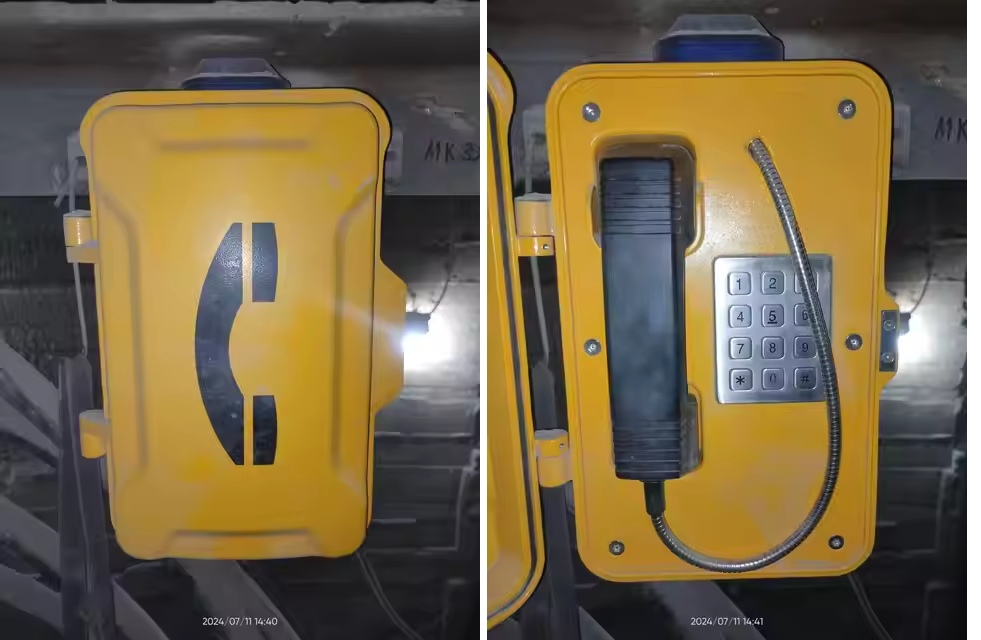
Safety Features Required
Safety is paramount in mining, where volatile gases and dust can turn small sparks into catastrophic explosions. Mining telephones must therefore include multiple layers of protection:
-
Intrinsically Safe Design: Limits electrical and thermal energy output to prevent ignition in hazardous atmospheres.
-
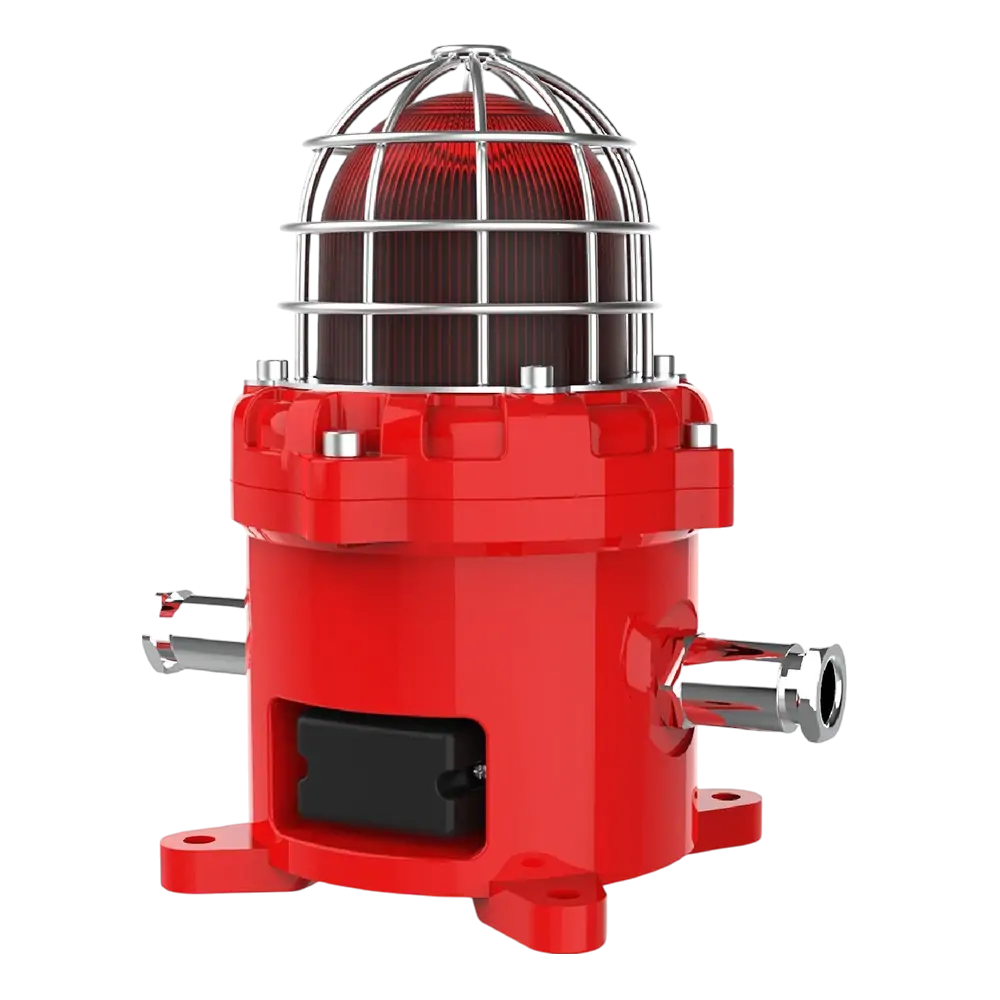
Explosion-Proof Enclosure: Sealed housings prevent sparks from escaping and igniting external gases.
-
Noise-Canceling Microphone and Loud Receiver: Ensure clarity during high-noise drilling or blasting operations.
-
Corrosion-Resistant Components: Prevent degradation from long-term exposure to moisture and chemicals.
-
Heavy-Duty Cords and Keypads: Engineered to endure thousands of operations under rough handling.
These features make J&R industrial telephones dependable for both daily communication and emergency use, helping teams respond quickly and safely.
Case Studies of Field Use
In multiple mining operations worldwide, J&R’s rugged telephones have proven their resilience.
-
Underground Coal Mines: Intrinsically safe models have been deployed in methane-prone shafts, maintaining stable communication even in damp, confined areas.
-
Copper and Iron Ore Mines: Explosion-proof handsets have replaced aging analog systems, integrating seamlessly with VoIP or fiber networks for modern digital connectivity.
-
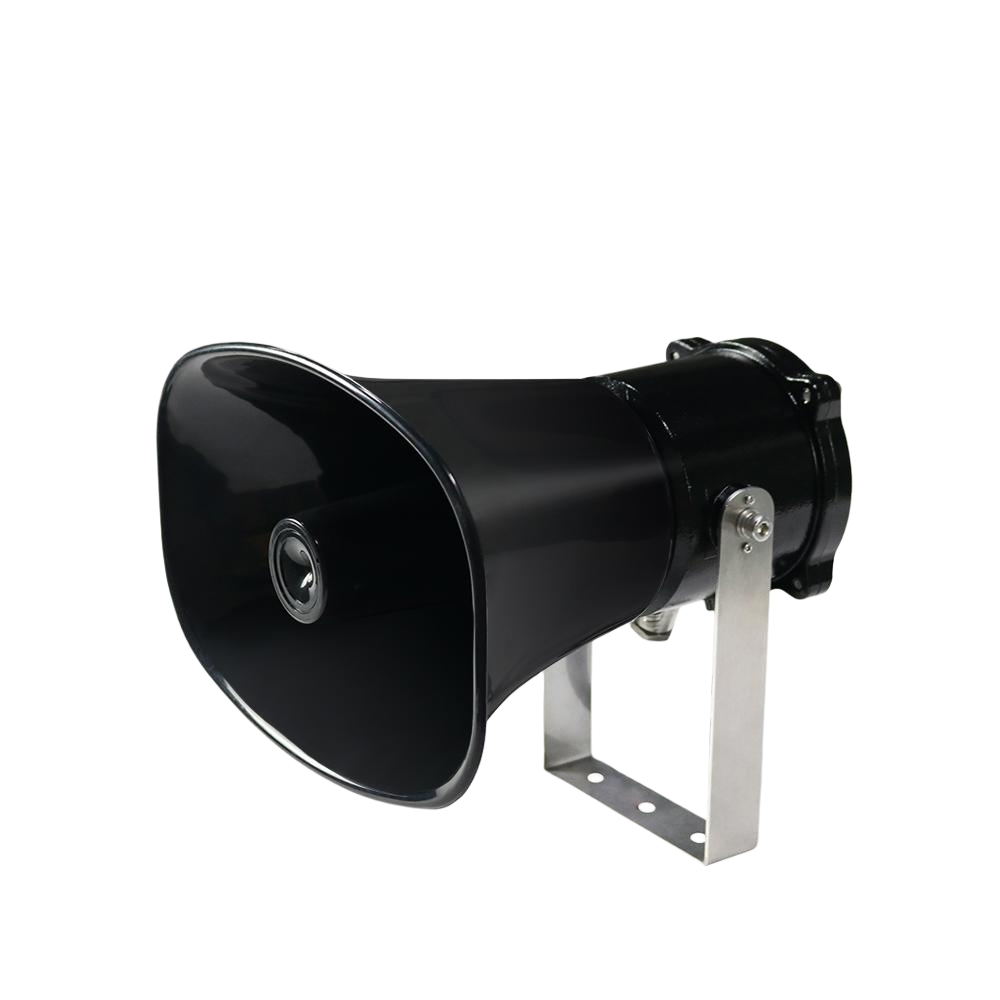
Offshore and Remote Sites: Combined with external loudspeakers and paging systems, these phones support both routine coordination and rapid emergency response.
Operators report significant improvements in reliability and uptime after switching to J&R industrial telephones. The reduction in downtime and enhanced worker safety have made them a standard solution in several international projects emphasizing [mine link resilience].
Maintenance Tips for Longevity
Even the toughest mining-proof phones need regular maintenance to ensure long service life. Key practices include:
-
Regular Cleaning: Remove dust and residue buildup from the housing and buttons to prevent long-term wear.
-
Seal Inspection: Check and replace rubber seals periodically to maintain IP protection levels.
-
Cable and Cord Monitoring: Look for cracks or frays in handset cords and replace if damaged.
-
Firmware and Connectivity Testing: For VoIP-enabled phones, periodically verify software updates and network stability.
-
Environmental Assessment: Ensure phones are installed in optimal positions away from direct mechanical impact or heavy vibration.
By following these steps, mining operators can maximize uptime and extend the lifespan of their communication systems.
Conclusion
A mining-proof phone is far more than a rugged device—it’s a lifeline in one of the most dangerous workplaces on Earth. Through intrinsic safety, robust engineering, and advanced communication features, J&R industrial telephones continue to define reliability in harsh mining environments. From underground coal seams to vast open pits, they ensure one thing above all: that every call for safety and coordination gets through, no matter the challenge.


 Prisons & Correctional Facilities
 Transportation & Underground Infrastructure
 Critical Industrial & Energy Facilities
 Marine & Offshore
 Manufacturing Plant & Public Facilities