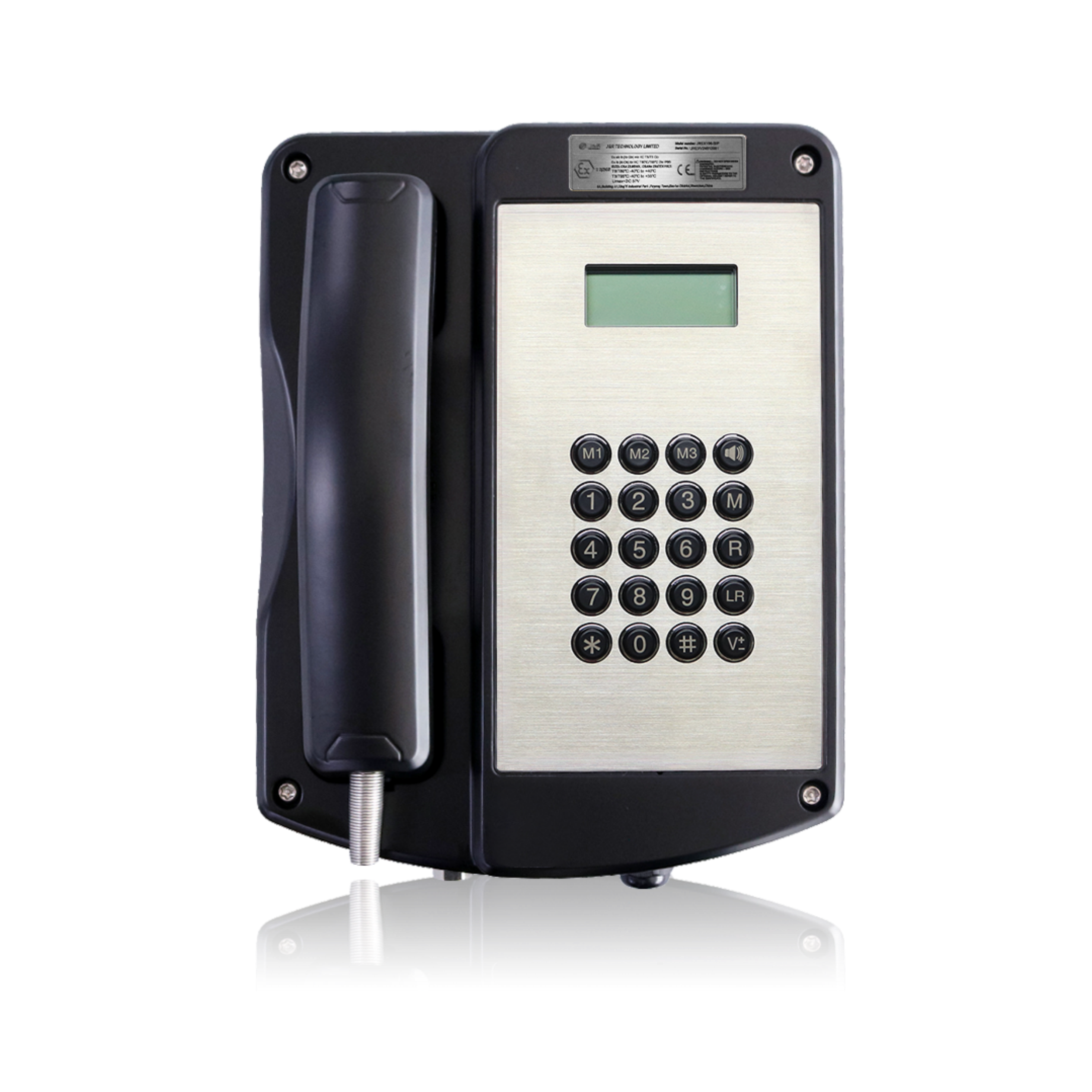
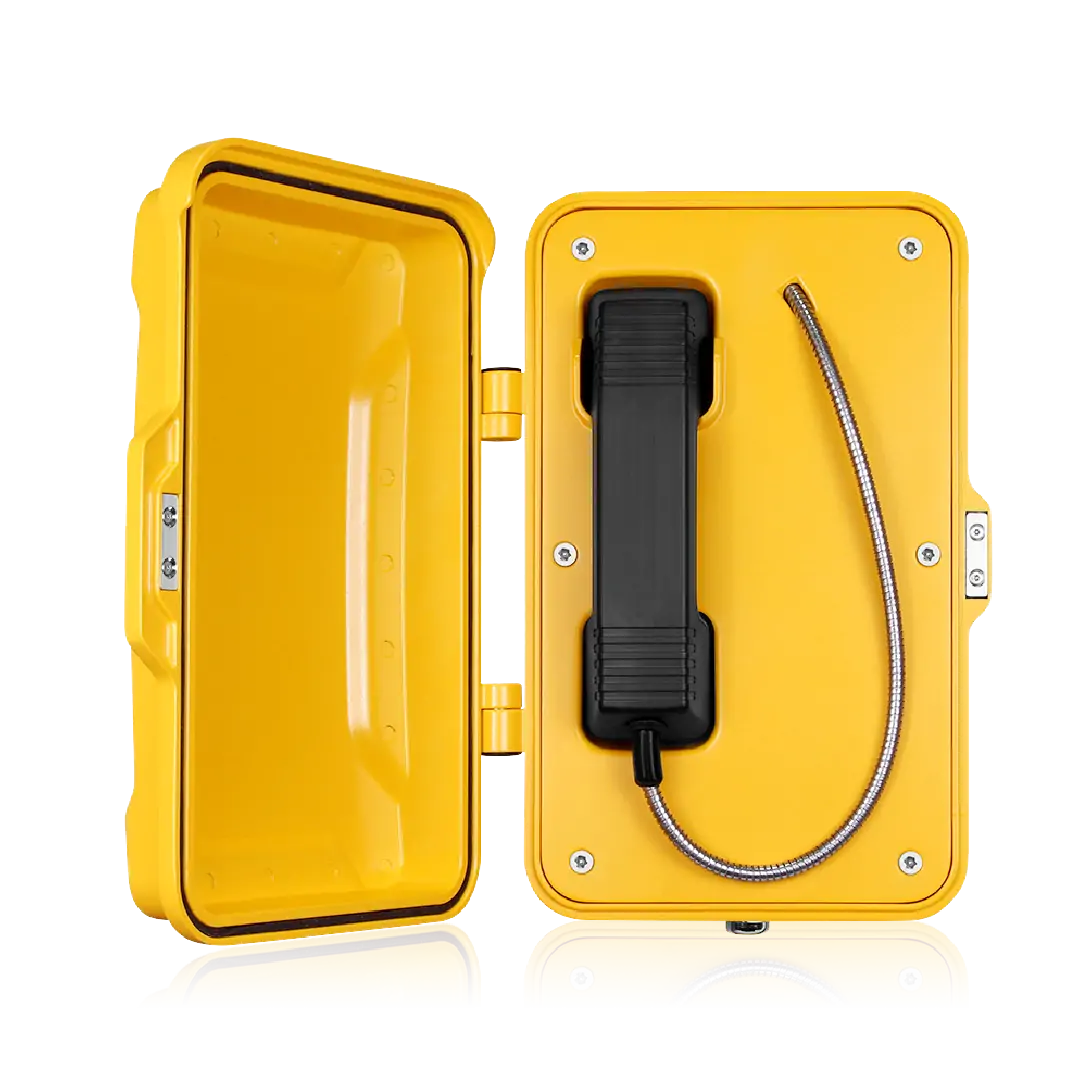
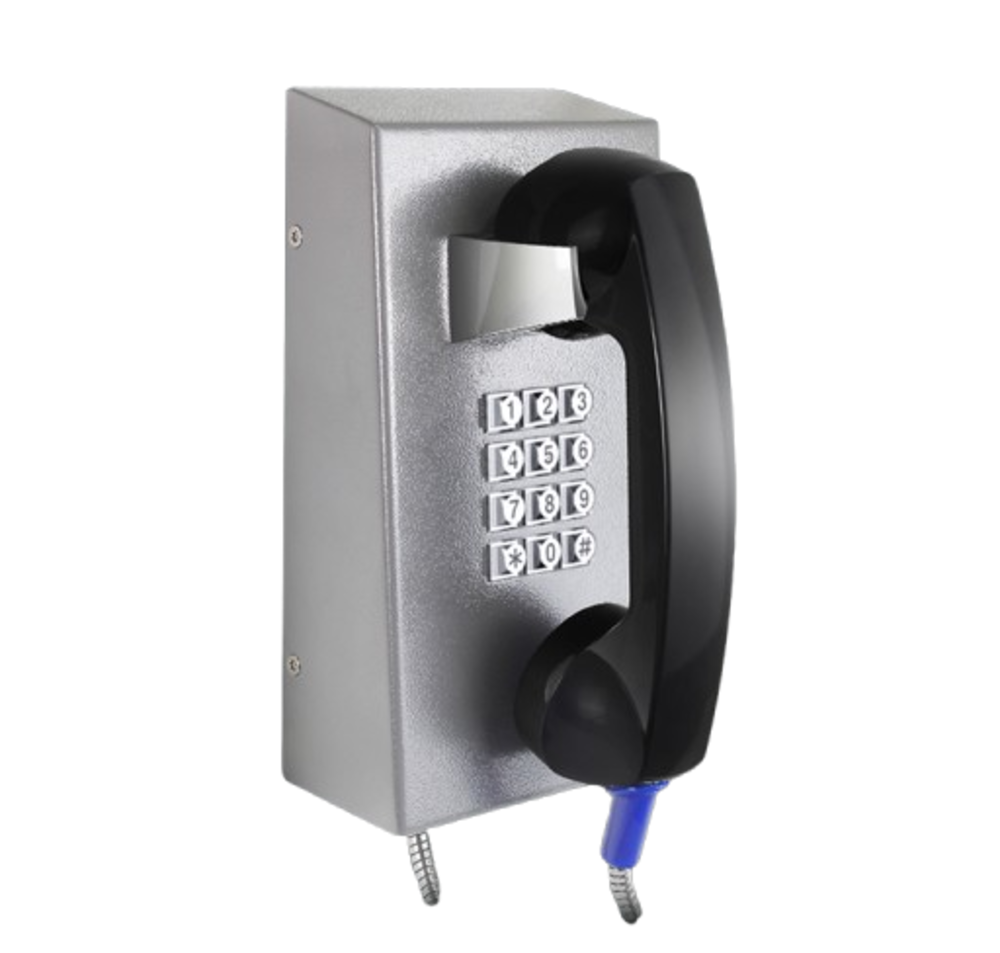
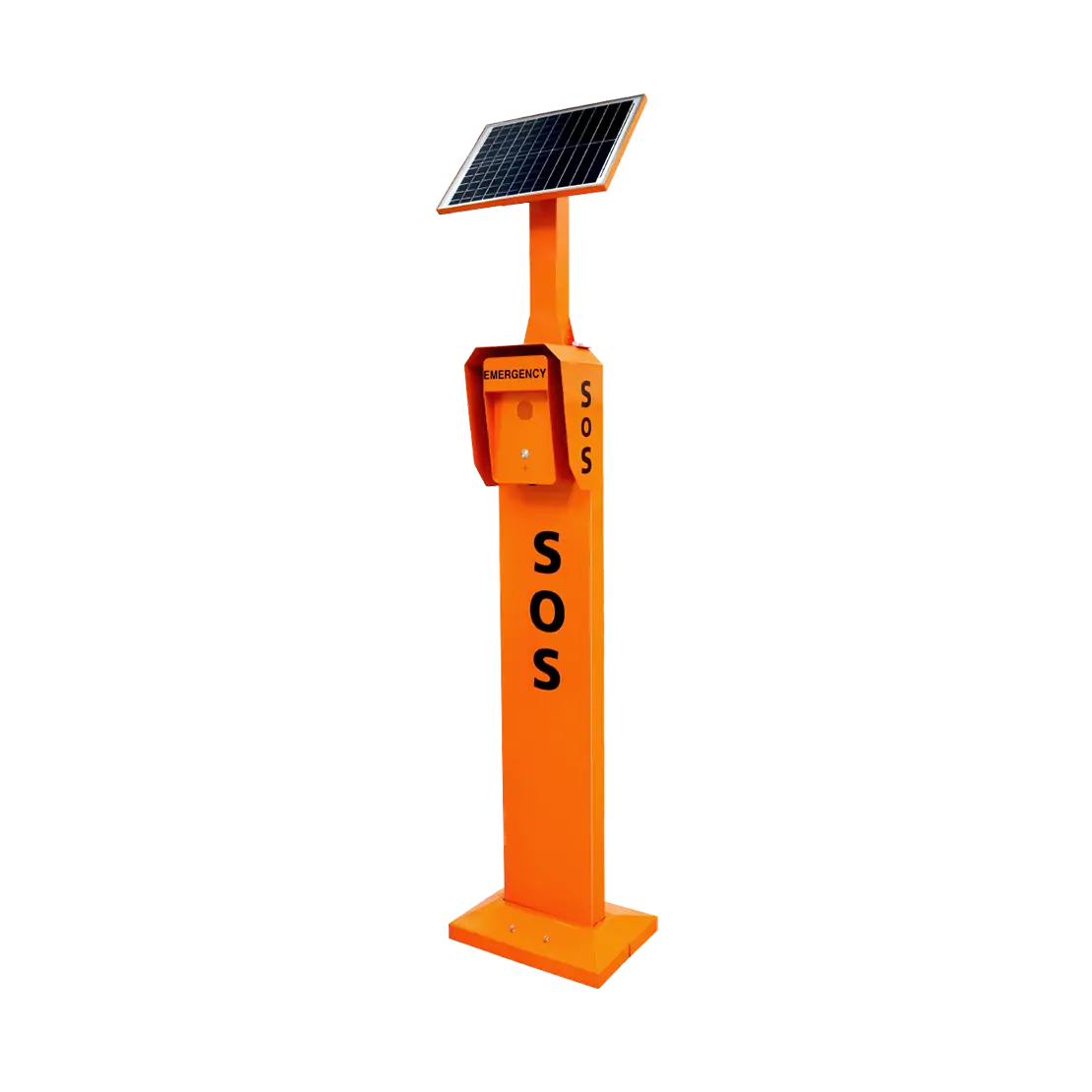
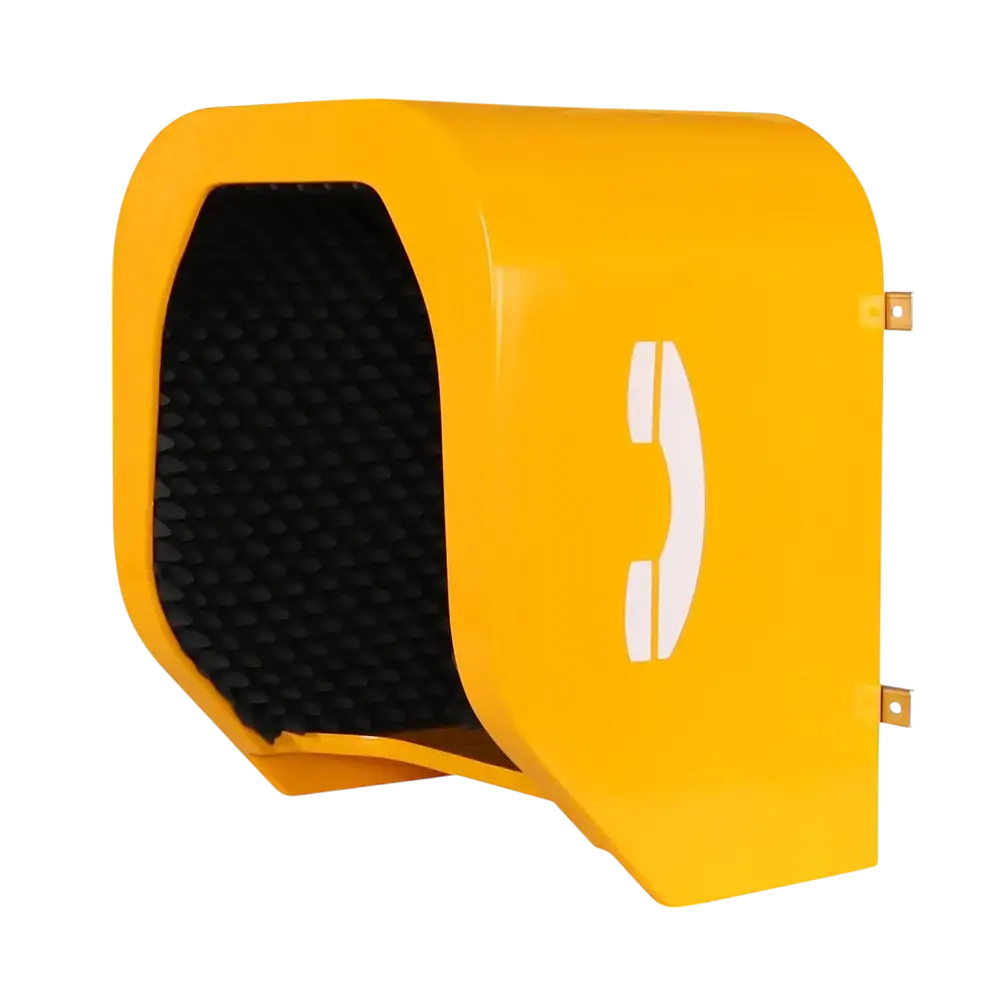
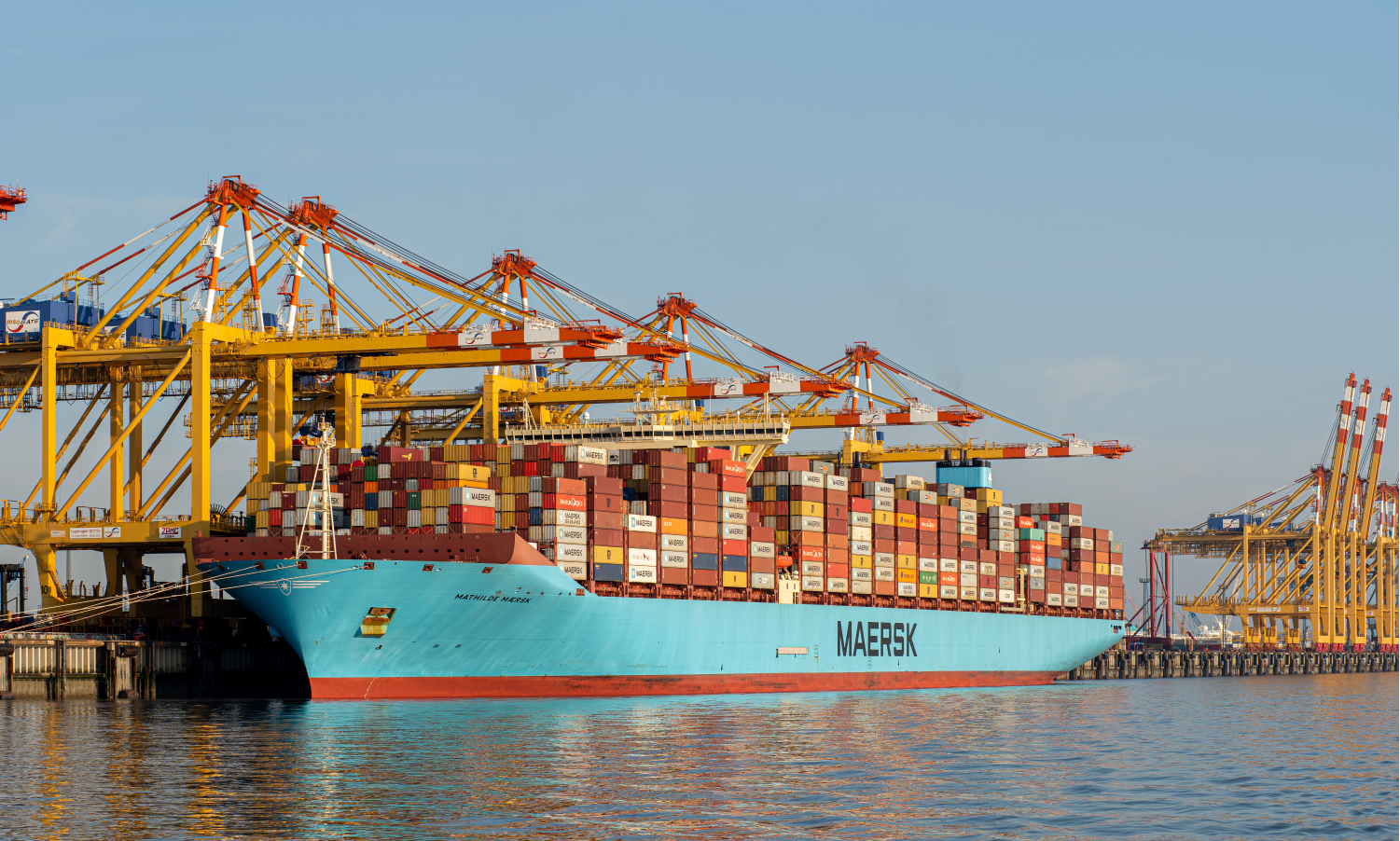
Waterproof telephones and accessories are indispensable in modern maritime communication, ensuring that ship crews and offshore workers stay connected even under the harshest marine conditions. Built with IP67 or higher waterproof ratings, these rugged devices withstand exposure to water, humidity, and salt corrosion while maintaining high-quality voice transmission.
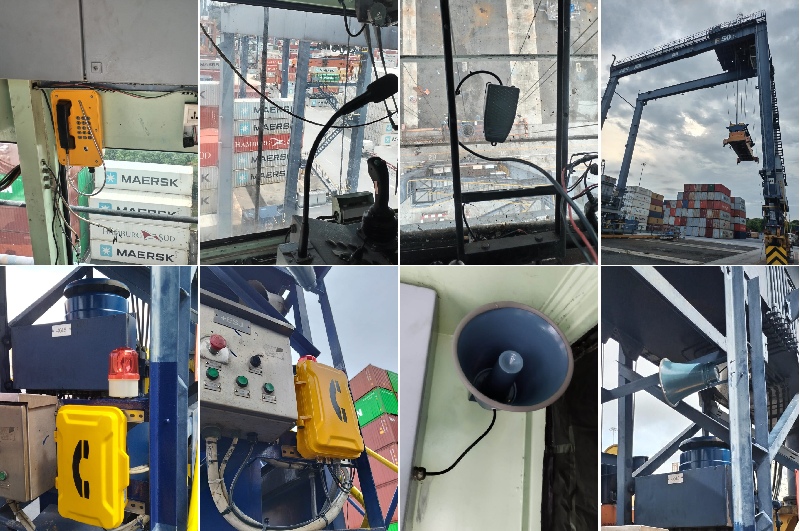
They provide a lifeline during emergencies, helping coordinate rescue operations through SOS and broadcasting functions. Combined with accessories such as loudspeakers, junction boxes, and headsets, waterproof phones enhance both efficiency and safety on offshore platforms, oil rigs, and vessels. In environments where conventional communication tools fail, these specialized systems deliver reliable connectivity via satellite, VoIP, or private network channels—ensuring continuous operation and compliance with international safety standards.
What Makes Maritime Communication Systems Unique?
Maritime communication operates under extreme conditions where reliability and durability are not optional—they are essential. Unlike land-based networks, communication at sea faces environmental challenges such as moisture, corrosion, vibration, and constant noise. Additionally, many maritime operations occur in isolated areas where cellular networks are unavailable.
This is where dedicated maritime communication systems come into play. They rely on technologies like VHF, satellite, and VoIP to ensure seamless coordination between ships, port authorities, and offshore platforms. These systems also comply with international maritime regulations that prioritize safety and emergency readiness.
(Learn more about durability and protection by exploring our guide on [IP67 meaning].)
Why Choose Waterproof Telephones for Offshore Safety?
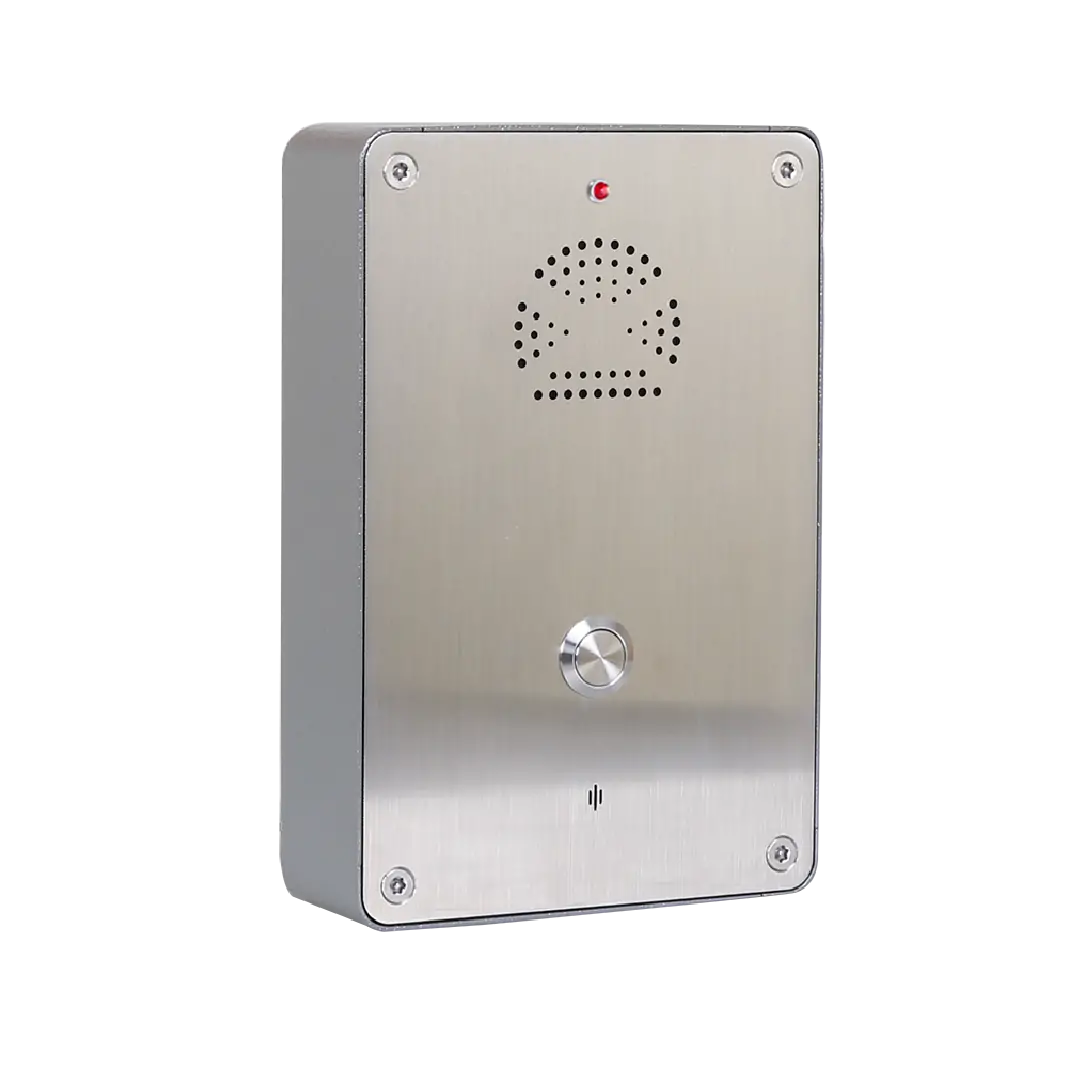
Waterproof telephones are specifically engineered to endure wet, salty, and high-humidity environments—conditions that would quickly disable standard communication devices. With high ingress protection ratings, such as IP66 or IP67, these phones are built from corrosion-resistant materials like stainless steel and marine-grade ABS plastic.
In offshore scenarios, communication can be the difference between safety and disaster. Waterproof telephones are designed for both routine use and emergency communication, offering features like:
-
Noise cancellation: Ensures clear voice transmission despite heavy machinery and wind noise.
-
SOS functions: Enable immediate distress signals to be sent to the control room or nearby vessels.
-
Hands-free operation: Allows workers to communicate efficiently while performing critical tasks.
Their rugged reliability supports compliance with offshore safety standards, enhancing confidence among workers in high-risk environments.

What Accessories Enhance a Secure Communication System at Sea?
Waterproof telephones often integrate with a range of specialized accessories to create a complete communication ecosystem. Essential add-ons include:
-
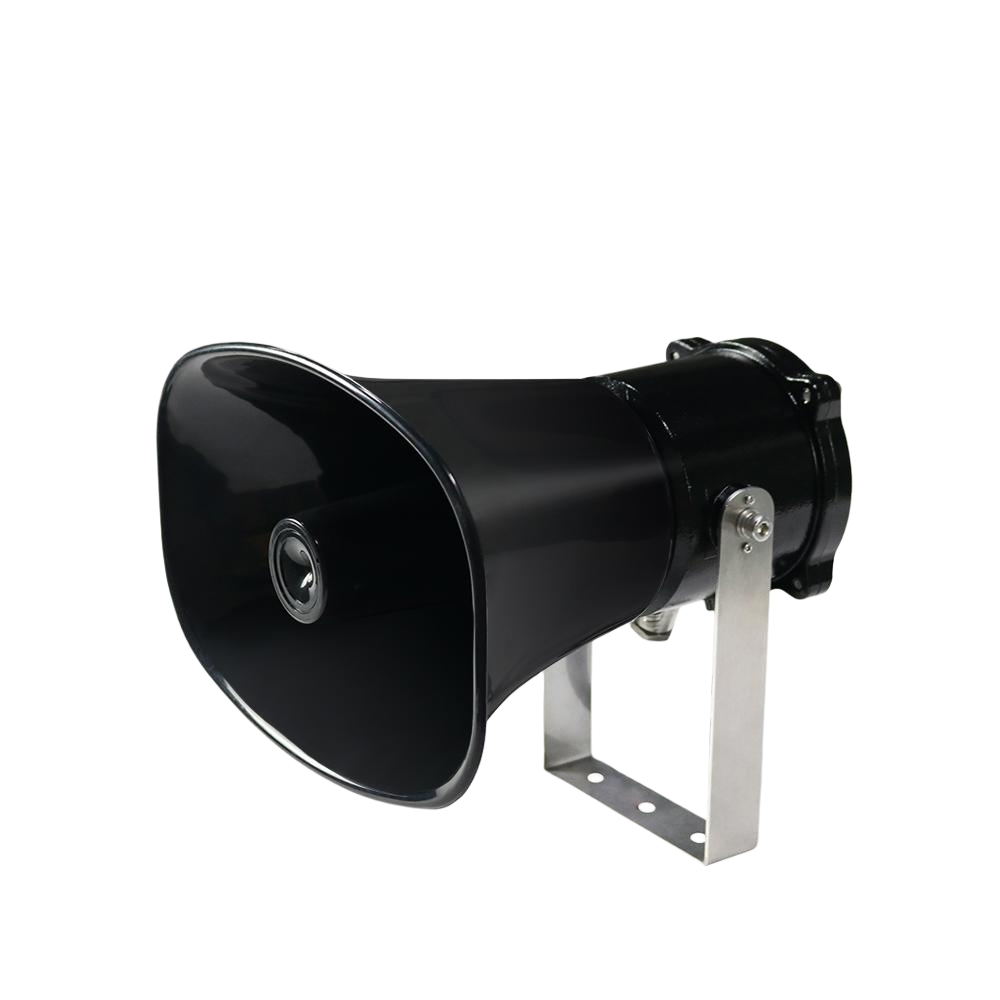
Weatherproof loudspeakers: Amplify emergency announcements and general messages in noisy areas.
-
Industrial headsets and handsets: Provide privacy and clarity, even in high-decibel environments.
-
Junction boxes and cable glands: Protect wiring and ensure secure connections, minimizing downtime.
-
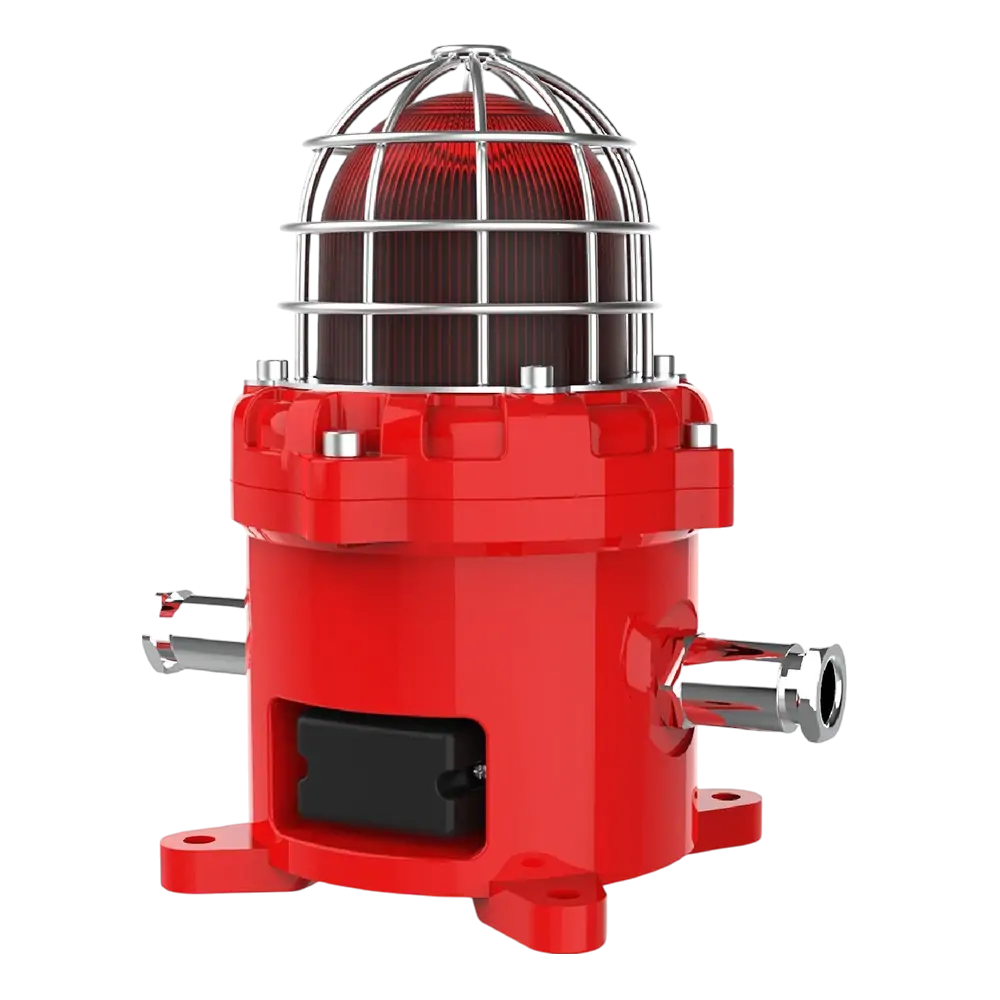
Visual alert devices: Flashing beacons or strobe lights that signal incoming calls in loud environments.
Together, these components strengthen safety measures and guarantee clear, reliable communication—especially during emergencies or maintenance operations.
How Are These Devices Deployed on Ships and Offshore Platforms?
On ships, waterproof telephones are typically installed in engine rooms, decks, and bridge areas where exposure to moisture and vibration is highest. On offshore oil rigs or wind farms, they are mounted in open corridors, control rooms, and hazardous zones to provide fast and efficient communication during operations.
Integration with modern systems such as VoIP or Wi-Fi for oil rigs allows for networked communication across entire facilities. This digital transformation not only enhances voice clarity but also enables real-time data sharing, maintenance alerts, and remote monitoring—all vital for reducing operational risks and improving response times.
What Standards and Maintenance Practices Ensure Long-Term Security?
The longevity and reliability of maritime communication devices depend heavily on both build quality and maintenance practices. Certified waterproof telephones typically adhere to standards such as IECEx, ATEX, and EN60950, ensuring they are explosion-proof and safe for use in hazardous areas.
Regular inspection, cleaning, and functional testing are essential to maintain performance. Periodic replacement of seals, connectors, and cables prevents corrosion-related failures. Training crew members on proper handling and emergency procedures also reinforces overall safety compliance.
Ultimately, robust maintenance paired with certified, high-quality communication equipment ensures that maritime operations remain secure, connected, and compliant—no matter how rough the seas become.
Conclusion
Waterproof telephones and accessories are not just tools—they are the backbone of maritime communication and offshore safety. By ensuring constant connectivity in environments where reliability means survival, they protect both operations and lives. Whether deployed on ships, oil rigs, or coastal installations, these rugged systems stand as vital components of a safer, smarter maritime industry.


 Prisons & Correctional Facilities
 Transportation & Underground Infrastructure
 Critical Industrial & Energy Facilities
 Marine & Offshore
 Manufacturing Plant & Public Facilities