Ever wondered how oil rigs stay online while surrounded by miles of open water? Offshore drilling platforms depend on advanced satellite networks, weather-hardened communication systems, and redundant power setups to stay connected. Despite operating in some of the harshest environments on Earth, these rigs maintain seamless contact with onshore control rooms, safety centers, and crew families. By combining satellite broadband, radio frequency links, and marine-grade Wi-Fi, modern rigs ensure continuous data transmission for both operational efficiency and worker safety. Discover how resilient connectivity, robust design, and smart redundancy keep these isolated giants online—even in the middle of a storm.
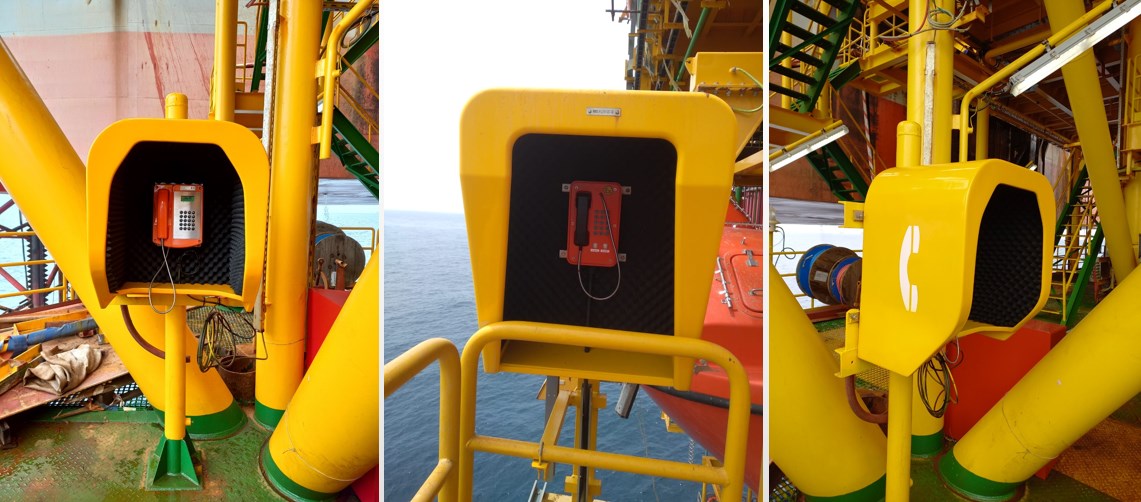
Offshore Communication Needs
Oil rigs are essentially floating industrial cities—remote, complex, and always operational. Communication is not just convenient—it's essential. Crew coordination, drilling control, environmental monitoring, and emergency response all rely on uninterrupted data exchange.
Since rigs operate hundreds of miles offshore, cellular networks are not an option. Instead, they depend on satellite-based communication systems that link them to onshore command centers. These connections support VoIP calls, video conferences, data uploads, and even real-time equipment monitoring, ensuring that life on the platform continues smoothly and safely.
WiFi Deployment Challenges
Establishing WiFi on an oil rig is far from simple. Harsh weather, salt corrosion, and metal structures all interfere with signal propagation. Additionally, rigs are constantly exposed to high humidity and extreme temperatures, conditions that can degrade communication hardware over time.
Engineers must therefore design systems with marine-grade, IP67-rated enclosures to prevent water and dust ingress. Signal placement also requires careful planning—WiFi antennas are mounted high above deck level and configured to minimize interference from cranes, steel walls, and heavy machinery.
Regular calibration and shielding strategies help maintain strong connections, even during violent storms when stable communication is most critical.
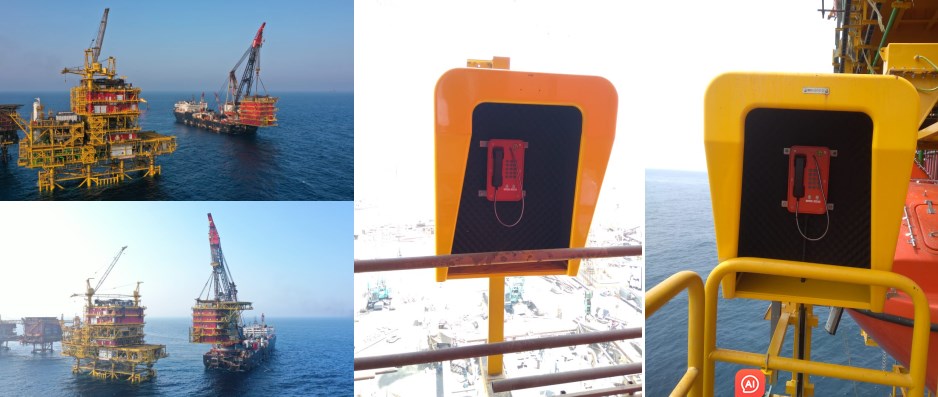
Equipment & Signal Routing
Modern offshore communication relies on a layered infrastructure:
-
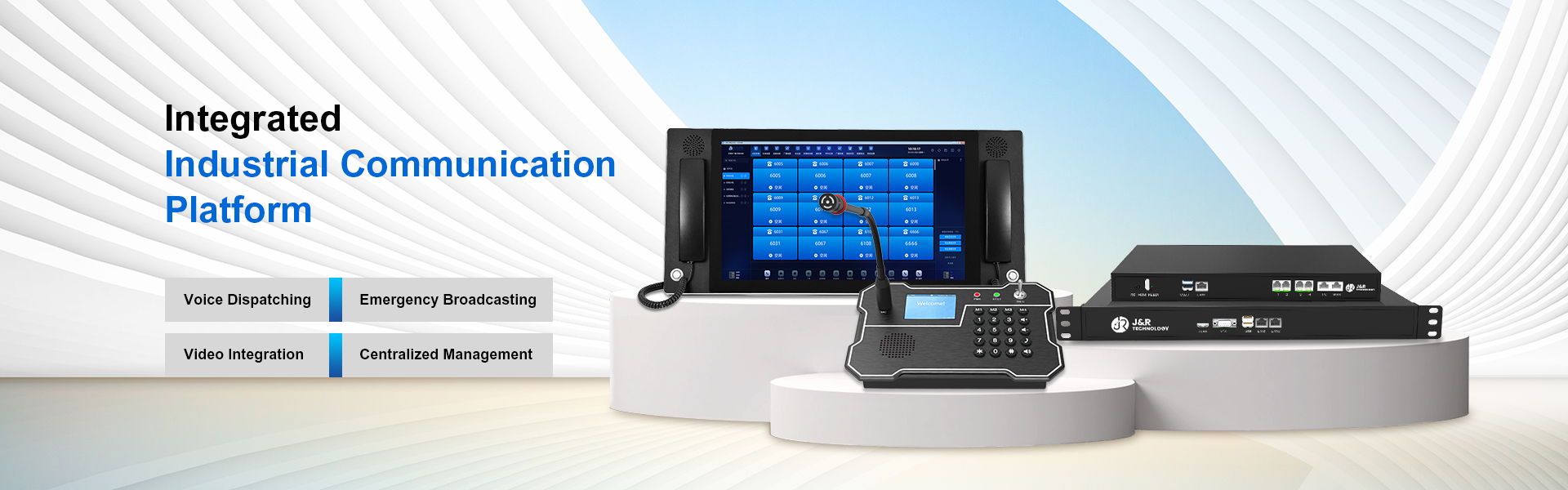
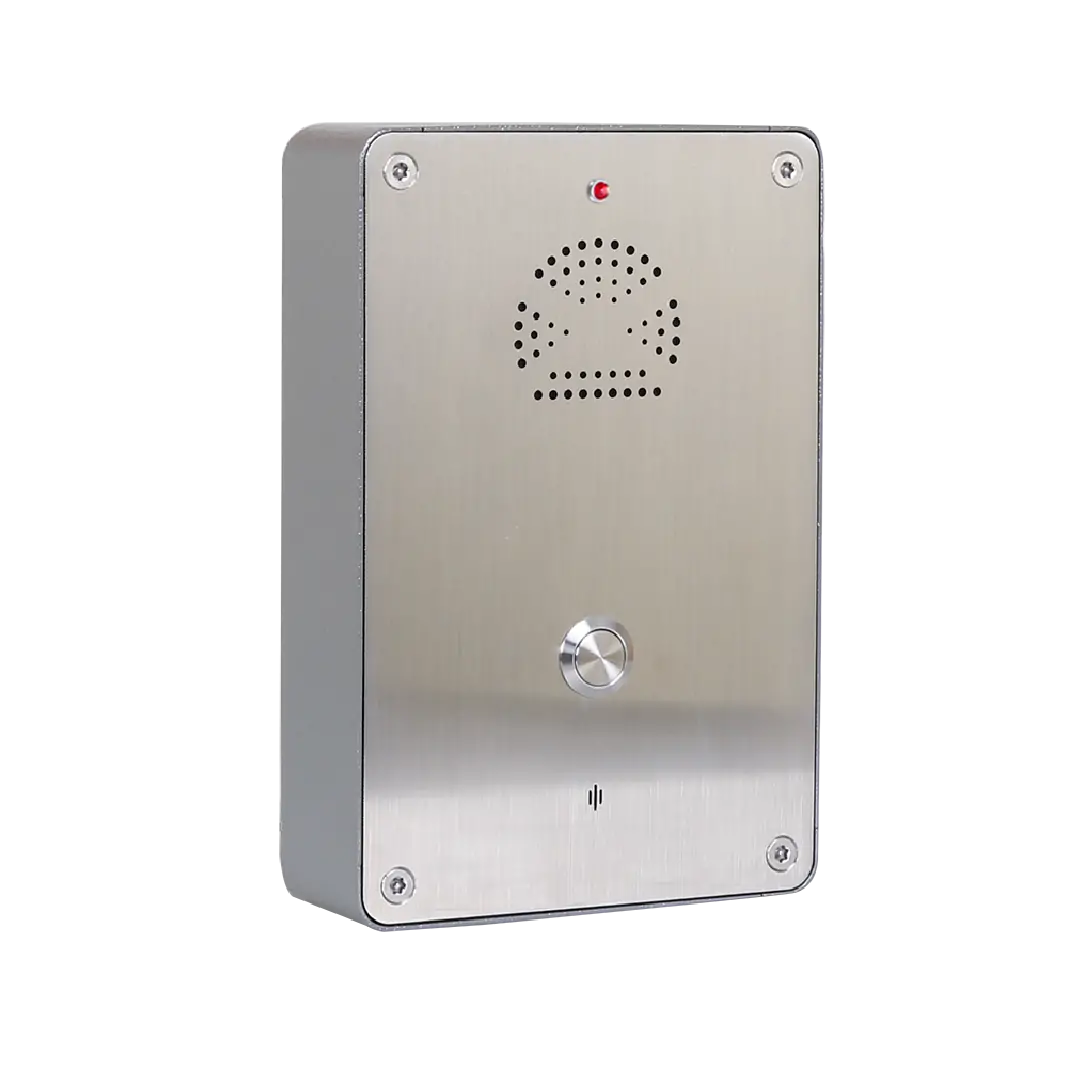
Satellite Terminals: Provide the primary broadband link to onshore stations, supporting both data and voice communication.
-
Microwave Relays: Used when rigs are within range of coastal receivers, offering faster, more cost-effective connectivity.
-
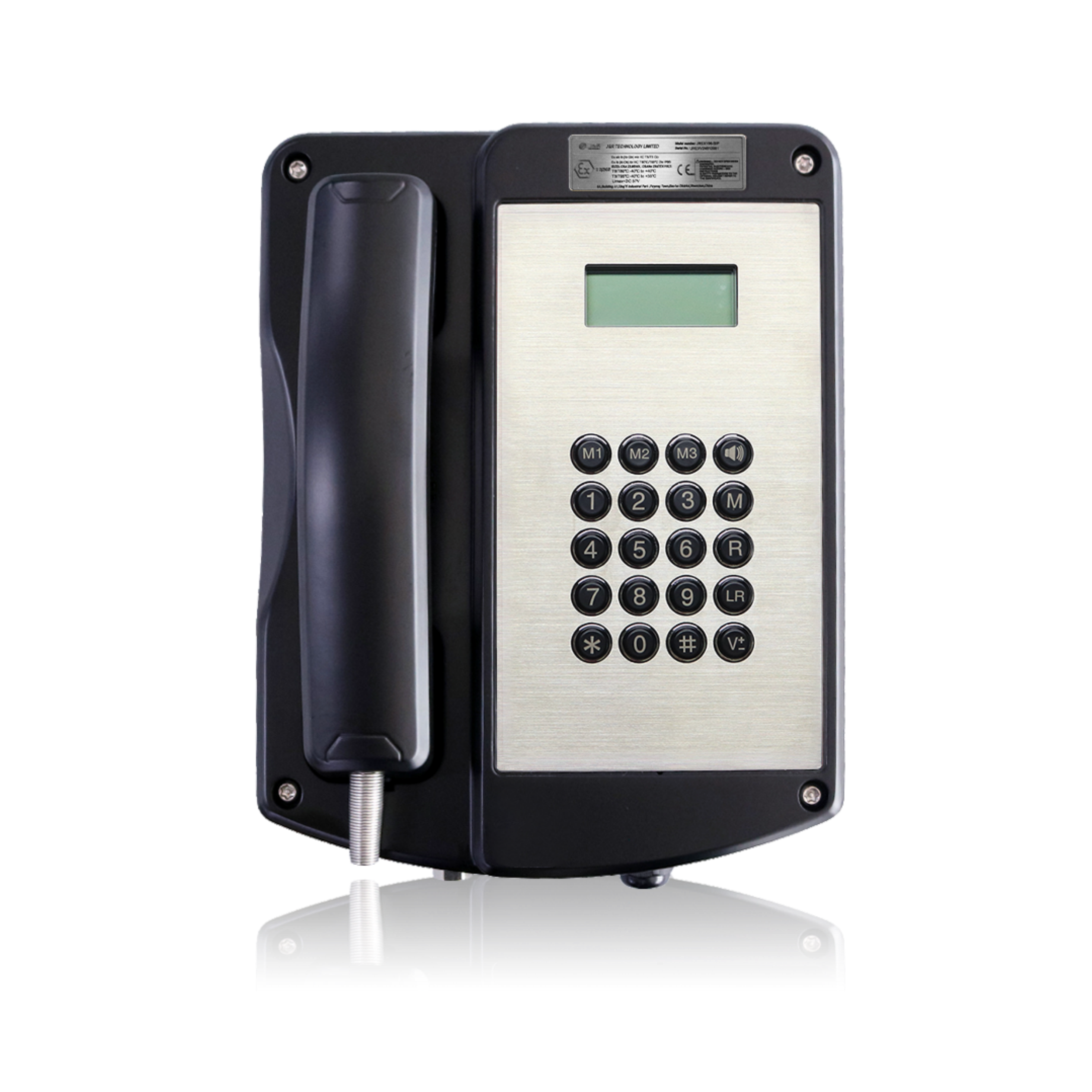
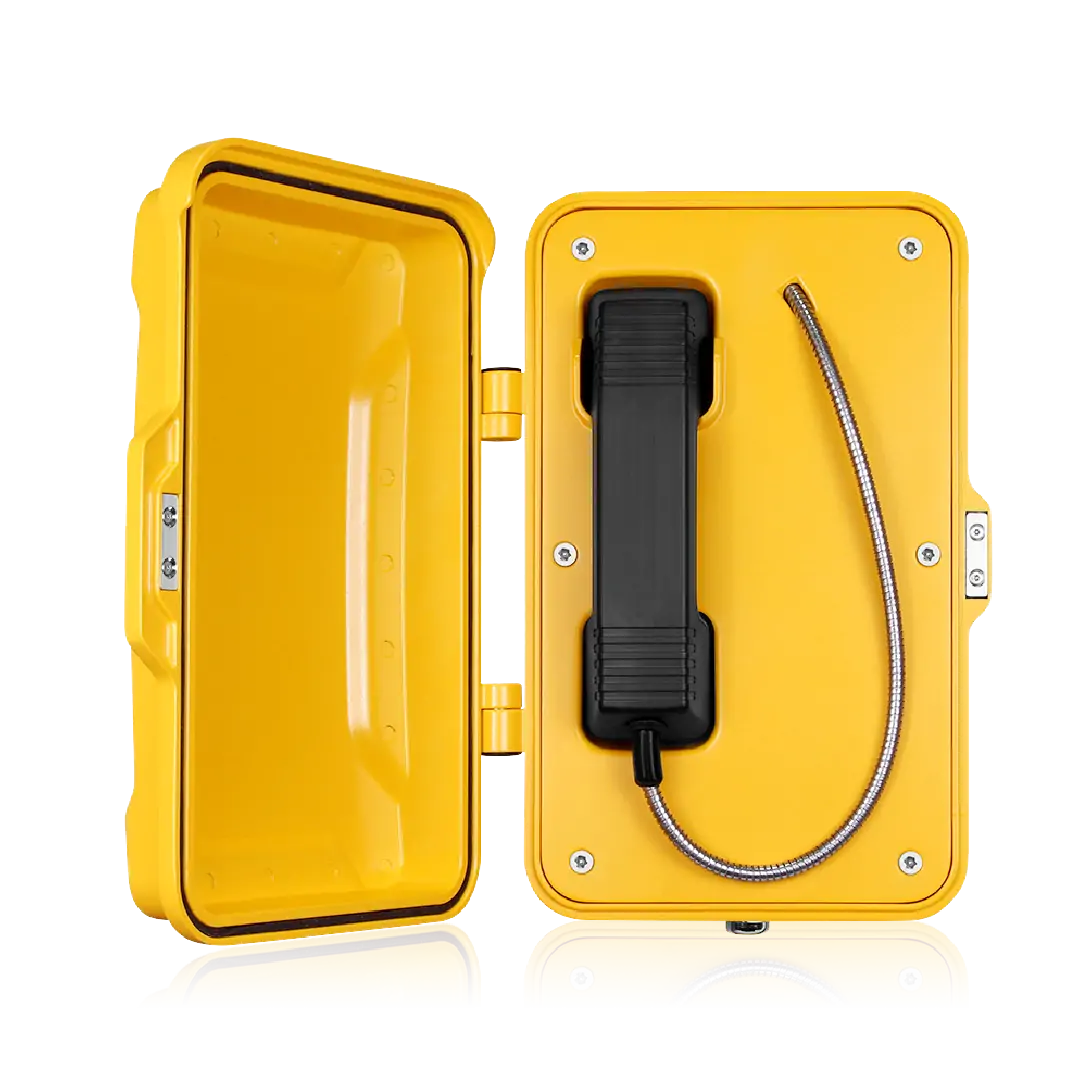
Internal WiFi Networks: Allow crew members to access work systems or communicate with their families using secured bandwidth channels.
-
Emergency Backups: Include redundant satellite dishes and battery-supported control units to prevent downtime during outages.
Routing systems prioritize safety-related communication first, ensuring that control room alerts, evacuation signals, and equipment warnings are transmitted instantly—even if recreational internet access is limited.
Benefits in Safety Monitoring
Beyond connectivity, these communication systems serve a crucial safety function. Real-time data feeds allow operators to monitor drilling conditions, structural integrity, and environmental hazards.
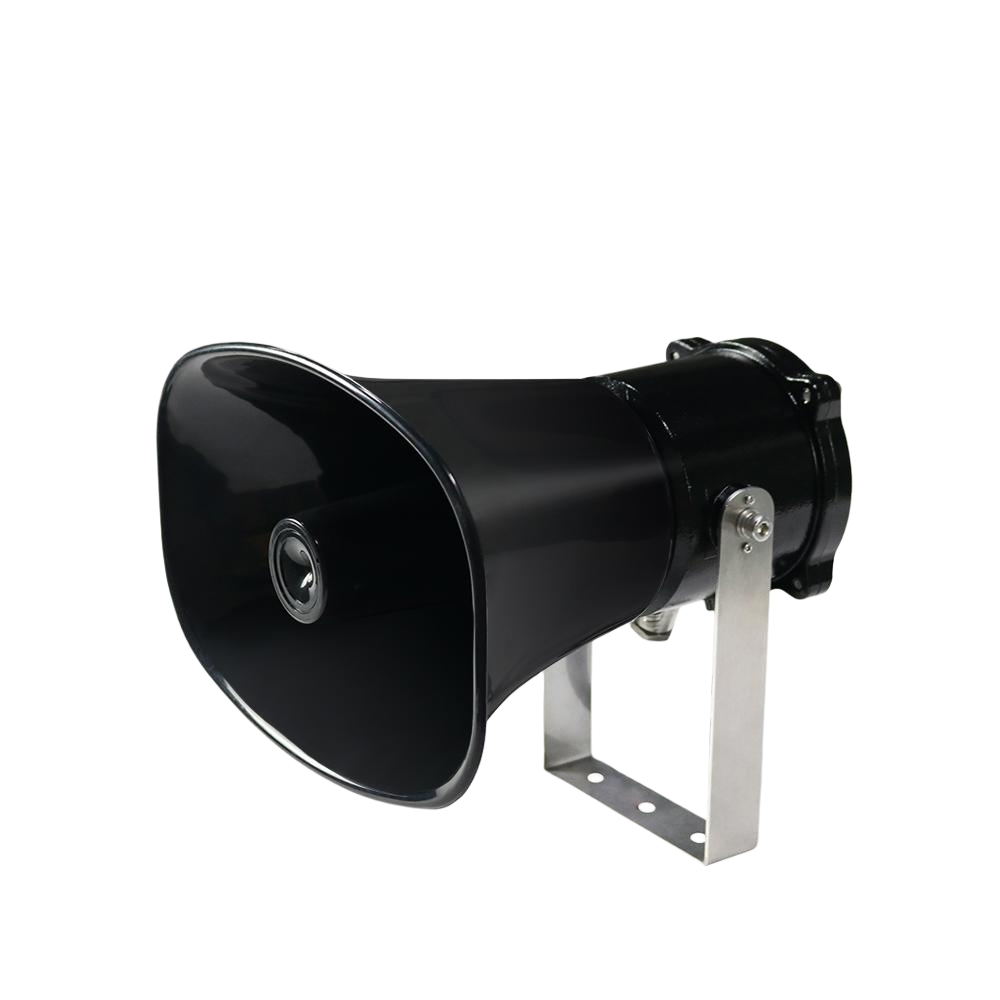
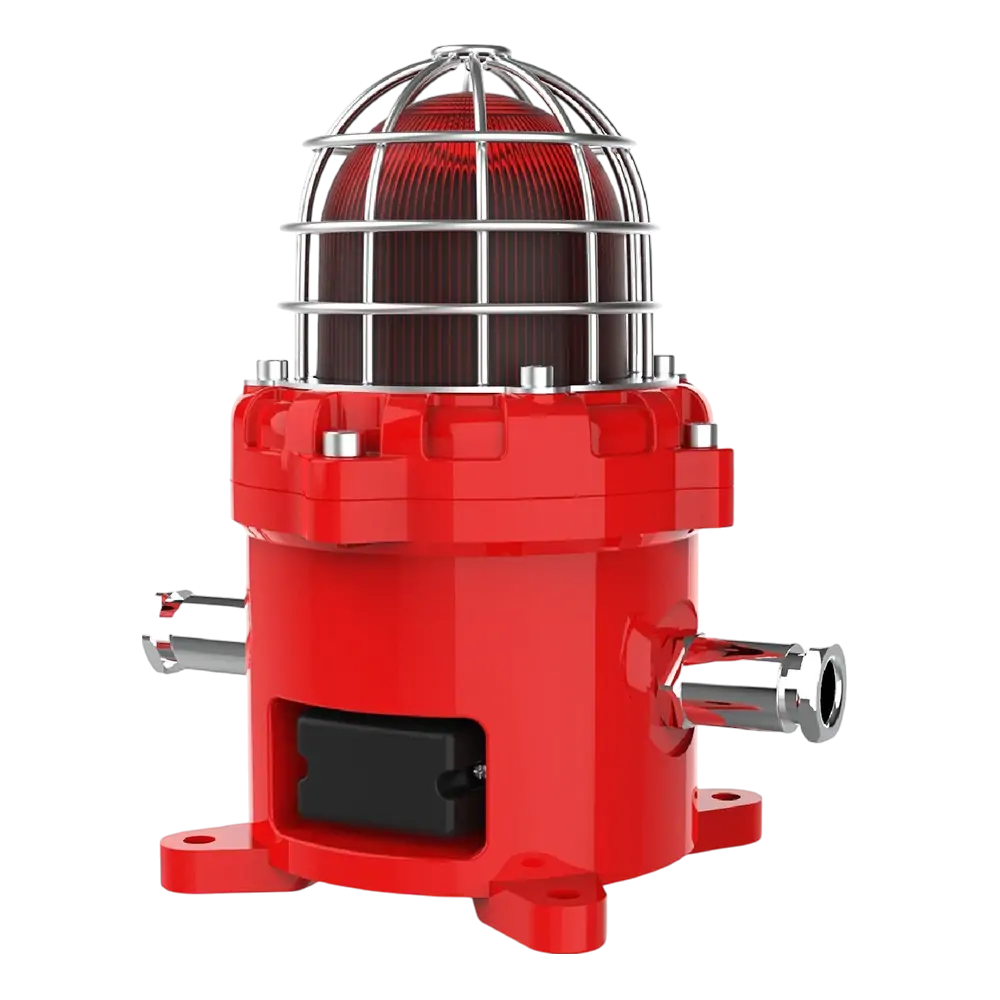
If an emergency occurs—such as a gas leak or equipment failure—satellite-enabled broadcast systems instantly relay alerts across all zones, initiating evacuation protocols. Remote monitoring also allows onshore teams to provide guidance, send instructions, or even take control of automated safety responses.
This integration of communication and safety technology not only improves operational efficiency but also saves lives in critical moments.
Cost and Maintenance
Maintaining offshore communication systems is a significant investment. Satellite bandwidth is expensive, and hardware replacement requires specialized technicians who must travel offshore—sometimes by helicopter.
To balance costs, many rigs use hybrid networks combining satellite, microwave, and radio systems to ensure redundancy and flexibility. Regular maintenance, corrosion control, and software updates are essential to keeping these systems operational.
Despite the challenges, the long-term benefits—enhanced safety, smoother operations, and better crew morale—far outweigh the costs. In essence, reliable connectivity is the invisible backbone that keeps oil rigs functioning 24/7.


 Prisons & Correctional Facilities
 Transportation & Underground Infrastructure
 Critical Industrial & Energy Facilities
 Marine & Offshore
 Manufacturing Plant & Public Facilities