In critical moments, every second counts. Industrial broadcast emergency alert systems are designed to deliver real-time alerts across wide areas—helping people take immediate action and enabling faster coordination among emergency teams. From chemical plants and tunnels to mining sites and offshore platforms, these systems use advanced communication networks to ensure no warning goes unheard. By combining voice clarity, visual signals, and automated triggers, they reduce response times and prevent confusion during disasters. Yet, their true effectiveness depends on clarity, coverage, and coordination. Discover how modern emergency broadcast systems are evolving to save lives in time and how industries can strengthen their safety communication frameworks for a more resilient future.

Functionality of Emergency Broadcast
An emergency broadcast system functions as a rapid communication framework that transmits alerts to workers, communities, or entire facilities during critical situations. Using digital and IP-based technology, these systems send both voice and visual messages within seconds.
Unlike traditional alarm bells or sirens, today's broadcast emergency alert system delivers detailed, actionable information—telling people what happened, where to go, and what to do next. Whether triggered by fire, gas leaks, explosions, or natural disasters, the goal is simple yet vital: to save lives by ensuring the right message reaches the right people at the right time.
In industrial environments, especially those handling hazardous materials or operating heavy machinery, the system serves as the frontline tool for immediate mass notification and evacuation guidance.
Real-World Scenarios
Real-world examples clearly demonstrate how these systems prevent tragedy. In chemical processing plants, for instance, early warnings of gas leaks allow personnel to evacuate safely before concentrations become dangerous. In tunnels and metro networks, broadcast systems inform drivers and passengers of accidents, directing them to safe exits or muster points.
Mining operations rely heavily on such systems to coordinate underground rescue efforts when collapses or electrical failures occur. During wildfires or extreme weather, emergency alerts guide workers to shelter or communicate shutdown procedures—helping avoid panic and confusion.
These examples highlight how a well-implemented system is more than a technical asset; it's a life-saving network embedded in industrial safety culture.
System Components
A high-performance emergency broadcast solution typically includes four essential components:
-
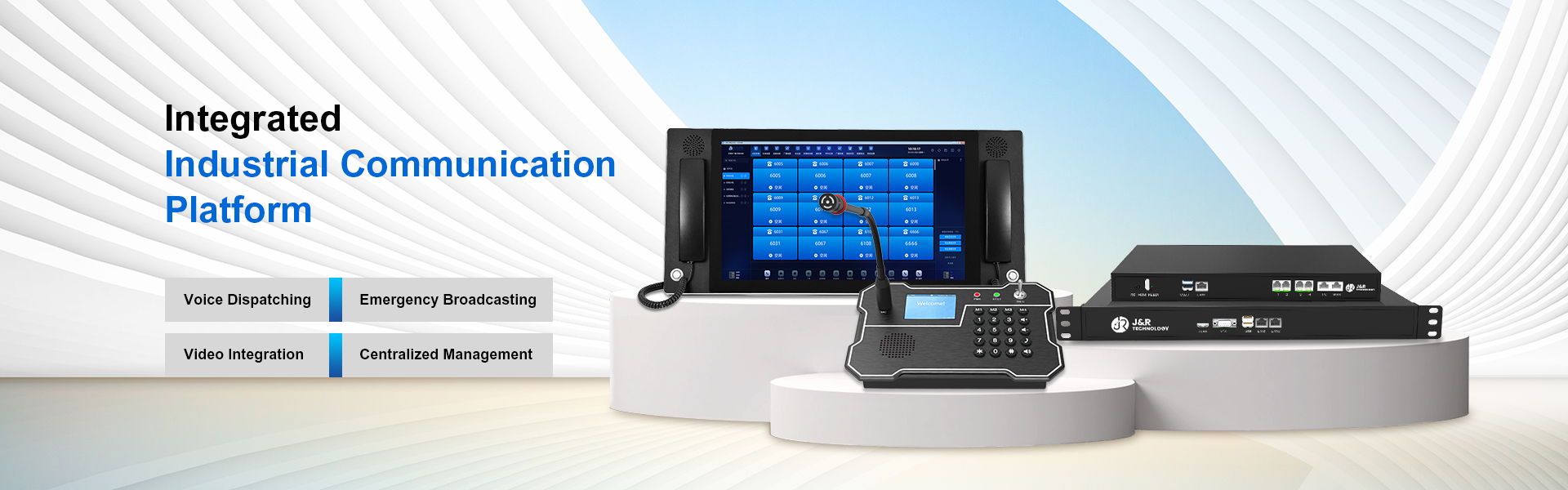
Control Unit – The brain of the system that processes alerts and manages communication across zones.
-
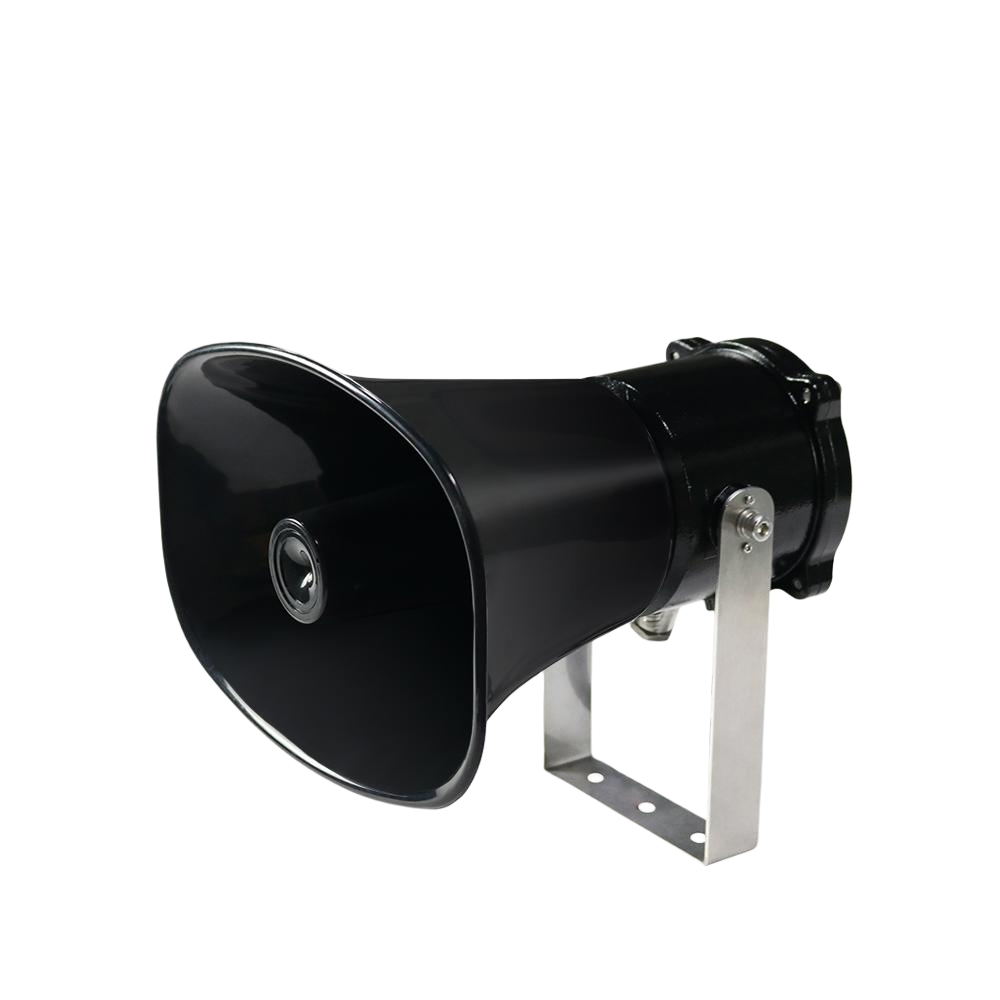
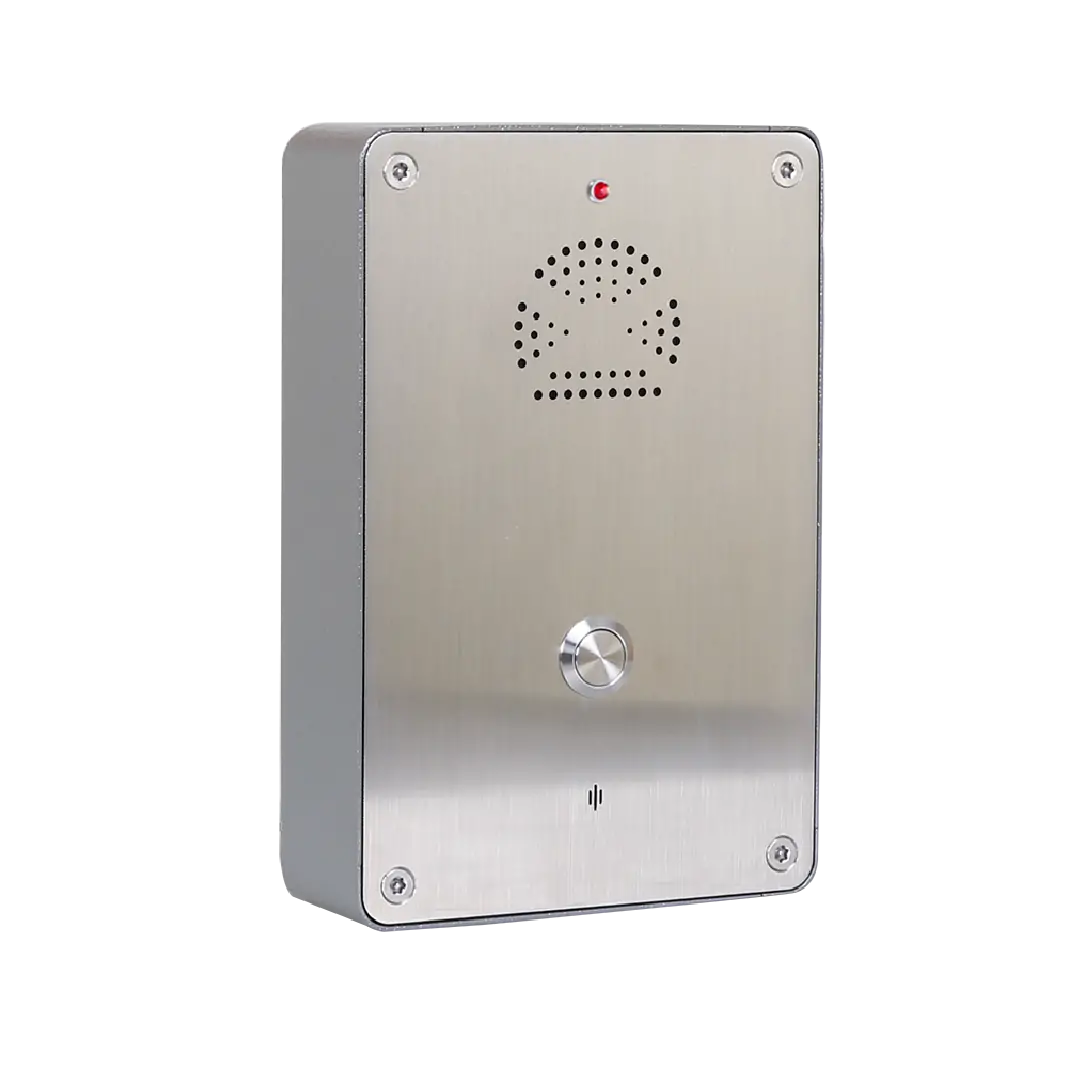
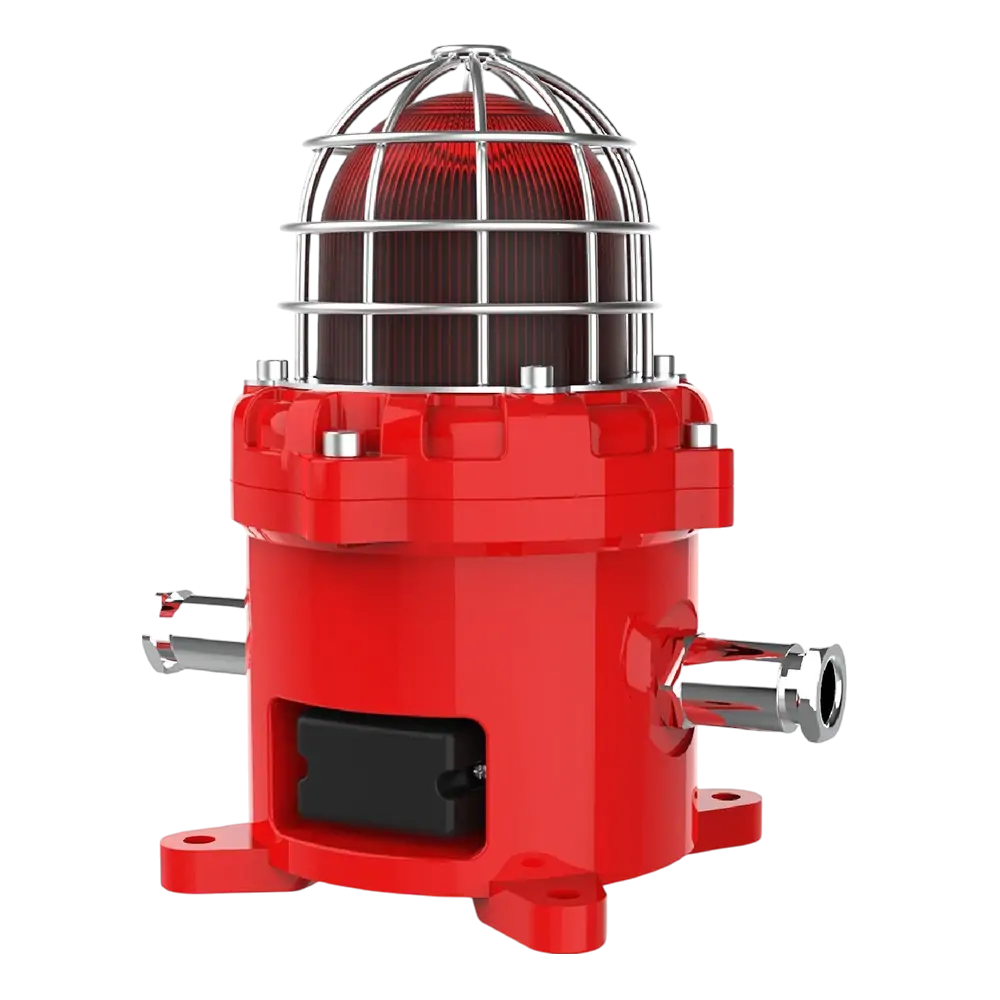
Loudspeakers and Beacons – Rugged devices that deliver both audio and visual warnings, even in harsh or noisy environments.
-
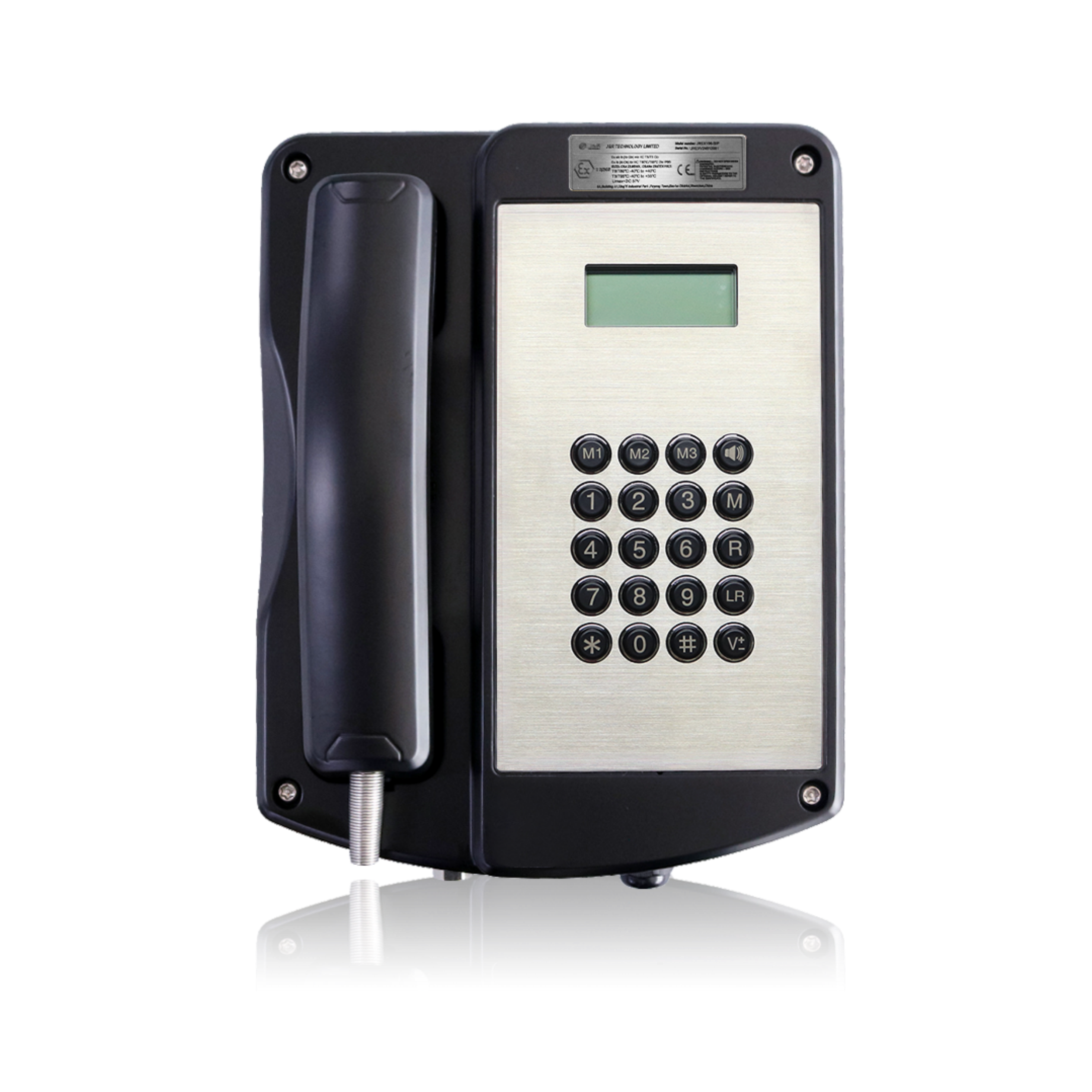
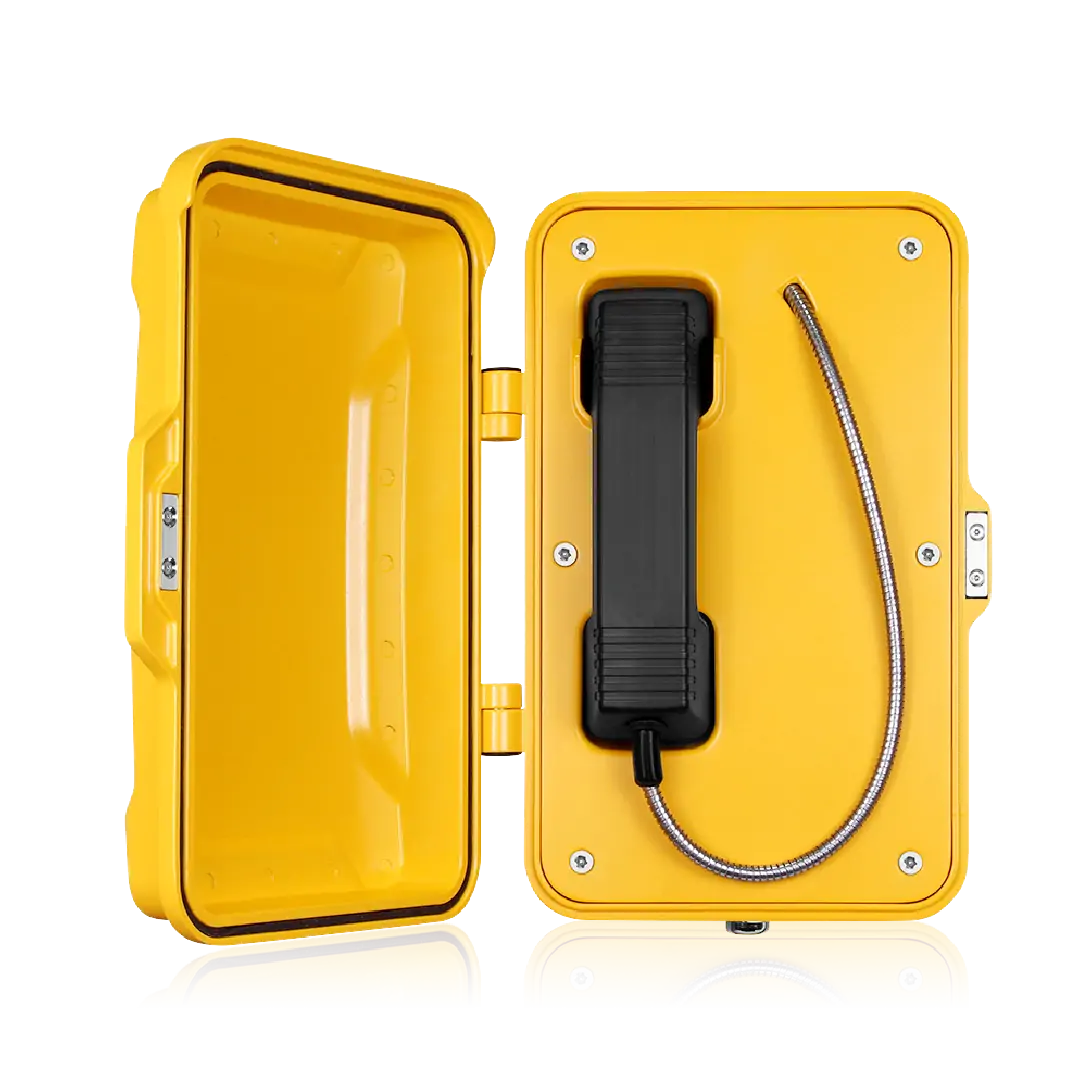
IP Telephones and Intercoms – Enable real-time two-way communication, allowing staff to confirm receipt or request assistance.
-
Network Infrastructure – Connects all devices through a reliable wired or wireless platform, ensuring messages are delivered without delay.
Modern systems are often integrated with clean room voice quality features to guarantee crystal-clear audio transmission in sterile or high-noise environments. This ensures no message is misunderstood—an essential factor when seconds determine safety outcomes.
Broadcast Triggers
Emergency broadcasts can be initiated manually or automatically. Manual triggers include pressing alarm buttons, picking up emergency phones, or activating control panels. Automatic triggers occur when sensors detect anomalies—like smoke, gas, or temperature spikes—and instantly activate the broadcast.
Integration with mining network systems or fire detection infrastructure allows multiple safety mechanisms to act simultaneously, ensuring a chain of alerts reaches every corner of the facility.
Advanced versions employ AI-driven monitoring to detect irregularities and send alerts before human operators even notice the threat, thus further shortening the response time.
Coordination with Safety Systems
True effectiveness depends on how well the broadcast system coordinates with other safety mechanisms. Integration with CCTV, public address systems, and access control enables complete situational awareness. When a crisis hits, the control center can monitor affected zones, guide evacuations through loudspeakers, and lock or unlock gates remotely to manage crowd flow.
Such coordination not only reduces chaos but also ensures emergency responders receive real-time updates on incident locations, resource availability, and personnel status.
Periodic testing, staff training, and system redundancy further strengthen this network—ensuring that communication never fails, even under infrastructure stress.
Conclusion
In an age where seconds can mean the difference between safety and disaster, broadcast emergency alert systems stand as the unseen guardians of industrial environments. They provide immediate, actionable, and reliable communication during emergencies—empowering people to make life-saving decisions without hesitation.
Yet technology alone isn't enough. Clarity, coverage, and coordination remain the three pillars of effectiveness. As industries continue adopting IP-based networks and intelligent automation, future broadcast systems will become even faster, more adaptive, and more resilient—bringing us one step closer to ensuring that every warning counts, and every life is protected in time.


 Prisons & Correctional Facilities
 Transportation & Underground Infrastructure
 Critical Industrial & Energy Facilities
 Marine & Offshore
 Manufacturing Plant & Public Facilities