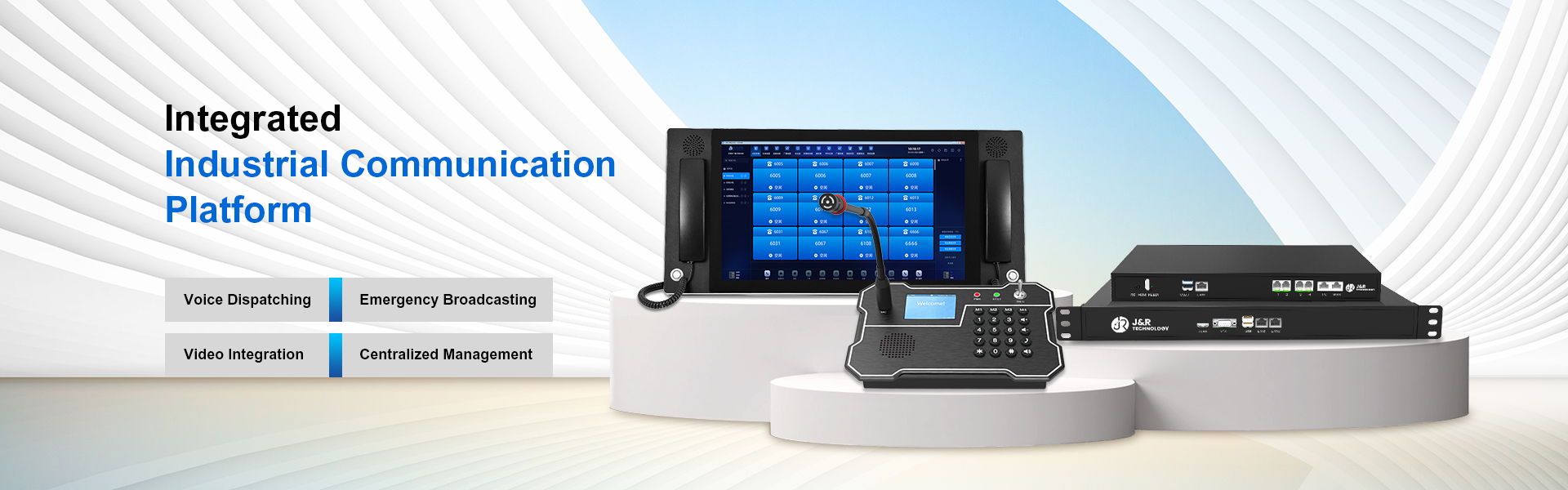
IP-based communication systems are transforming industrial communication by enabling real-time connectivity, seamless integration, and intelligent automation. Unlike traditional analog systems, IP technology supports large-scale, flexible, and data-driven networks that empower manufacturers to make smarter, faster decisions. These systems create a unified platform where machines, sensors, and control centers interact effortlessly—improving efficiency, scalability, and safety. With built-in security and remote management capabilities, IP-based systems reduce downtime and maintenance costs while supporting future innovations such as IoT, AI, and predictive analytics. Discover how IP-based solutions are shaping the backbone of modern industry and why they’re the smart choice for organizations preparing for the next industrial revolution.

What Is IP-Based Communication
An IP-based communication system uses Internet Protocol (IP) to transmit voice, video, and data across digital networks. Instead of relying on analog wiring, these systems leverage Ethernet or Wi-Fi to connect devices, sensors, and control hubs under a unified infrastructure. The result is faster, more flexible, and highly reliable communication.
In industrial settings, IP-based systems enable seamless coordination between machines, safety devices, and management platforms—allowing factories, tunnels, and refineries to operate efficiently with real-time monitoring and control.
Benefits Over Analog Systems
The shift from analog to IP-based communication has reshaped how industries communicate. Analog systems are limited by fixed wiring and low bandwidth, while IP networks offer scalability, clarity, and interoperability.
For instance, voice communication in analog lines can degrade over long distances, but IP networks deliver crystal-clear digital audio—crucial for mission-critical operations such as emergency calling or control rooms. Additionally, with real time duplexing, IP-based systems support simultaneous two-way conversations, enhancing operational safety and coordination.
From clean room voice quality to centralized control, IP systems minimize noise, interference, and latency, enabling smoother industrial communication even in challenging environments.
Application in Large Networks
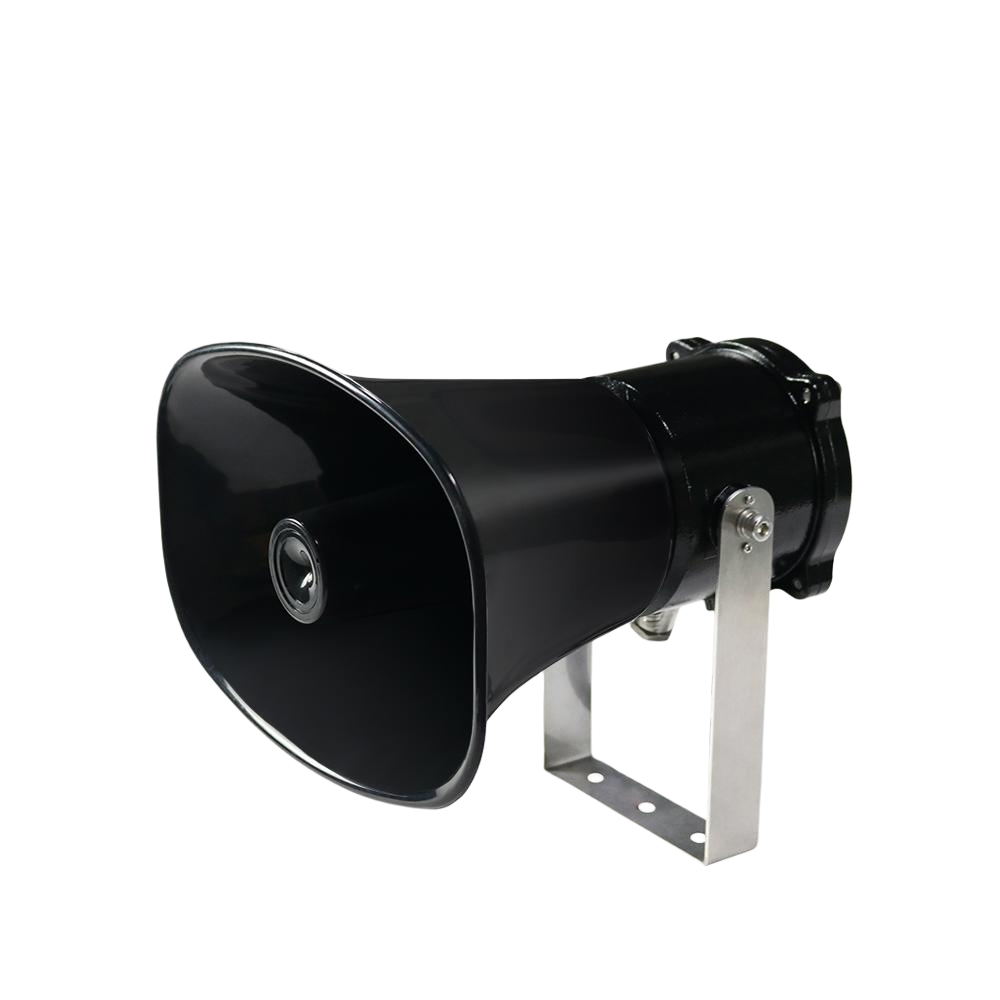
Modern industrial operations—spanning smart factories, power plants, and transportation hubs—require communication networks that can grow with demand. IP-based systems excel in large networks because they integrate easily with other systems like public address (PA), CCTV, and access control.
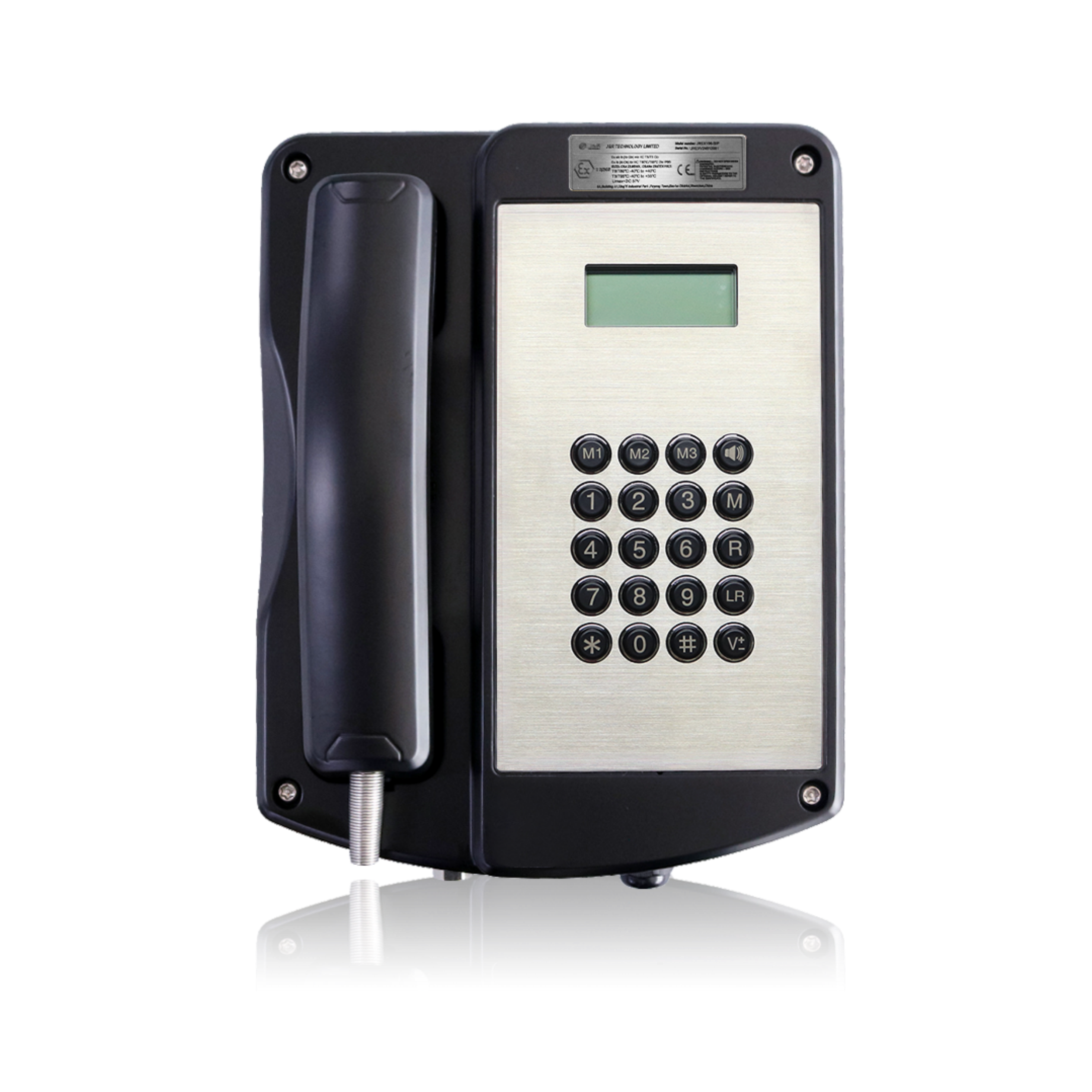
In smart manufacturing, IP-based communication ensures that operators, engineers, and safety managers stay connected across vast areas. For example, an IP telephone in a production hall can automatically link to the control center, maintenance department, or even an external monitoring server—all through the same network.
This interconnected ecosystem supports automation, remote diagnostics, and IoT-based decision-making, providing complete visibility of industrial performance.
Security and Scalability
Security is another major advantage of IP-based systems. Modern encryption, firewall integration, and user authentication protect sensitive communication from unauthorized access. With centralized monitoring, network administrators can easily detect and isolate security threats in real time.
Scalability is equally important: businesses can add new devices, departments, or even entire facilities without major rewiring. Cloud-based management tools make it possible to configure and update systems remotely, ensuring that operations remain uninterrupted and cost-effective as the network expands.
Future Trends
As Industry 4.0 continues to evolve, IP-based communication systems are becoming the cornerstone of smart manufacturing and connected infrastructure. The convergence of IoT, AI, and edge computing will push these systems beyond voice communication—toward predictive analytics, automated safety responses, and intelligent asset management.
Future IP solutions will also integrate 5G technology to support ultra-low latency and greater mobility. Manufacturers adopting IP-based communication today are effectively future-proofing their operations for the next wave of digital transformation.
Conclusion
From improving audio clarity to enabling real-time automation, IP-based communication systems are redefining how industries connect and operate. Their flexibility, security, and data-driven capabilities make them the smart backbone of modern industry—ensuring that manufacturers remain agile, connected, and prepared for tomorrow’s challenges.


 Prisons & Correctional Facilities
 Transportation & Underground Infrastructure
 Critical Industrial & Energy Facilities
 Marine & Offshore
 Manufacturing Plant & Public Facilities