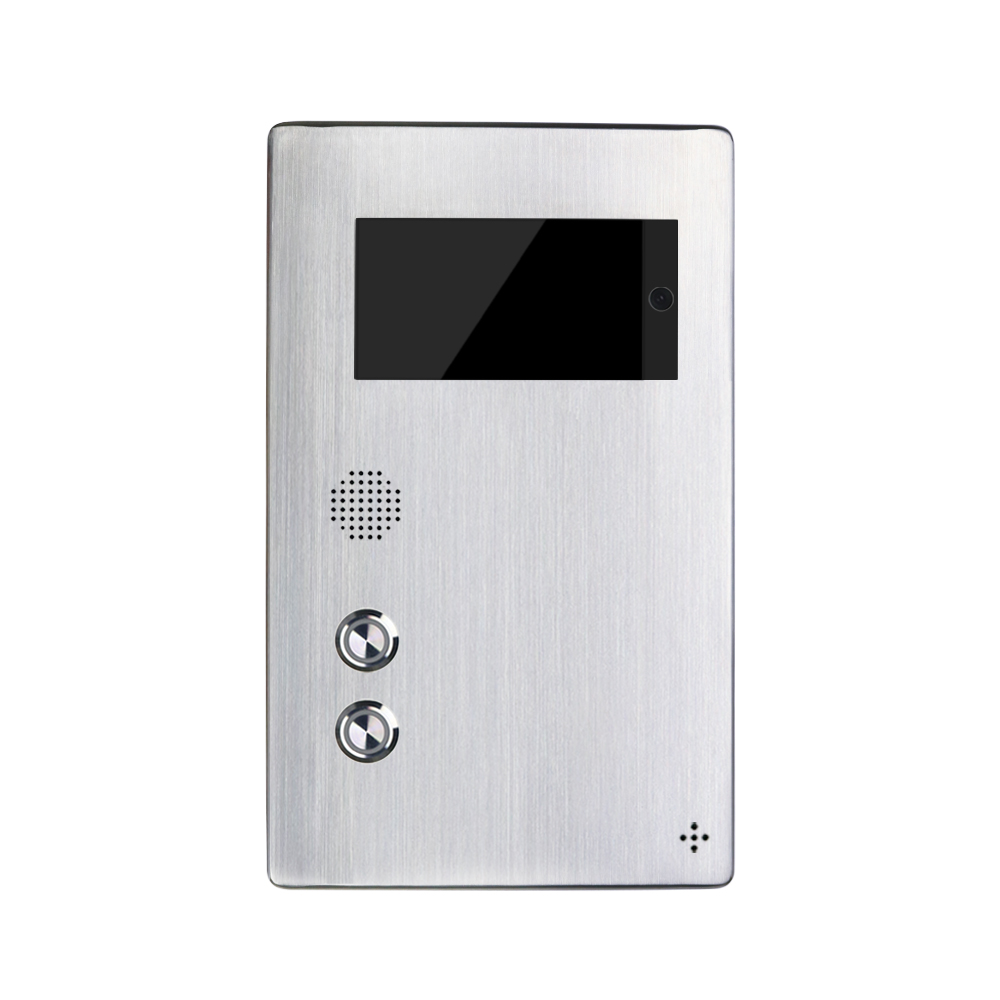
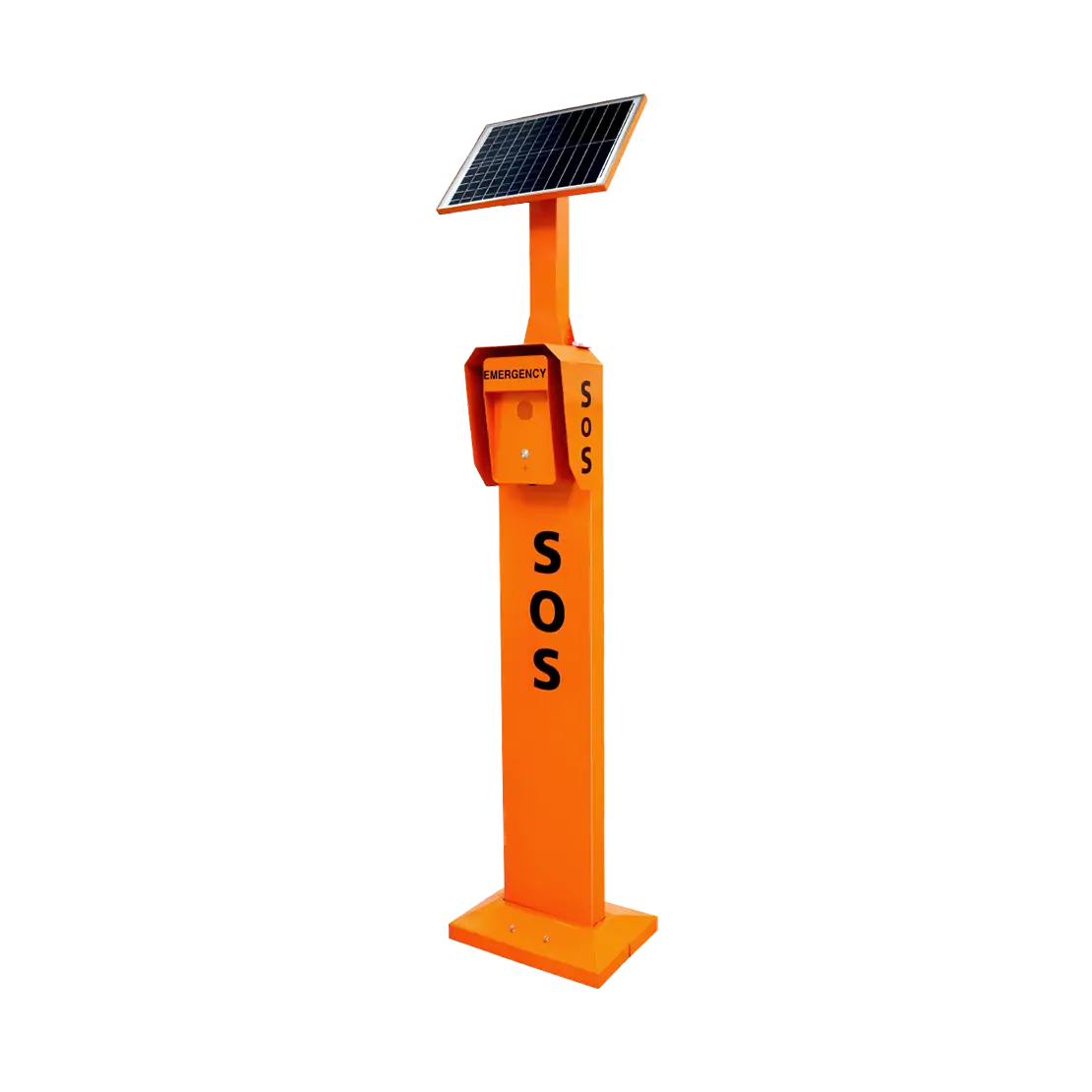
Confused between intercom and PA systems? This breakdown shows which suits your industrial space better. While both intercom and public address (PA) systems serve as communication tools, they fulfill very different purposes. Intercom systems enable two-way communication—ideal for internal coordination, access control, and security in offices, factories, or hazardous environments. PA systems, on the other hand, provide one-way communication, allowing you to broadcast announcements, emergency alerts, or background music across large areas like warehouses or stations. Choosing the right one depends on your facility's size, communication flow, and safety needs. Modern solutions even combine both systems into one integrated network, supporting both private conversations and mass notifications. This guide explains their differences, applications, and advantages to help you decide whether an intercom or PA system is best for your operation.
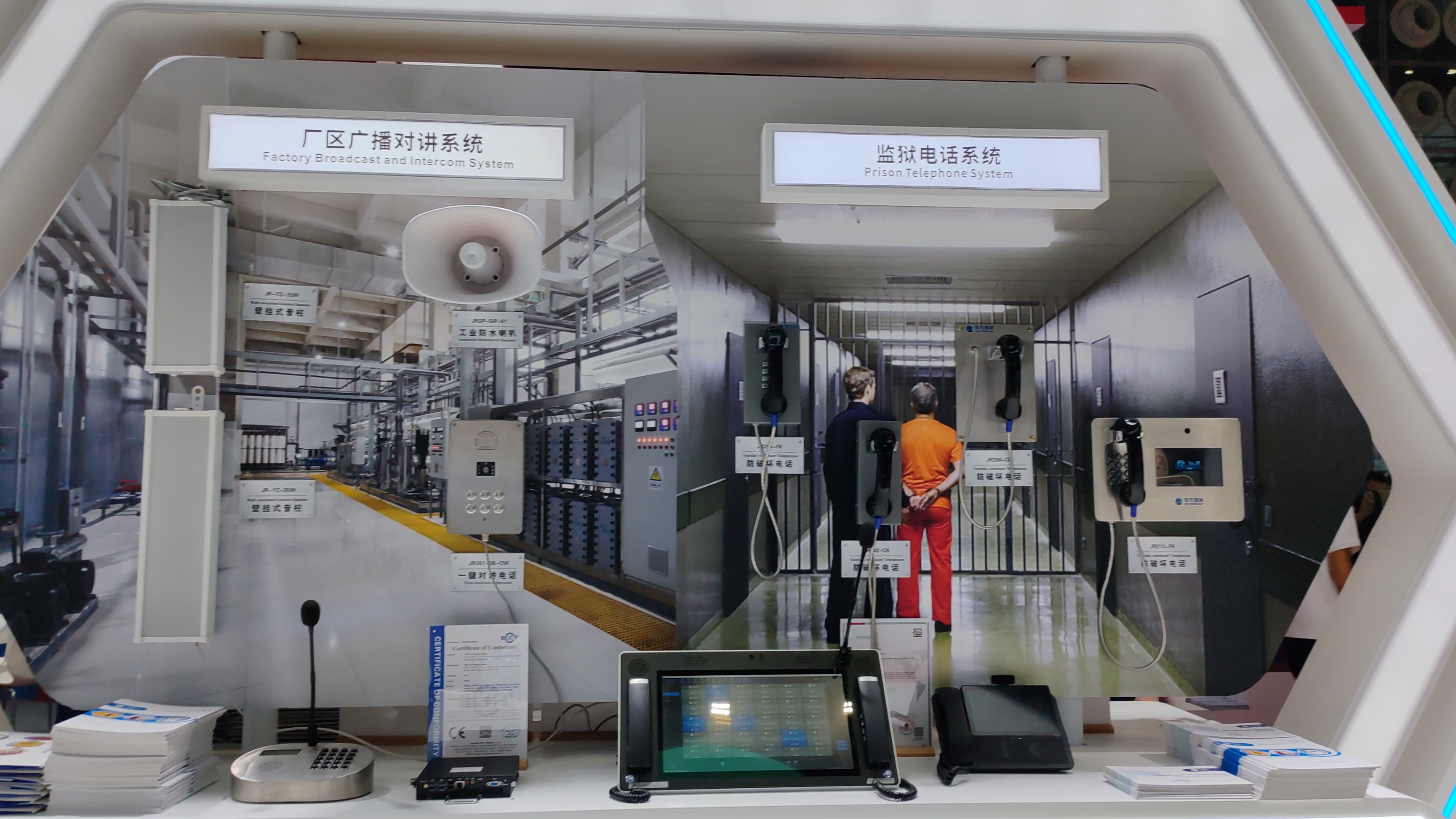
Understanding Intercom and PA
Both intercoms and public address (PA) systems are essential communication tools for modern facilities—but they're designed with distinct purposes.
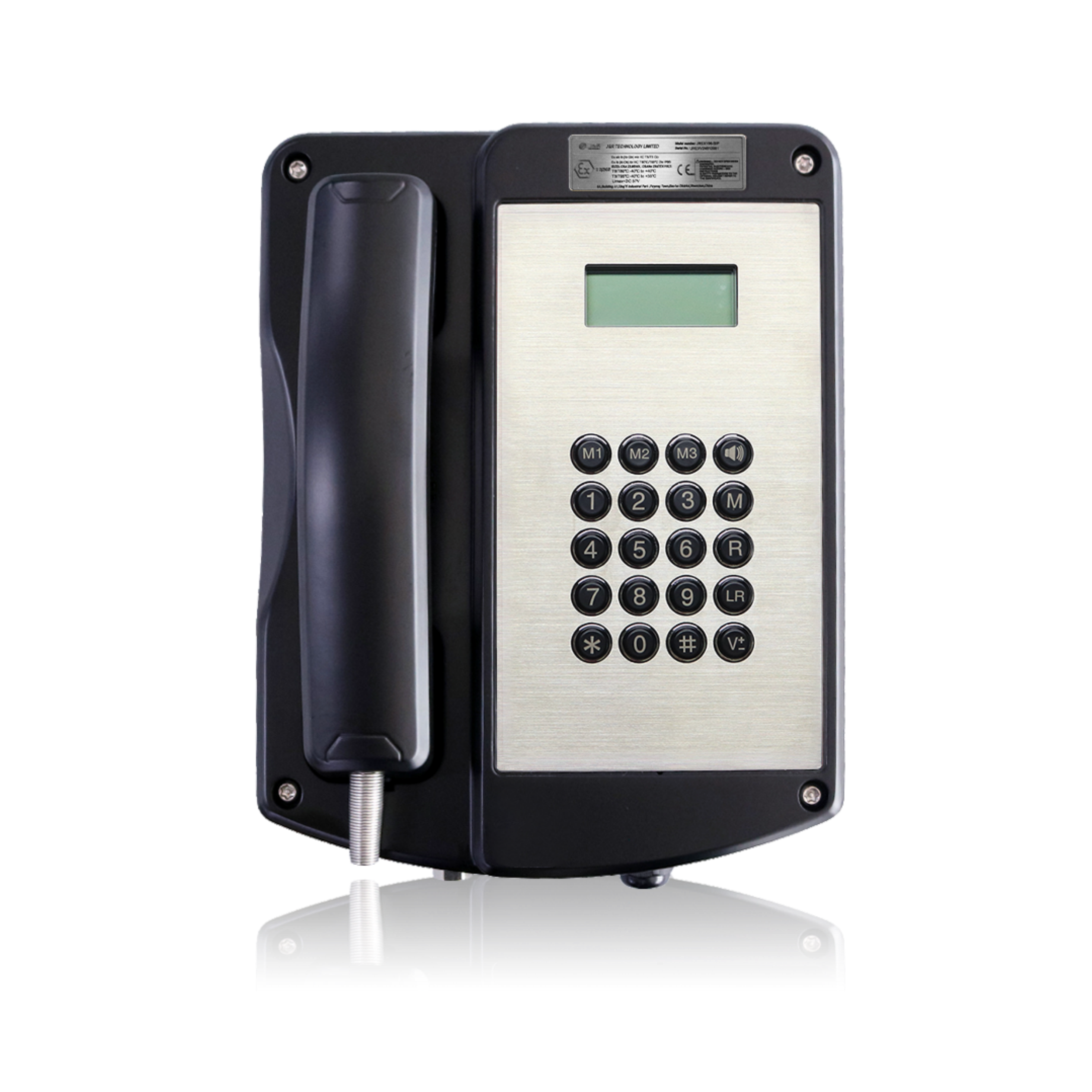
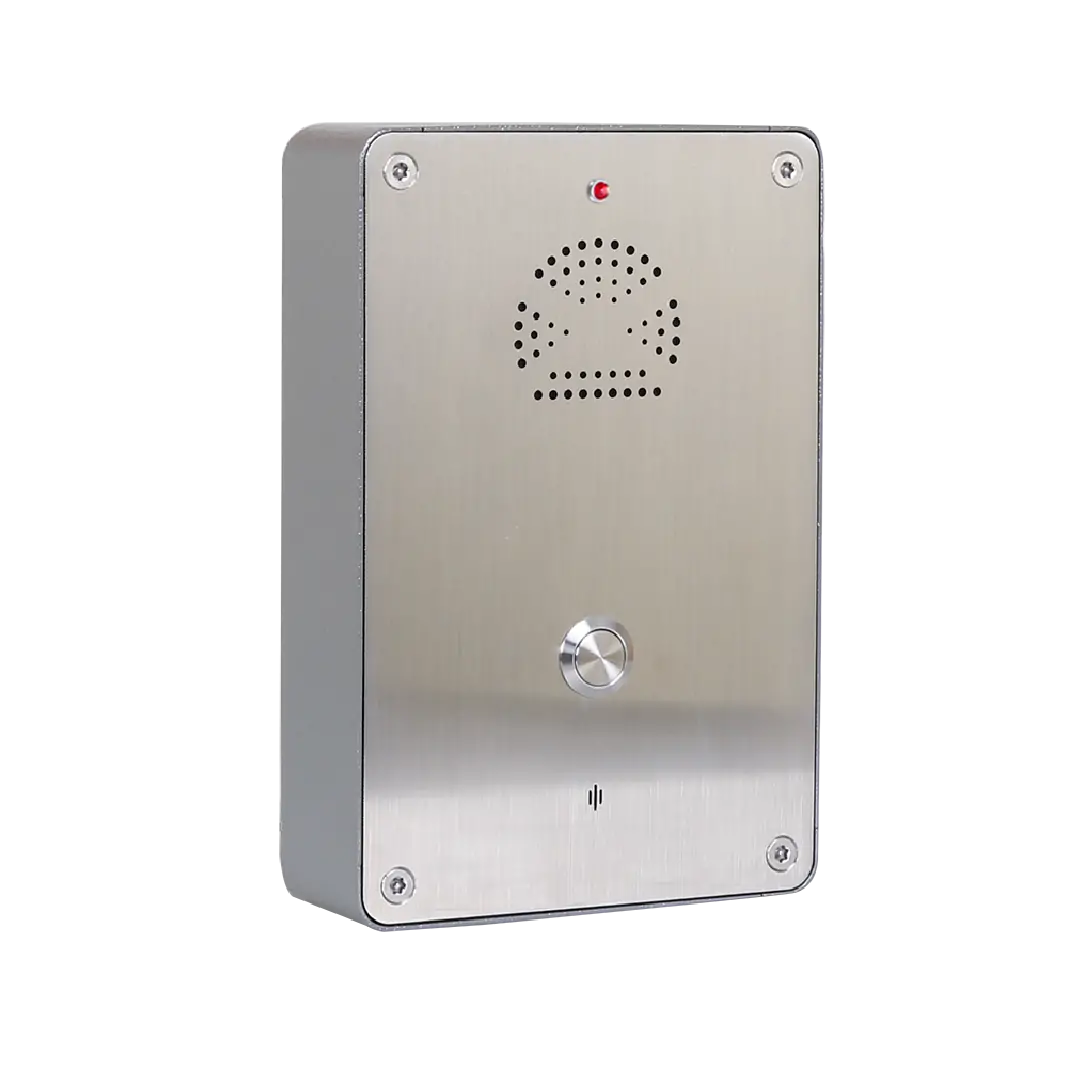
An intercom system is primarily for two-way, real-time communication between specific points. It enables staff to talk directly, often through wired or SIP-based IP devices, ensuring instant coordination and access control. For example, intercoms connect control rooms with gate posts, machine operators, or maintenance zones—providing both security and operational efficiency.
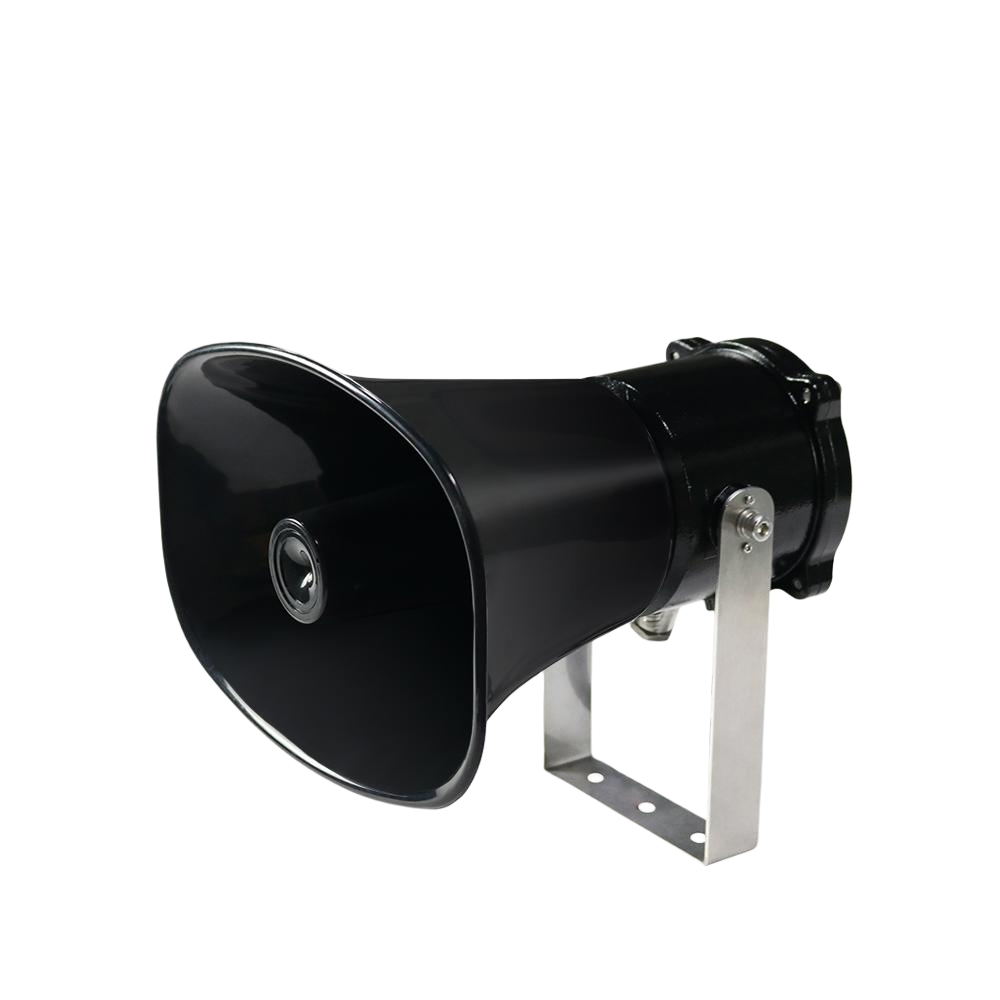
A PA system, however, is built for one-way communication. It amplifies announcements or signals to a large audience, covering zones like production floors, parking lots, or tunnels. With microphones, amplifiers, and loudspeakers, it ensures that messages are heard clearly across wide or noisy spaces.
In short:
Key Differences
Although they appear similar, intercom and PA systems differ in communication direction, purpose, and system design.
| Feature |
Intercom System |
PA System |
| Communication |
Two-way |
One-way |
| Function |
Real-time talk between two or more endpoints |
Broadcast to many listeners |
| Hardware |
Intercom stations, microphones, network cabling |
Amplifiers, loudspeakers, control units |
| Purpose |
Security, coordination, emergency access |
Mass notification, announcements |
| Ideal Environment |
Offices, factories, hazardous sites |
Warehouses, transport hubs, stadiums |
An intercom system is often connected to door access systems and IP networks, enabling direct call or video verification. A PA system, meanwhile, focuses on coverage and clarity, ensuring everyone hears messages simultaneously.
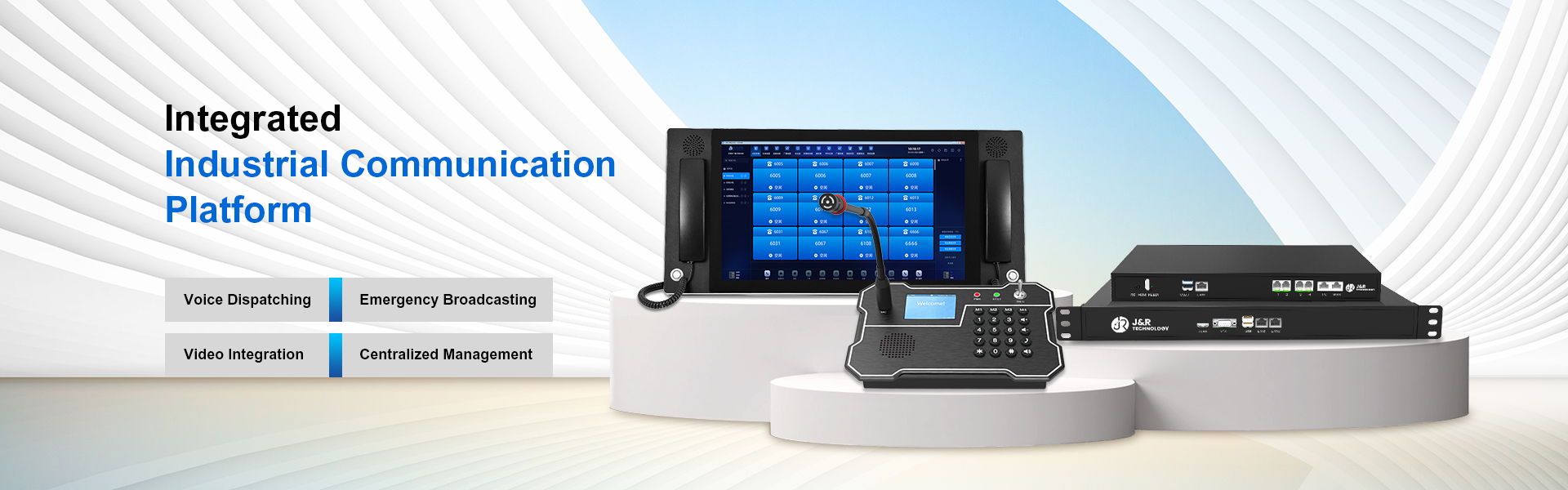
Modern industrial communication systems often integrate both functions—allowing facilities to page announcements through PA and hold private intercom calls using the same infrastructure.
Pros and Cons of Each
Intercom System
Pros:
-
Enables two-way conversation for fast coordination.
-
Supports SIP and IP integration with VoIP networks.
-
Enhances security by controlling access or verifying identity.
-
Works well for localized or departmental communication.
Cons:
-
Limited reach; not ideal for large-scale announcements.
-
May require more endpoints or cabling for wide coverage.
-
Can become complex if integrated with multiple systems.
PA System
Pros:
-
Perfect for wide-area announcements and mass communication.
-
Simple operation—a single microphone can reach hundreds.
-
Effective for emergency alerts or evacuation guidance.
-
Can include zoning, letting operators target specific areas.
Cons:
-
One-way only—no feedback from listeners.
-
Requires amplification tuning to avoid echo or distortion.
-
May lack privacy for confidential communication.
When used together, they complement each other: the intercom handles coordination, while the PA handles broadcasting.
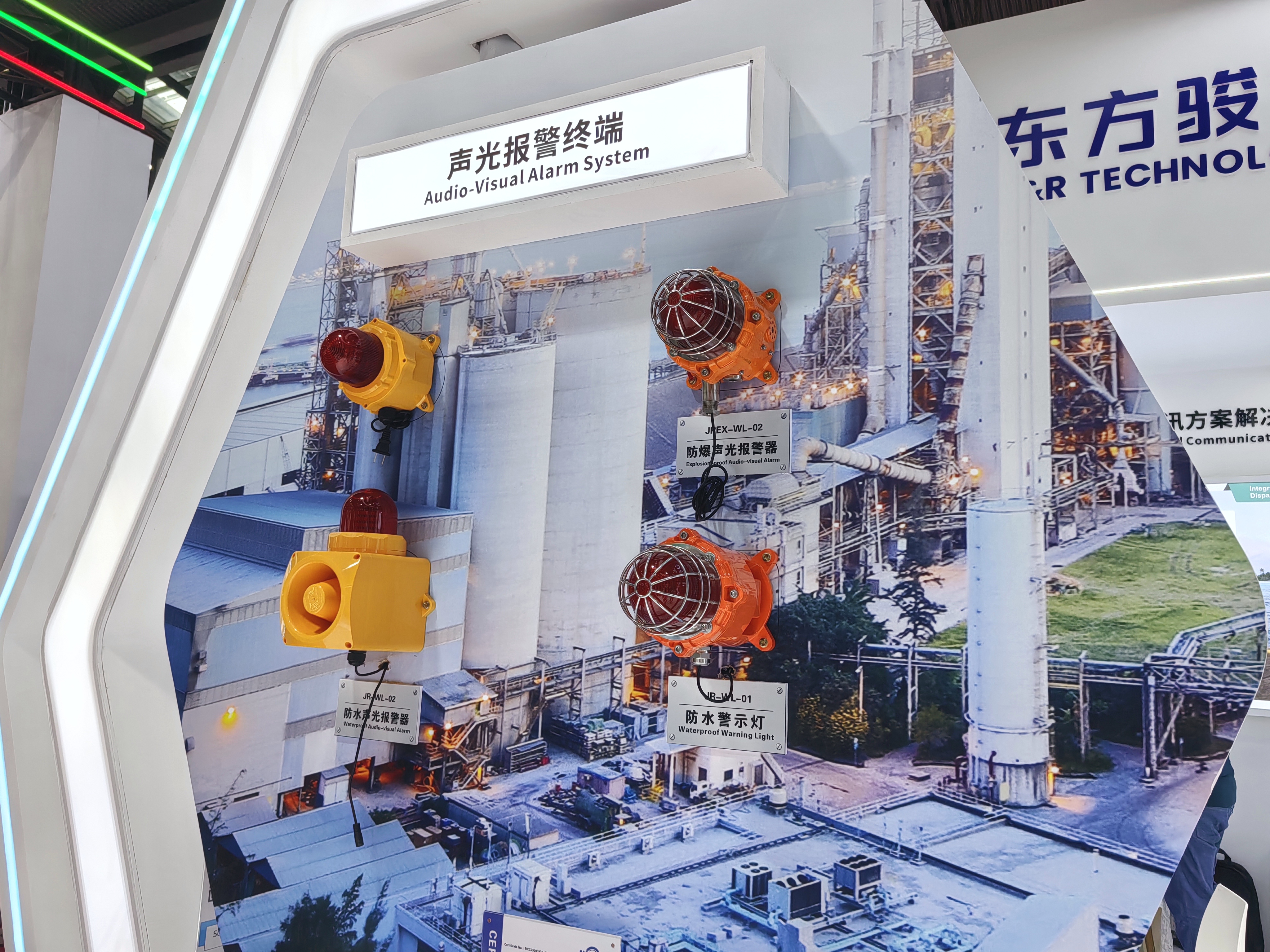
Application Examples
Factories and Industrial Plants
Factories often use intercoms for coordination between production lines or control rooms, ensuring immediate response during technical issues. PA systems handle safety announcements or scheduled alerts across the plant floor.
Tunnels and Transportation Hubs
In tunnels, ports, or railway stations, PA systems broadcast evacuation orders, while intercoms link operators and maintenance staff for two-way emergency communication. These systems must also meet IP67 ratings to resist dust, moisture, and vibration—especially in outdoor or harsh environments.
(Learn more in our related article: [ip67 ratings guide])
Schools and Office Buildings
Intercoms connect classrooms or departments for day-to-day communication. PA systems are used for school-wide messages, fire drills, or music between classes.
Mining Sites
In mining operations, integrated intercom-PA systems support both local voice communication and site-wide alerts. Rugged, explosion-proof models ensure reliability even in high-risk zones.
(See also: [wireless emergency call])
Hospitals and Healthcare Facilities
Hospitals use intercoms for private communication between wards, while PA systems are critical for emergency notifications and code alerts.
Selecting the Right One
Choosing between an intercom and PA system depends on your facility’s communication flow, noise level, and safety requirements.
Ask yourself:
-
Do you need two-way or one-way communication?
-
Are your operations localized or spread across multiple zones?
-
How important is real-time coordination versus mass notification?
-
Does your environment require IP-rated or explosion-proof devices?
If your facility demands instant feedback and secure access control, go with an intercom system. If you need broad, clear announcements for large or noisy spaces, a PA system is more suitable.
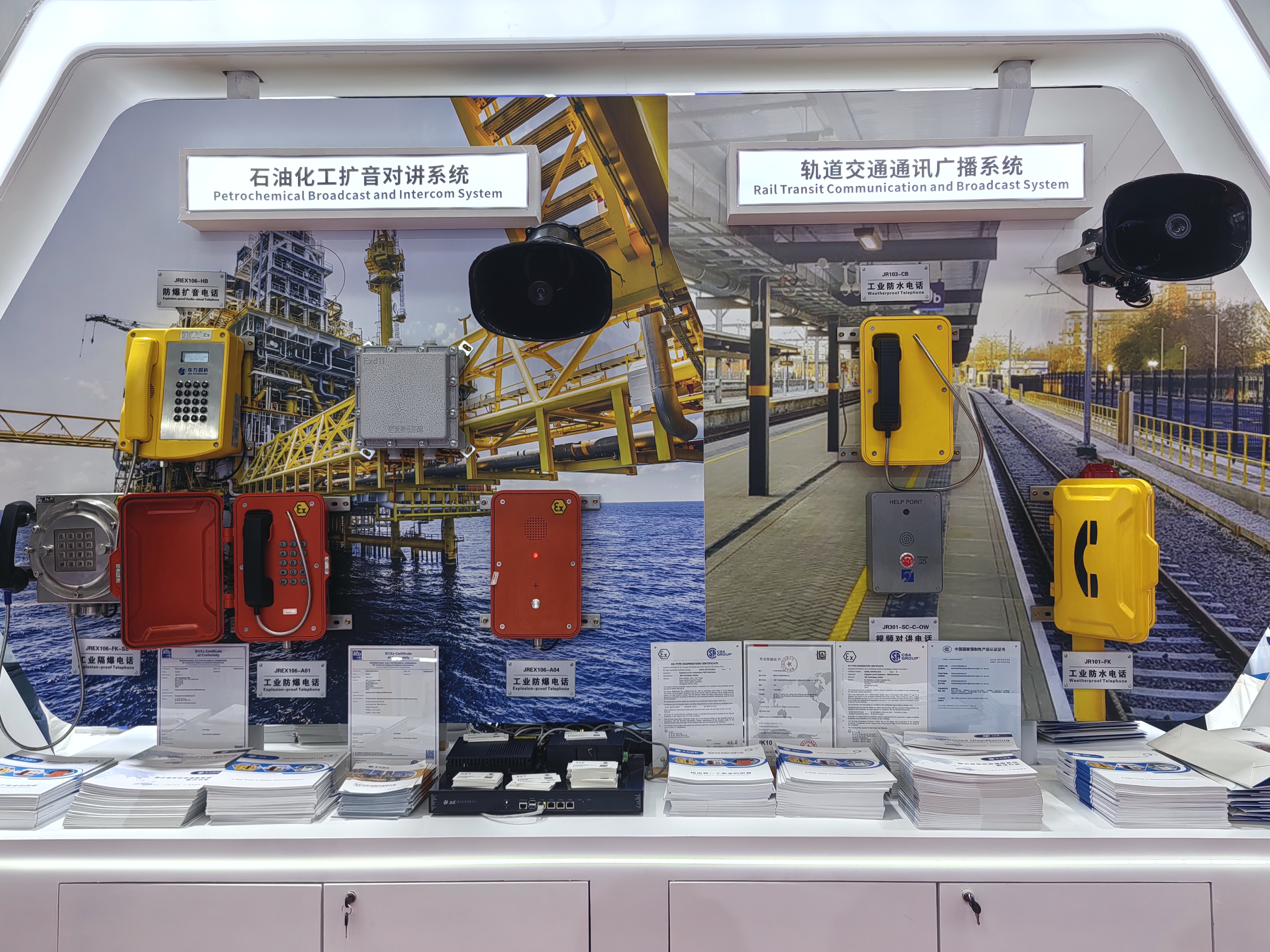
However, most modern industrial sites choose hybrid solutions—combining both for the best of both worlds. Integrated SIP-based communication systems can deliver real-time calls and broadcast messages seamlessly over a unified network, maximizing efficiency and safety.
Final Thoughts
In the debate of intercom vs PA system, there's no one-size-fits-all answer. Each plays a vital role in industrial communication. The key is to evaluate your facility's needs—security, scale, and clarity—to choose the most effective setup.
Whether you're upgrading an old analog network or building a new IP-based infrastructure, integrating both intercom and PA systems ensures better communication, faster response times, and improved operational safety across every zone of your facility.


 Prisons & Correctional Facilities
 Transportation & Underground Infrastructure
 Critical Industrial & Energy Facilities
 Marine & Offshore
 Manufacturing Plant & Public Facilities