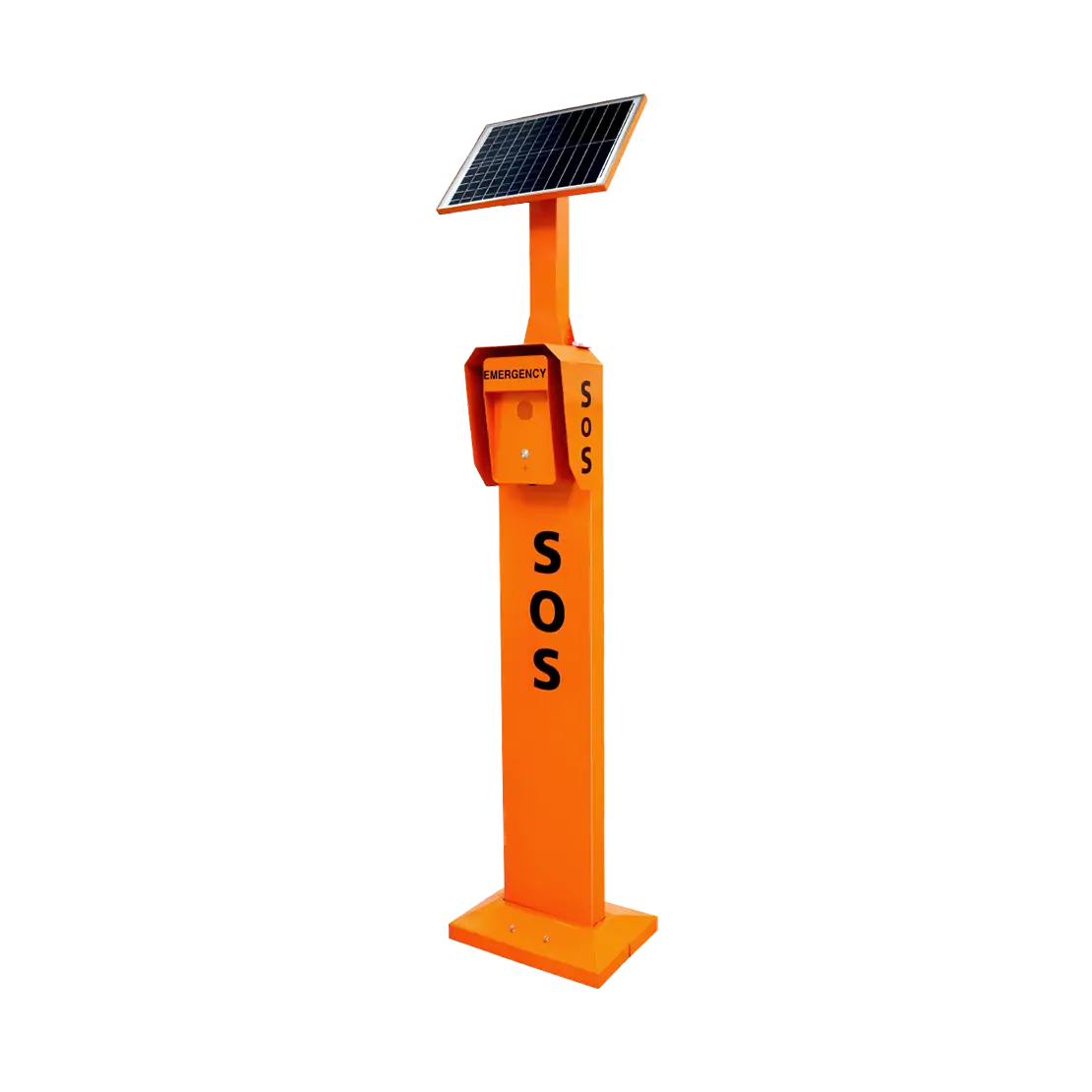
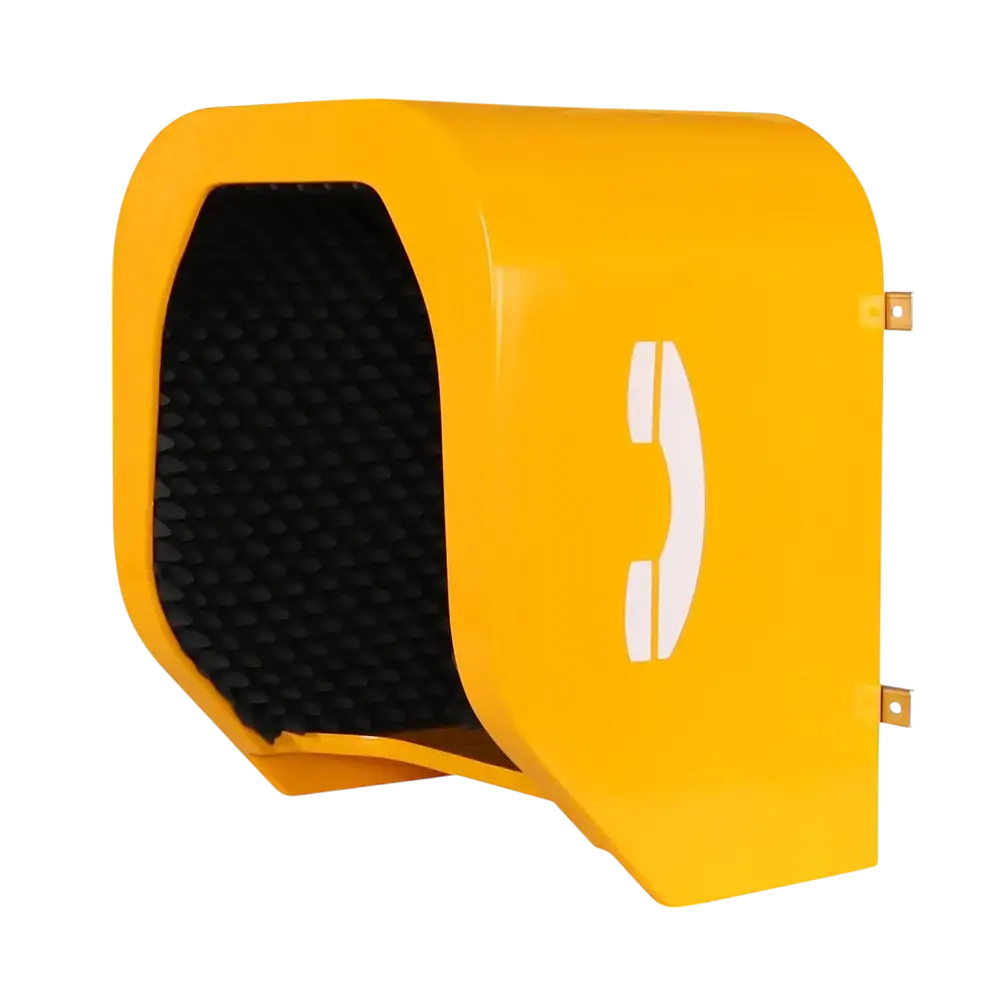
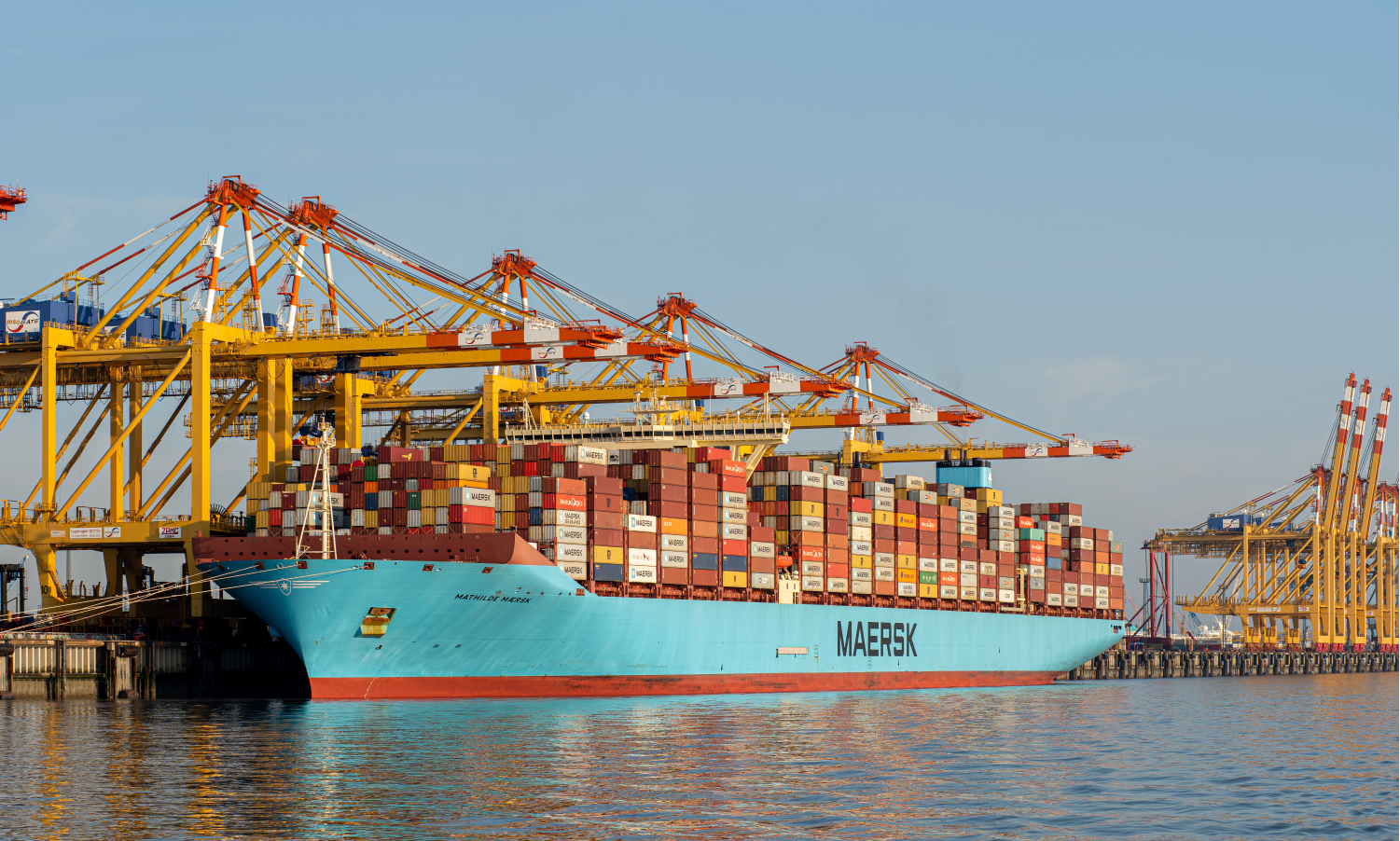
As cities grow larger and denser, the need for reliable and rapid communication during emergencies becomes essential. A wireless emergency call system offers a modern, flexible, and cost-effective solution to enhance urban safety. Unlike traditional wired systems, these wireless setups rely on secure radio or GSM networks, eliminating the need for extensive cabling and making them ideal for deployment in complex urban environments. From blue-light call stations in city centers to panic buttons in university campuses, wireless systems ensure that help is always one button away. Designed for seamless integration with surveillance and public alerting systems, they also support geo-targeted messaging through government networks like FEMA’s IPAWS or WEA. Learn how wireless emergency call systems strengthen community resilience, improve emergency response times, and bring next-generation safety technology to modern smart cities.
Wireless Emergency Systems Overview
A wireless emergency call system is a networked communication platform designed to connect the public directly to emergency responders without the limitations of wired infrastructure. These systems are powered by wireless technology such as GSM, 4G LTE, or Wi-Fi mesh networks, enabling quick deployment and reliable operation even in areas with limited access to electrical or communication lines.
Modern wireless emergency call systems come in multiple forms, including:
-
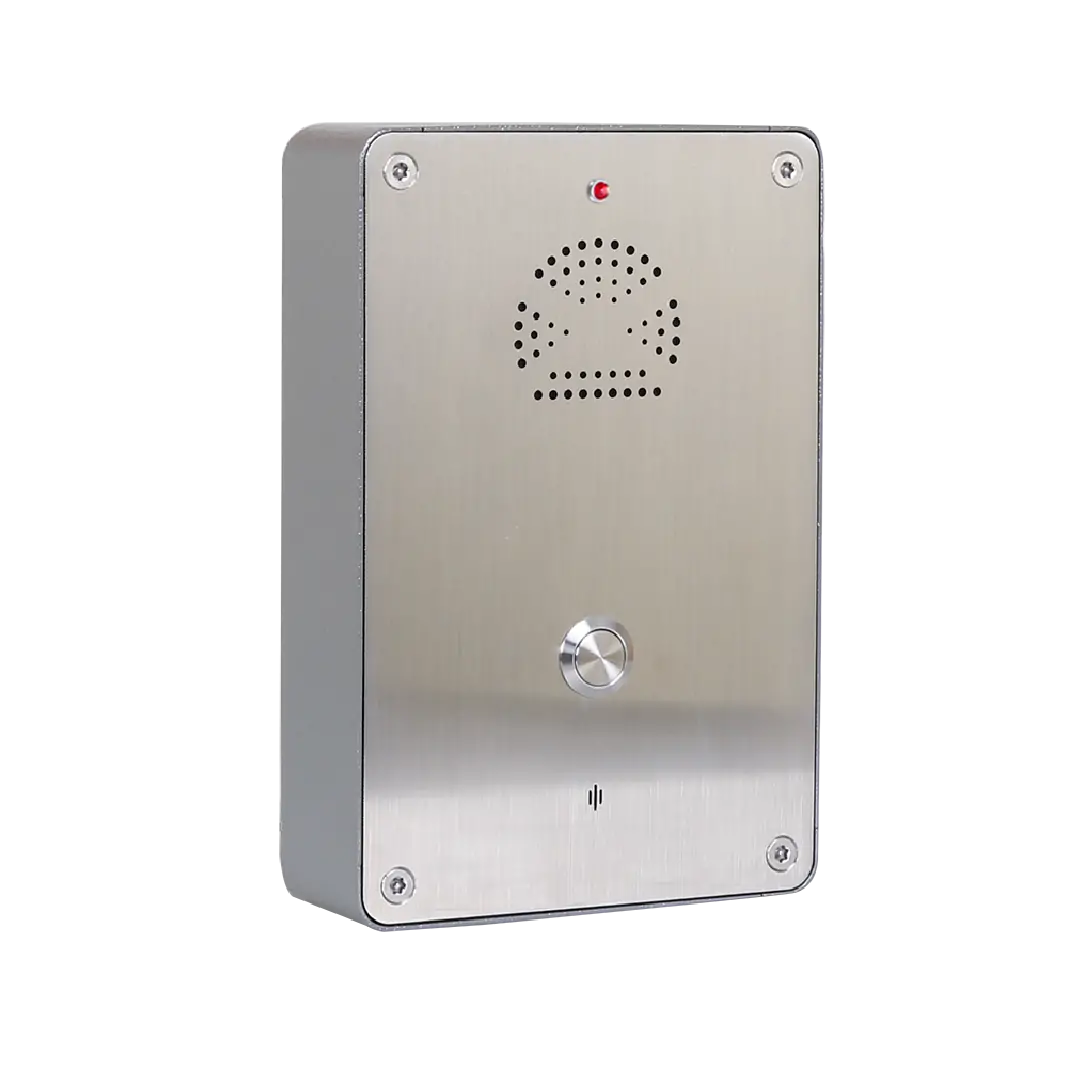
Blue-light call boxes located along streets, parks, and campuses.
-
Wearable panic buttons for individuals at risk or working alone.
-
Smartphone-based emergency applications that send instant alerts with location tracking.
-
Wireless evacuation alert systems for construction sites or temporary public facilities.
By eliminating dependency on physical wiring, these systems allow for faster installation, scalability, and reduced maintenance costs—perfectly suited for urban safety networks where speed and flexibility are key.
Urban Challenges
Urban areas face unique security and communication challenges due to their dense populations, diverse infrastructure, and unpredictable emergency scenarios. When an incident occurs—whether it’s a fire, medical crisis, or act of violence—seconds can make the difference between life and death.
Traditional emergency communication networks, like wired call boxes or fixed-line telephones, often struggle with:
-
High installation costs and complex cabling requirements.
-
Limited coverage in underground stations, parking structures, or isolated areas.
-
Vulnerability to power outages or vandalism.
-
Slow response times when communication links fail or get overloaded.
Wireless systems overcome these barriers by providing redundant, decentralized communication pathways. In smart cities, these systems can even connect to existing IoT (Internet of Things) networks, improving integration with surveillance cameras, public address systems, and city-wide emergency management centers.
Deployment Strategies
The successful implementation of a wireless emergency call system depends on careful planning and alignment with urban infrastructure.
1. Site Assessment and Network Design
Before installation, engineers evaluate key risk zones—transport hubs, parking lots, campuses, and city parks—to determine optimal coverage points. A well-structured network ensures every call station maintains a stable connection to control centers through wireless backhaul or GSM modules.
2. Integration with Existing Systems
Wireless call systems can easily interface with school intercom safety networks, enabling emergency alerts to broadcast across campus or municipal communication grids. Integration with Smart911 or FEMA’s IPAWS allows emergency operators to access caller profiles or deliver geo-targeted warnings to mobile devices nearby.
3. Renewable Energy and Sustainability
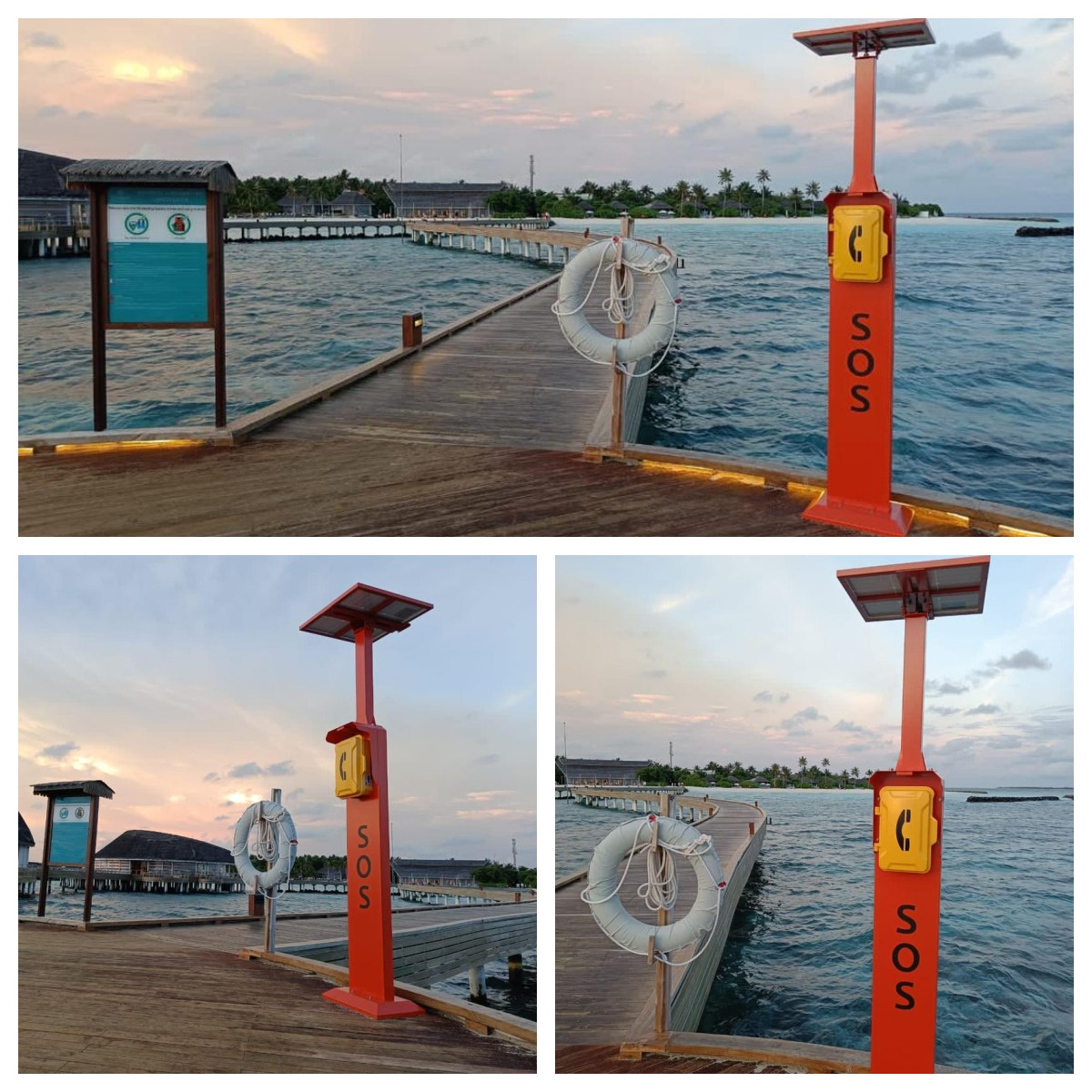
Many modern wireless systems are solar-powered, reducing energy costs and enabling off-grid operation during blackouts. These solutions not only enhance resilience but also contribute to environmental sustainability goals for modern cities.
4. Regulatory Compliance and Certification
All equipment used in public installations should comply with global standards such as IP67 waterproofing (see IP67 meaning) to ensure durability under rain, dust, or extreme weather conditions.
Technical Infrastructure
At the heart of every wireless emergency call system lies a combination of communication technology, power management, and data integration designed for high reliability.
-
Communication Backbone: Systems typically rely on cellular (4G/LTE) or Wi-Fi mesh networks for connectivity, allowing multiple devices to communicate with a central control room or dispatch center.
-
Power Solutions: Units are often powered by solar panels with lithium backup batteries, ensuring continuous operation during grid outages.
-
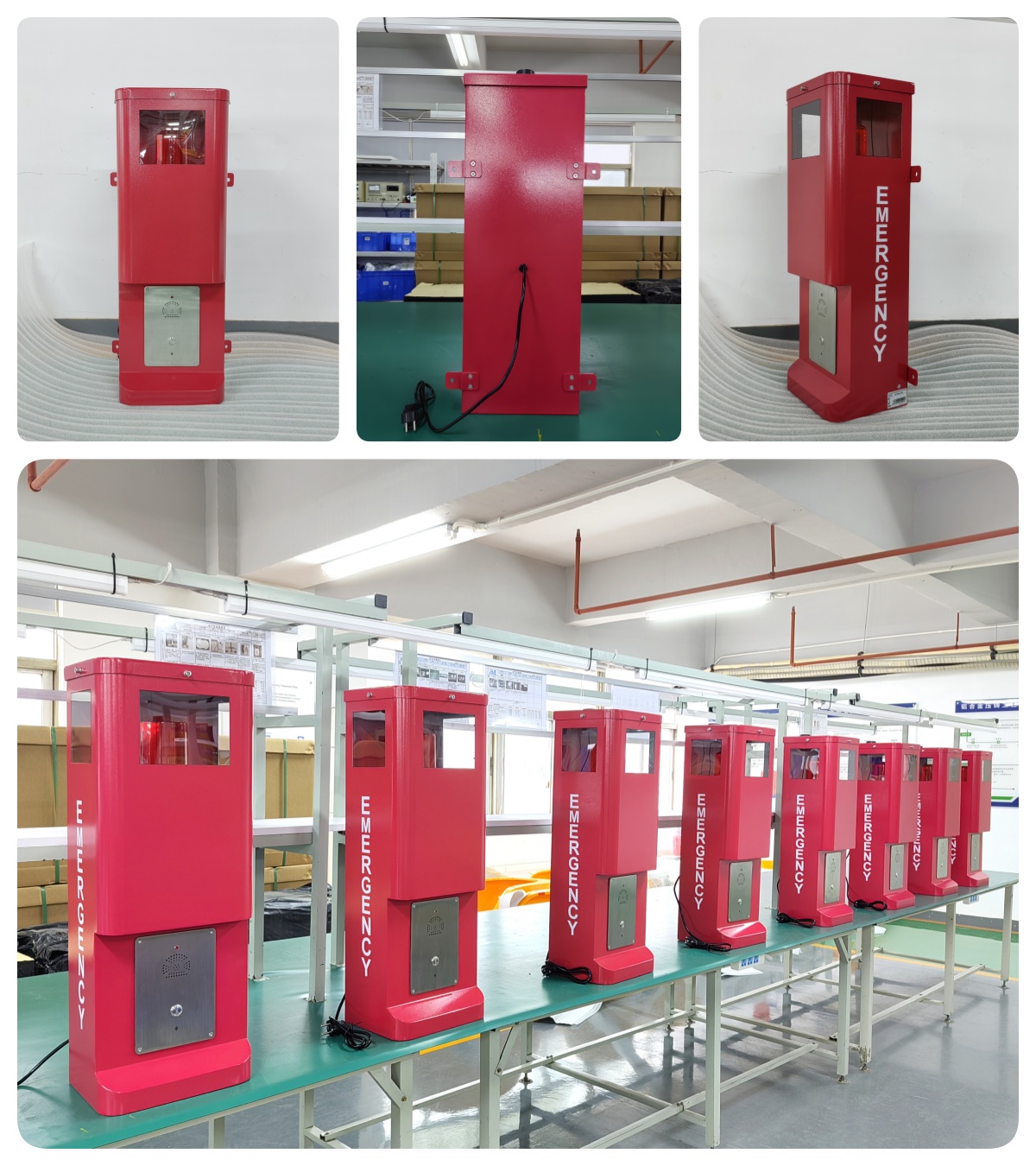
Hardware Design: Enclosures are rugged, weather-resistant, and often IP67-rated for protection against moisture and dust. Some units include built-in HD cameras, microphones, and LED beacons to increase visibility and provide situational awareness.
-
Software Integration: Through advanced platforms, operators can remotely monitor device health, call logs, and battery levels, or perform firmware updates over the air (OTA).
Companies like Knightscope and RCN Technologies have developed wireless emergency call stations that blend smart design with real-time monitoring, proving the effectiveness of these systems in improving urban safety.
Community Impact
The deployment of a wireless emergency call system is more than a technical upgrade—it's a public safety investment that directly benefits communities.
1. Faster Response Times
Wireless communication shortens the gap between distress signals and emergency response. Whether someone is stranded in a parking garage or reporting an assault in a park, a single button can trigger an immediate connection to police, fire, or medical responders.
2. Enhanced Public Confidence
Visible call stations with blue beacon lights provide a sense of safety for citizens, encouraging more public engagement and deterring potential crimes. In schools or transit stations, the integration with school intercom safety systems creates unified and instant emergency communication coverage.
3. Accessibility for All
Many call systems feature hands-free operation, braille labels, and voice prompts to assist individuals with disabilities, ensuring inclusivity across all environments.
4. Sustainability and Urban Resilience
By leveraging renewable energy and wireless connectivity, these systems reduce environmental impact while increasing resilience against infrastructure failures—key principles for smart city development.
Conclusion
From university campuses to downtown intersections, wireless emergency call systems are reshaping how cities manage safety and crisis communication. Their combination of mobility, resilience, and efficiency makes them indispensable for modern urban environments.
As smart cities evolve, adopting these systems ensures real-time connectivity, public reassurance, and environmental sustainability. Whether powered by solar energy, linked through GSM networks, or integrated into intelligent city platforms, they represent the next step toward safer, more responsive, and more connected communities.
At J&R Technology, we continue to innovate and provide rugged, high-performance communication solutions for demanding environments—combining advanced wireless technology with durable design for ultimate reliability.


 Prisons & Correctional Facilities
 Transportation & Underground Infrastructure
 Critical Industrial & Energy Facilities
 Marine & Offshore
 Manufacturing Plant & Public Facilities