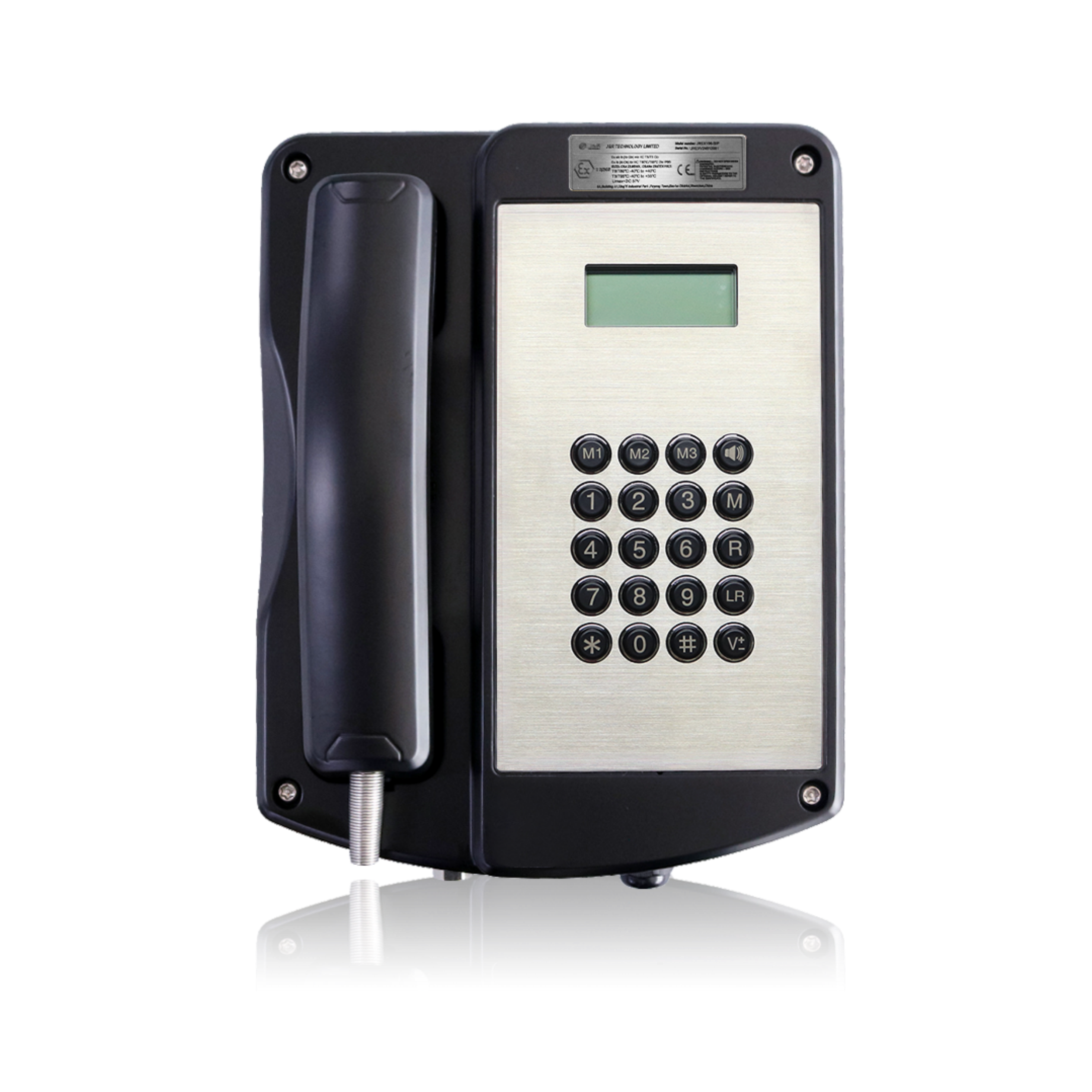
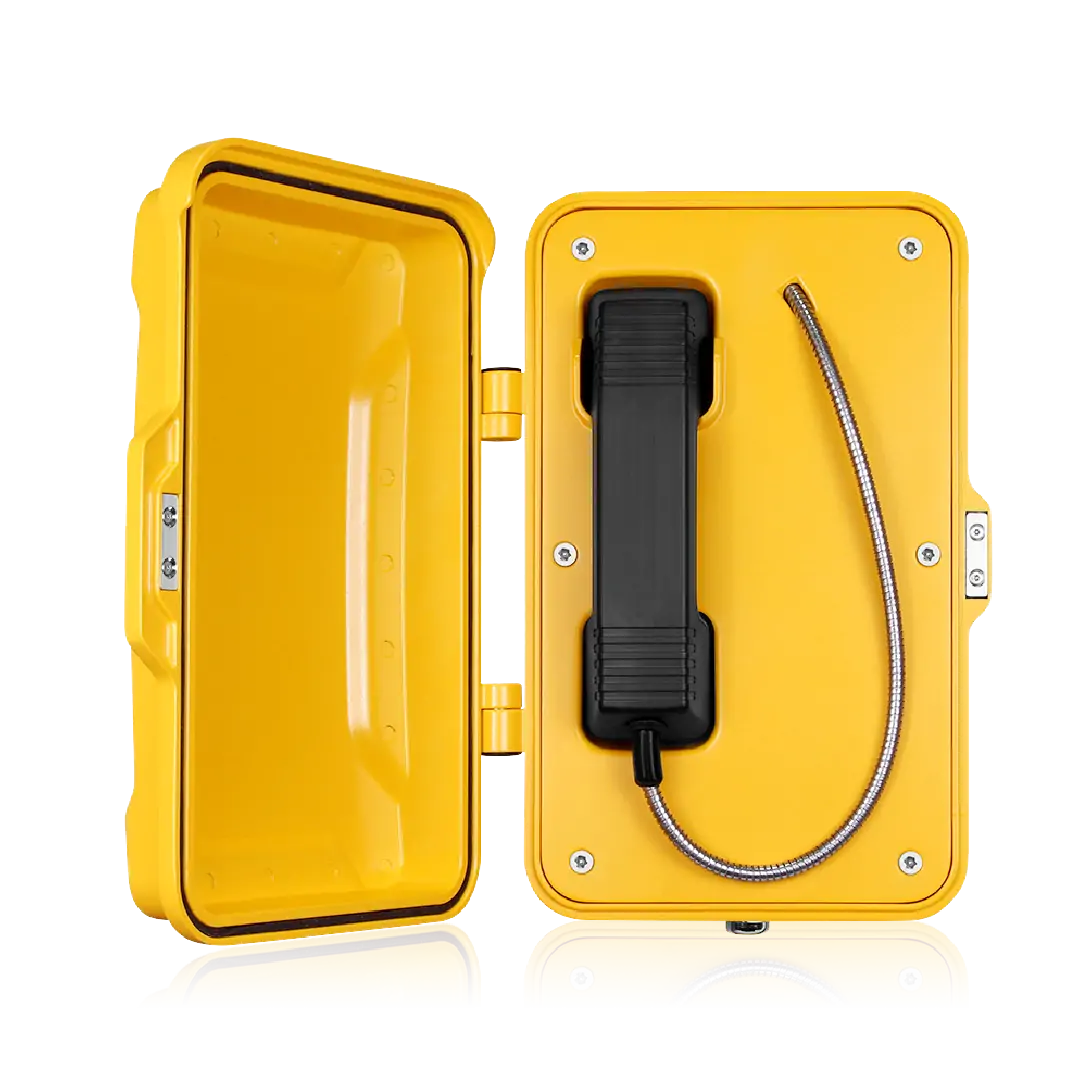
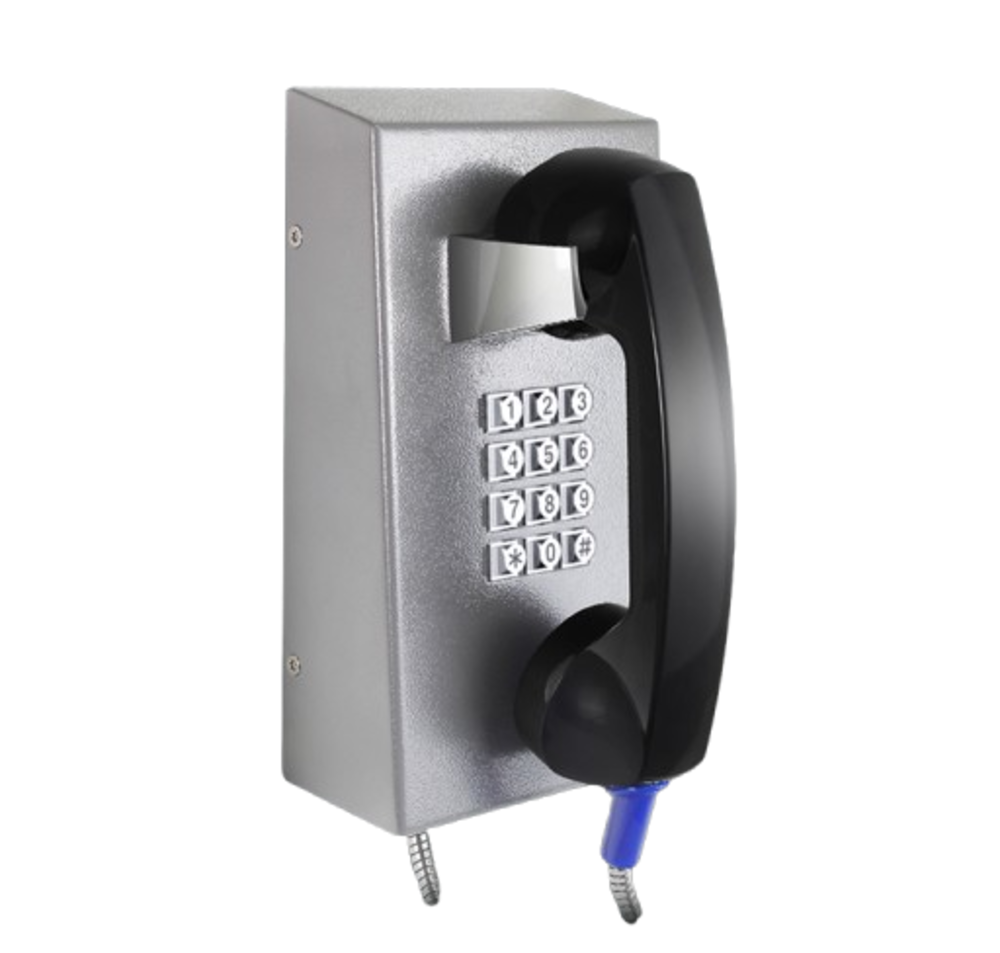
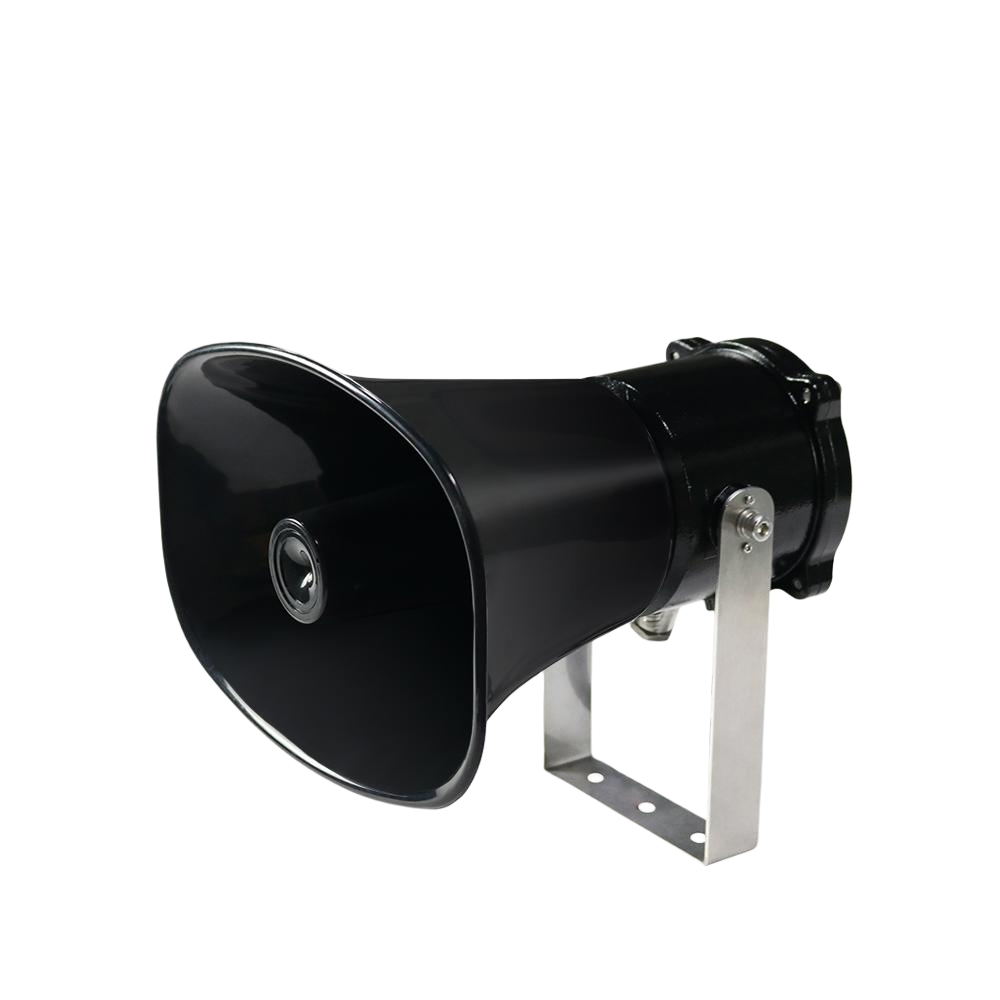
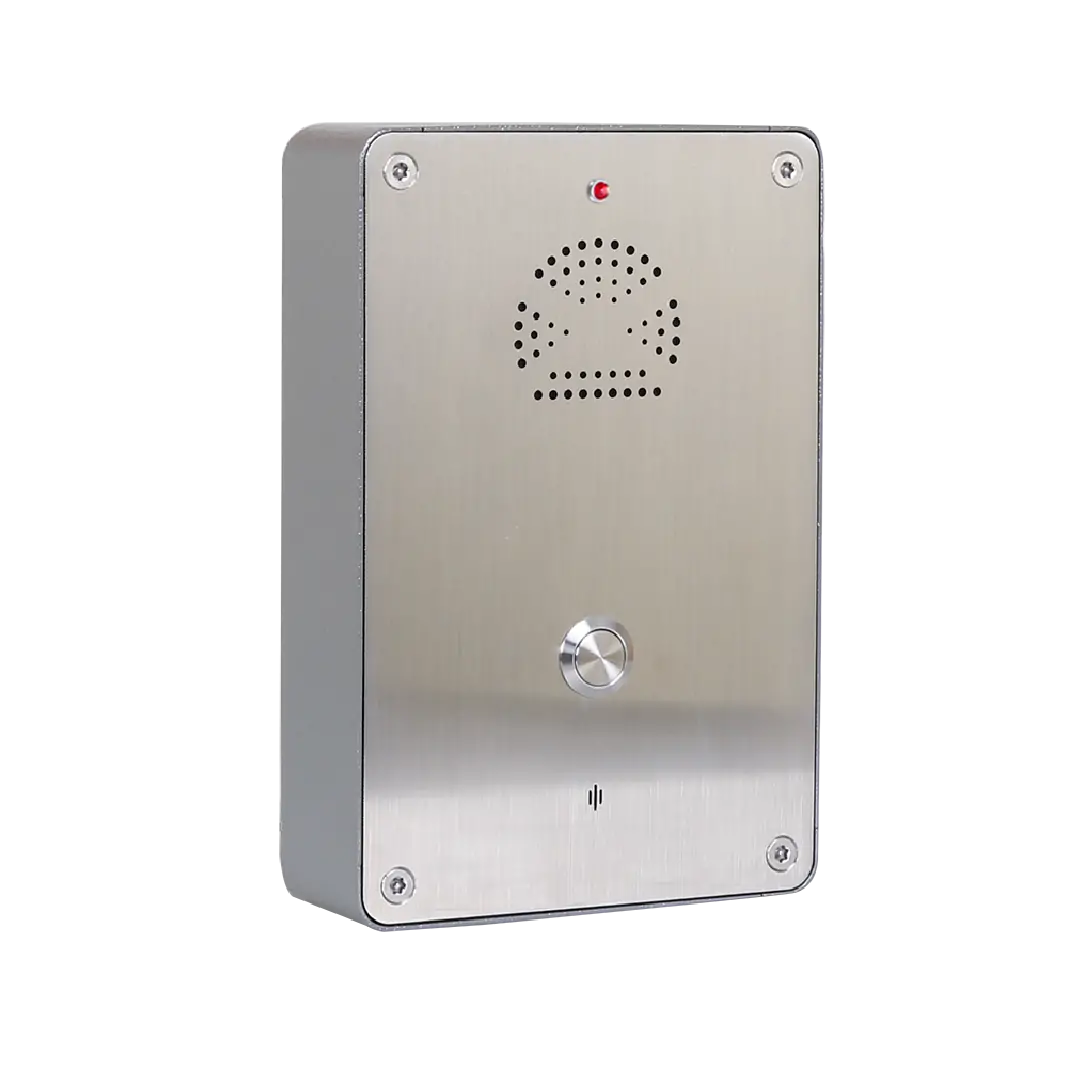
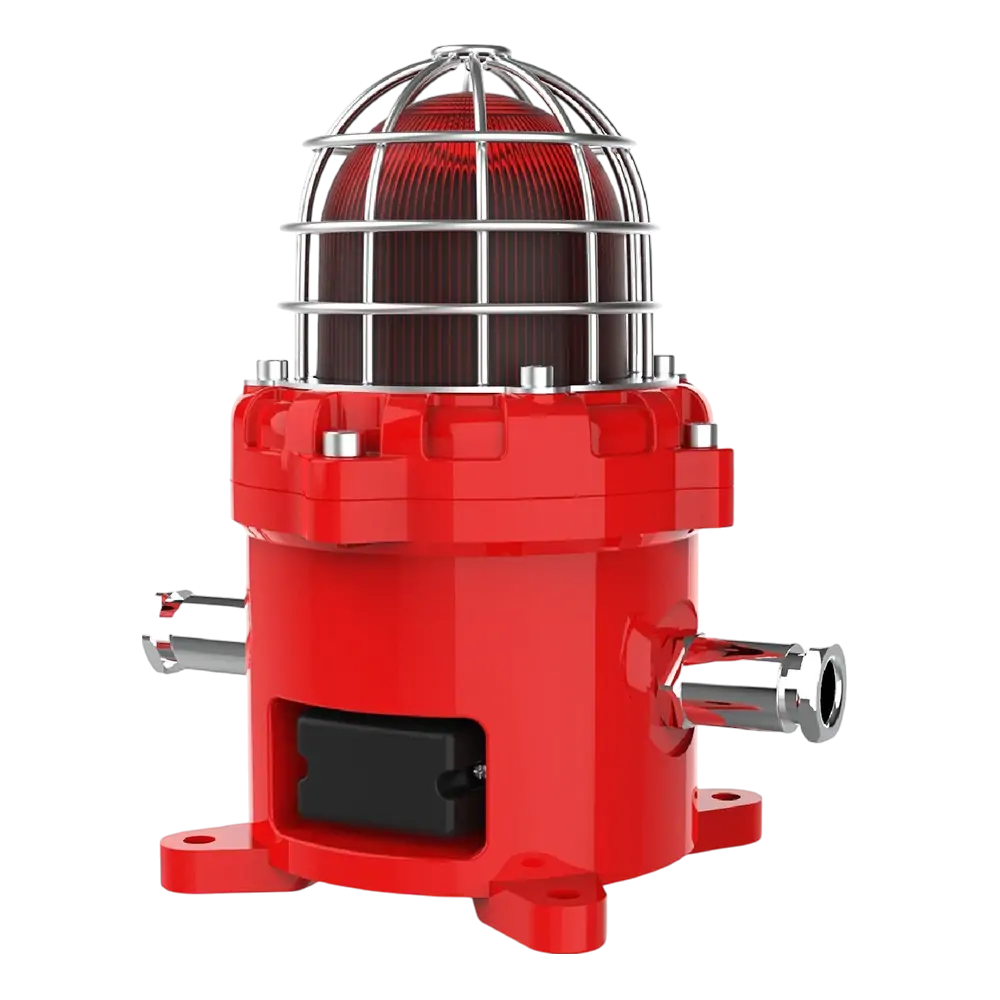
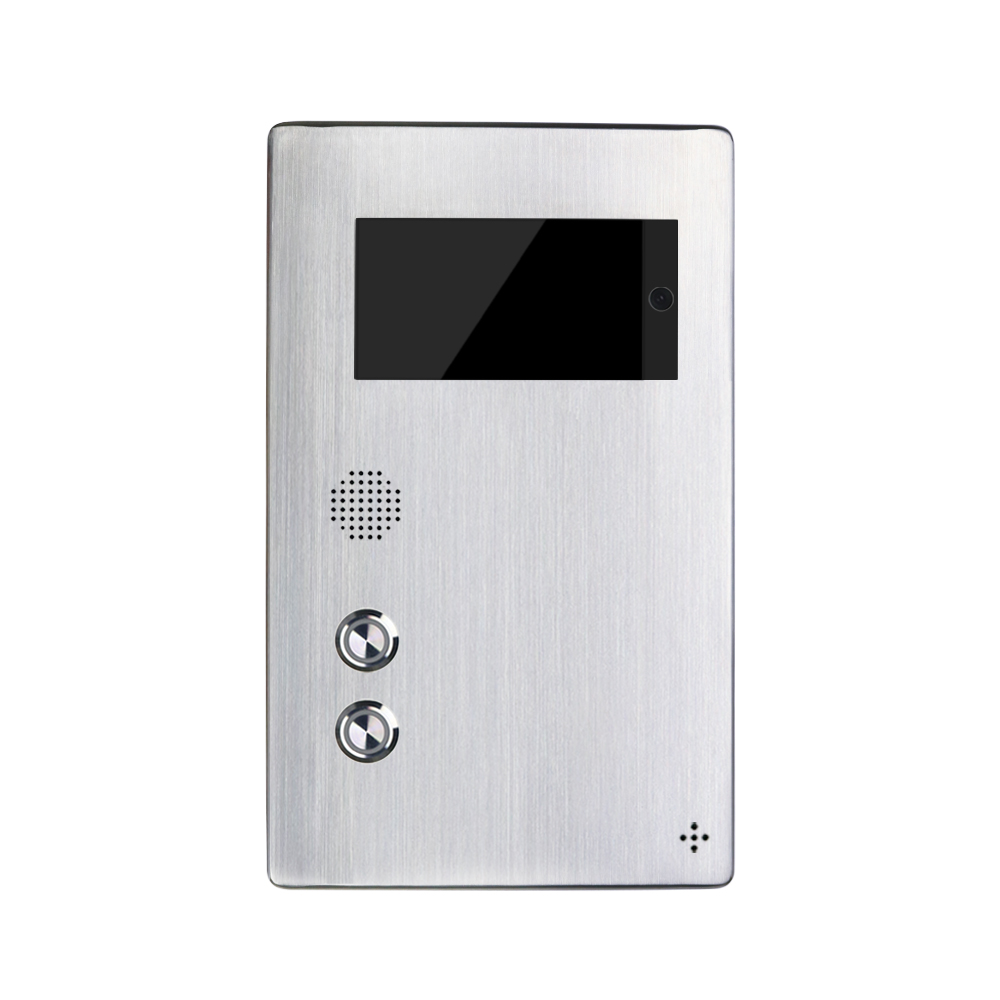
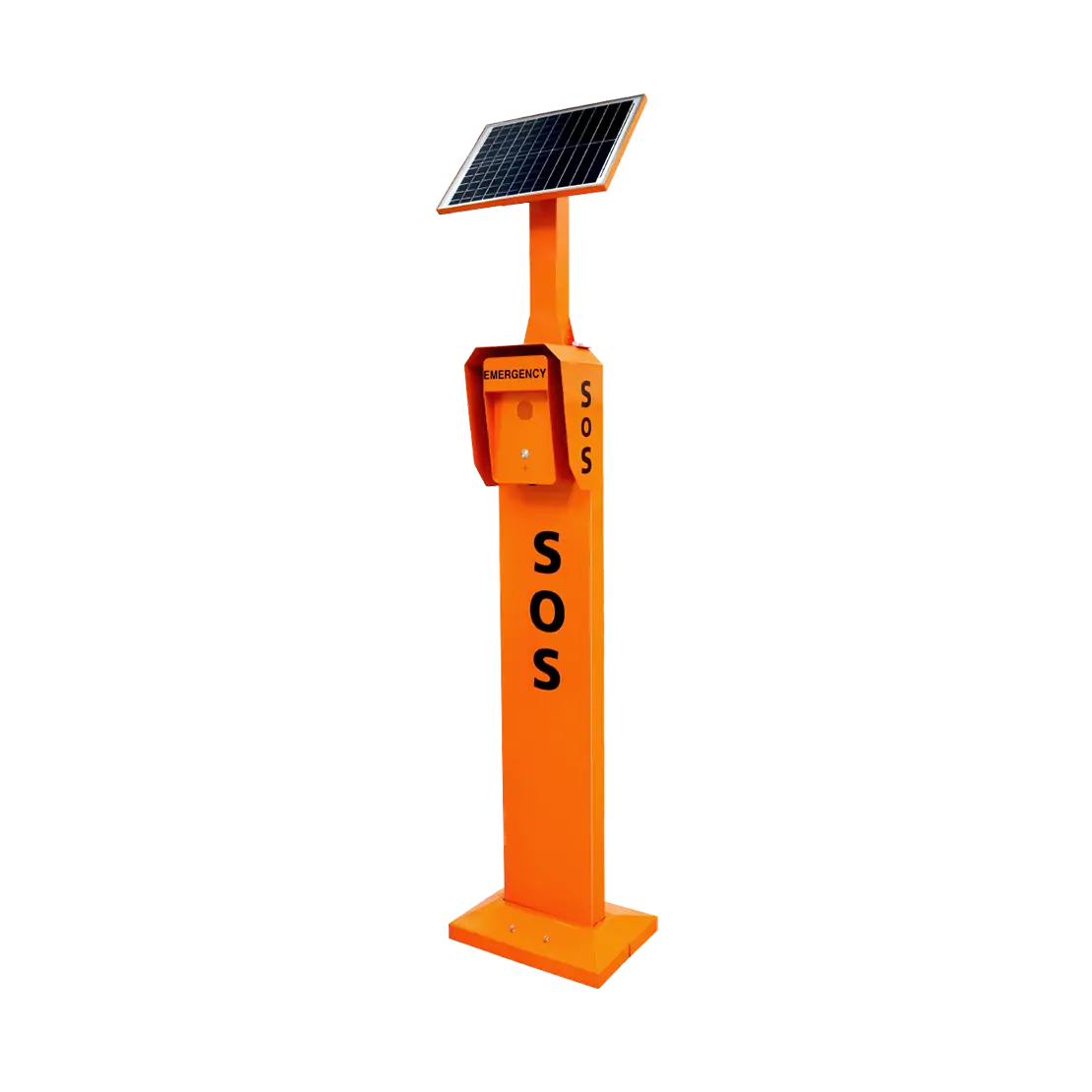
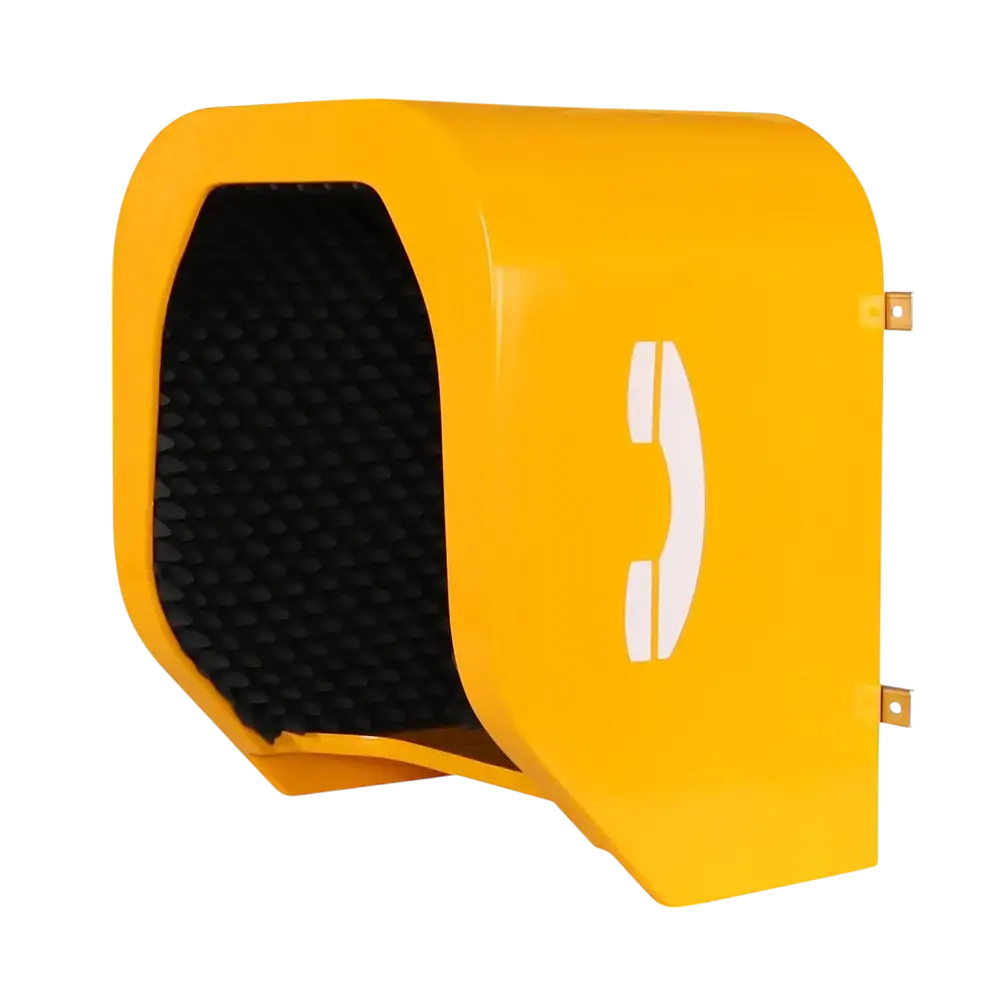
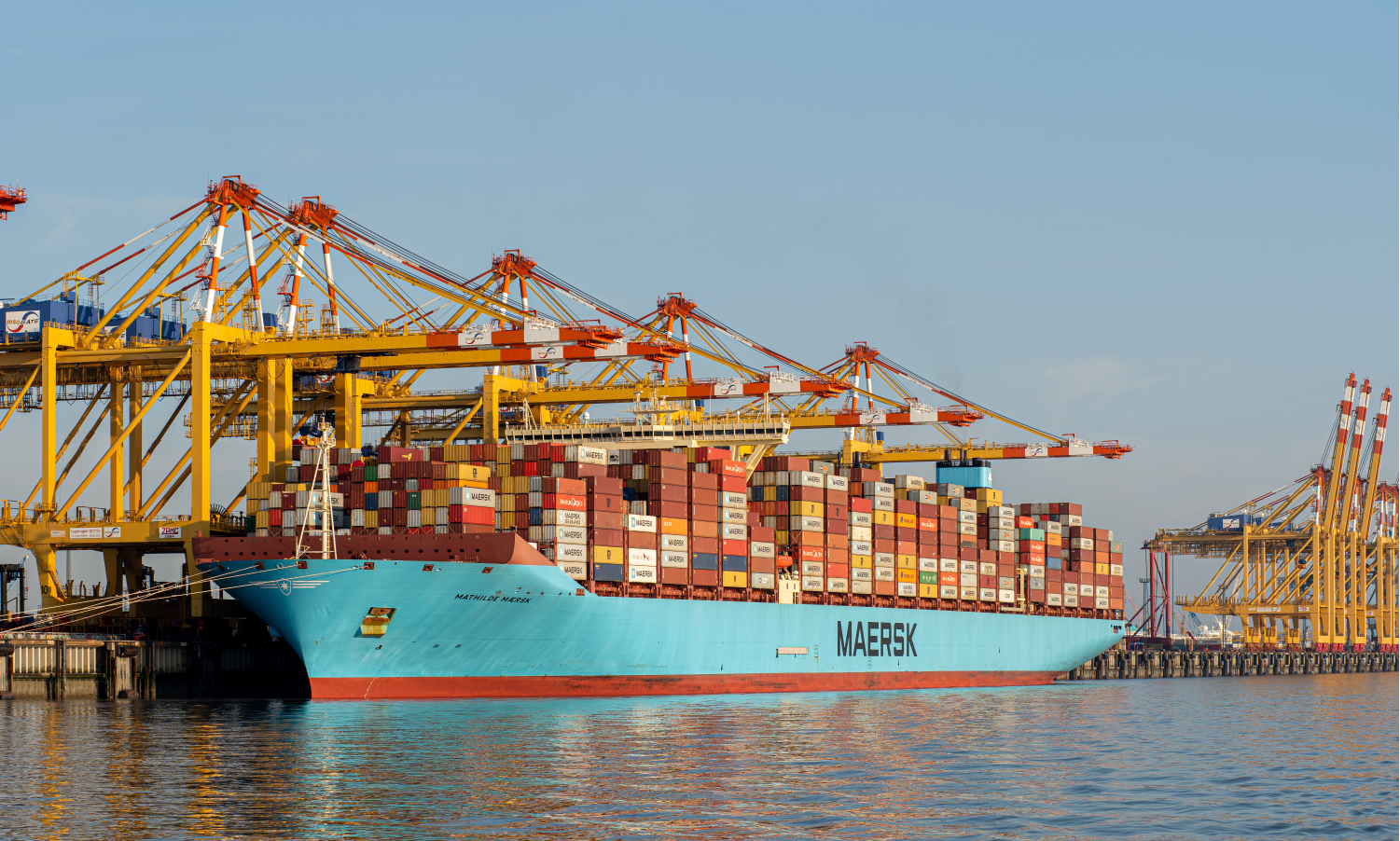
Solar-powered, waterproof telephone poles are transforming highway emergency communication by providing reliable, off-grid connectivity in even the harshest environments. Unlike traditional systems that rely on the electrical grid, these advanced units operate independently using renewable solar energy, ensuring uninterrupted service during blackouts, storms, or accidents.
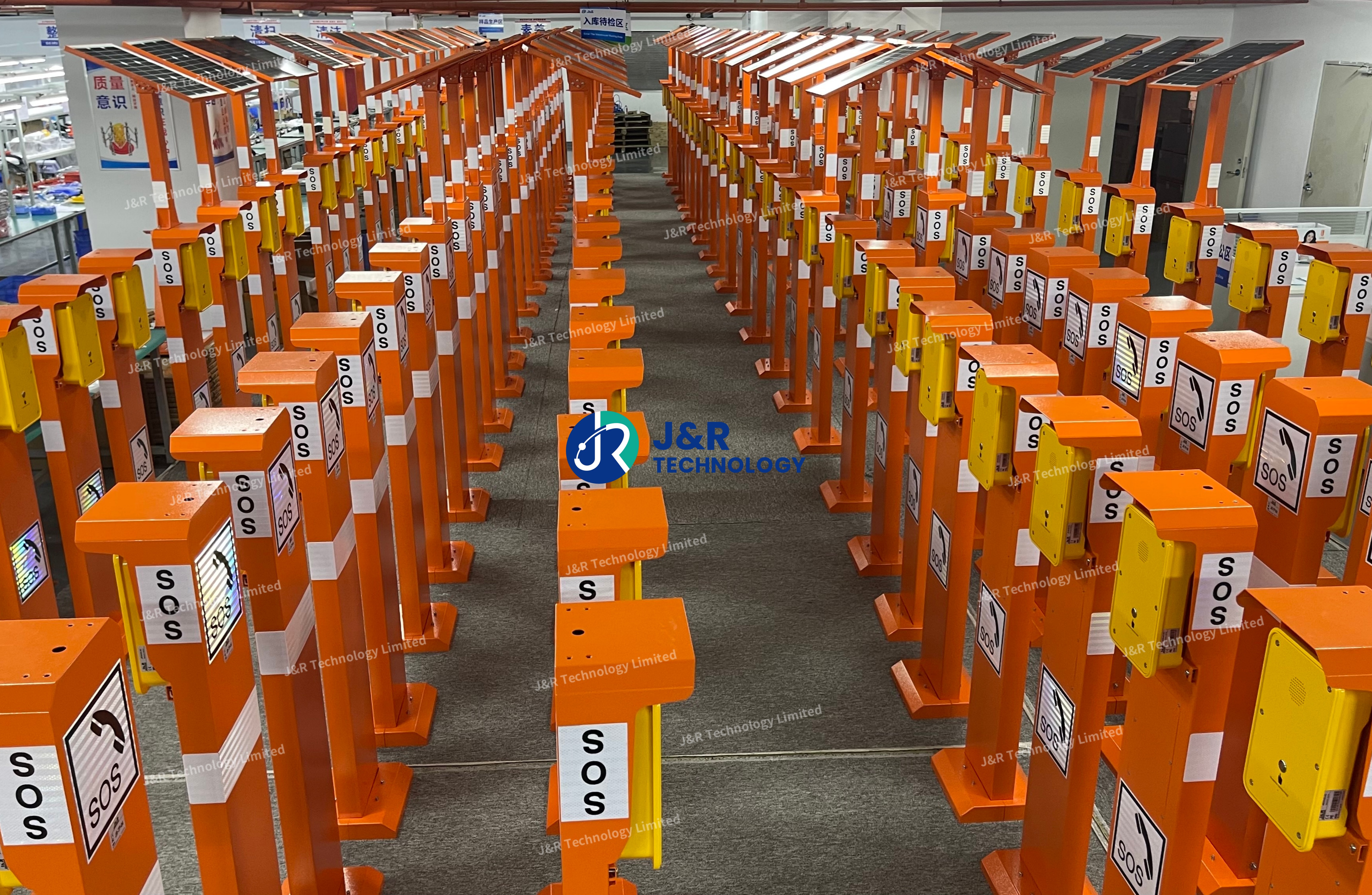
Designed with IP67-rated waterproof housings, they can withstand rain, dust, and extreme temperatures while maintaining clear communication links between motorists and emergency responders. Their wireless, low-maintenance setup reduces installation costs and enables deployment in remote or hard-to-reach areas where traditional cabling is impractical. Additionally, many models feature integrated blue beacon lights, cameras, and GSM or VoIP connectivity for enhanced visibility and functionality. Learn how solar-powered waterproof telephone poles ensure safer highways, faster emergency response, and sustainable infrastructure for the next generation of road networks.
What Are the Challenges in Highway Emergency Communication?
Highways are critical lifelines for transportation, logistics, and daily commuting. However, when accidents or breakdowns occur—especially in remote stretches—communication delays can quickly become life-threatening.
Traditional emergency call systems rely heavily on grid power and wired telephone lines. In rural or mountainous regions, these systems face multiple challenges:
-
Limited power supply: Outages or damaged power lines can disable communication systems.
-
Environmental exposure: Rain, humidity, dust, and corrosion can affect performance and reliability.
-
Maintenance difficulty: Repairing underground cabling or damaged hardware is time-consuming and costly.
-
Coverage gaps: Large distances between emergency points make full highway coverage impractical.
These issues highlight the need for a resilient, self-sustaining communication solution—one that remains operational even when conventional systems fail.
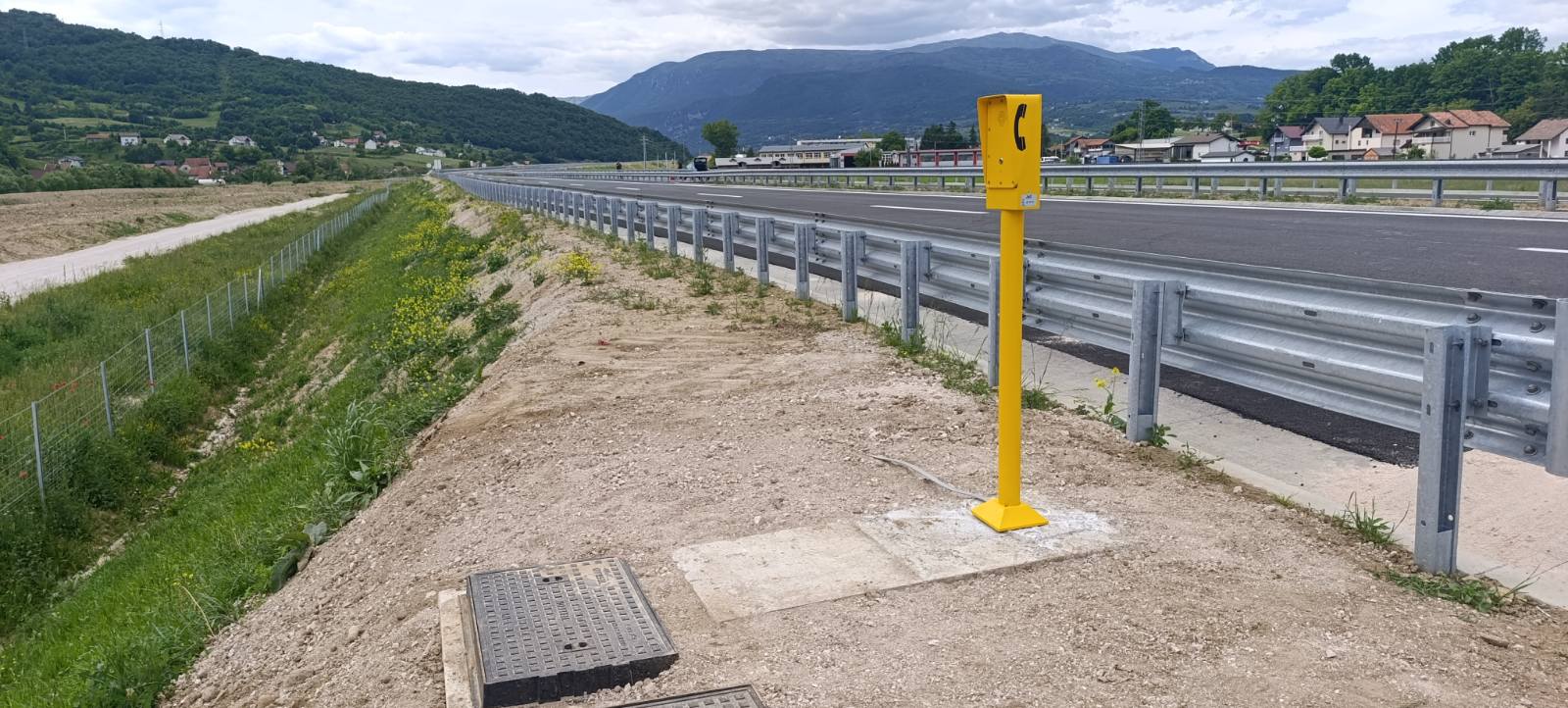
How Do Emergency Call Systems Work on Modern Highways?
Highway emergency call systems are designed to give stranded motorists immediate access to help at the push of a button. Each call box or telephone unit connects drivers to traffic management centers or emergency response teams.
Modern systems combine advanced communication technologies such as VoIP, 4G GSM, and fiber backhaul. Once activated, the system automatically transmits location data and connects the caller to the nearest operator.
Some models are equipped with:
-
High-visibility beacon lights to guide responders.
-
Two-way hands-free communication for accessibility.
-
Built-in GPS for accurate location tracking.
However, these systems are only as reliable as the infrastructure that supports them—which is why solar-powered waterproof telephone poles are becoming an essential upgrade for future-ready highway safety networks.
Why Use Solar-Powered Waterproof Telephone Poles?
The integration of solar-powered waterproof telephone poles addresses nearly all the weaknesses of traditional systems while offering substantial economic and environmental benefits.
1. Off-Grid Reliability
These poles operate independently of external power sources. Using solar panels and rechargeable batteries, they continue functioning during blackouts, storms, or natural disasters, ensuring uninterrupted service when it matters most.
2. Waterproof Durability
Equipped with IP67-rated enclosures (learn more in our article on IP67 meaning), they are fully protected from dust ingress and can withstand immersion in water up to one meter deep for 30 minutes. This makes them ideal for highways in regions prone to heavy rain, flooding, or coastal humidity.
3. Cost-Effective Installation
Since no trenching or electrical wiring is required, installation is quicker, cheaper, and more flexible. This makes it possible to extend communication coverage to remote or rural highways that were previously too expensive to equip.
4. Enhanced Safety Features
Modern solar-powered systems often integrate additional components, such as LED beacon lights, CCTV cameras, or motion sensors powered by the same solar array. These features help deter crime, improve visibility at night, and support real-time monitoring.
5. Environmental Sustainability
Using renewable solar energy helps reduce operational emissions, aligning with global efforts toward greener, more sustainable public infrastructure.
Where Are These Emergency Call Systems Typically Installed?
Waterproof telephone poles can be found in a wide range of environments, from urban expressways to remote mountain passes. Typical installation sites include:
-
National and provincial highways where reliable communication coverage is crucial.
-
Bridges and tunnels where traditional power and cable routing are limited.
-
Coastal and flood-prone areas requiring corrosion-resistant and waterproof materials.
-
Remote desert or forest routes where sunlight availability supports solar operation.
-
Toll stations and parking areas to assist drivers facing vehicle trouble or medical emergencies.
Their modular design allows easy integration with railway emergency call point systems and other transport infrastructure, creating a unified communication network across different sectors.
How to Maintain Long-Term Performance in Harsh Conditions?
Durability and reliability are the cornerstones of any emergency communication system. Maintaining solar-powered waterproof telephone poles involves preventive care and smart system design.
-
Use high-grade materials: Stainless steel or powder-coated aluminum prevents corrosion and mechanical wear.
-
Apply IP-rated protection: Ensure all enclosures, connectors, and joints meet at least IP66 or IP67 standards to block dust and moisture.
-
Periodic testing: Regular checks of battery health, solar panel output, and call quality maintain system readiness.
-
Remote monitoring: Many modern systems allow centralized performance tracking through online dashboards, alerting maintenance teams instantly when issues arise.
-
Software updates: For VoIP- or GSM-enabled units, firmware upgrades ensure compatibility with evolving network standards.
With proper design and periodic servicing, these systems can operate reliably for 10 years or more, even under continuous outdoor exposure.
Conclusion
The combination of solar power and waterproof engineering is redefining the standards for highway safety communication. By removing dependence on grid power and using rugged, weather-resistant materials, solar-powered waterproof telephone poles ensure that emergency communication remains available in every condition—rain or shine.
They are cost-efficient to install, environmentally sustainable, and adaptable for use in remote areas where safety coverage was once impossible. For transportation authorities and infrastructure developers, investing in these systems represents not just a technological upgrade, but a commitment to safer, smarter, and greener highways.
At J&R Technology, we continue to engineer next-generation communication solutions that perform reliably in extreme environments—from offshore facilities to highway emergency networks.


 Prisons & Correctional Facilities
 Transportation & Underground Infrastructure
 Critical Industrial & Energy Facilities
 Marine & Offshore
 Manufacturing Plant & Public Facilities