IP67 waterproofing is a critical standard for ensuring durability and reliability in industrial communication and telecom equipment. The "IP" stands for Ingress Protection, a global rating that defines how well a device is sealed against dust and water.
When you see IP67 on a product, it means the device is fully dust-tight and can withstand immersion in up to one meter of water for 30 minutes without damage. This level of protection is essential for harsh industrial environments, outdoor installations, and facilities where exposure to moisture and dust is unavoidable. Understanding what IP67 waterproof means helps engineers, buyers, and facility managers choose equipment that maintains performance even in extreme conditions. Whether used in offshore plants, tunnels, or school communication systems, IP67-certified devices ensure safety, long service life, and consistent reliability under the toughest working environments.
What Is IP Rating
Before understanding what IP67 waterproof means, it's essential to know what an IP rating is.
"IP" stands for Ingress Protection, a standard defined by the International Electrotechnical Commission (IEC) under IEC 60529. It classifies the degree of protection an enclosure provides against dust, dirt, and water.
An IP rating consists of two digits:
-
The first digit represents protection against solid particles like dust and sand.
-
The second digit indicates protection against liquid ingress, such as rain, splashes, or immersion in water.
This standardized system eliminates ambiguity in product descriptions. Instead of vague terms like "waterproof" or "weather-resistant", the IP rating gives users a measurable assurance of durability—particularly vital for industrial communication systems, outdoor telephones, and school intercom networks that must operate reliably regardless of the environment.
IP67 Defined
So, what does IP67 waterproof mean in practical terms?
An IP67 rating guarantees complete dust protection and temporary water resistance. Specifically:
-
6: The first digit "6" means the device is completely dust-tight. No dust can enter the enclosure under normal operating conditions.
-
7: The second digit "7" indicates the device can withstand immersion in up to 1 meter of water for up to 30 minutes without experiencing harmful effects.
In simpler terms, IP67-certified equipment can survive dust storms, heavy rain, and accidental submersion. This makes it perfect for demanding industrial or outdoor settings where traditional devices would fail.
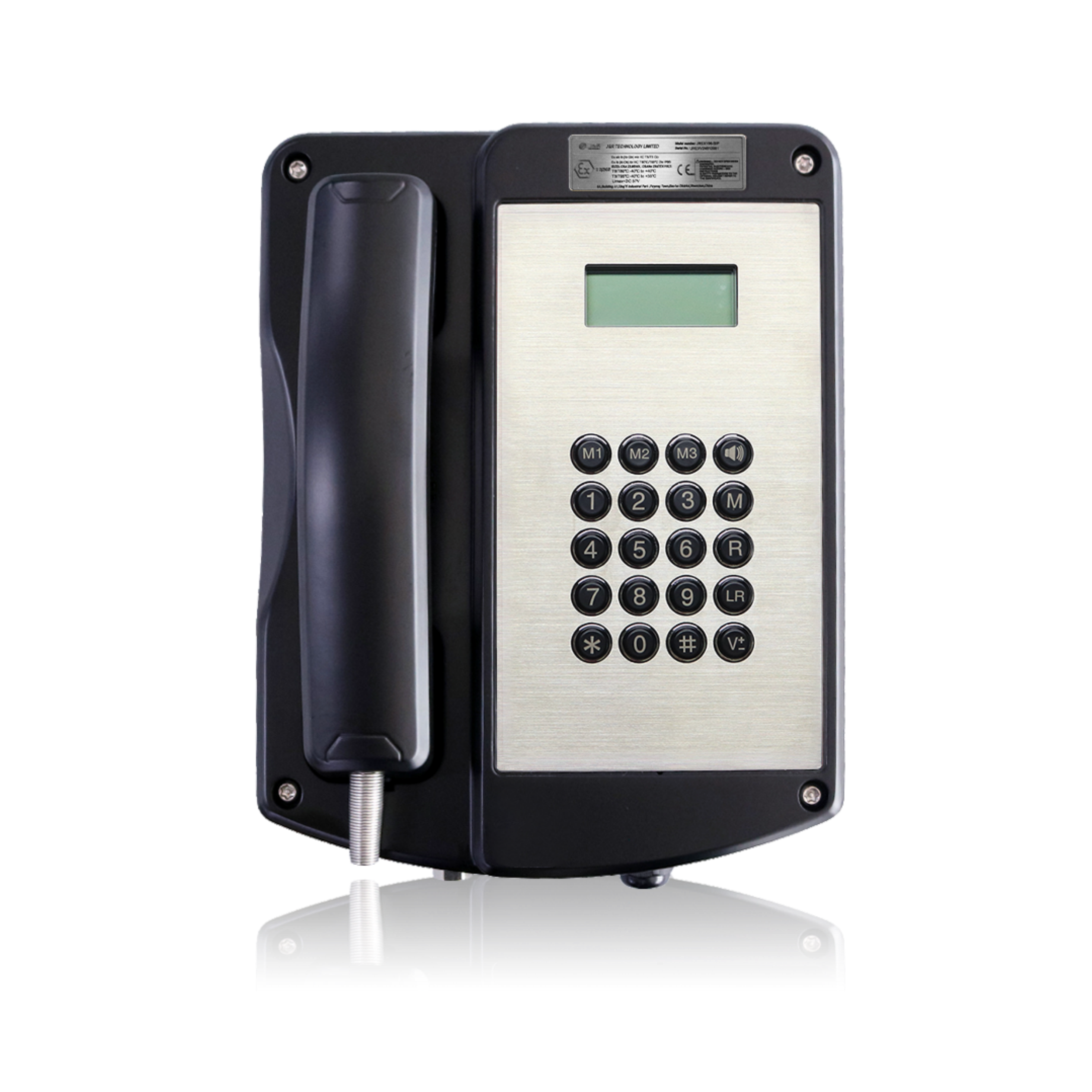
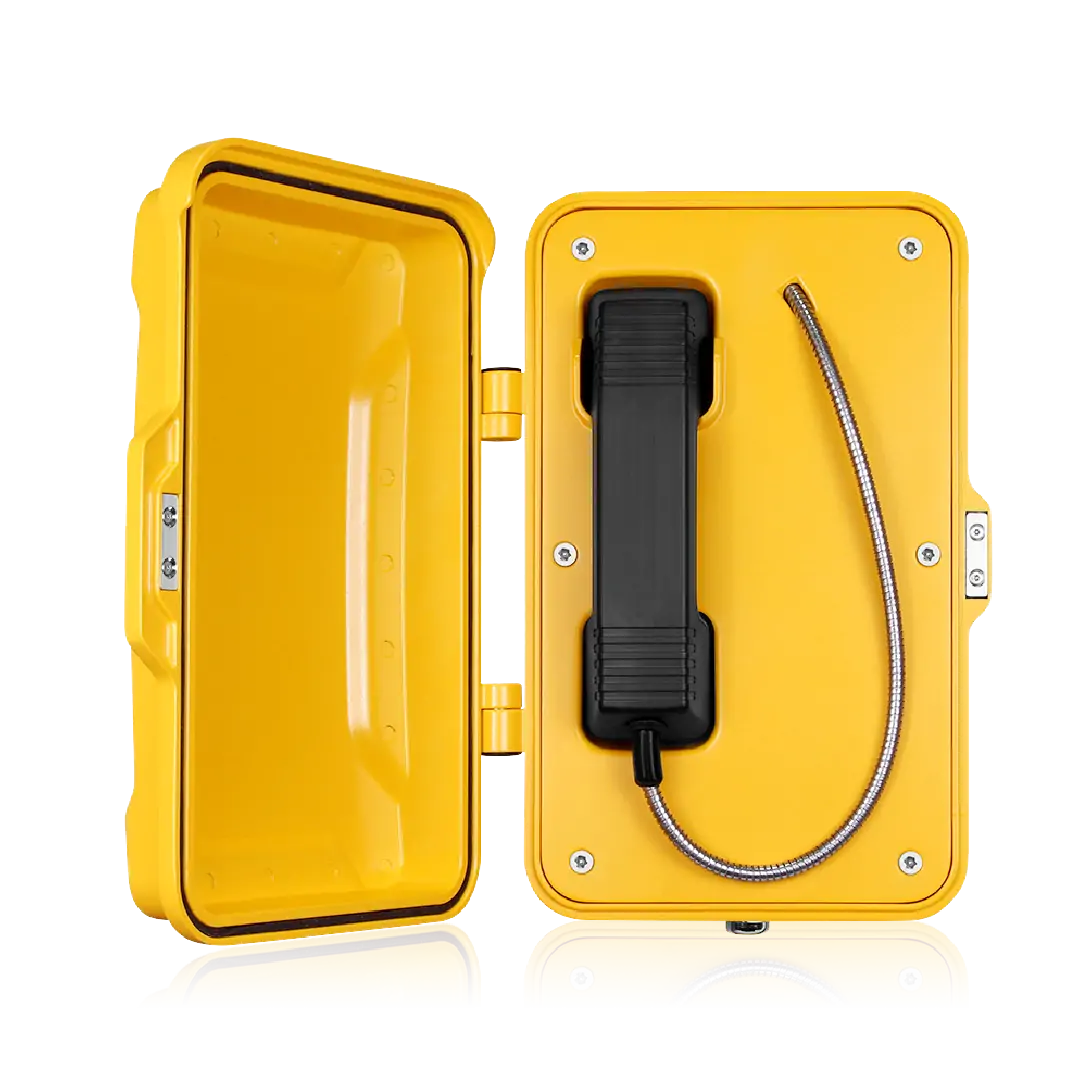
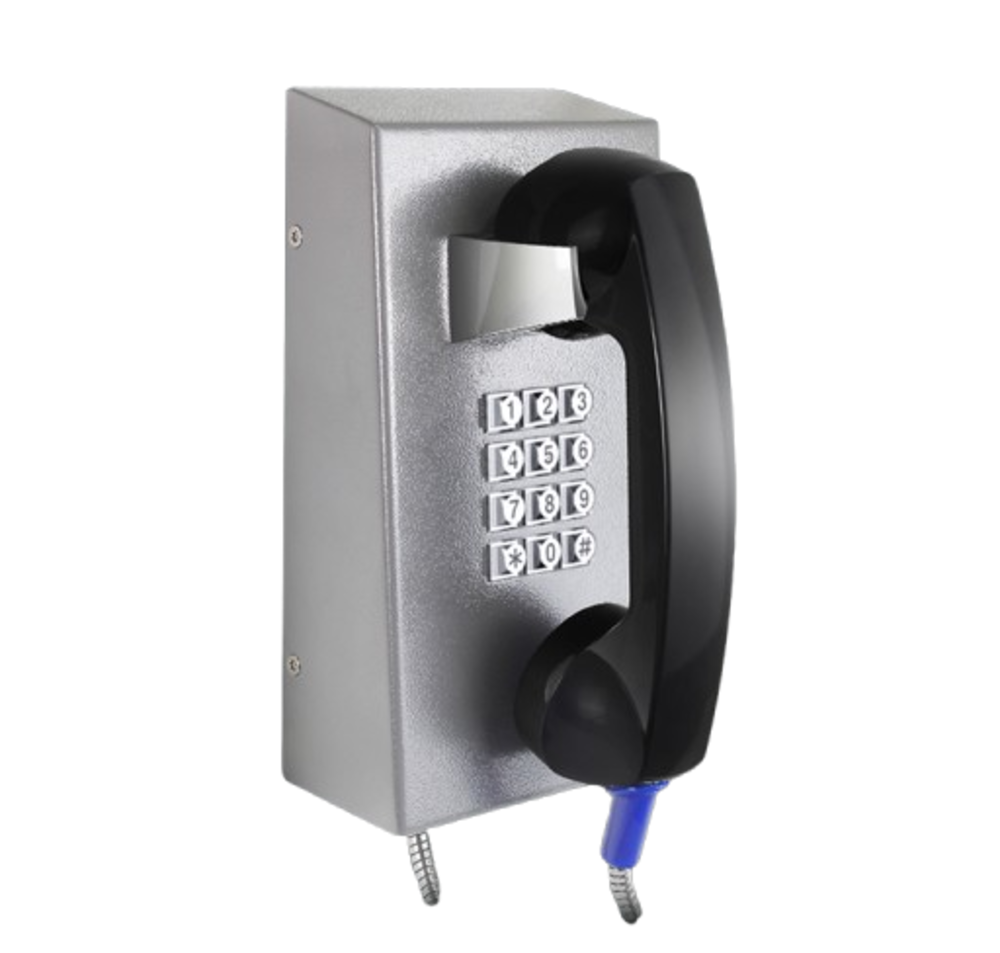
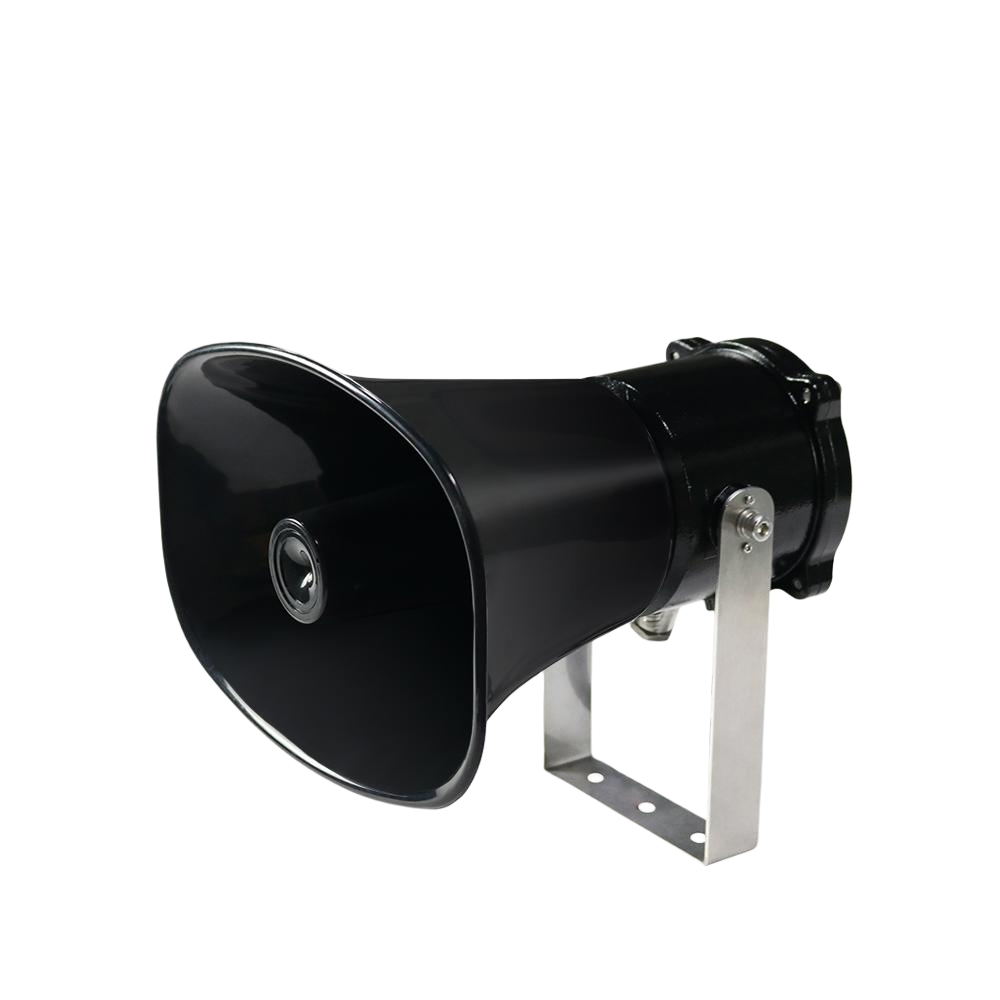
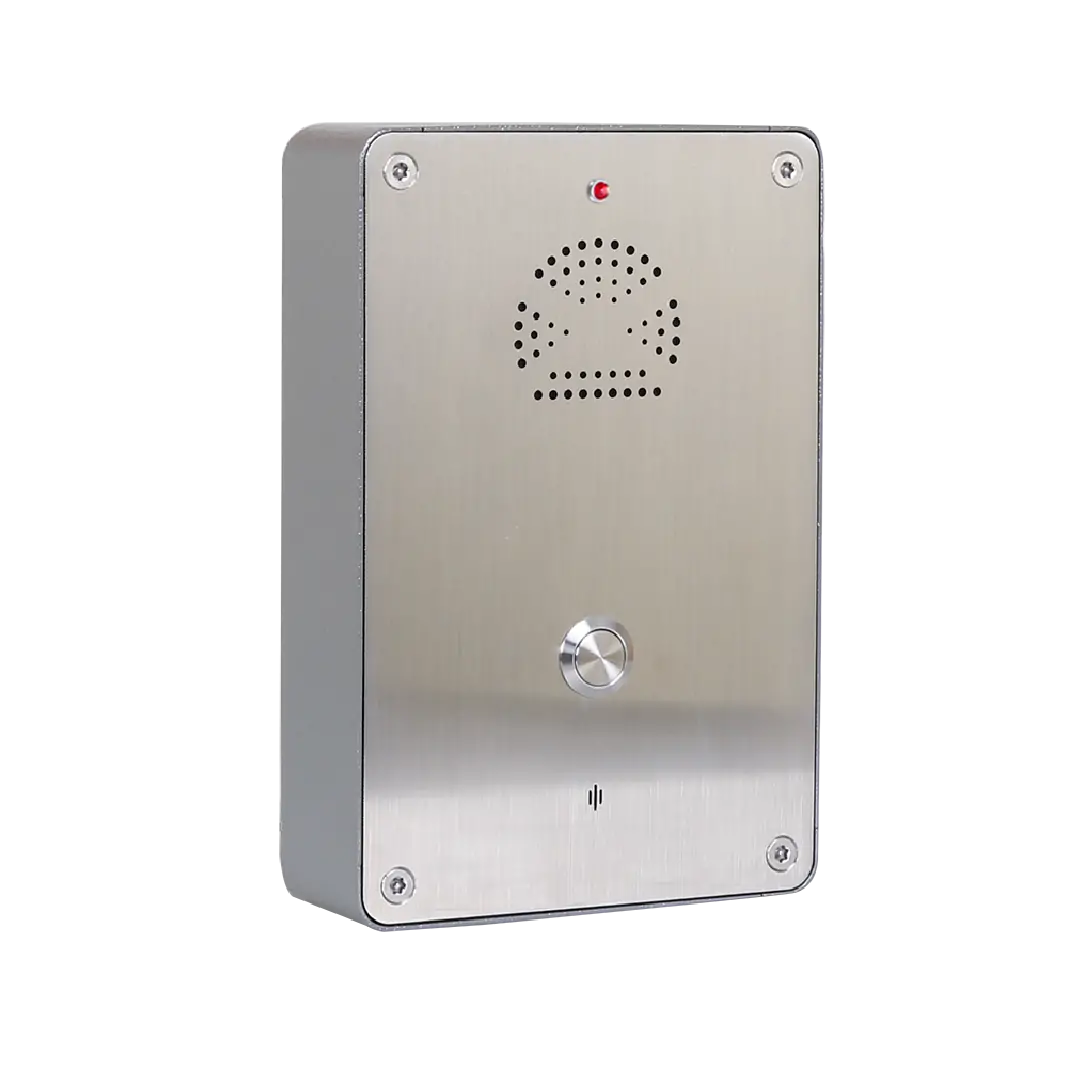
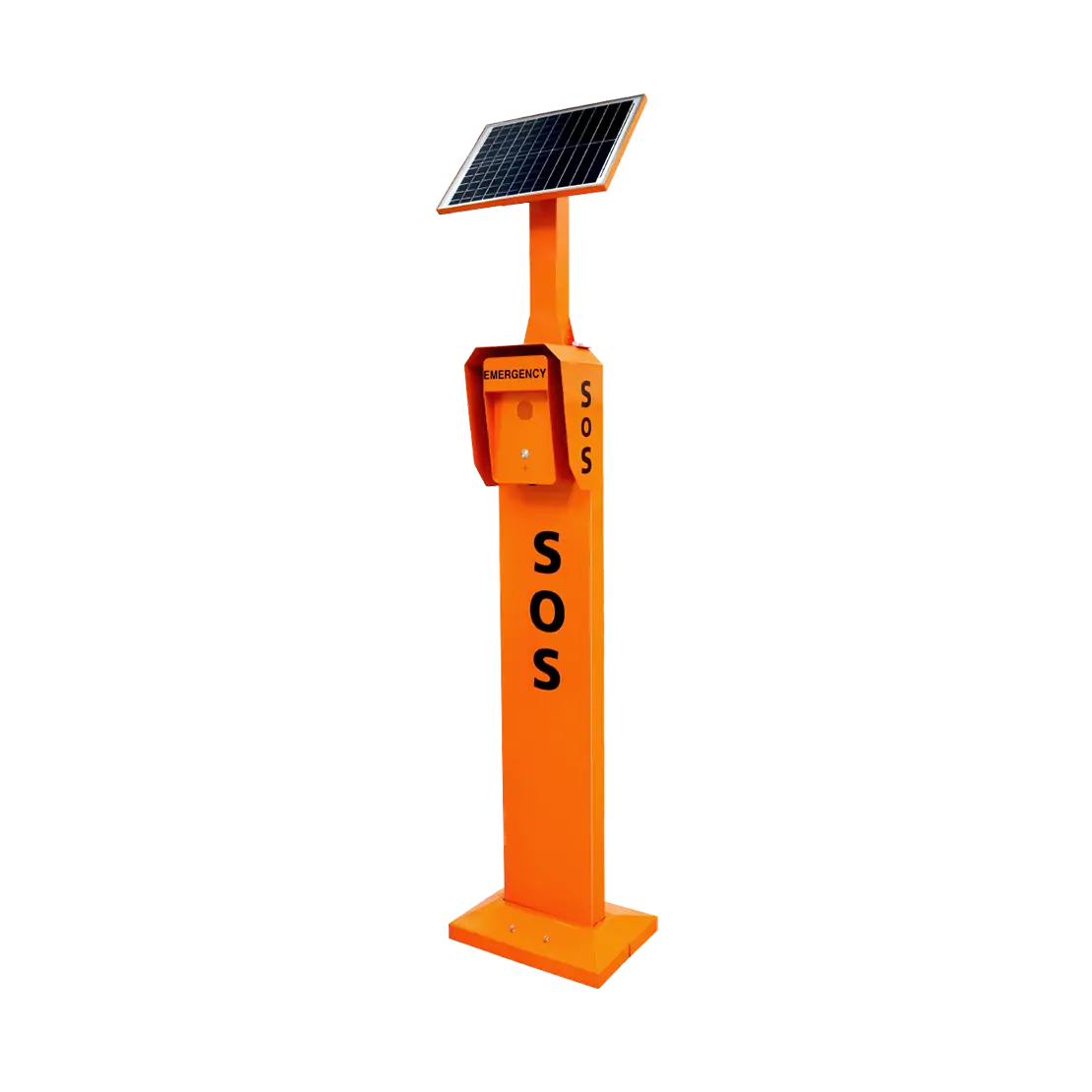
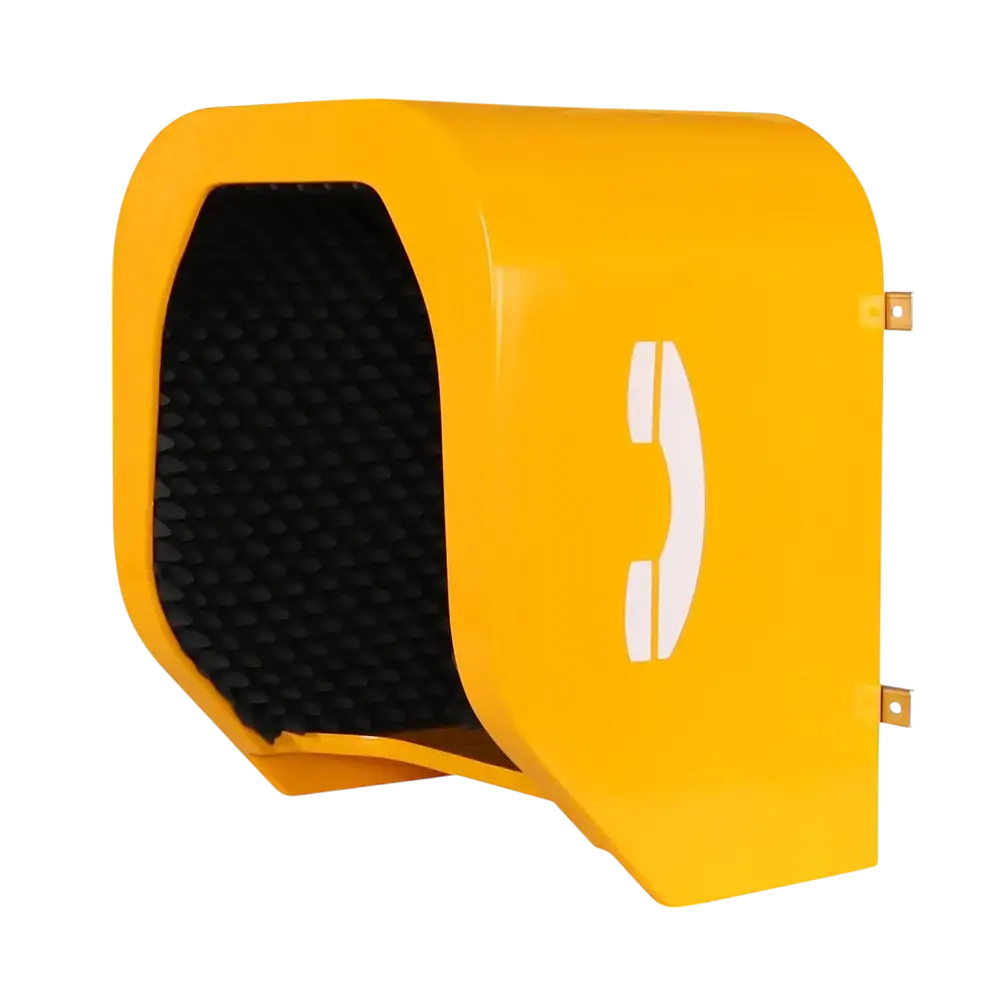
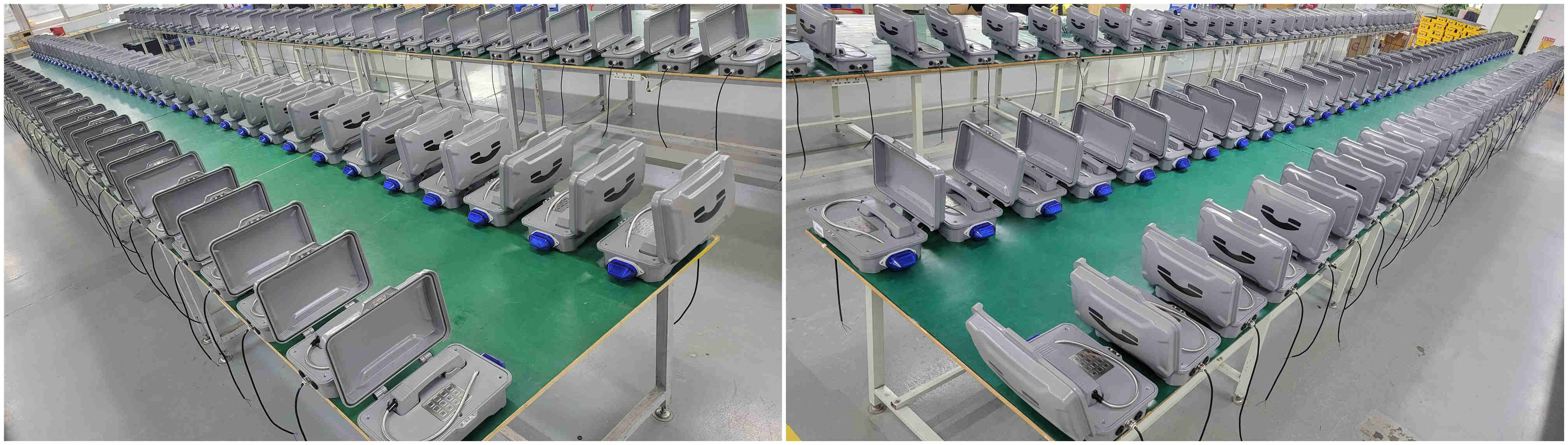
For instance, J&R Technology's waterproof telephones and intercoms feature IP67-rated housings—ensuring uninterrupted operation even in coastal areas, factories, or tunnels exposed to extreme conditions.
Testing Standards
To earn an IP67 certification, a product must pass strict laboratory tests based on IEC standards.
For the dust test, devices are placed in a sealed chamber filled with fine dust particles under negative pressure for several hours. The enclosure must prevent any dust from entering critical components.
For the water immersion test, products are submerged in water at a depth of one meter for 30 minutes. After the test, they are inspected for leaks, electrical faults, or performance degradation.
These rigorous assessments verify that an IP67 device can handle real-world conditions such as rain, wash-downs, and exposure to industrial dust. It's the same level of reliability that manufacturers like J&R apply to industrial telephones, emergency call systems, and school intercom safety devices used in high-risk or outdoor environments.
Application Environments
IP67 waterproof devices are used in an impressive range of applications where performance and protection go hand in hand.
1. Industrial and Manufacturing Sites:
In dusty or humid factories, IP67 ensures machinery and communication systems remain operational even when exposed to particles or cleaning fluids.
2. Outdoor Telecom and Infrastructure:
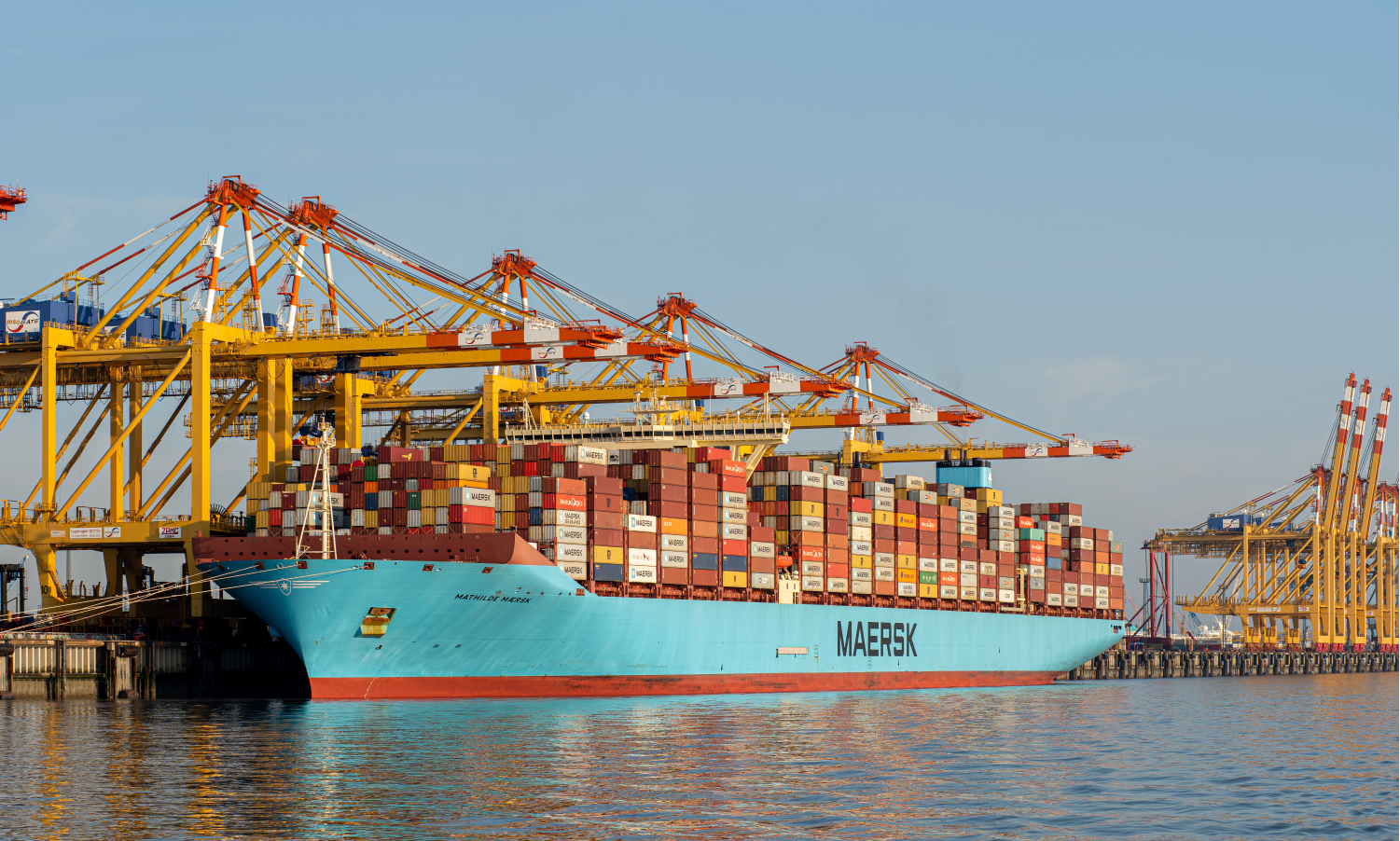
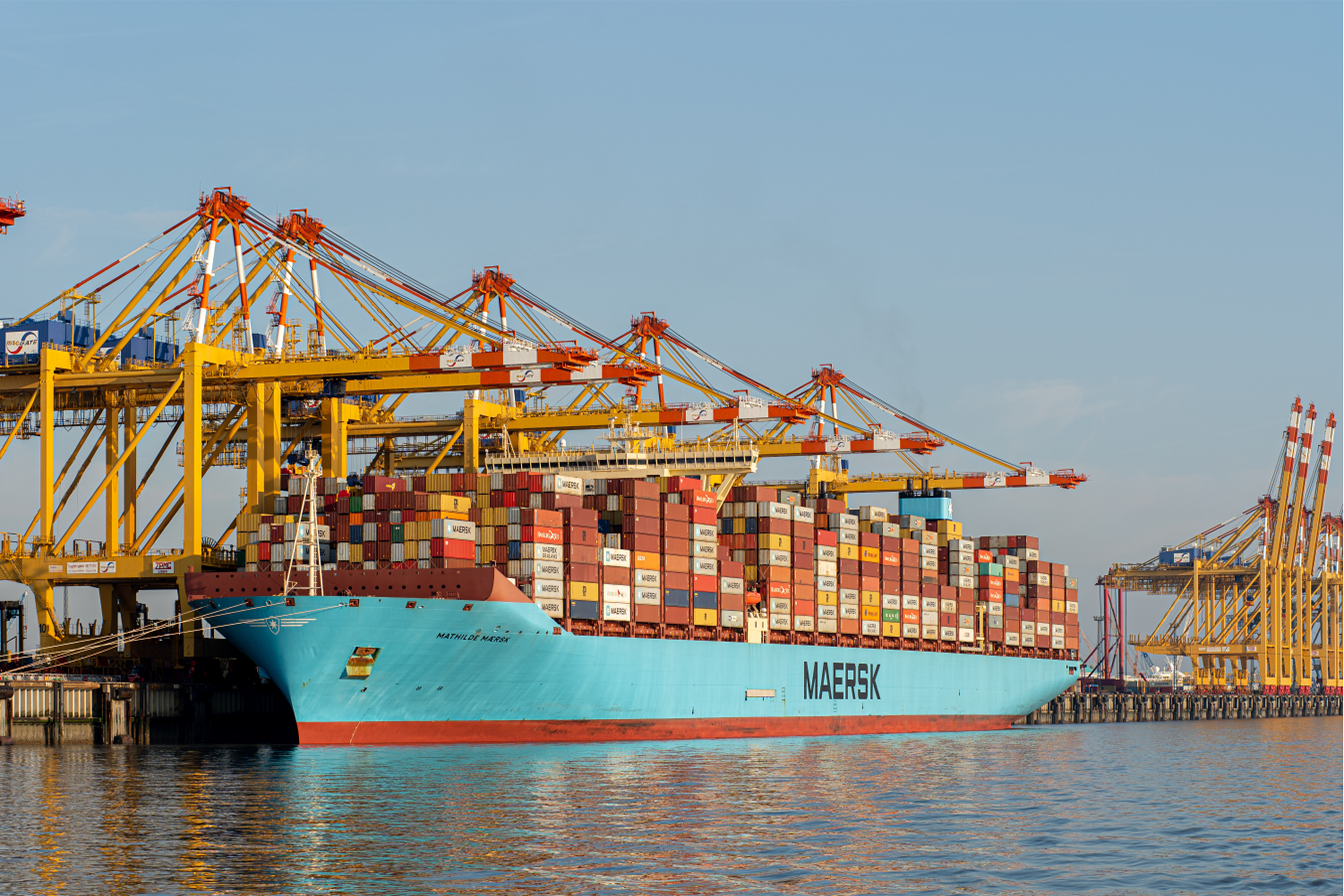
From roadside emergency call boxes to offshore communication terminals, IP67 enclosures safeguard electronics against heavy rainfall, saltwater spray, and dirt.
3. Educational and Public Facilities:
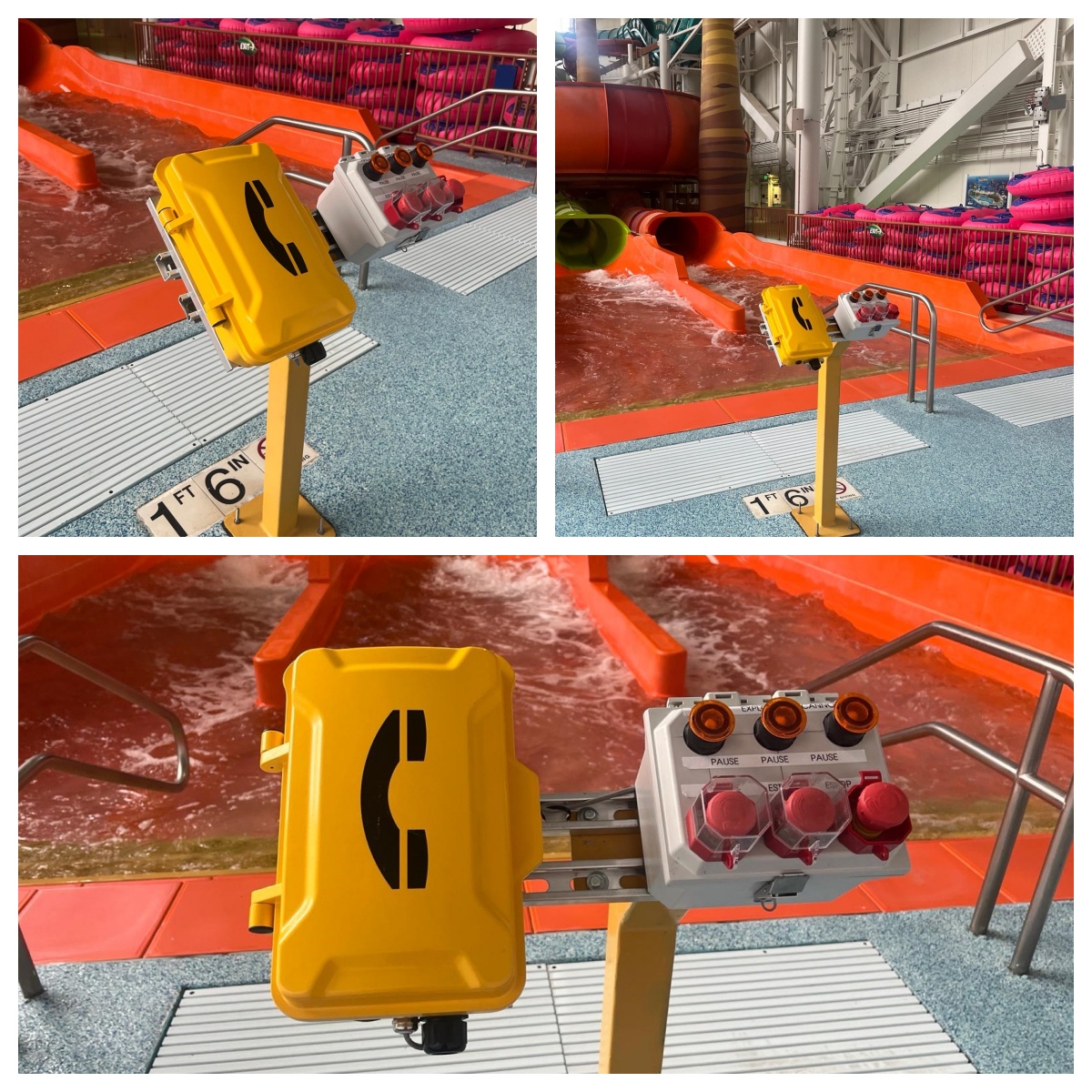
In schools and universities, IP67-rated systems protect vital communication hardware like paging intercoms and school voice clarity devices from humidity and accidental spills.
4. Mining and Construction:
These rugged environments expose equipment to dust, vibration, and water ingress. IP67-rated products deliver reliability and long-term durability where safety cannot be compromised.
5. Consumer Electronics:
Even in smartphones and smartwatches, IP67 offers everyday assurance—allowing them to survive rain or accidental immersion without damage.
No matter the setting, IP67 represents the balance between robust engineering and practical functionality.
Choosing the Right Rating
Understanding what IP67 waterproof means is only the first step. Choosing the right IP rating depends on where and how the product will be used.
For dry indoor areas, a lower rating like IP54 may suffice, offering protection against dust and light splashes. But for outdoor or industrial use—especially near water, chemicals, or heavy dust exposure—IP67 or higher (like IP68) is strongly recommended.
When selecting communication equipment, always check the IP certification to ensure it matches your environmental conditions. For example, J&R Technology provides a wide range of IP67-rated solutions specifically built for harsh environments, ensuring safety, stability, and longevity.
An IP67-rated phone or intercom system may cost slightly more initially, but it significantly reduces long-term maintenance costs and downtime, ultimately offering better value and peace of mind.
Conclusion
In the world of industrial and outdoor communication, IP67 waterproofing is not just a feature—it's a guarantee of resilience.
It certifies that your device is both dust-tight and capable of surviving water immersion, ensuring continuous operation in even the toughest environments.
Understanding what IP67 waterproof means helps decision-makers choose equipment that meets modern safety and performance standards. Whether you’re securing a mining site, a marine installation, or enhancing school intercom safety, investing in IP67-rated solutions ensures long-term reliability and protection against the elements.
At J&R Technology, we engineer communication systems designed to perform where others fail—because durability isn't optional, it's essential.


 Prisons & Correctional Facilities
 Transportation & Underground Infrastructure
 Critical Industrial & Energy Facilities
 Marine & Offshore
 Manufacturing Plant & Public Facilities