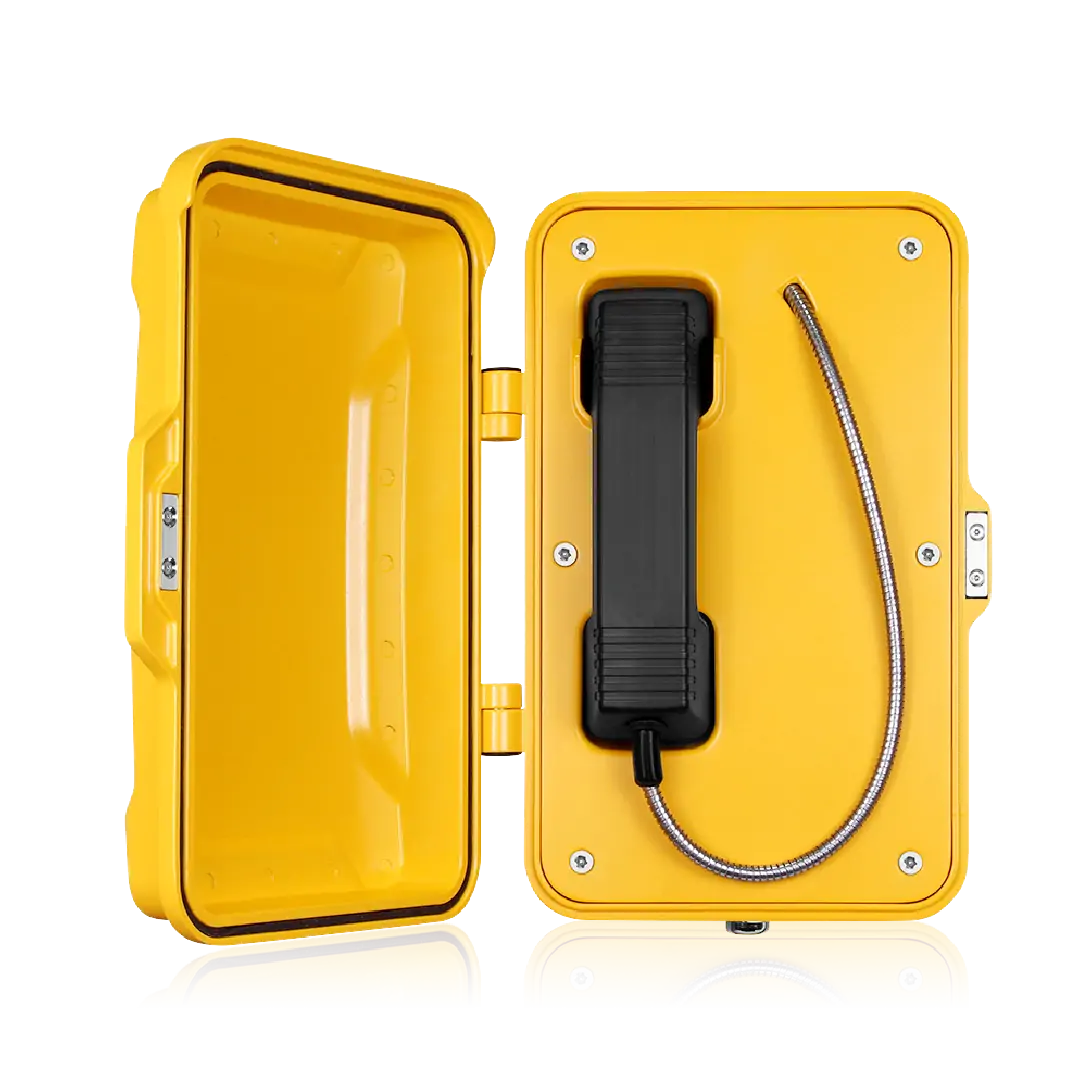
Industrial communication devices are often deployed in challenging environments where exposure to water, dust, and extreme weather conditions is unavoidable. In such scenarios, the durability and protection level of equipment become critical factors.
This is why waterproof telephones ingress protection ratings are so important. The IP (Ingress Protection) rating defines how effectively an enclosure protects internal components from dust and water intrusion. For industrial telephones used outdoors or in washdown environments, the correct IP rating ensures reliable communication and long-term equipment durability.
Understanding IP ratings can help organizations choose the right waterproof telephone solutions for demanding industrial applications.
IP Class Awareness
To understand waterproof telephones ingress protection, it is important to know what IP ratings represent.
The IP rating system is defined by international standards and uses two digits to describe the level of protection provided by an enclosure.
For example:
-
IP65 – Dust-tight and protected against water jets
-
IP66 – Dust-tight and resistant to powerful water jets
-
IP67 – Dust-tight and protected against temporary immersion in water
Higher IP ratings generally indicate stronger protection, which is particularly important for industrial communication equipment installed in outdoor or high-moisture environments.
Different Classes Test Methods
Each IP rating corresponds to specific testing procedures designed to verify the enclosure's protective capability.
Testing methods for waterproof telephones ingress protection typically include:
Dust protection testing
Equipment is placed in a controlled dust chamber to ensure that dust particles cannot enter the enclosure.
Water spray testing
Devices are exposed to water jets from different directions to simulate rain or washdown conditions.
Immersion testing
For higher IP ratings such as IP67, equipment may be submerged in water for a specified period to verify resistance to water ingress.
These tests help ensure that waterproof telephones can withstand harsh industrial environments without internal damage.
Comparison of Application Scenarios
Different industrial environments require different levels of waterproof telephones ingress protection.
Outdoor industrial facilities
Telephones installed in open environments must withstand rain, humidity, and dust exposure.
Food processing and washdown areas
Frequent cleaning with water jets requires higher IP ratings to prevent water penetration.
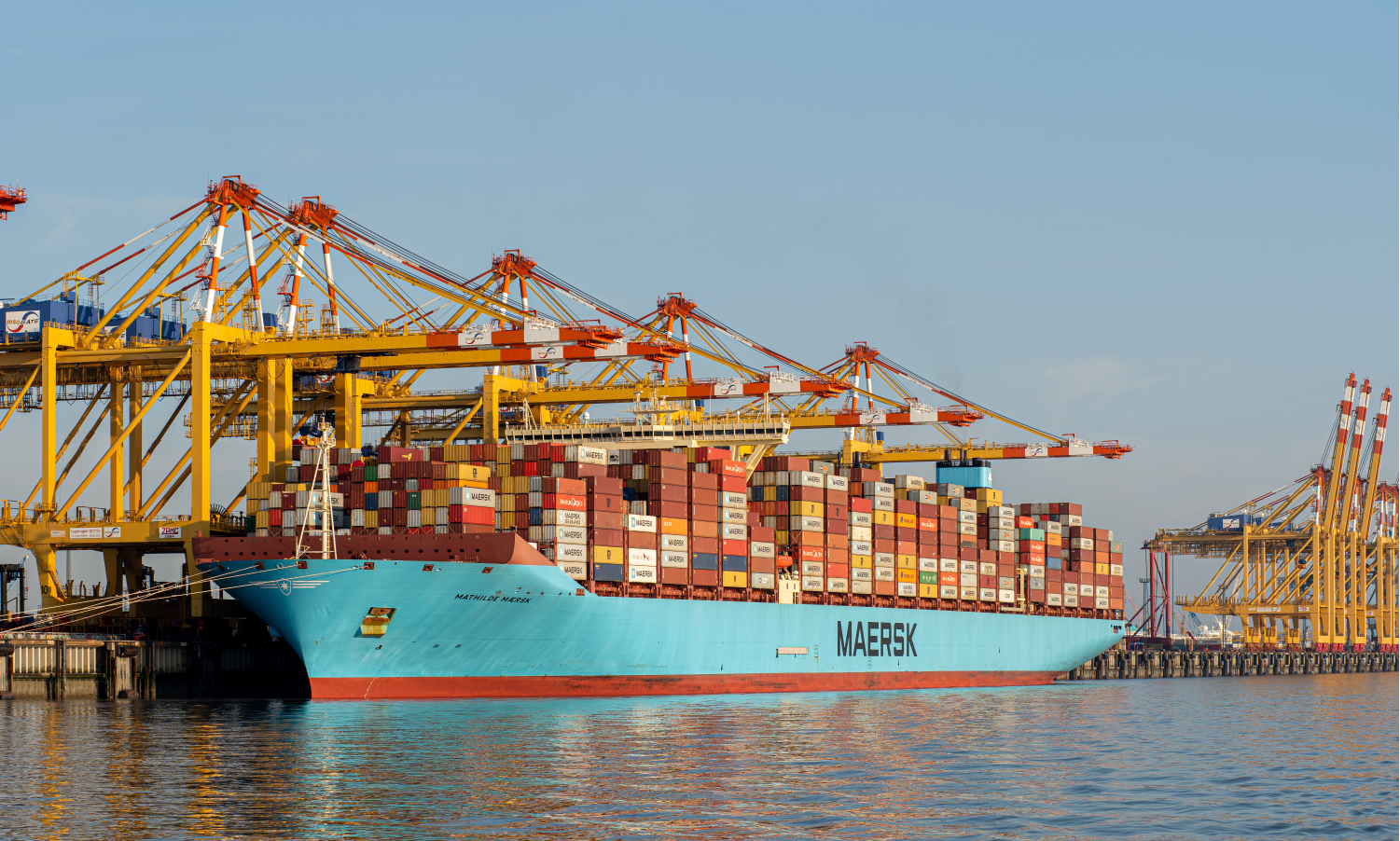
Marine and offshore environments
Salt spray and heavy moisture demand durable materials and high enclosure protection.
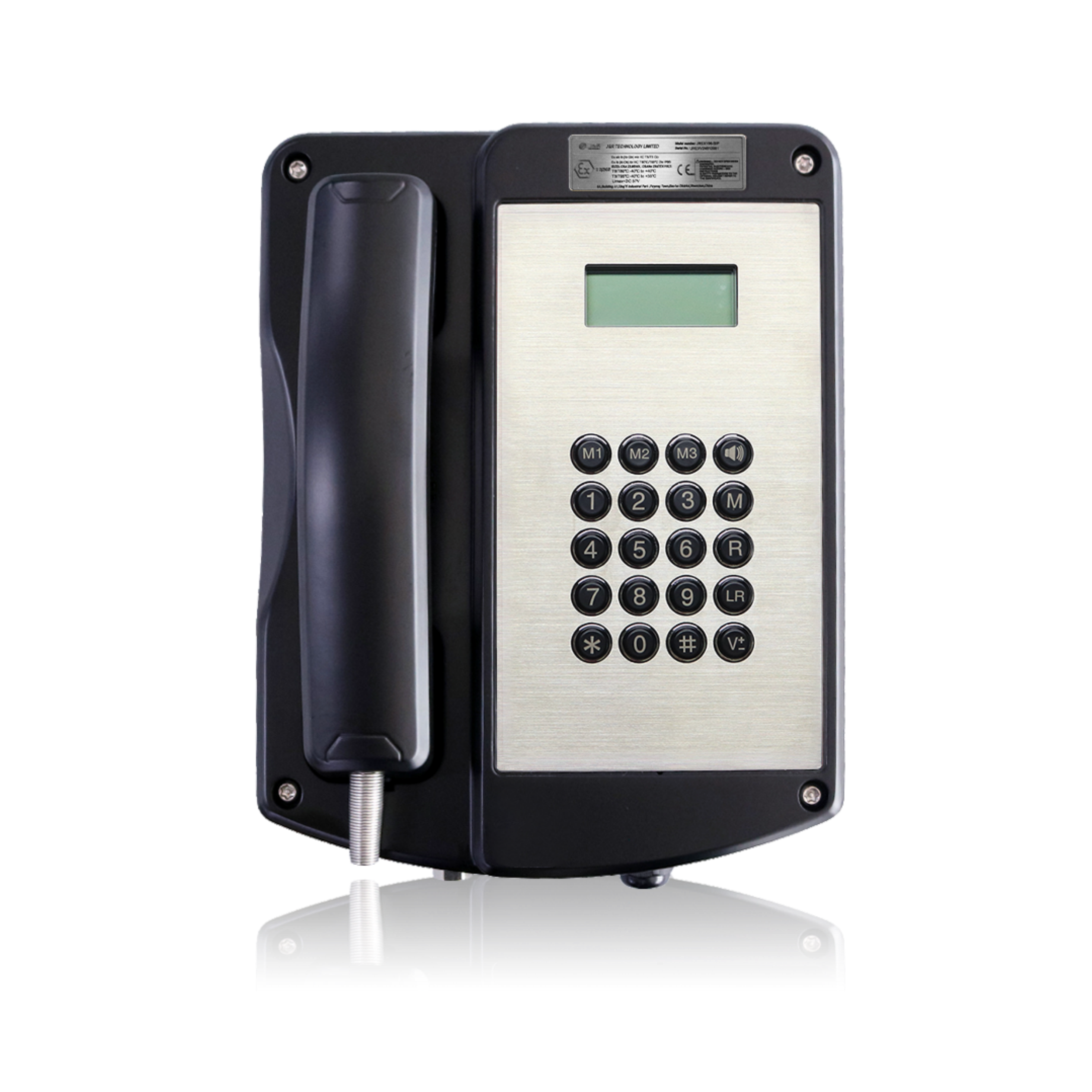
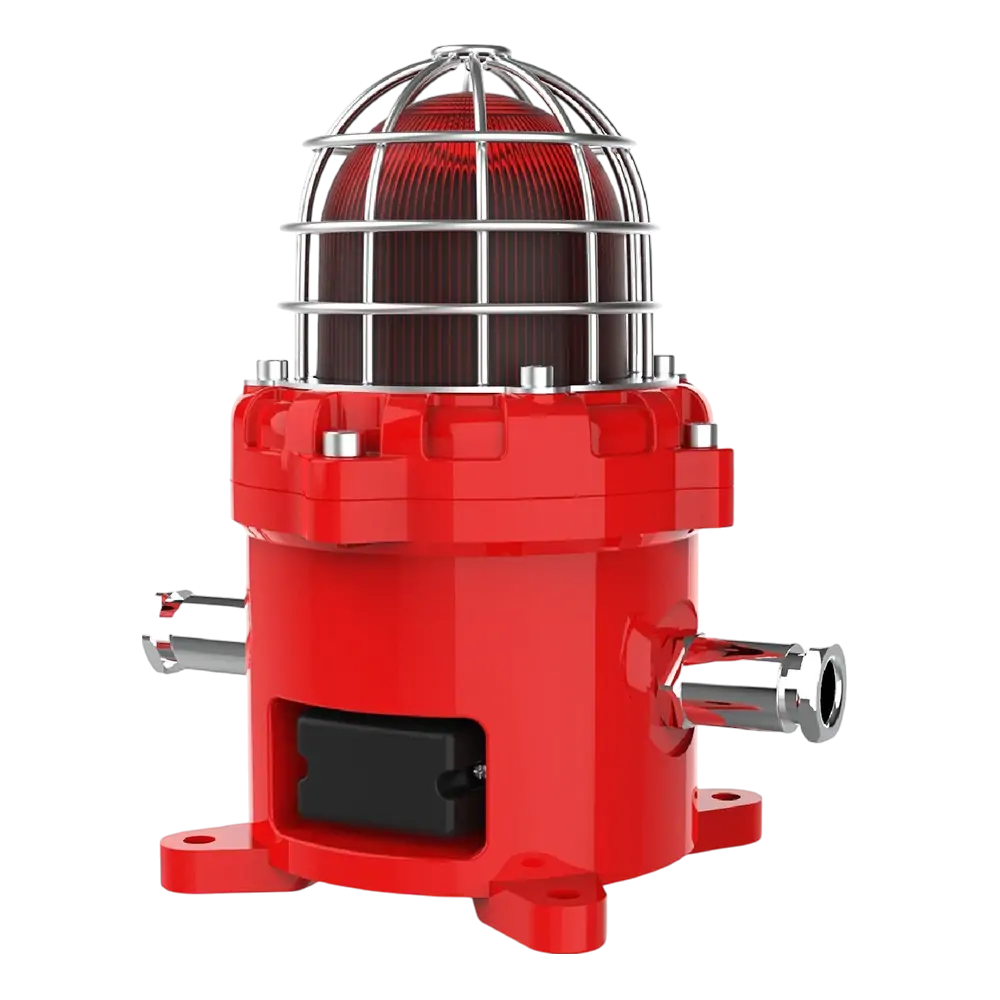
In some hazardous industrial settings, waterproof telephones may also need explosion protection features, such as those found in an explosion proof aluminum telephone designed for high-risk environments.
In industries such as energy production and offshore extraction, reliable communication systems are a core component of communications for oil & gas operations.
Selection Advice
Selecting the right waterproof telephone requires evaluating both environmental conditions and operational needs.
Key considerations include:
Appropriate IP rating
Choose an IP rating that matches the environmental exposure level.
Material durability
Corrosion-resistant materials are important for outdoor and marine installations.
Mounting and installation method
Equipment should be installed in locations that minimize unnecessary exposure.
Compatibility with communication systems
Industrial telephones should integrate with existing communication infrastructure and dispatch systems.
A well-selected waterproof telephone ensures reliable communication while reducing maintenance and replacement costs.
Maintenance and Lifetime Impact
Proper maintenance is essential for preserving the waterproof telephones ingress protection performance throughout the equipment lifecycle.
Recommended maintenance practices include:
-
Inspecting seals and gaskets regularly
-
Checking enclosure integrity for damage or wear
-
Cleaning equipment without damaging protective components
-
Verifying communication functionality during routine inspections
Regular maintenance helps maintain the protective capabilities of waterproof telephones and extends their operational lifespan.
Conclusion
The waterproof telephones ingress protection rating is a key factor in determining whether industrial communication equipment can perform reliably in harsh environments. From outdoor installations to washdown areas and offshore facilities, the correct IP rating ensures that telephones remain protected from dust and water intrusion.
By understanding IP classifications, testing standards, and environmental requirements, organizations can select waterproof telephones that provide long-term durability and dependable communication in demanding industrial settings.


 Prisons & Correctional Facilities
 Transportation & Underground Infrastructure
 Critical Industrial & Energy Facilities
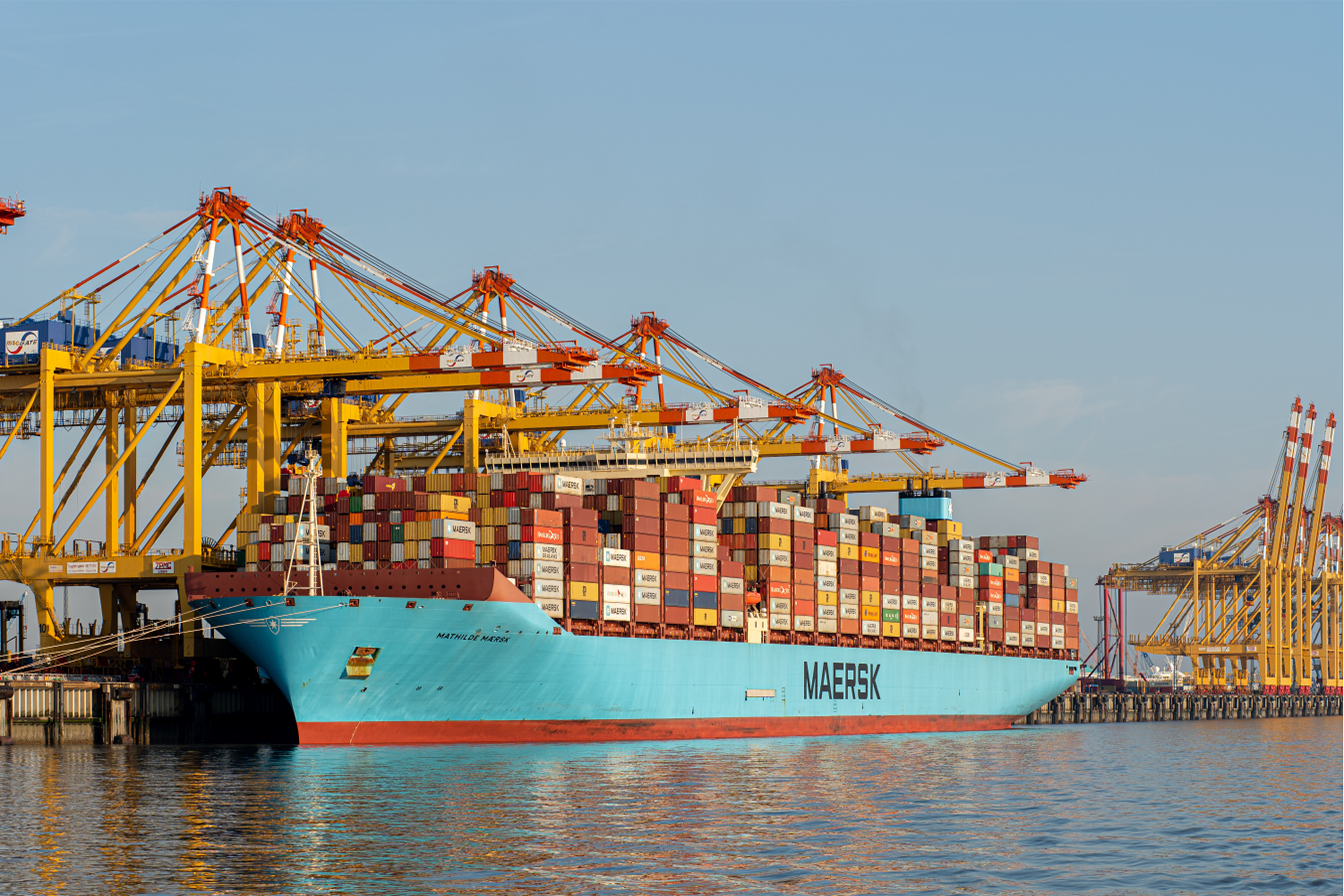 Marine & Offshore
 Manufacturing Plant & Public Facilities