Industrial environments such as oil refineries, chemical plants, mining sites, and offshore platforms often contain explosive atmospheres. In these locations, selecting the right equipment is critical for maintaining safety and operational reliability.
This is where hazardous area classification becomes essential. By categorizing environments based on the likelihood and duration of explosive atmospheres, hazardous area classification helps engineers determine the appropriate protection level for electrical equipment.
Understanding how hazardous area classifications influence equipment design and selection is especially important when installing communication devices such as industrial telephones and emergency intercom systems.
Hazardous Area Classification Explained
Hazardous area classification refers to the process of identifying and categorizing locations where flammable gases, vapors, or combustible dust may create explosive conditions.
These environments are typically divided into zones according to how frequently hazardous materials are present.
For gas environments, the most common classification includes:
-
Zone 0 – Explosive atmosphere present continuously or for long periods
-
Zone 1 – Explosive atmosphere likely during normal operation
-
Zone 2 – Explosive atmosphere unlikely but possible for short durations
For dust environments, the classification usually includes:
-
Zone 20 – Combustible dust continuously present
-
Zone 21 – Dust likely to occur occasionally
-
Zone 22 – Dust unlikely but possible temporarily
Each zone requires different levels of protection for installed equipment, making hazardous area classification a key factor in industrial safety design.
Materials and Protection Levels
Once hazardous area classification is determined, engineers must select equipment materials and protection methods that match the risk level of the environment.
Communication equipment used in hazardous areas must prevent ignition sources such as sparks or excessive heat. As a result, equipment is often built using specialized materials and protective designs.
Common protective features include:
-
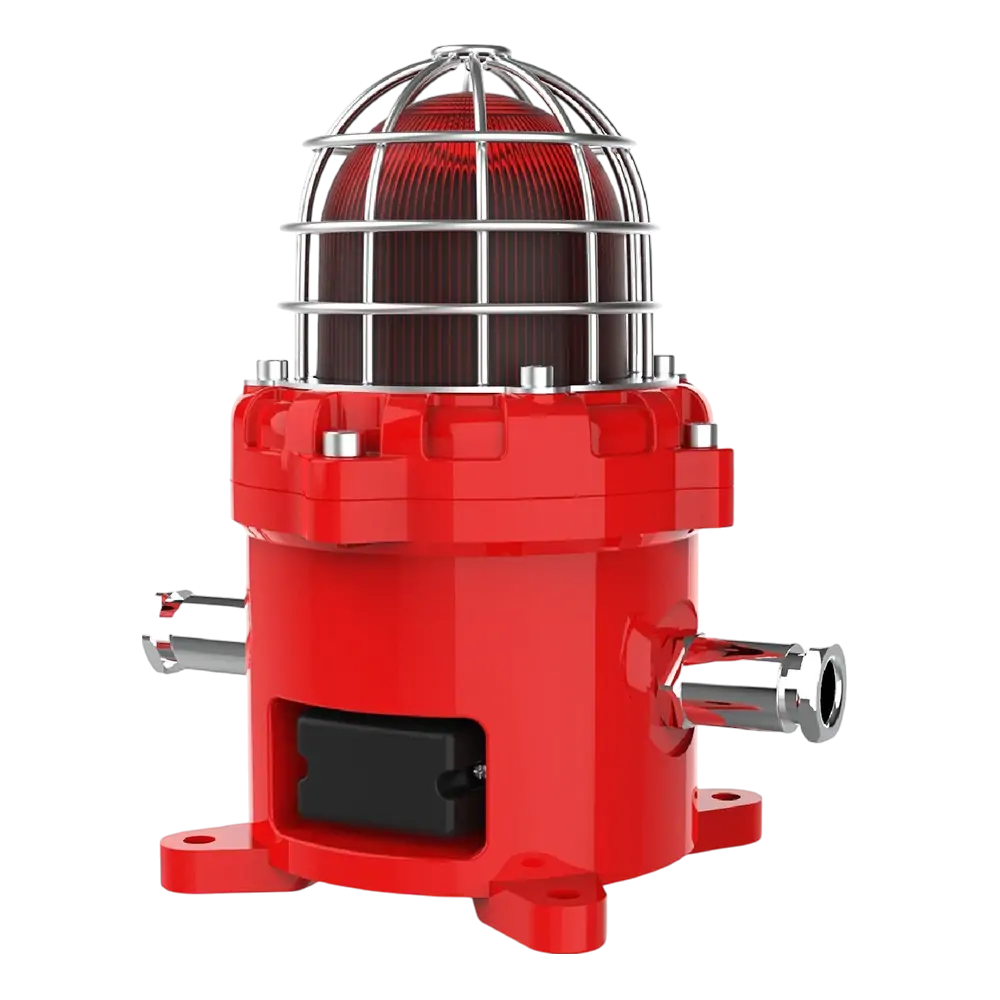
Explosion-proof enclosures that contain internal sparks
-
Corrosion-resistant materials for harsh industrial environments
-
High IP-rated housings to protect against dust and moisture
-
Anti-static materials that reduce ignition risks
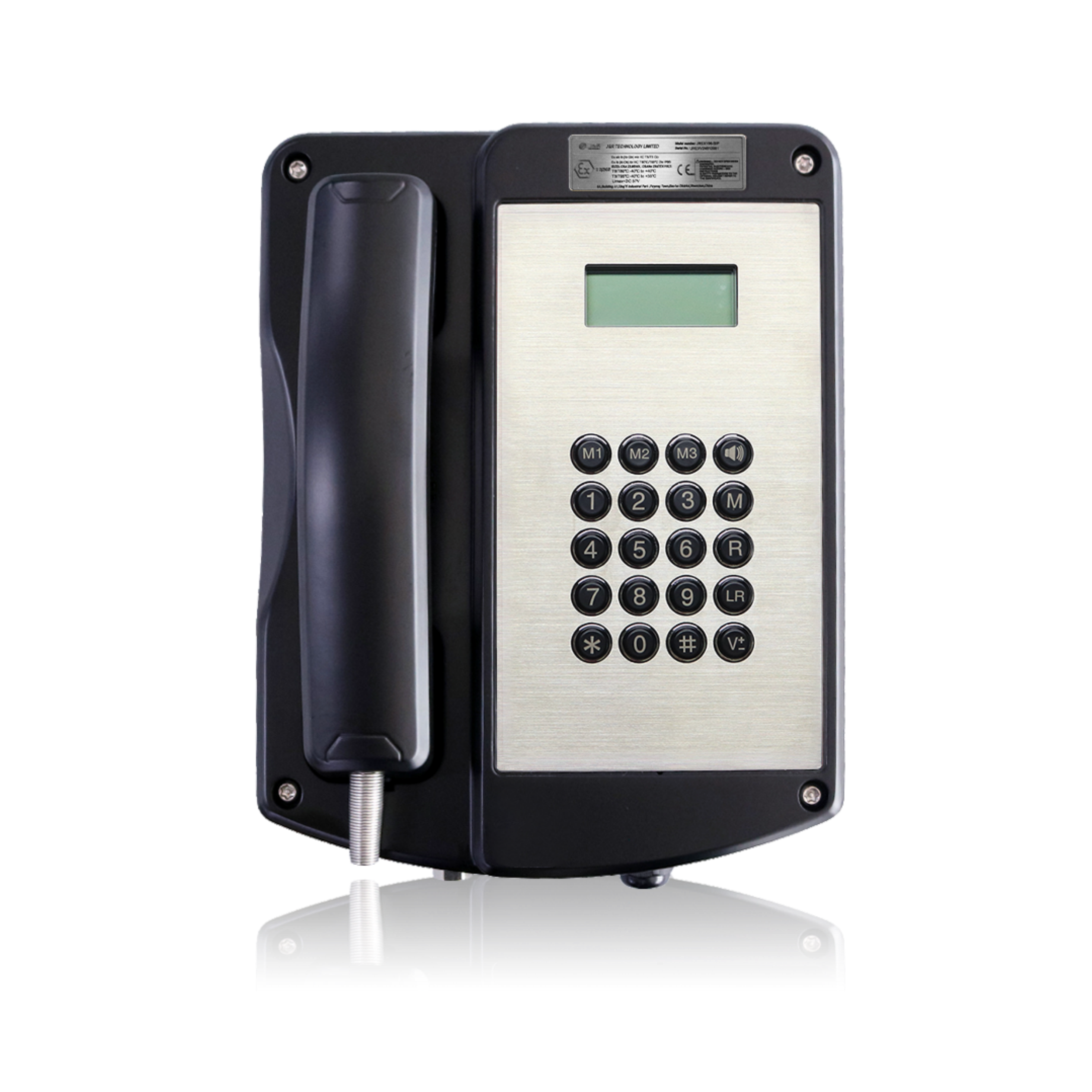
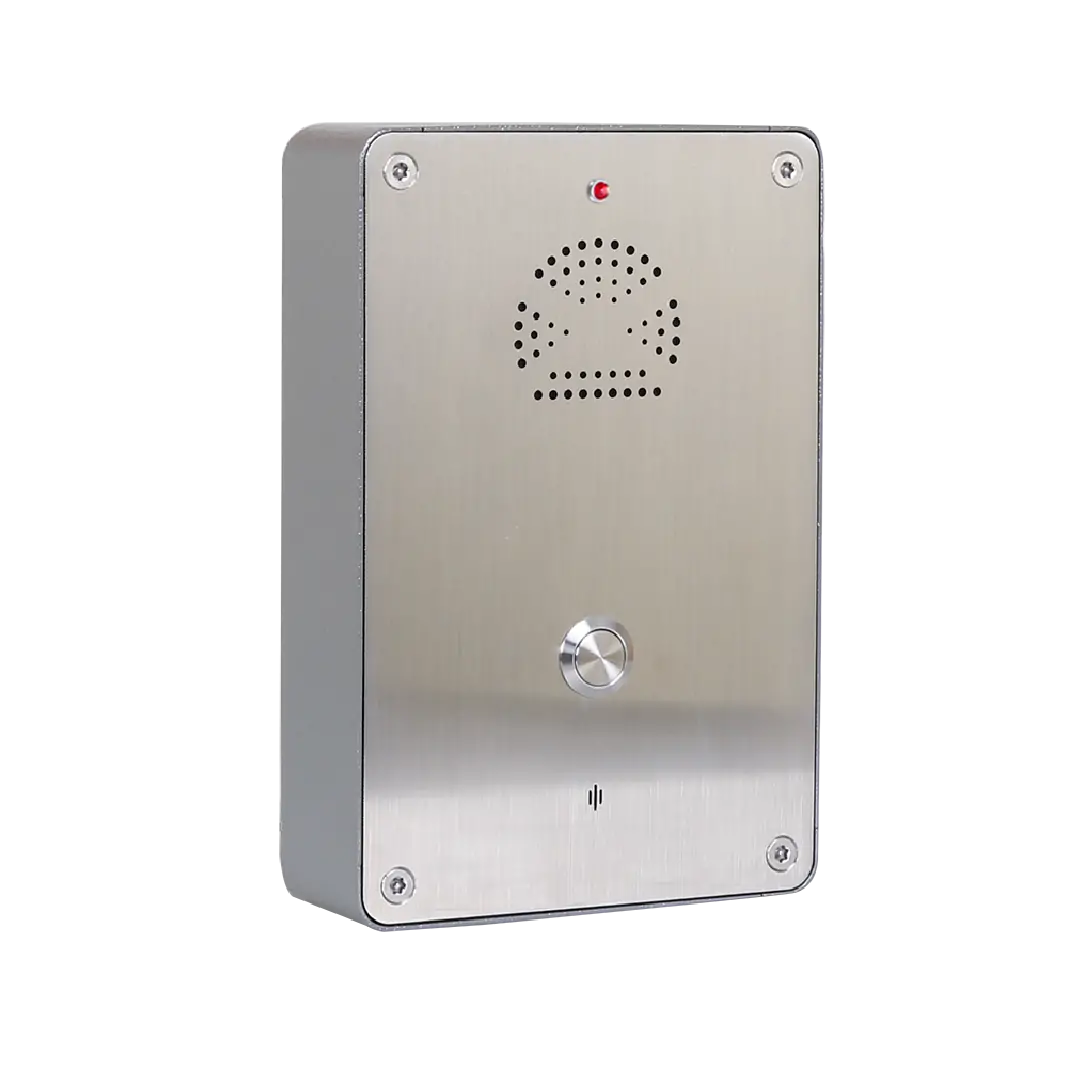
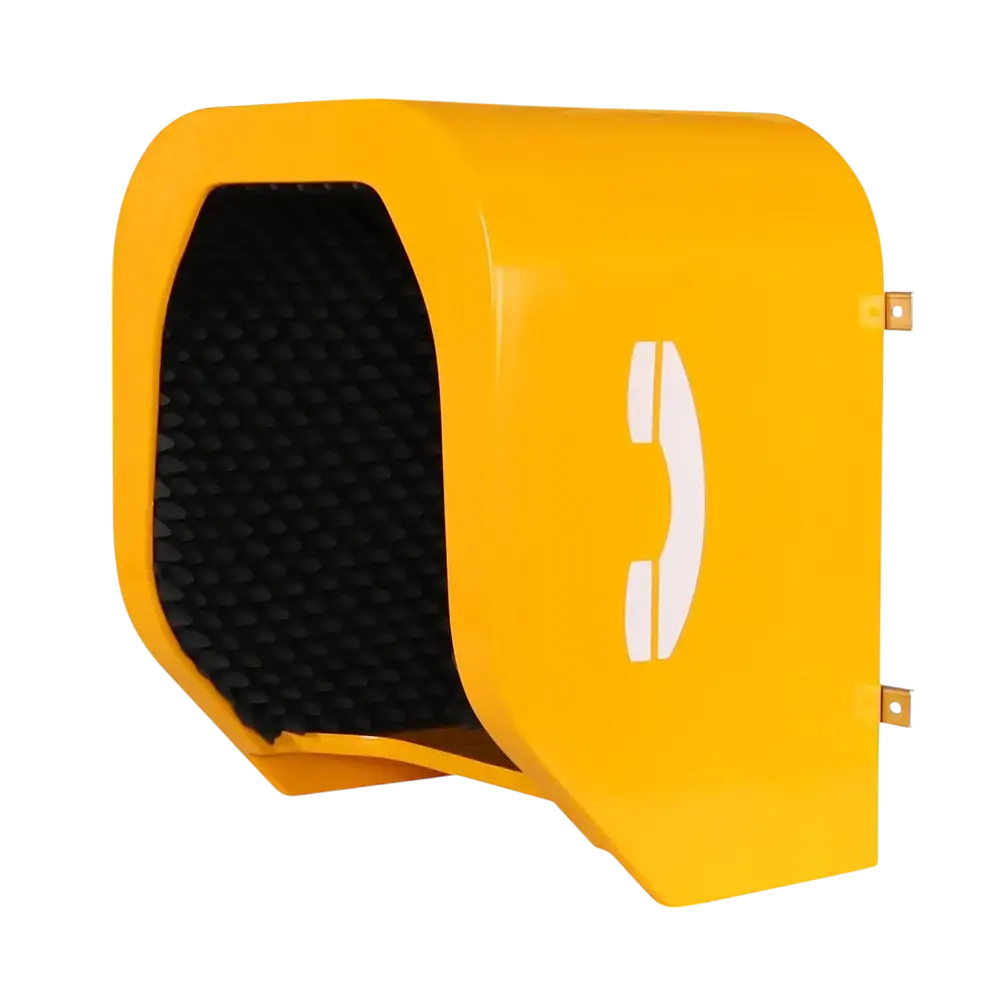
For example, devices like an explosion proof aluminum telephone are designed with durable metal housings that provide both mechanical protection and explosion containment in hazardous zones.
Selecting the appropriate materials ensures that communication equipment remains safe and reliable even under extreme conditions.
Certification Requirements for Equipment
In addition to design considerations, equipment installed in hazardous locations must comply with strict certification requirements.
These certifications verify that equipment has been tested and approved for use in explosive atmospheres.
Common certification systems include:
-
ATEX certification used within the European Union
-
IECEx certification recognized internationally
-
National or regional safety standards in specific markets
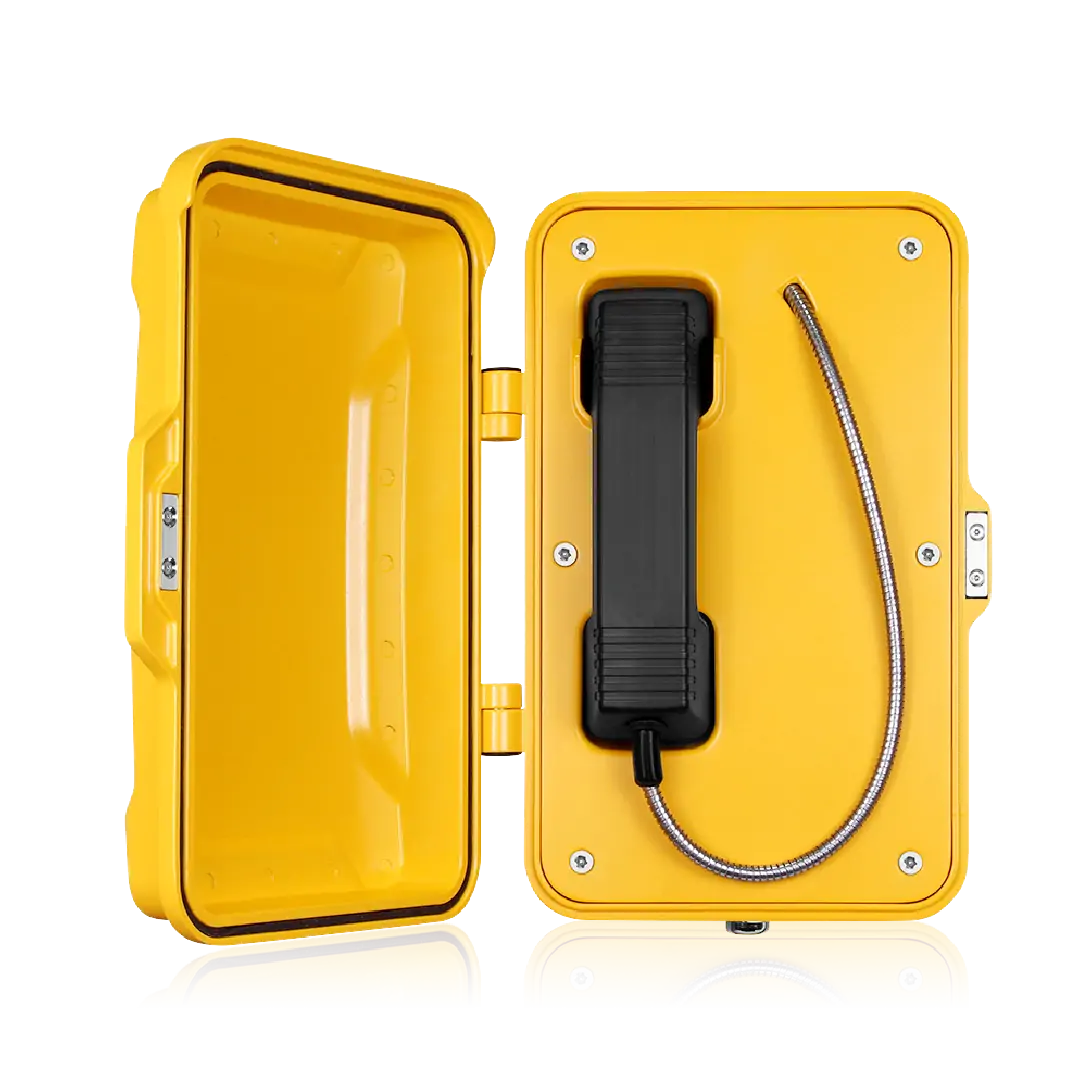
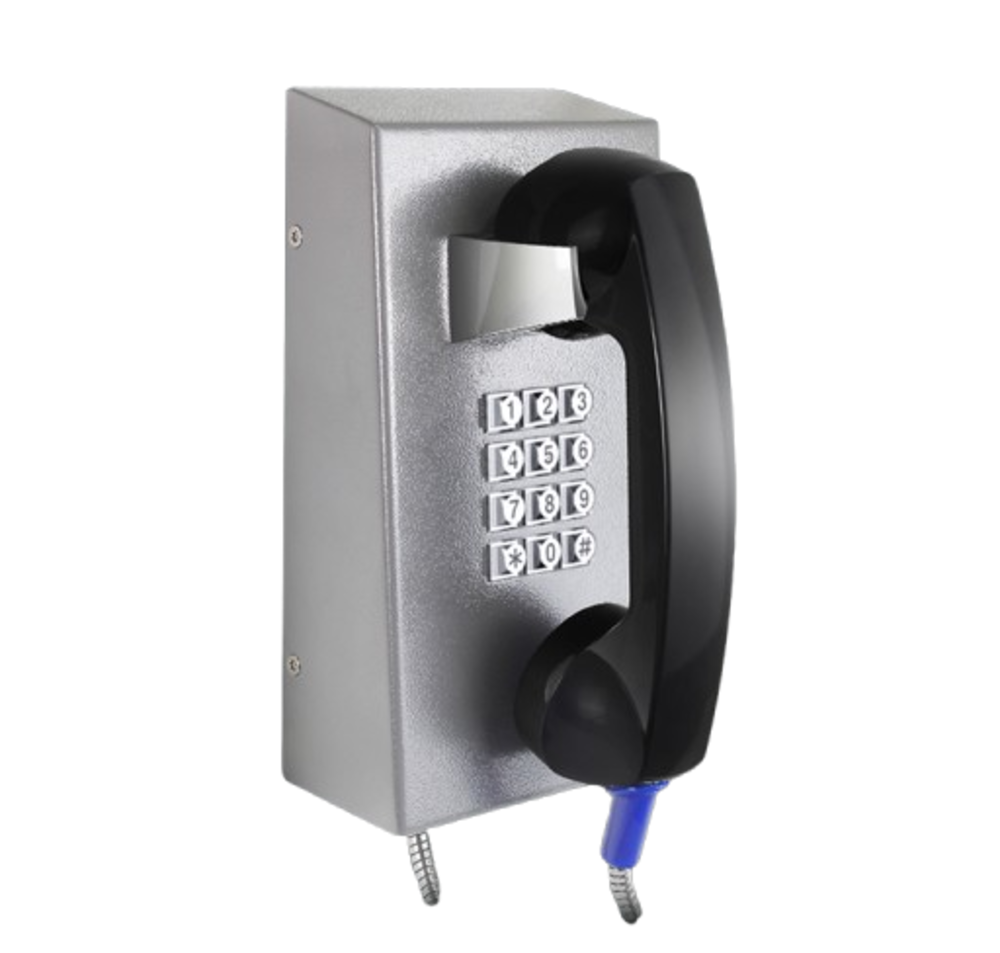
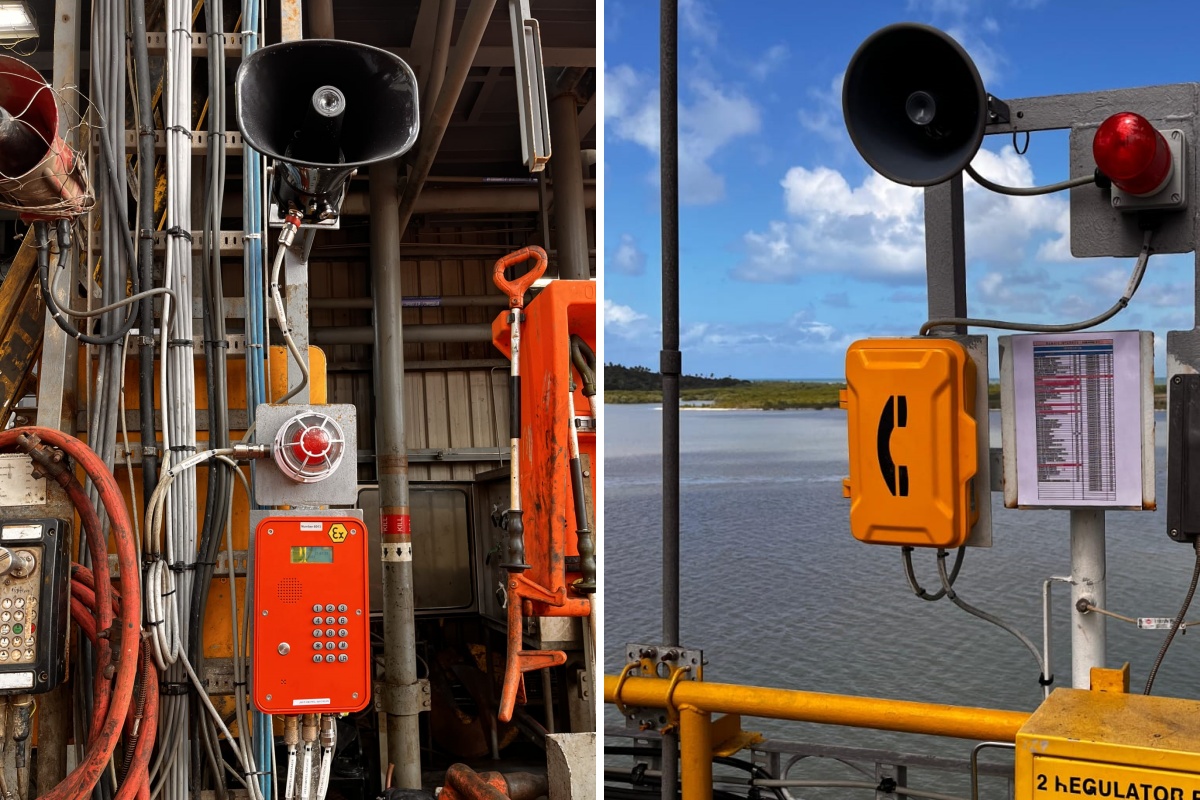
Communication equipment deployed in hazardous areas—such as industrial telephones and emergency communication devices—must meet the required certification level corresponding to the specific hazardous zone.
Without proper certification, equipment cannot legally be installed in many industrial facilities.
Examples of Application
The role of hazardous area classification becomes clearer when examining real industrial applications.
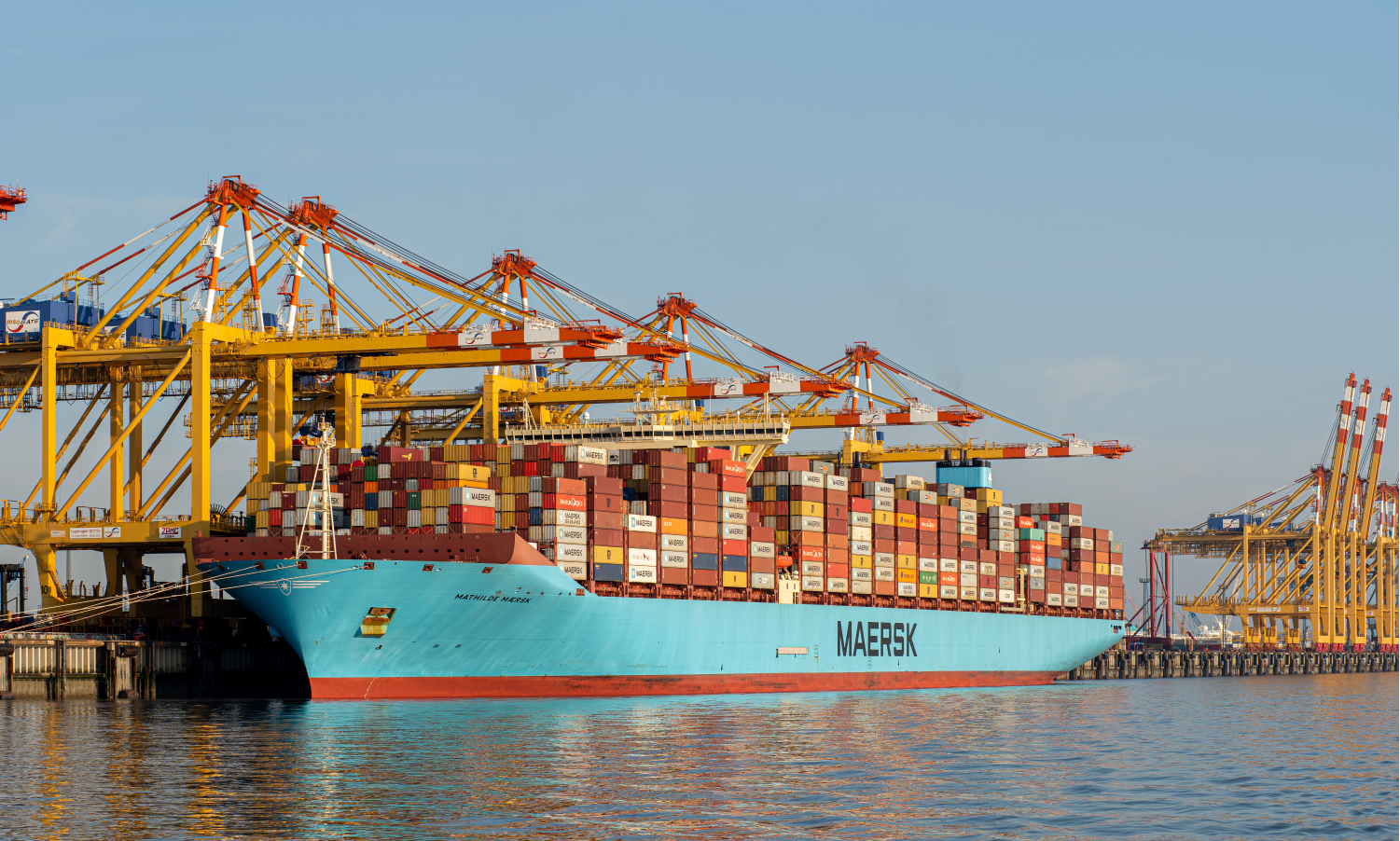
In oil and gas facilities, communication devices installed near drilling or refining equipment must meet strict explosion-proof requirements.
In chemical processing plants, operators rely on reliable communication systems to coordinate operations and respond to emergencies.
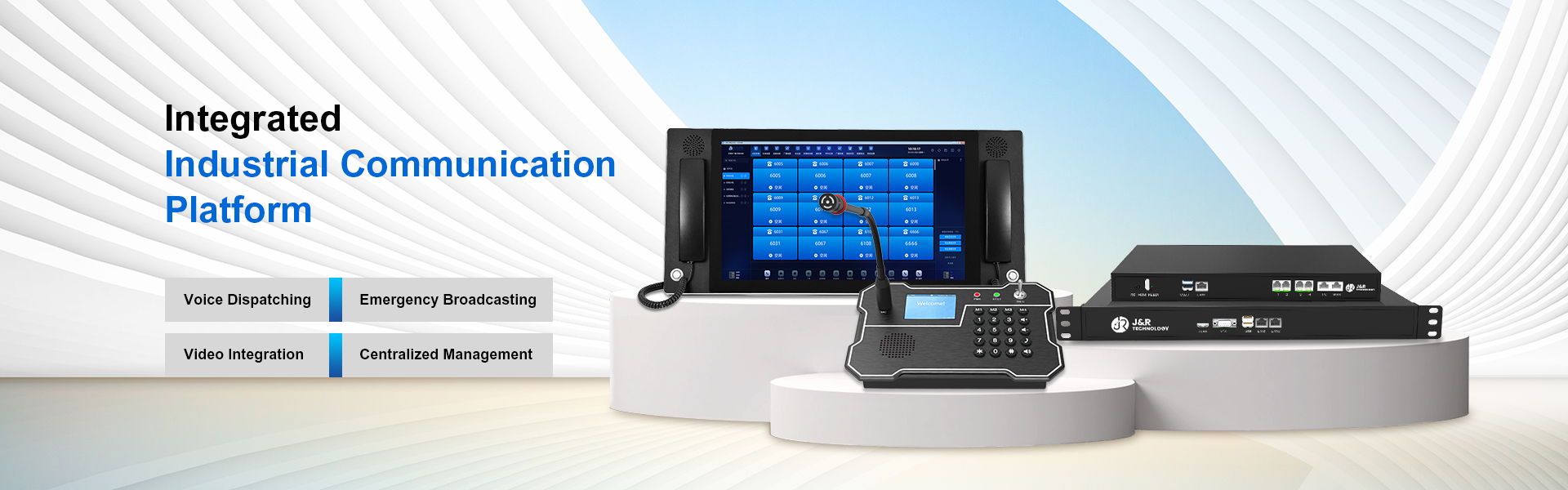
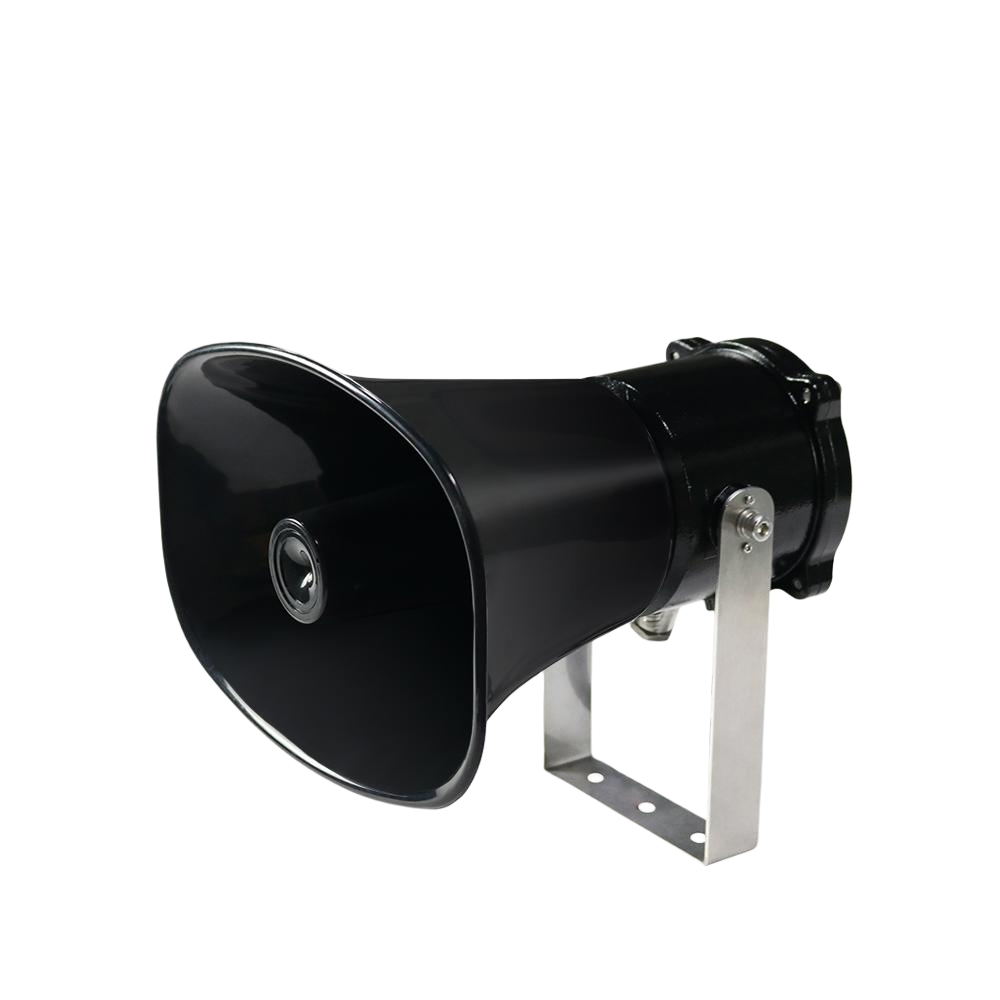
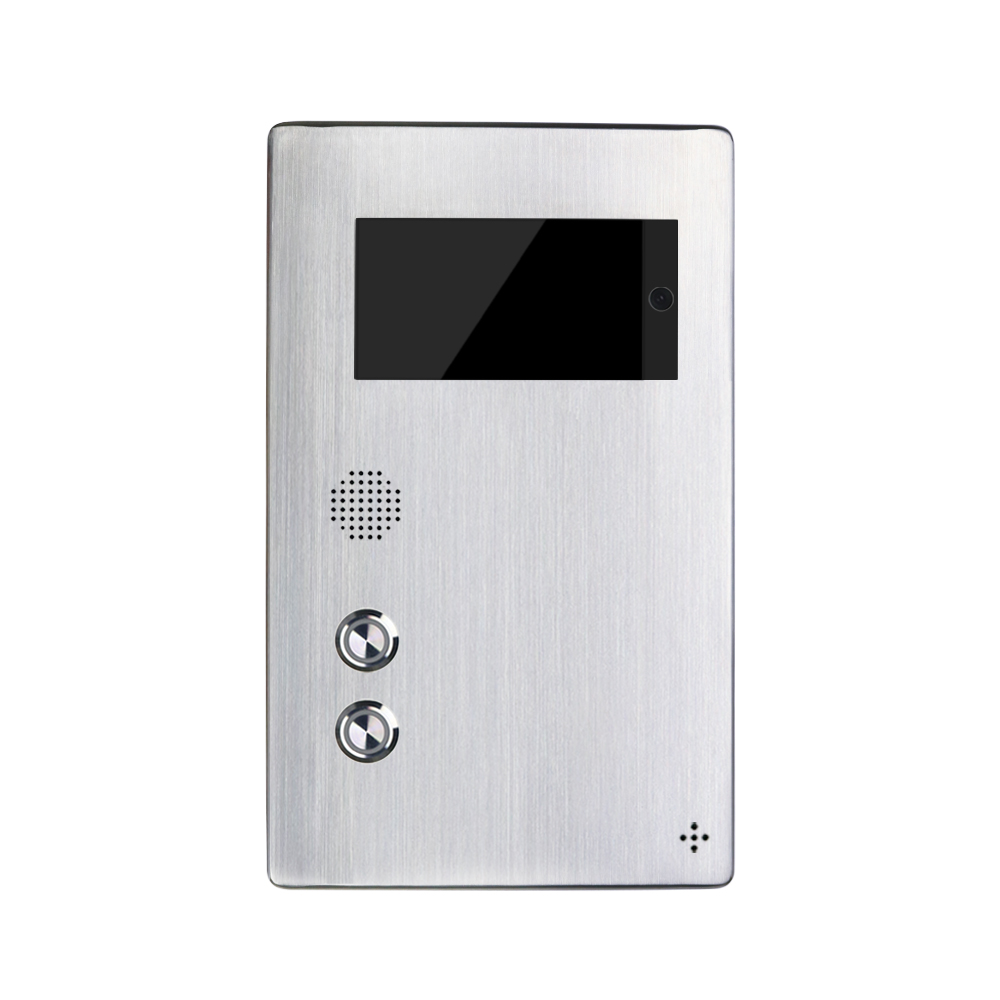
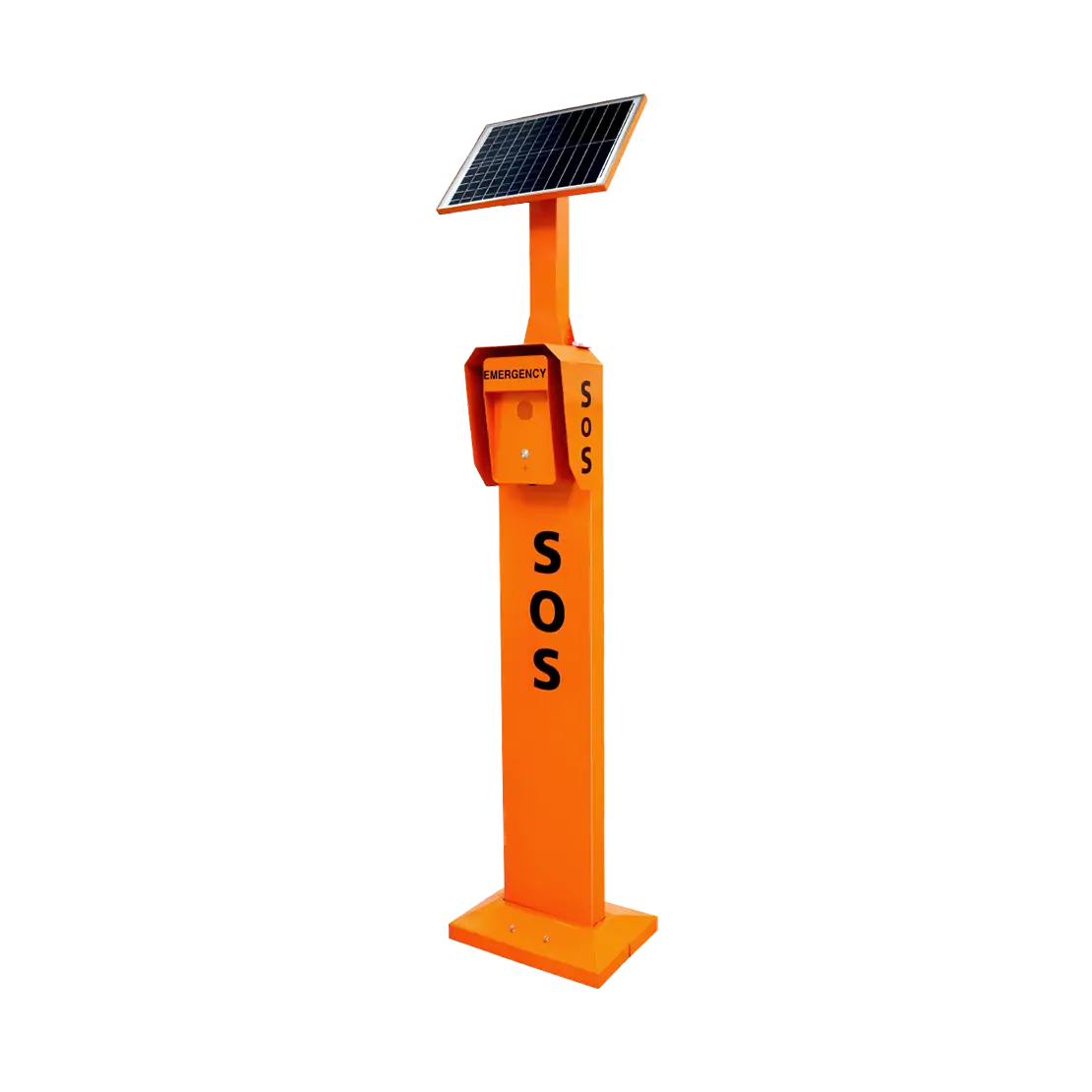
Industrial sites often deploy an intercom communication system to ensure instant voice communication between control rooms, production areas, and safety stations.
By aligning equipment specifications with hazardous area classifications, organizations can ensure both safety compliance and effective communication across critical infrastructure.
Compliance and Audit Process
Maintaining compliance with hazardous area regulations involves more than simply installing certified equipment. Facilities must also implement proper inspection and auditing procedures.
Typical compliance processes include:
-
Verifying hazardous area classification documentation
-
Confirming equipment certification and installation standards
-
Conducting routine inspections and maintenance
-
Maintaining detailed safety records for regulatory audits
Regular audits ensure that equipment continues to meet safety requirements throughout its operational life.
Conclusion
Hazardous area classification plays a crucial role in determining how industrial equipment should be designed, certified, and installed. By identifying potential explosion risks and defining protection levels, classification systems guide engineers in selecting appropriate communication equipment for hazardous environments.
When industrial telephones and communication systems are properly matched to their hazardous zones, organizations can maintain reliable communication while meeting strict safety standards.


 Prisons & Correctional Facilities
 Transportation & Underground Infrastructure
 Critical Industrial & Energy Facilities
 Marine & Offshore
 Manufacturing Plant & Public Facilities