In industries such as oil and gas, chemical processing, mining, and manufacturing, safety regulations play a critical role in preventing accidents. Many industrial sites contain environments where flammable gases, vapors, or combustible dust may be present. These environments are known as hazardous areas.
Understanding what is hazardous area is essential when selecting communication equipment such as industrial telephones, intercom systems, and emergency communication devices. Equipment used in these environments must be specially designed to prevent sparks, overheating, or other ignition sources that could trigger explosions.
This article explains the definition of hazardous areas, relevant standards, and how they influence the selection of industrial communication equipment.
Introduction to Hazardous Area Classification
To understand what is hazardous area, it is important to first look at how these environments are classified.
A hazardous area is a location where explosive atmospheres may occur due to the presence of flammable gases, vapors, or combustible dust. These environments are typically divided into zones based on the likelihood and duration of explosive atmospheres.
Common classification systems include:
Gas hazard zones
-
Zone 0 – Explosive gas atmosphere present continuously or for long periods
-
Zone 1 – Explosive atmosphere likely to occur during normal operation
-
Zone 2 – Explosive atmosphere unlikely but possible for short durations
Dust hazard zones
-
Zone 20 – Combustible dust present continuously
-
Zone 21 – Dust likely to occur occasionally
-
Zone 22 – Dust unlikely but possible temporarily
Understanding these classifications helps engineers determine the required protection level for equipment used in these environments.
Requirements for Regulations and Standards
Once the concept of what is hazardous area is understood, the next step is considering regulatory requirements.
Various international standards regulate equipment used in hazardous locations. These standards ensure that electrical devices do not become ignition sources.
Key certification systems include:
-
ATEX certification used within the European Union
-
IECEx certification recognized internationally
-
National standards applied in certain countries
Industrial communication equipment must comply with these standards to be installed safely in hazardous environments.
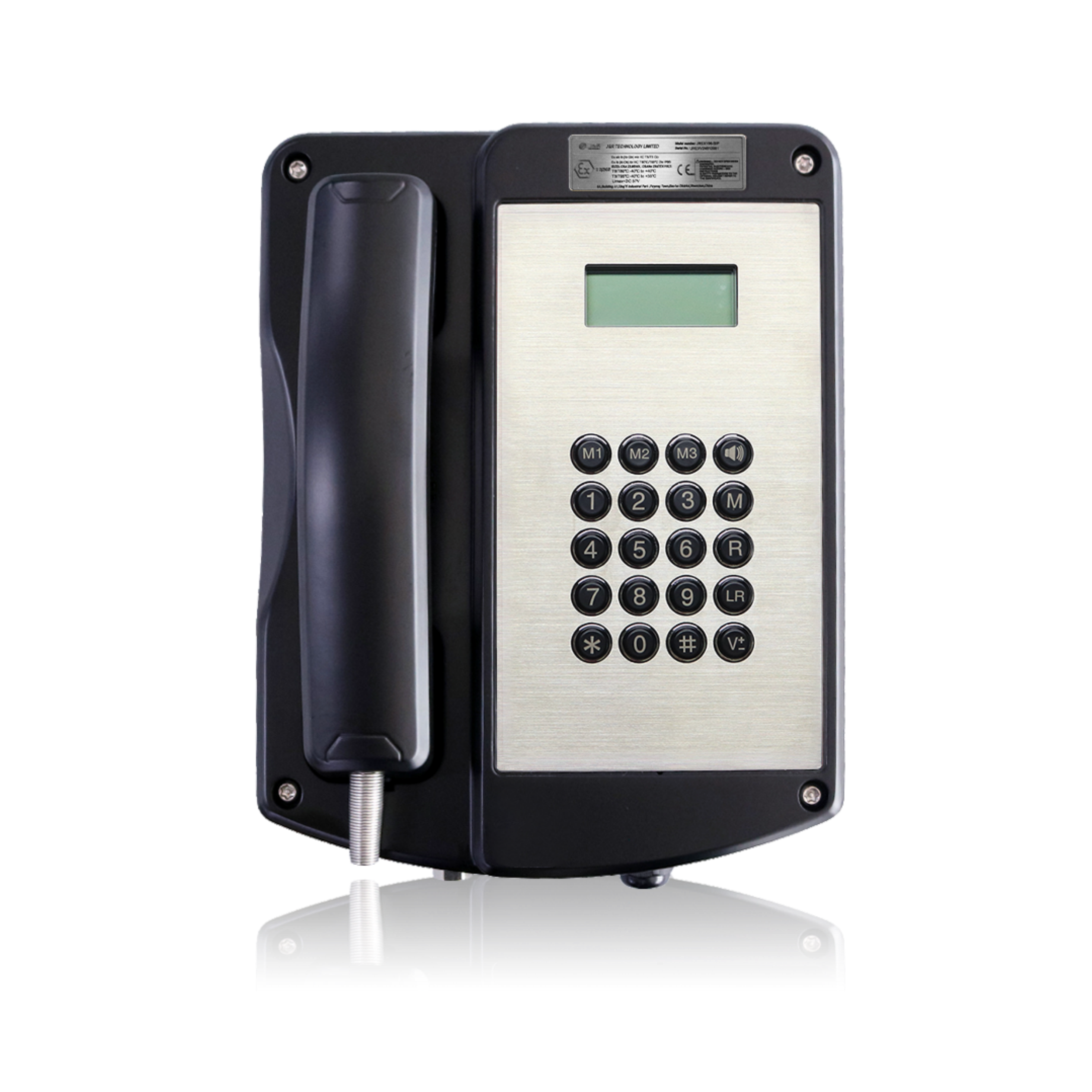
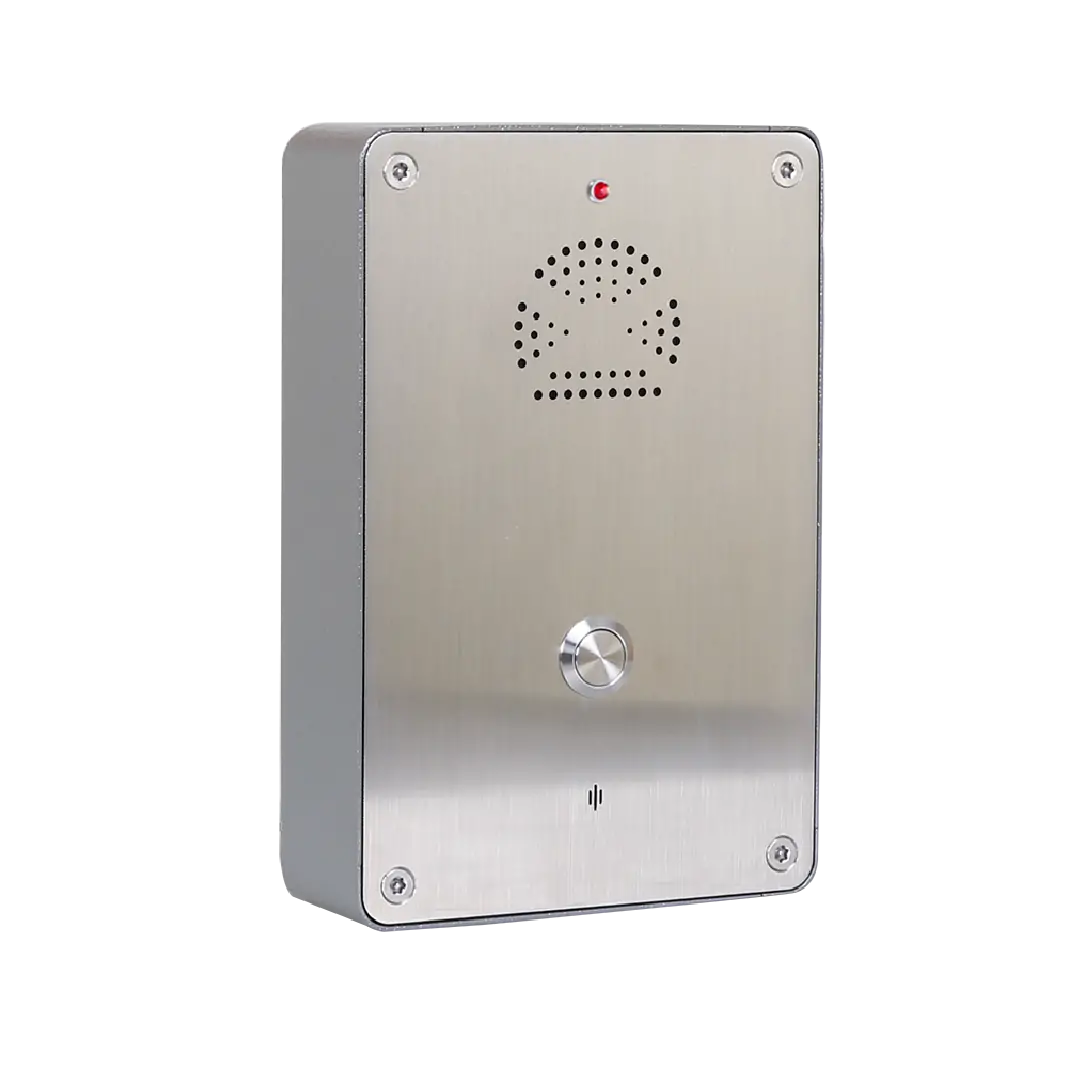
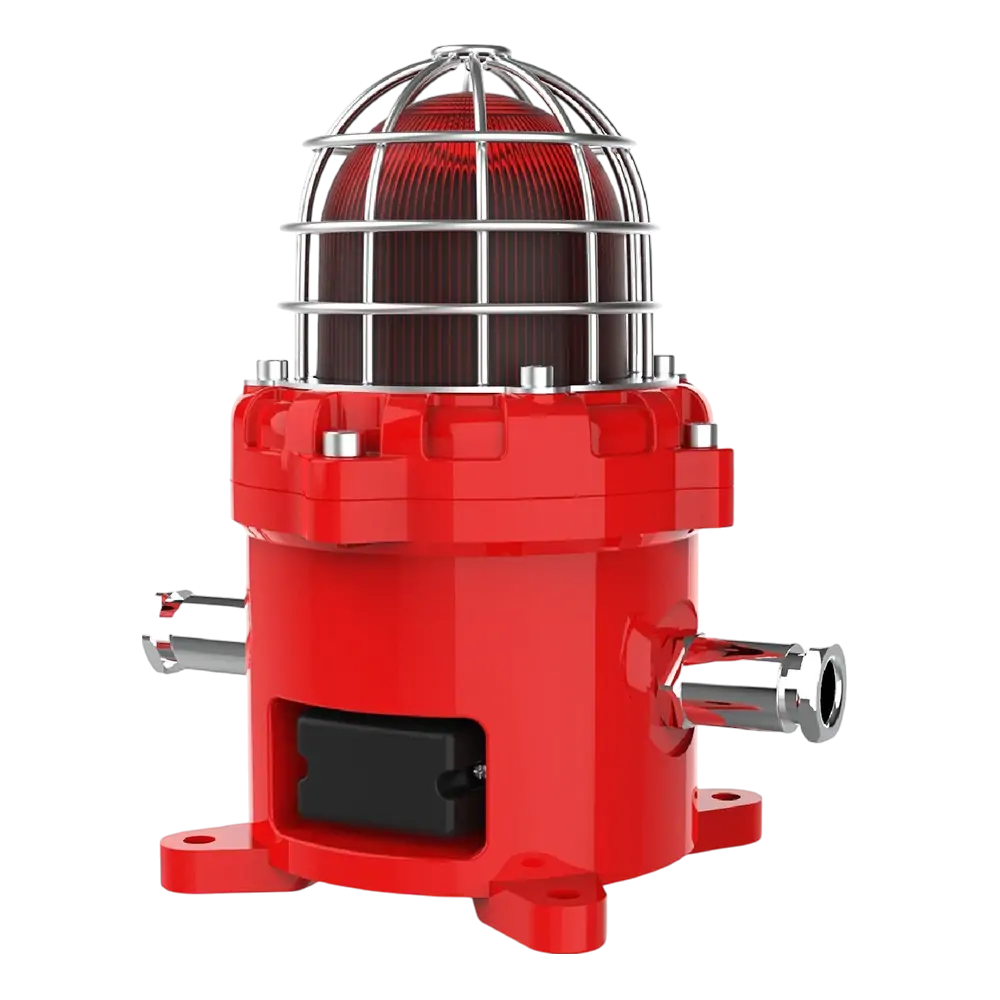
For example, explosion-proof telephones and communication terminals are commonly used in petrochemical plants and offshore platforms where strict safety regulations apply.
Risk Assessment of Communication Equipment
Risk assessment plays a major role in determining what type of communication equipment can be deployed in hazardous locations.
When evaluating what is hazardous area for communication infrastructure, engineers typically consider:
Ignition risks
Electrical equipment may produce sparks or heat during operation.
Environmental conditions
Extreme temperatures, humidity, corrosion, or dust may affect equipment reliability.
Operational requirements
Communication devices must remain functional during emergencies.
Because communication is essential for safety coordination, reliable systems such as an intercom communication system are often integrated into industrial safety infrastructure.
Proper risk evaluation ensures that communication equipment does not introduce additional hazards.
Equipment Selection Strategies
Selecting communication devices for hazardous areas requires careful consideration of safety certifications and environmental conditions.
Important selection criteria include:
Explosion protection certification
Equipment must meet the appropriate certification level for the hazardous zone.
Rugged industrial design
Devices should withstand vibration, moisture, and harsh operating environments.
Clear communication capability
Industrial sites often have high noise levels, so devices must provide clear audio transmission.
System compatibility
Industrial telephones should integrate with dispatch systems, alarms, and other communication infrastructure.
By aligning equipment selection with hazard classification and operational needs, organizations can ensure safe and reliable communication systems.
Maintenance and Inspection Essentials
Even properly certified equipment requires regular maintenance to maintain safety compliance.
Routine maintenance practices include:
-
Inspecting communication devices for damage or wear
-
Verifying proper sealing and enclosure integrity
-
Testing communication performance and call functionality
-
Ensuring compliance with certification requirements
Regular inspections help prevent equipment failures and ensure that communication systems remain reliable in critical situations.
Conclusion
Understanding what is hazardous area is essential for any organization operating in industries where explosive atmospheres may exist. Hazardous area classification, regulatory standards, and proper equipment selection all play a role in maintaining safe operations.
When industrial telephones and communication systems are designed and deployed according to these safety principles, they become an essential part of workplace safety infrastructure—helping protect personnel while maintaining reliable communication in demanding environments.


 Prisons & Correctional Facilities
 Transportation & Underground Infrastructure
 Critical Industrial & Energy Facilities
 Marine & Offshore
 Manufacturing Plant & Public Facilities