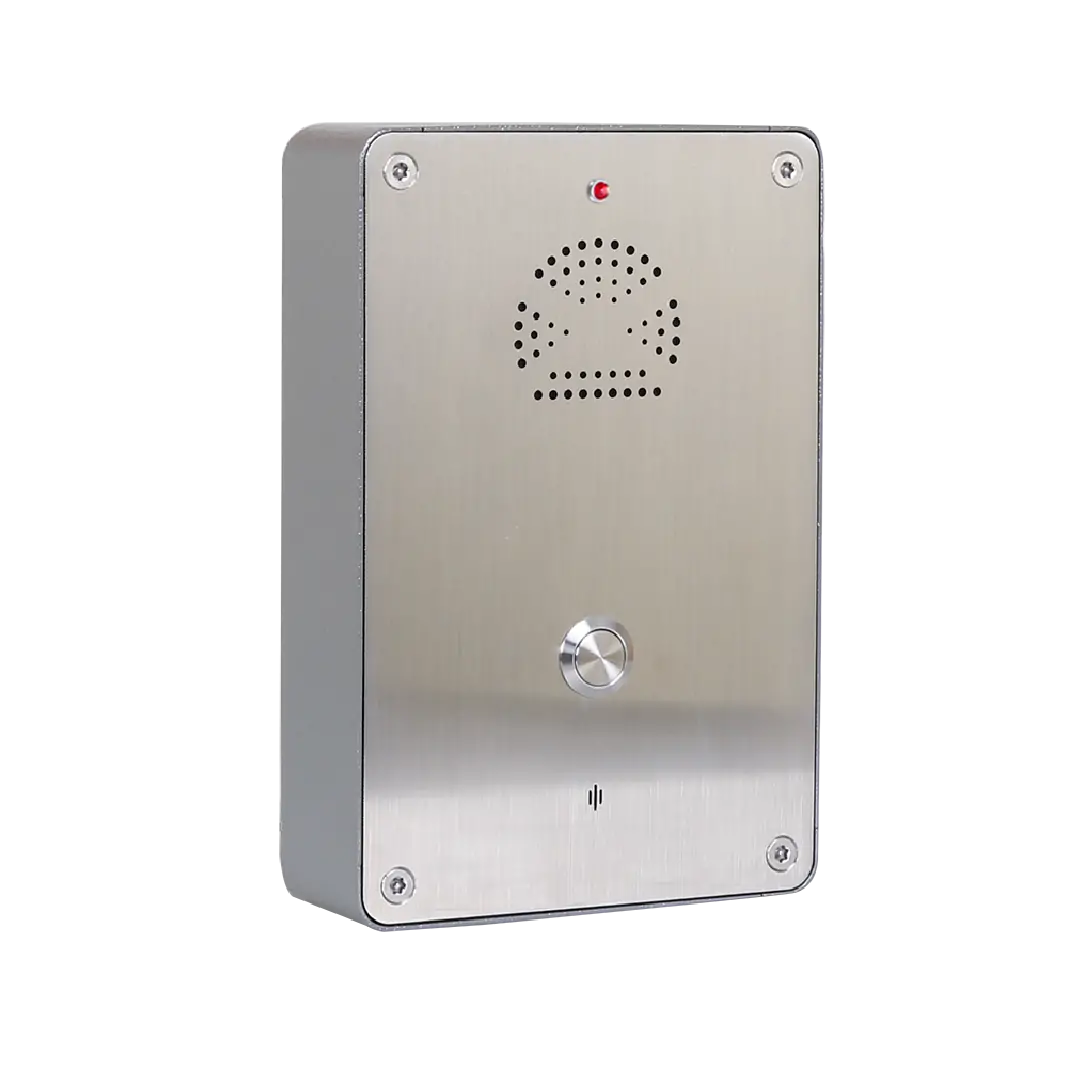
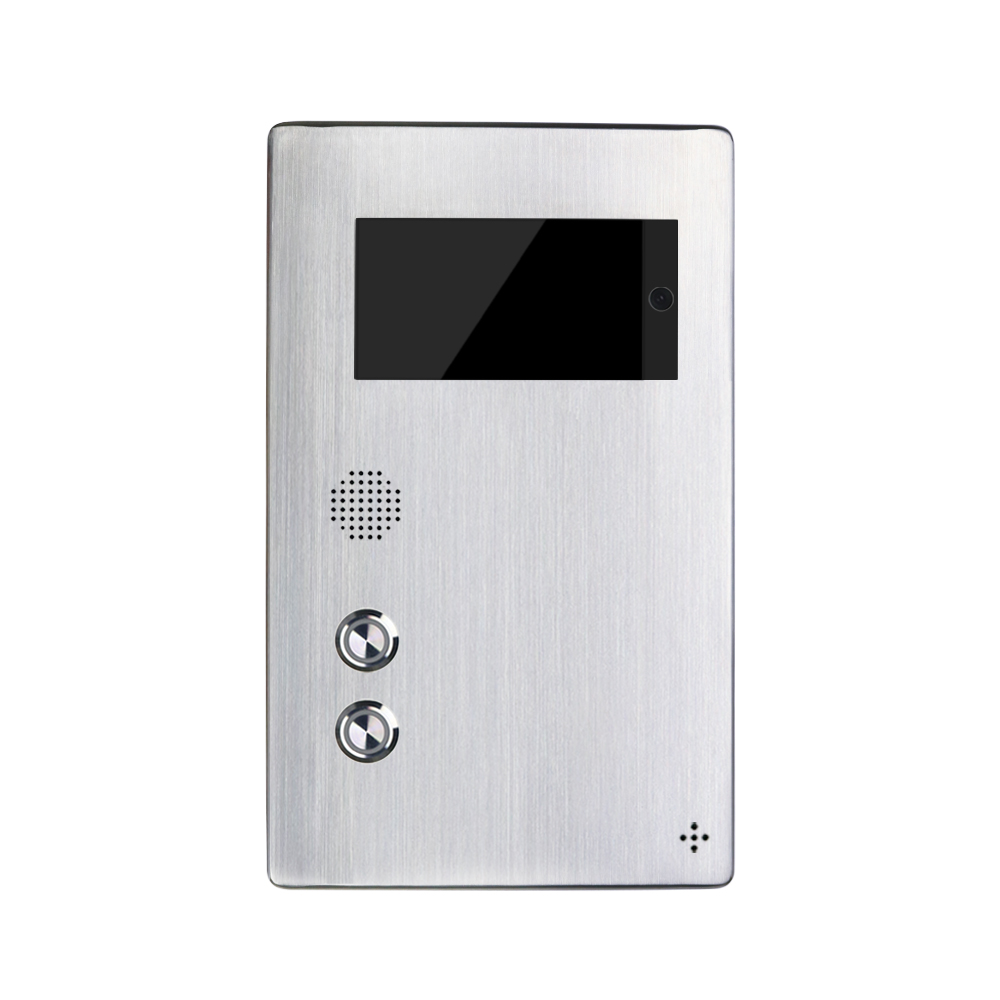
Communication systems play a critical role in correctional facilities. They not only allow controlled contact between inmates and authorized personnel but also support internal coordination among security staff.
Over the past several decades, prison communication technology has undergone significant transformation. The prison telephone evolution reflects broader advances in telecommunications—from simple analog telephones to modern IP-based and video communication systems.
Understanding this evolution helps correctional authorities deploy safer, more efficient, and more controllable communication infrastructure.
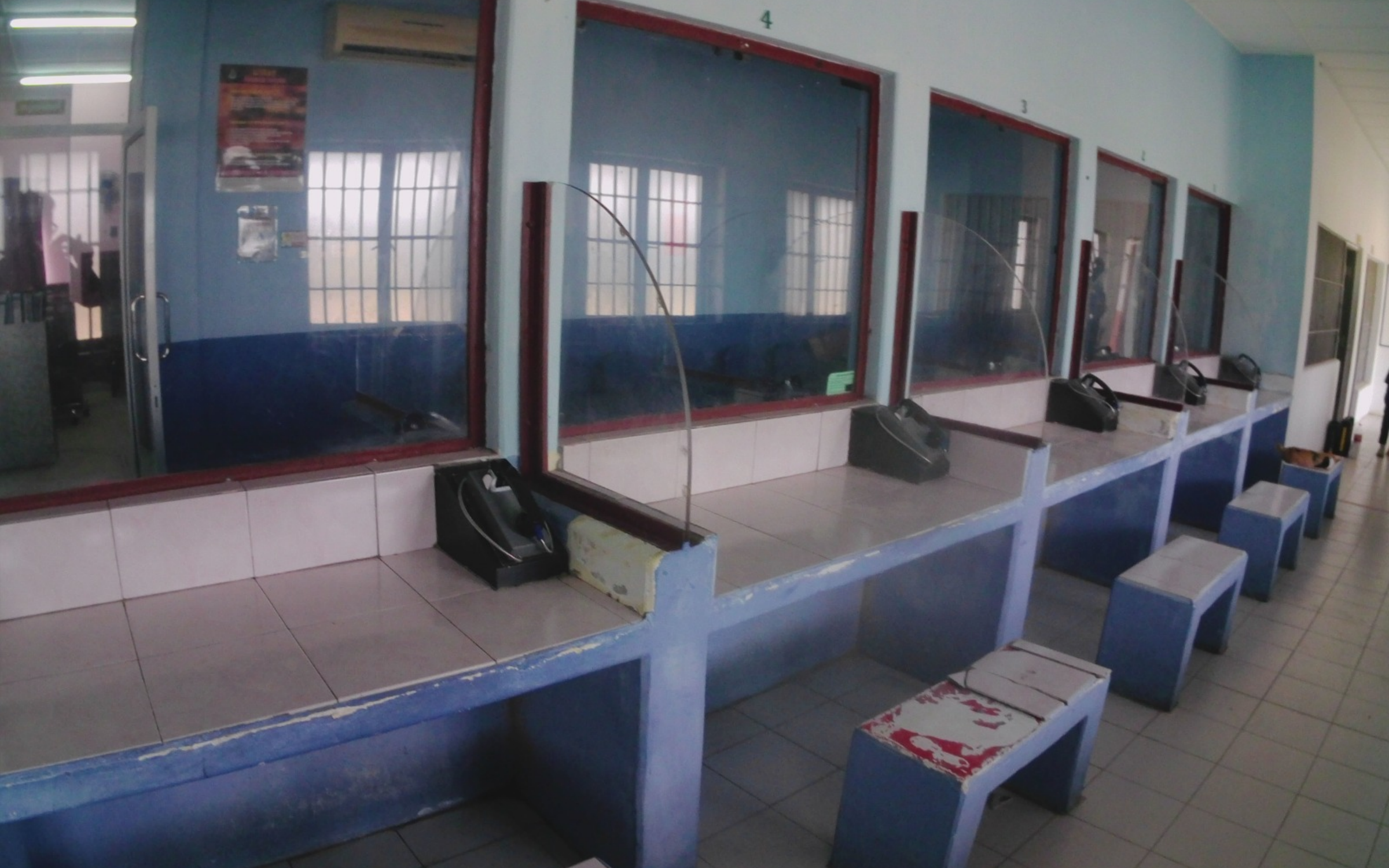
History of Analog Telephone Systems in Prisons
Early prison communication systems were primarily based on analog telephone technology. These systems provided a basic but reliable method for voice communication within correctional facilities.
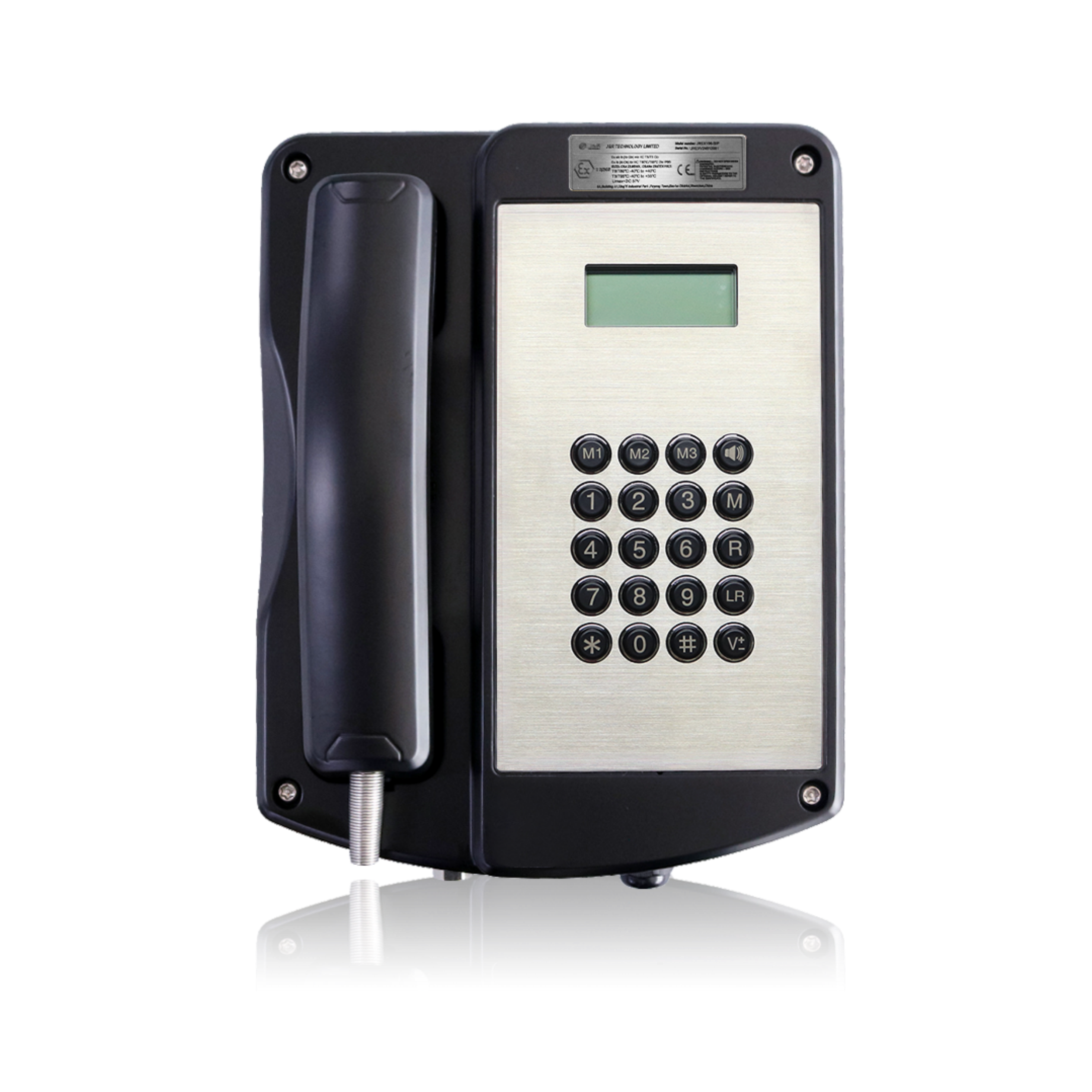
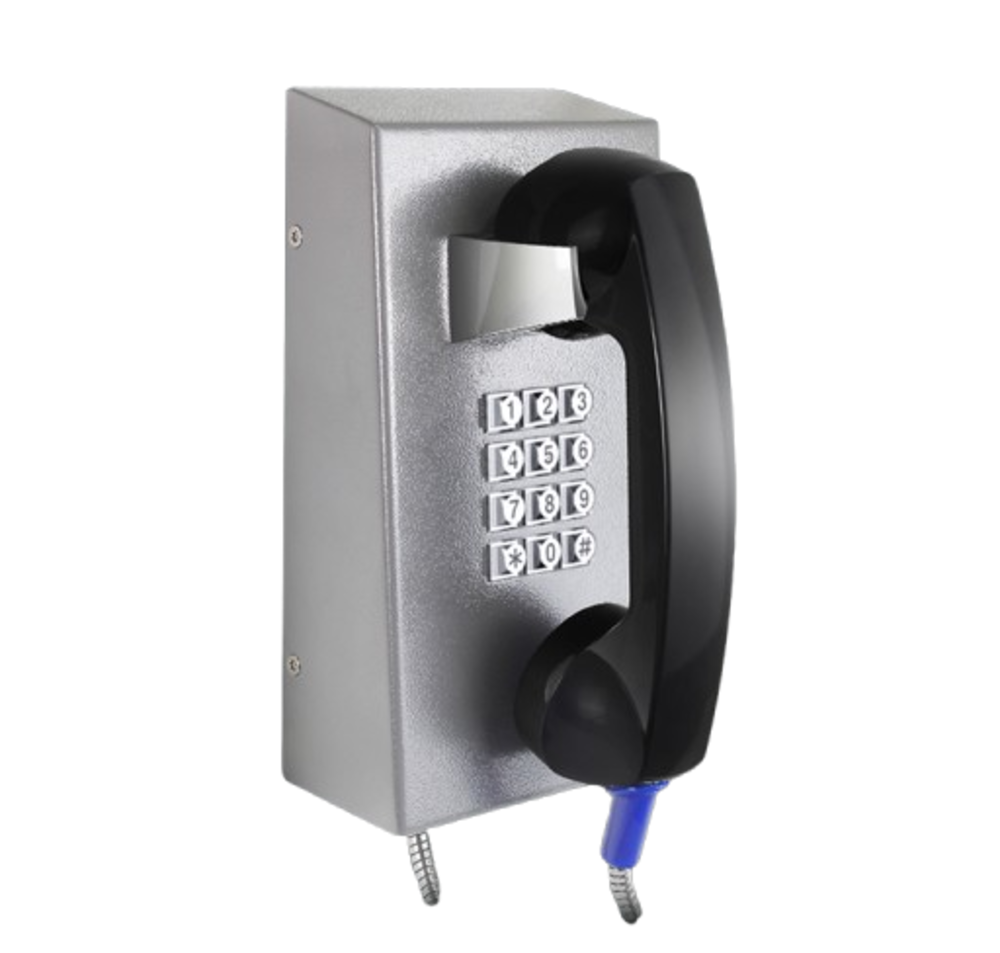
Analog prison telephones were typically ruggedized devices designed to withstand heavy usage and potential vandalism. Key characteristics included:
-
Metal housings for durability
-
Tamper-resistant components
-
Limited dialing capabilities
-
Centralized monitoring by prison authorities
Although these systems were relatively simple, they served as the foundation for controlled inmate communication.
However, analog systems also had limitations. They offered limited scalability, basic monitoring capabilities, and minimal integration with modern digital management platforms. As prison security requirements increased, more advanced communication solutions became necessary.
Transition to IP-Based Communication Systems
With the rapid development of digital networking, correctional facilities began transitioning from analog infrastructure to IP-based communication systems.
This shift marked a major milestone in the prison telephone evolution, enabling greater flexibility and system integration.
IP-based prison communication systems provide several advantages:
-
Centralized management through network platforms
-
Enhanced call monitoring and recording
-
Improved scalability for large facilities
-
Integration with security systems
Many IP systems rely on technologies explained in what is SIP protocol, which enables voice communication over IP networks.
Through IP-based systems, prison administrators can monitor call activity, manage user permissions, and integrate communication with broader security systems.
Introduction of Audio Telephone Systems
As communication technology advanced, correctional facilities also began implementing dedicated inmate audio telephone systems designed specifically for controlled communication.
These systems improved security and monitoring capabilities by introducing features such as:
-
Call recording and archiving
-
Call scheduling and authorization control
-
Blacklists and whitelists for phone numbers
-
Real-time supervision by security staff
This stage of the prison telephone evolution emphasized balancing communication rights with security requirements.
Audio communication systems also allowed facilities to manage higher call volumes while maintaining strict monitoring policies.
Advancement to Video Telephone Systems
In recent years, many correctional institutions have adopted video communication technologies as part of their inmate communication infrastructure.
Video systems allow controlled face-to-face interaction between inmates and external contacts while maintaining security supervision.
Compared with traditional audio communication, video systems offer additional benefits:
-
Visual identity verification
-
Reduced need for in-person visitation
-
Improved family communication
-
Enhanced monitoring capabilities
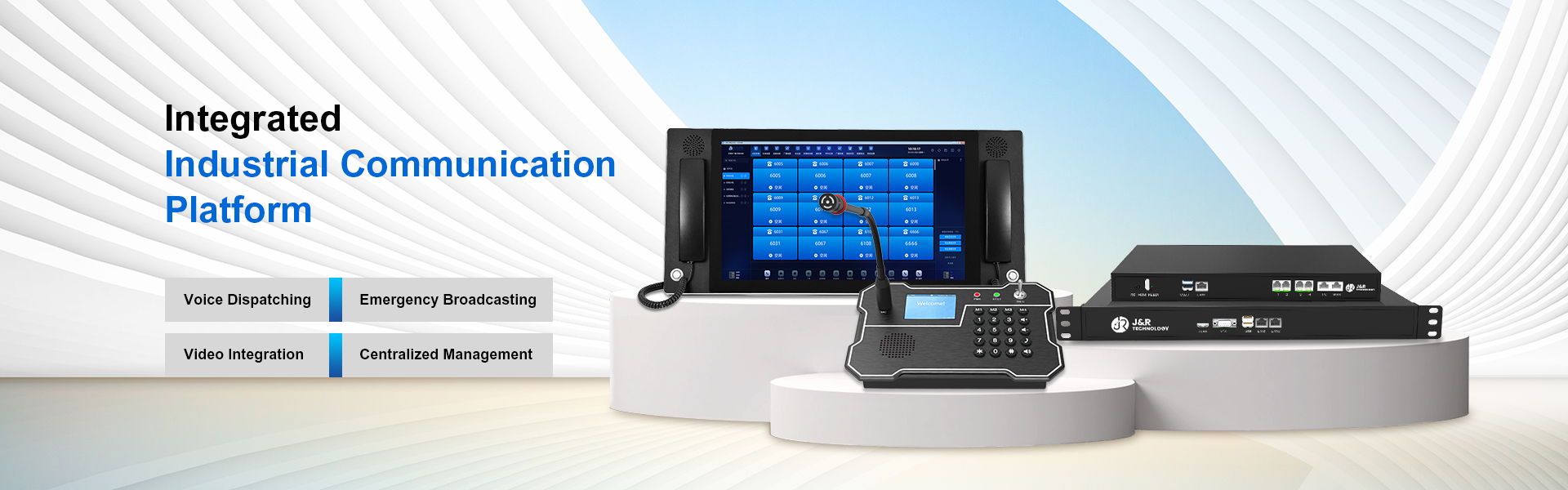
Modern systems often incorporate video intercom technologies, enabling secure audiovisual communication between different areas of a facility or between inmates and remote users.
This stage represents one of the most significant developments in the prison telephone evolution, combining digital communication with advanced security management.
Future Trends in Prison Communication Technologies
The prison telephone evolution continues as new technologies reshape correctional communication systems.
Several trends are expected to influence future development:
Integrated communication platforms
Voice, video, and data services will be managed through unified communication systems.
Cloud-based communication management
Some facilities are exploring cloud platforms for call management and system monitoring.
Artificial intelligence monitoring
AI-powered analytics may help detect suspicious communication patterns.
Improved cybersecurity protections
As communication systems become more connected, stronger network security measures will become essential.
These innovations aim to improve operational efficiency while maintaining strict security standards.
Conclusion
The prison telephone evolution reflects the broader transformation of communication technology in critical infrastructure environments. From early analog telephones to modern IP networks and video communication systems, prison communication solutions have become more advanced, secure, and efficient.
By adopting modern communication technologies, correctional facilities can enhance both operational control and communication capabilities while maintaining the high security standards required in prison environments.


 Prisons & Correctional Facilities
 Transportation & Underground Infrastructure
 Critical Industrial & Energy Facilities
 Marine & Offshore
 Manufacturing Plant & Public Facilities