In industries such as oil and gas, mining, petrochemical processing, and chemical manufacturing, equipment used in hazardous areas must meet strict safety standards. These environments may contain flammable gases, vapors, or combustible dust, making explosion protection a critical requirement.
Two of the most widely recognized certification systems for hazardous-area equipment are IECEx and ATEX. Understanding the differences between these standards is essential when selecting communication equipment for industrial environments.
This article explores IECEx vs ATEX, examining their principles, certification requirements, and practical application scenarios to help organizations choose the most suitable standard.
IECEx and ATEX Fundamentals
When discussing IECEx vs ATEX, it is important to understand that both systems aim to ensure equipment can operate safely in explosive atmospheres.
ATEX is a regulatory framework established by the European Union. It includes two main directives: one governing equipment used in explosive environments and another addressing workplace safety. Any equipment sold or installed within the European Economic Area must comply with ATEX requirements.
IECEx, on the other hand, is an international certification scheme developed by the International Electrotechnical Commission. It provides globally recognized standards for equipment used in hazardous locations.
While both systems focus on explosion protection, their scope differs:
For companies operating across multiple regions, understanding IECEx vs ATEX helps ensure compliance with local regulations while maintaining consistent safety standards.
Testing and Compliance Requirements
Certification under both systems involves rigorous testing to verify that equipment can safely operate in hazardous zones.
For ATEX certification, manufacturers must demonstrate compliance with European directives and relevant harmonized standards. The process typically involves testing conducted by notified bodies within the EU. Once approved, products receive the ATEX marking and can be sold within the European market.
IECEx certification follows a similar technical testing process but is managed through an international network of certification bodies. Equipment is tested according to IEC standards, and certification results are published in a publicly accessible database.
Despite their similarities, there are notable differences in IECEx vs ATEX compliance:
-
ATEX certification focuses on EU regulatory compliance.
-
IECEx provides globally recognized certification results.
-
Documentation and marking requirements differ between the two systems.
These differences can influence how manufacturers design and certify communication equipment for hazardous locations.
Application Scenarios Comparison
The choice between IECEx vs ATEX often depends on the geographic location of the project and the regulatory environment.
In Europe, ATEX certification is mandatory for equipment installed in hazardous areas. Industrial facilities such as refineries, chemical plants, and offshore platforms must use ATEX-certified devices.
In international markets, IECEx certification is widely accepted. Many countries in Asia-Pacific, the Middle East, and Africa recognize IECEx certification as a trusted safety standard.
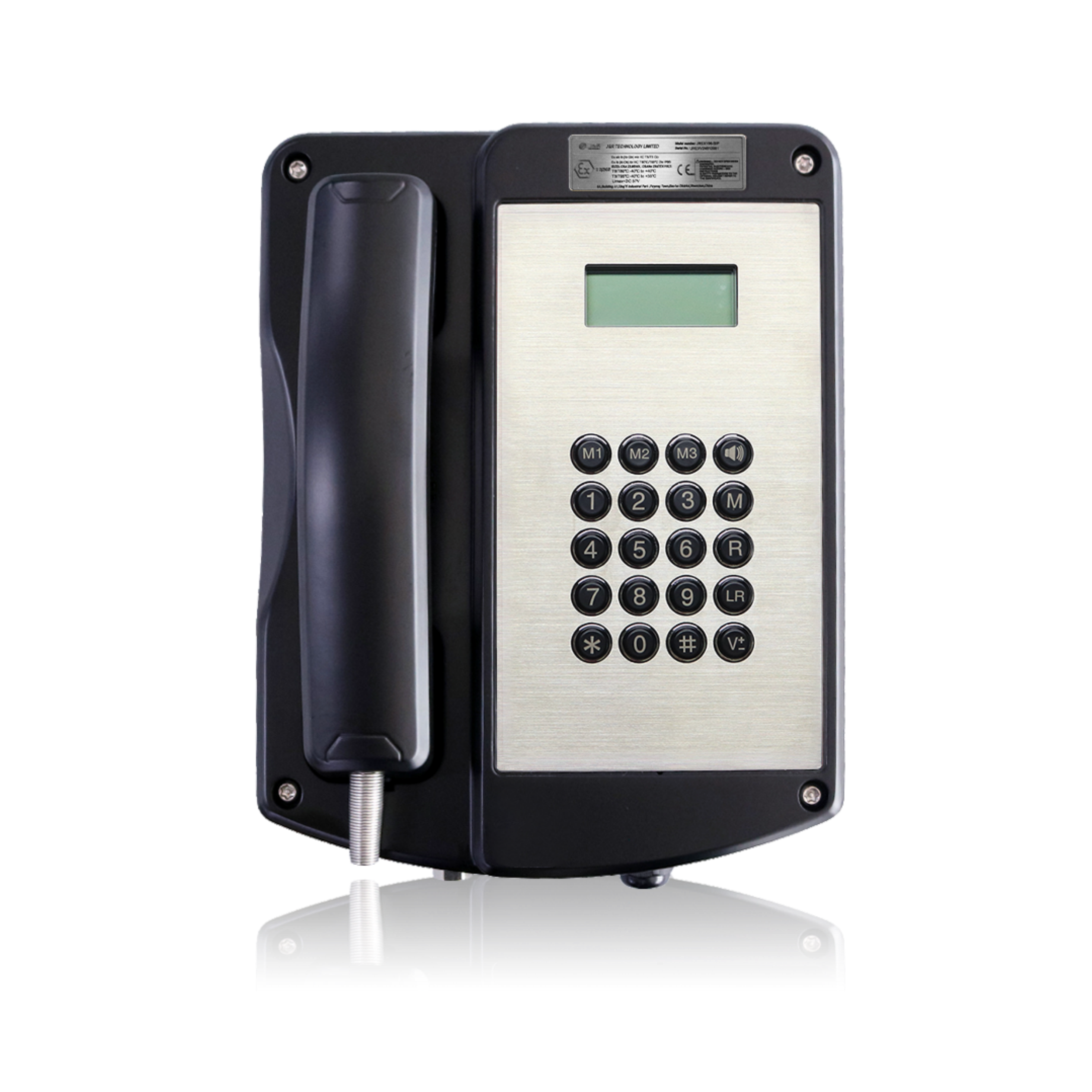
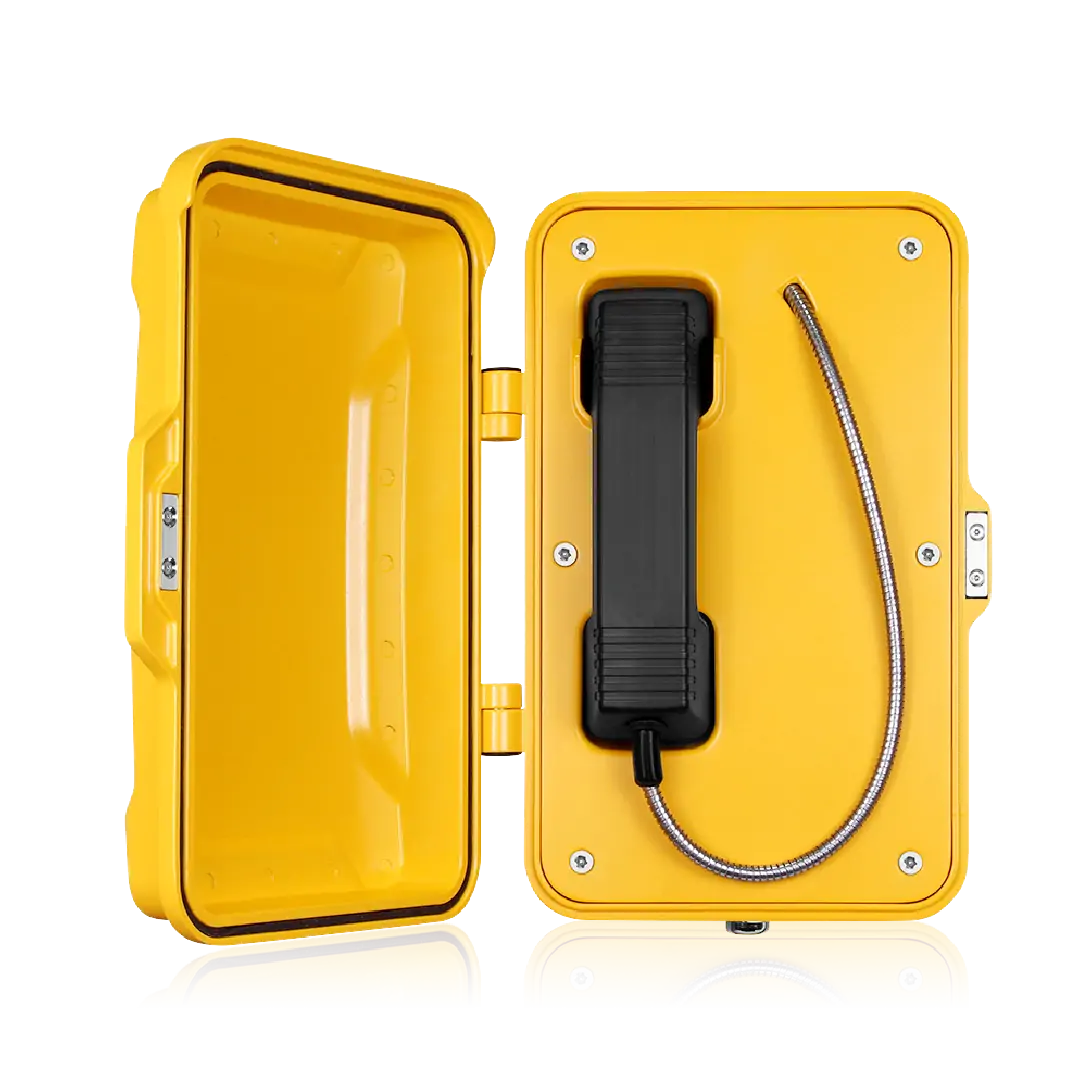
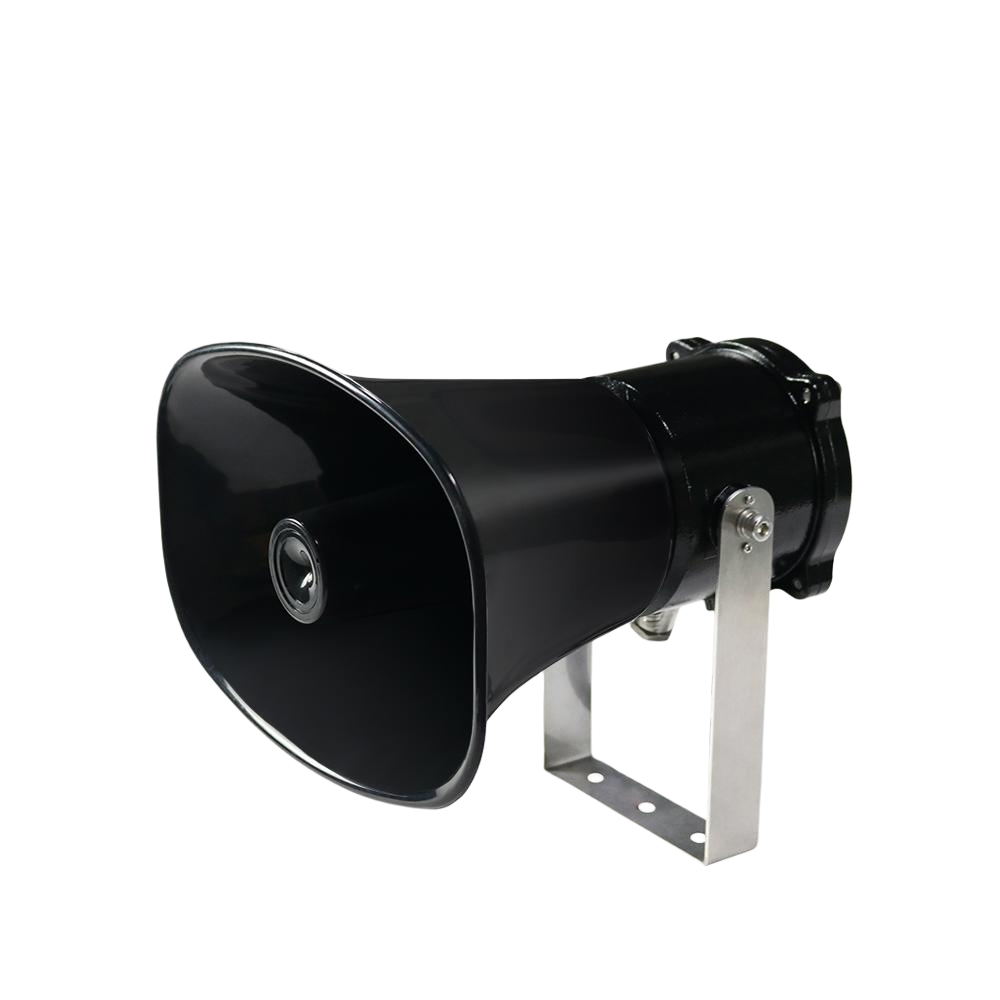
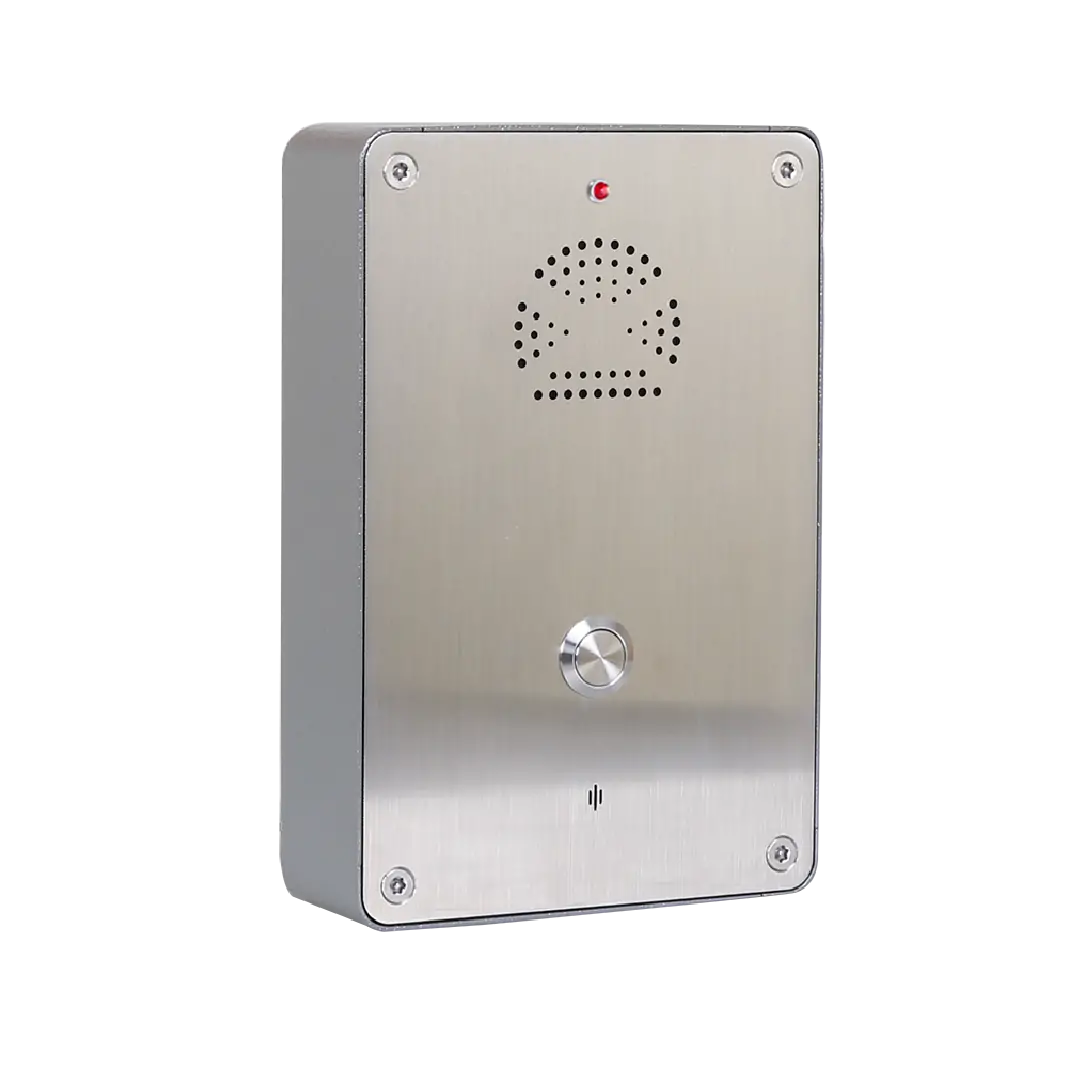
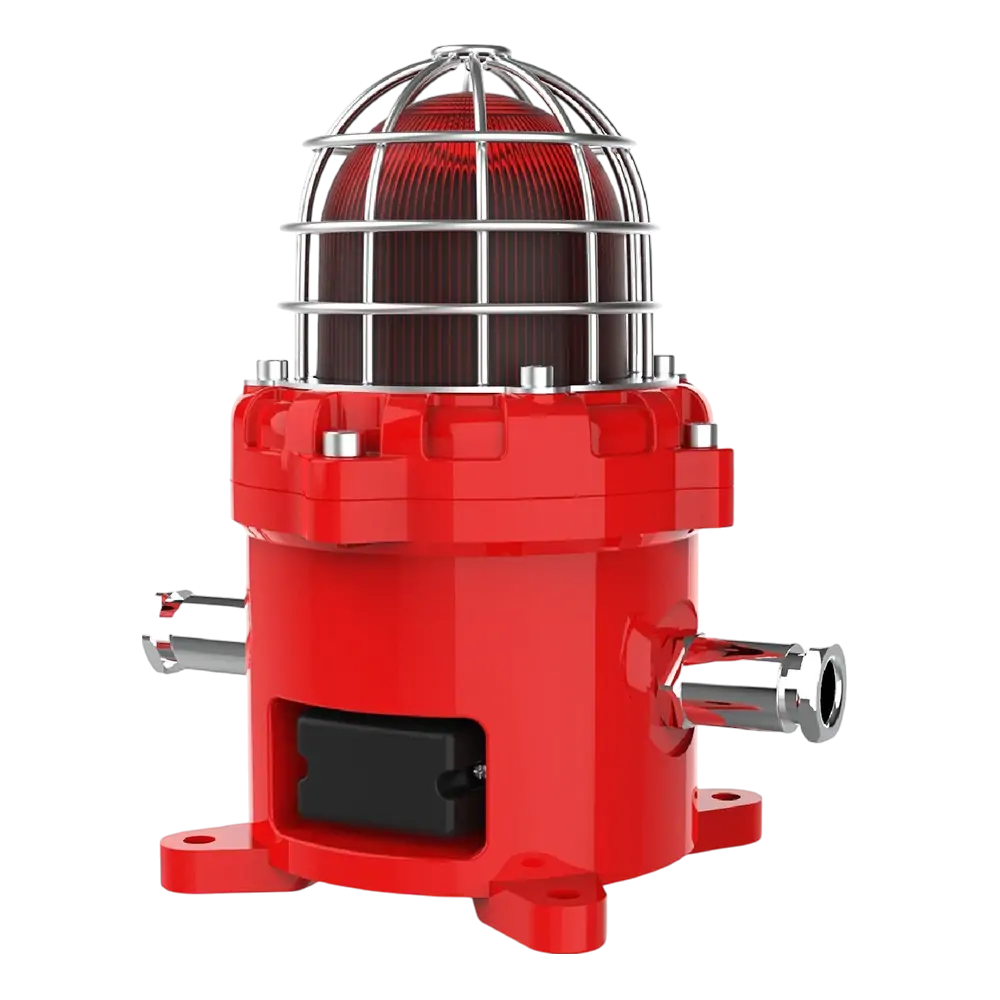
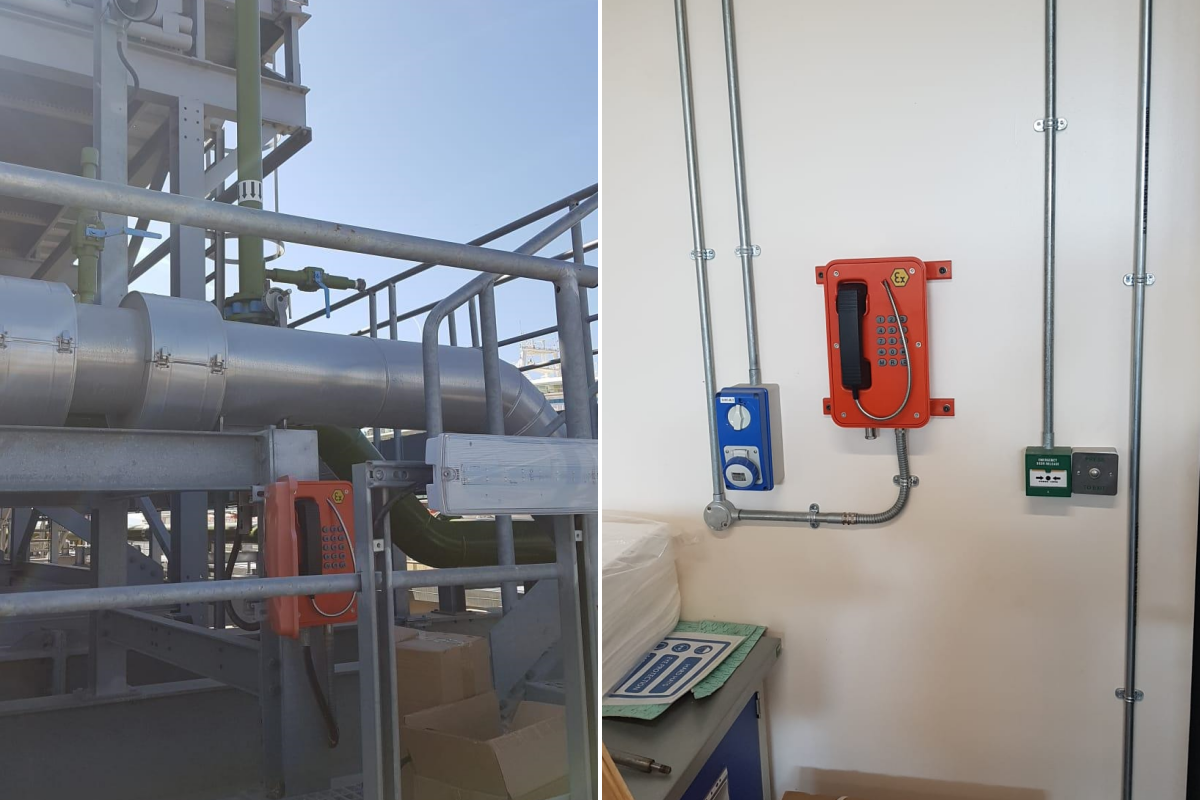
For example, explosion-proof communication equipment used in hazardous areas may include industrial telephones, alarm systems, and voice communication networks. These systems often integrate with broader industrial communication infrastructure, including technologies such as what is SIP protocol for VoIP-based systems and comparisons like intercom vs PA system when designing site-wide communication solutions.
Understanding the project environment helps determine which certification is more appropriate.
Selection Advice
When evaluating IECEx vs ATEX for industrial communication equipment, several factors should be considered.
Project location
If the equipment will be deployed in the European Union, ATEX certification is typically required.
International deployment
For global projects involving multiple countries, IECEx certification may provide broader acceptance.
Customer requirements
Some industrial operators prefer equipment that carries both certifications to simplify procurement and compliance.
System integration needs
Communication equipment should also integrate with existing control systems, dispatch platforms, and safety infrastructure.
Choosing the correct certification ensures both regulatory compliance and operational safety.
Industry Best Practices
Leading industrial operators often adopt a strategy that prioritizes flexibility and long-term compliance.
Best practices include:
-
Selecting equipment that holds both IECEx and ATEX certifications
-
Working with manufacturers experienced in hazardous-area communication systems
-
Ensuring equipment complies with the required protection level for each hazardous zone
-
Conducting regular inspections and maintenance to maintain safety compliance
In many modern industrial projects, communication systems are considered part of the critical safety infrastructure. Reliable, certified equipment ensures that voice communication remains available during emergencies.
Conclusion
When evaluating IECEx vs ATEX, it is important to recognize that both certification systems serve the same fundamental purpose: ensuring equipment operates safely in explosive atmospheres.
ATEX certification is essential for compliance within the European Union, while IECEx provides internationally recognized certification for global markets.
For companies deploying communication systems in hazardous environments, understanding the differences between these standards helps ensure regulatory compliance, operational reliability, and long-term safety.


 Prisons & Correctional Facilities
 Transportation & Underground Infrastructure
 Critical Industrial & Energy Facilities
 Marine & Offshore
 Manufacturing Plant & Public Facilities