In high-risk industrial environments such as tunnels, mines, and large industrial plants, emergencies can occur without warning. During incidents like fires, structural failures, or hazardous gas leaks, workers may need to move quickly to designated safe shelters.
An area of refuge communication system plays a crucial role in these scenarios by ensuring reliable communication between trapped personnel and emergency responders.
By providing a secure communication link, these systems help coordinate rescue operations, monitor worker safety, and reduce response times during critical situations.
Communication Requirements for Shelters
Areas of refuge are designed to temporarily protect personnel during emergencies. However, without reliable communication, workers inside these shelters may have difficulty reporting their status or receiving instructions.
An effective area of refuge communication system should provide:
-
Immediate connection to a control room or emergency command center
-
Clear two-way voice communication
-
High reliability during power or network failures
-
Operation in harsh industrial environments
For example, in underground facilities such as mines, communication systems must integrate with broader safety networks, including [underground mining communication systems], to ensure seamless coordination across the site.
Reliable communication reassures trapped workers and enables emergency teams to quickly assess the situation.
System Design Essentials
Designing an area of refuge communication system requires careful consideration of reliability and redundancy.
Key design principles include:
1. Redundant communication paths
Dual communication links help maintain connectivity even if one network fails.
2. Integration with emergency systems
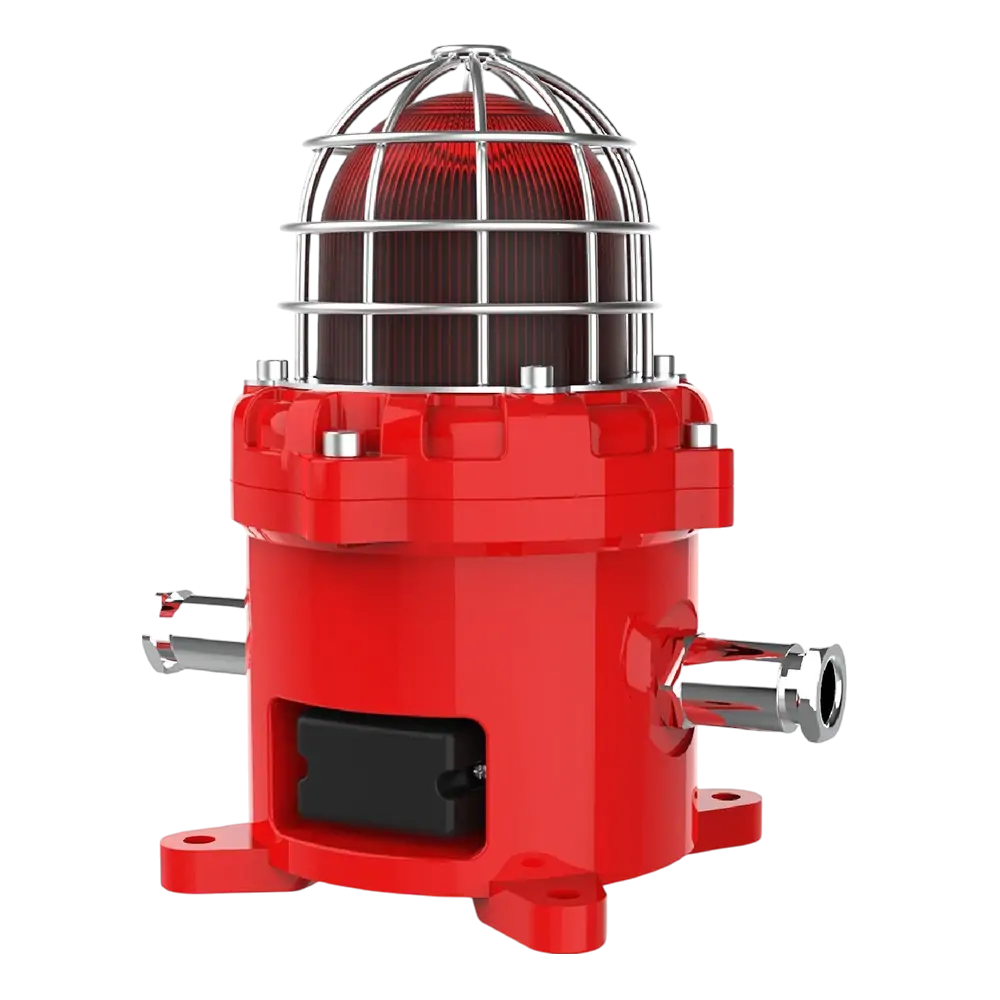
The communication system should connect with alarm systems, dispatch consoles, and central monitoring platforms.
3. Noise-resistant communication
Industrial environments often involve high noise levels, so systems must support clear voice transmission.
4. Continuous monitoring
Supervision features allow operators to monitor system health and detect faults quickly.
These design elements ensure the communication system remains operational even under extreme conditions.
Equipment Selection Guidelines
Selecting the right equipment is essential for building a reliable area of refuge communication system.
Important factors include:
Durability
Devices should feature robust housings and protection ratings suitable for industrial environments.
Environmental resistance
In sectors such as oil and gas, communication equipment must withstand humidity, corrosion, and extreme temperatures. Many facilities rely on specialized [communications for oil & gas] infrastructure to meet these requirements.
Ease of operation
During emergencies, workers must be able to operate devices quickly and intuitively.
Compatibility
The system should integrate with existing VoIP, analog, or dispatch communication platforms.
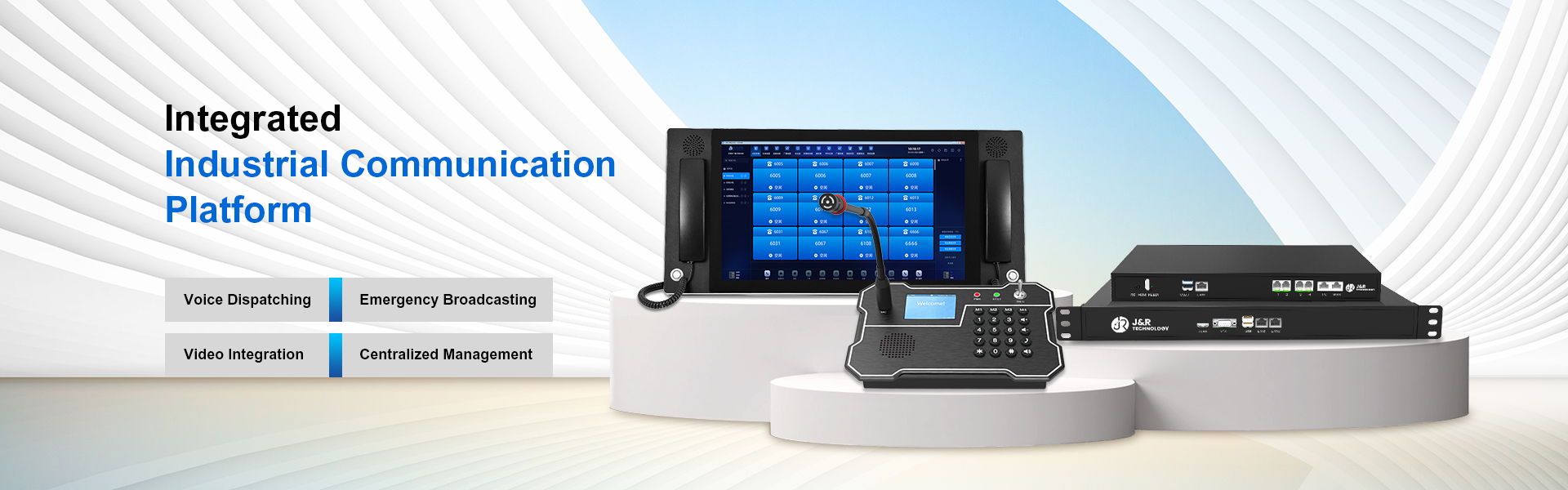
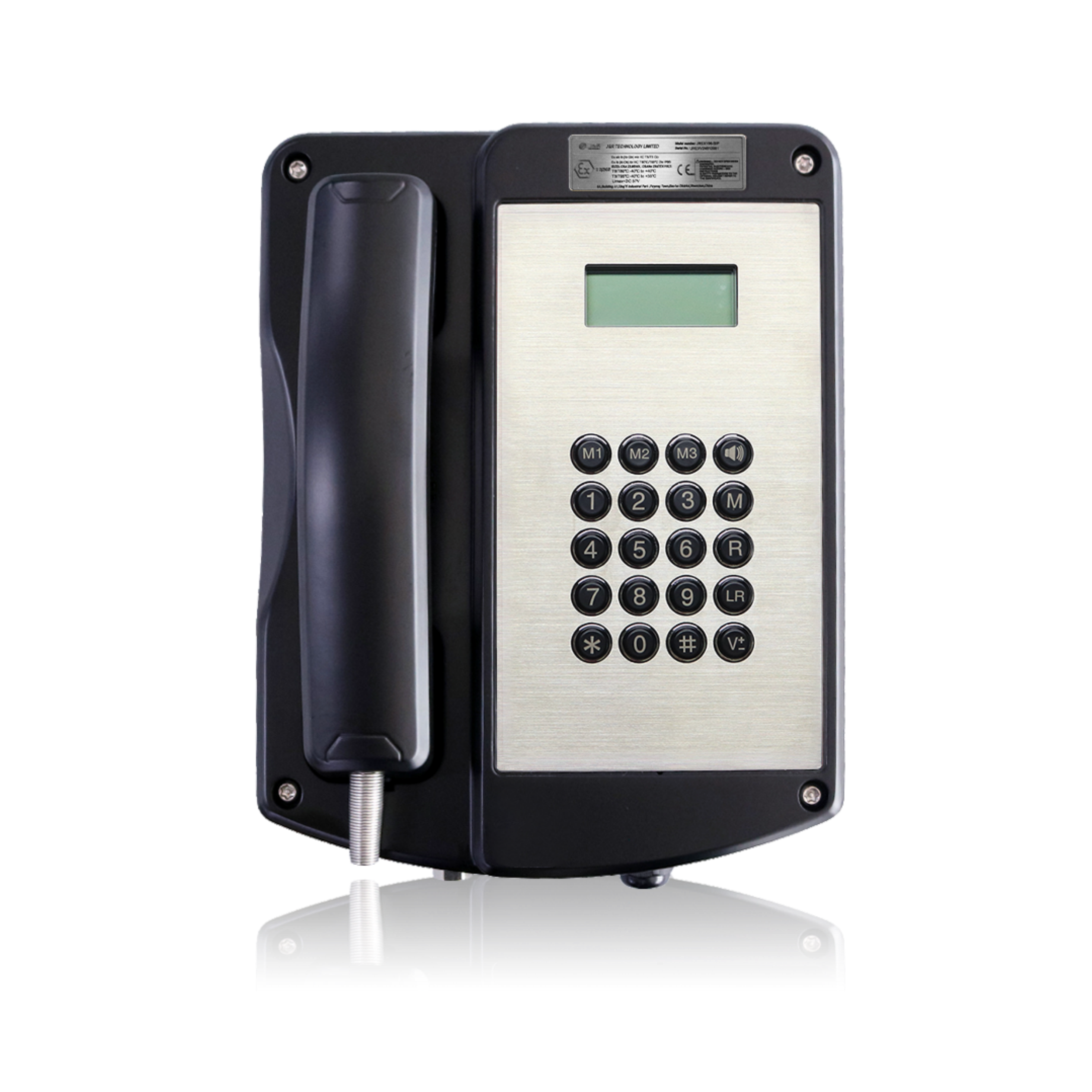
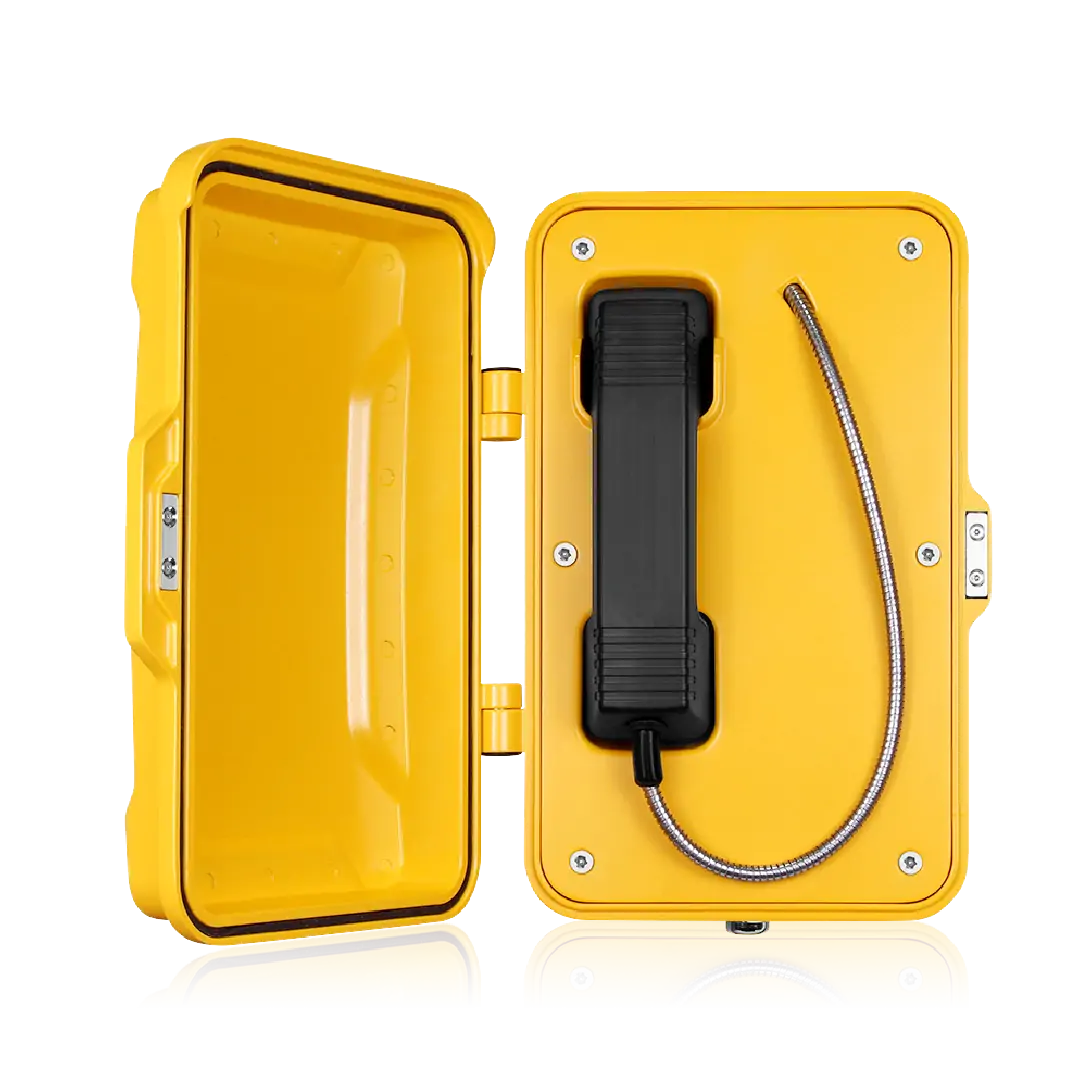
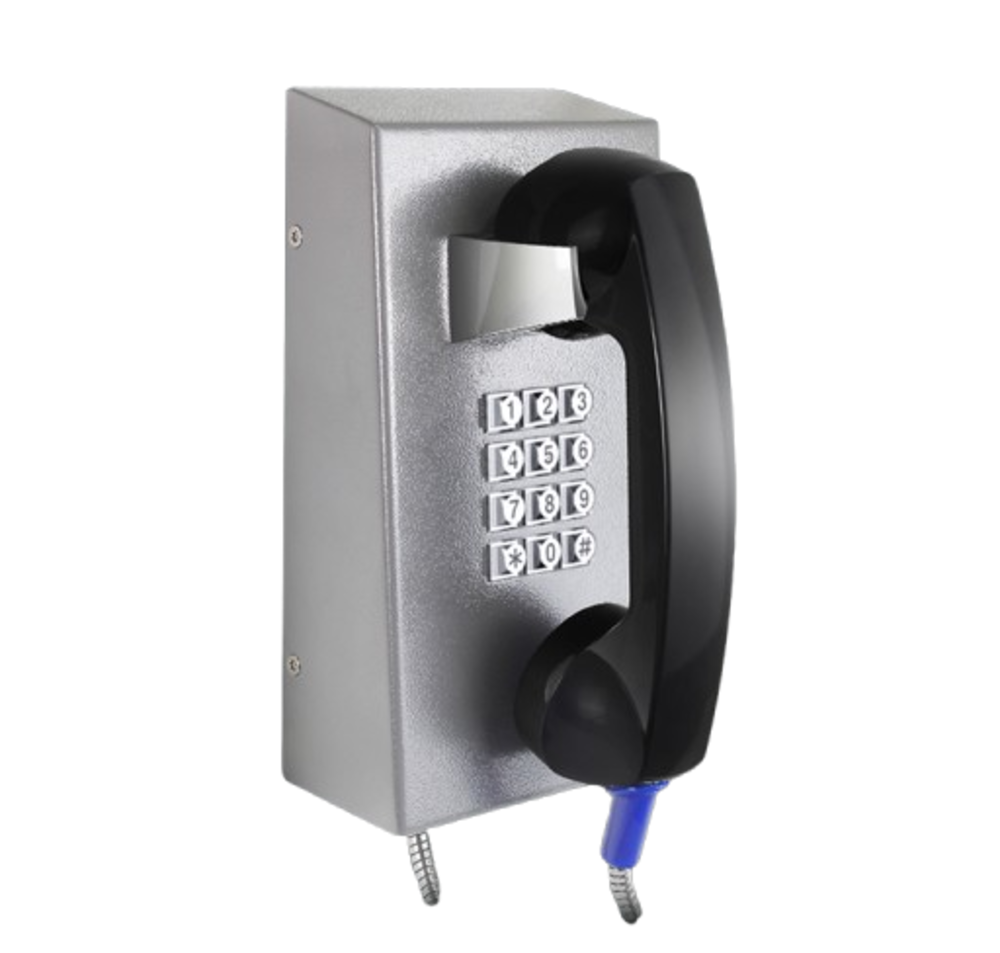
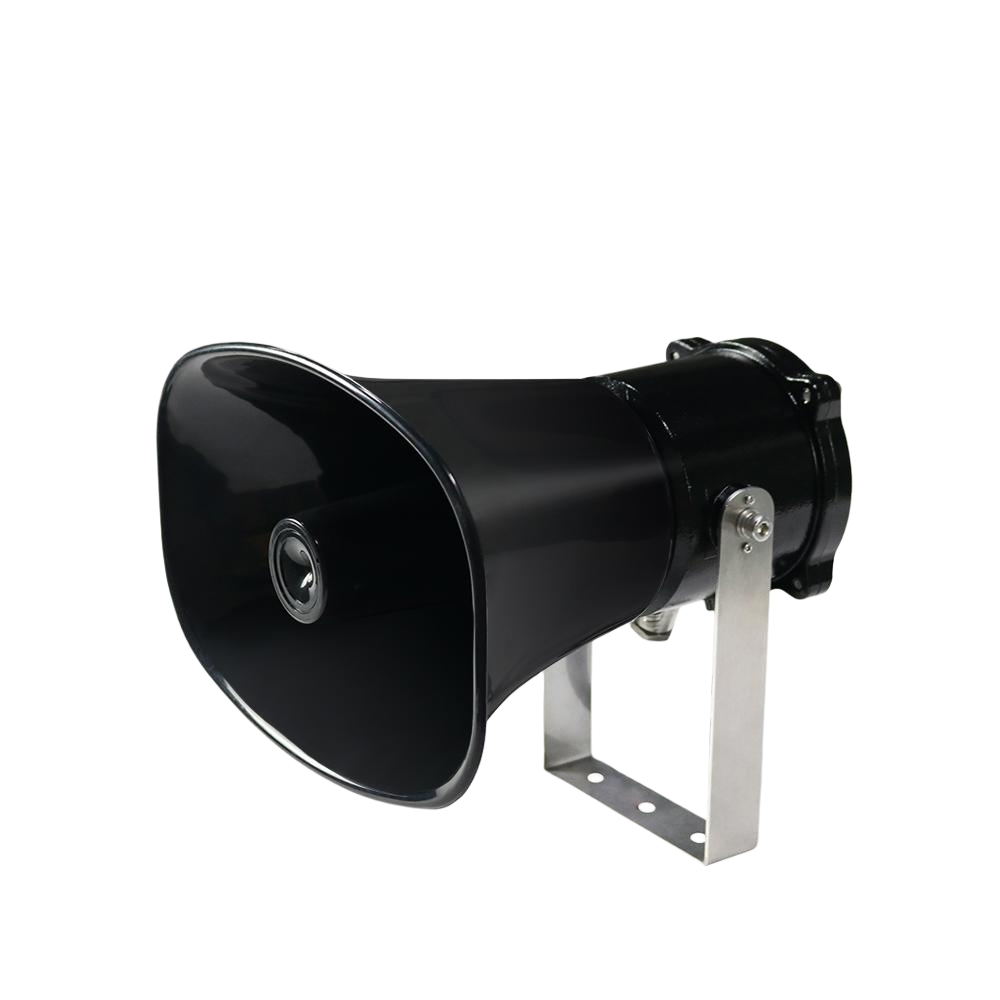
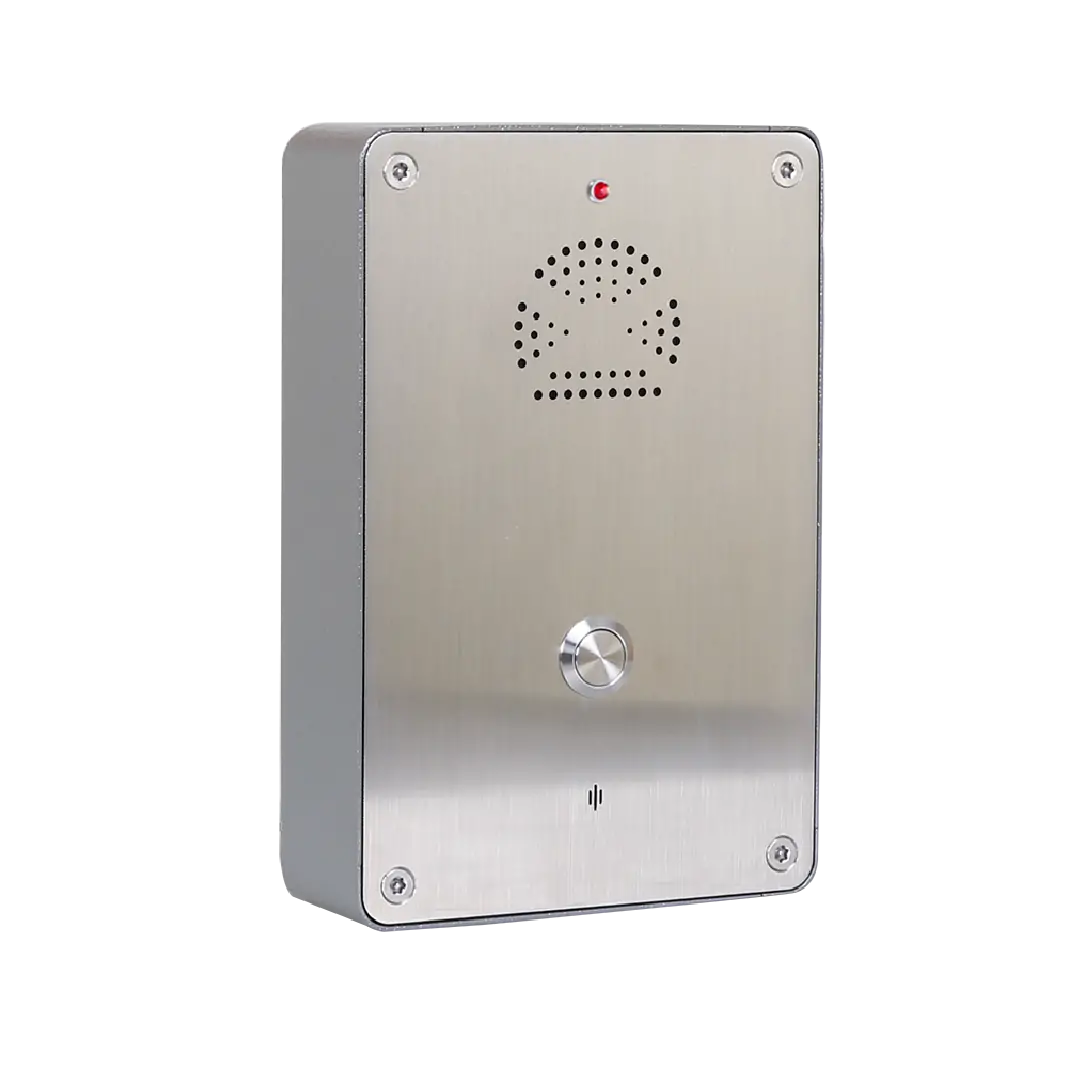
Typical equipment includes emergency telephones, intercom stations, and integrated communication panels installed inside refuge areas.
Deployment and Maintenance
Proper deployment is just as important as equipment selection.
Key deployment considerations include:
-
Installing communication stations inside each refuge chamber
-
Ensuring coverage across all designated safe areas
-
Providing backup power to maintain operation during outages
-
Connecting systems to centralized monitoring platforms
Regular maintenance is also essential. Periodic inspections, system diagnostics, and hardware checks help ensure the communication system remains reliable when it is needed most.
Emergency Exercise Practices
Even the most advanced communication system must be supported by proper training.
Emergency drills help ensure workers understand how to use the area of refuge communication system effectively.
Best practices include:
-
Conducting routine emergency evacuation drills
-
Training workers to initiate communication with control centers
-
Testing system performance during simulated emergencies
-
Reviewing communication procedures after each drill
These exercises improve response coordination and ensure personnel remain prepared for real emergency situations.
Conclusion
In hazardous industrial environments, every second matters during an emergency. A well-designed area of refuge communication system provides a vital lifeline between trapped workers and rescue teams.
By combining reliable equipment, thoughtful system design, and regular emergency training, organizations can significantly improve worker safety and emergency response effectiveness.
As industries continue to expand into deeper underground facilities and complex industrial sites, dependable emergency communication systems will remain an essential part of modern safety infrastructure.


 Prisons & Correctional Facilities
 Transportation & Underground Infrastructure
 Critical Industrial & Energy Facilities
 Marine & Offshore
 Manufacturing Plant & Public Facilities