






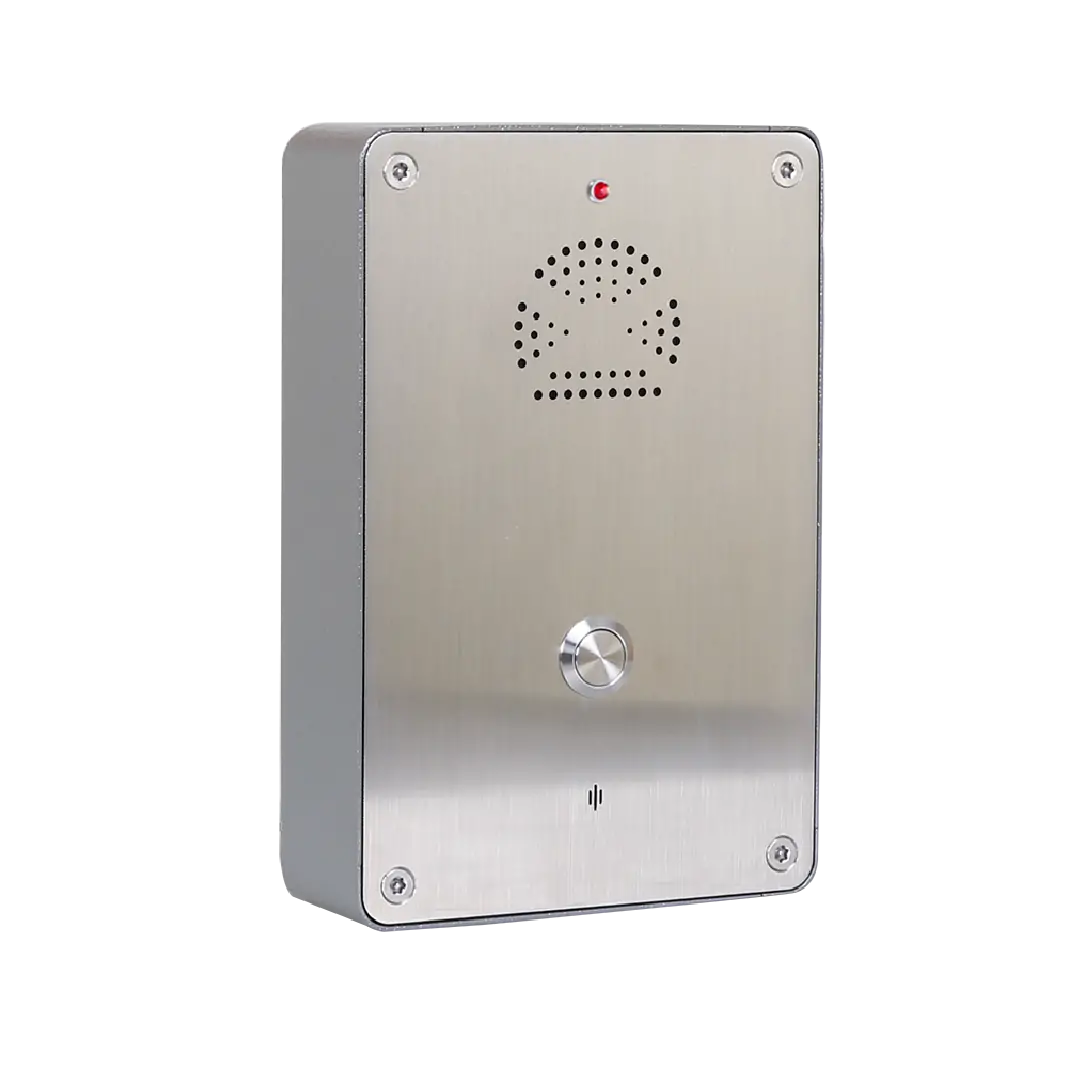

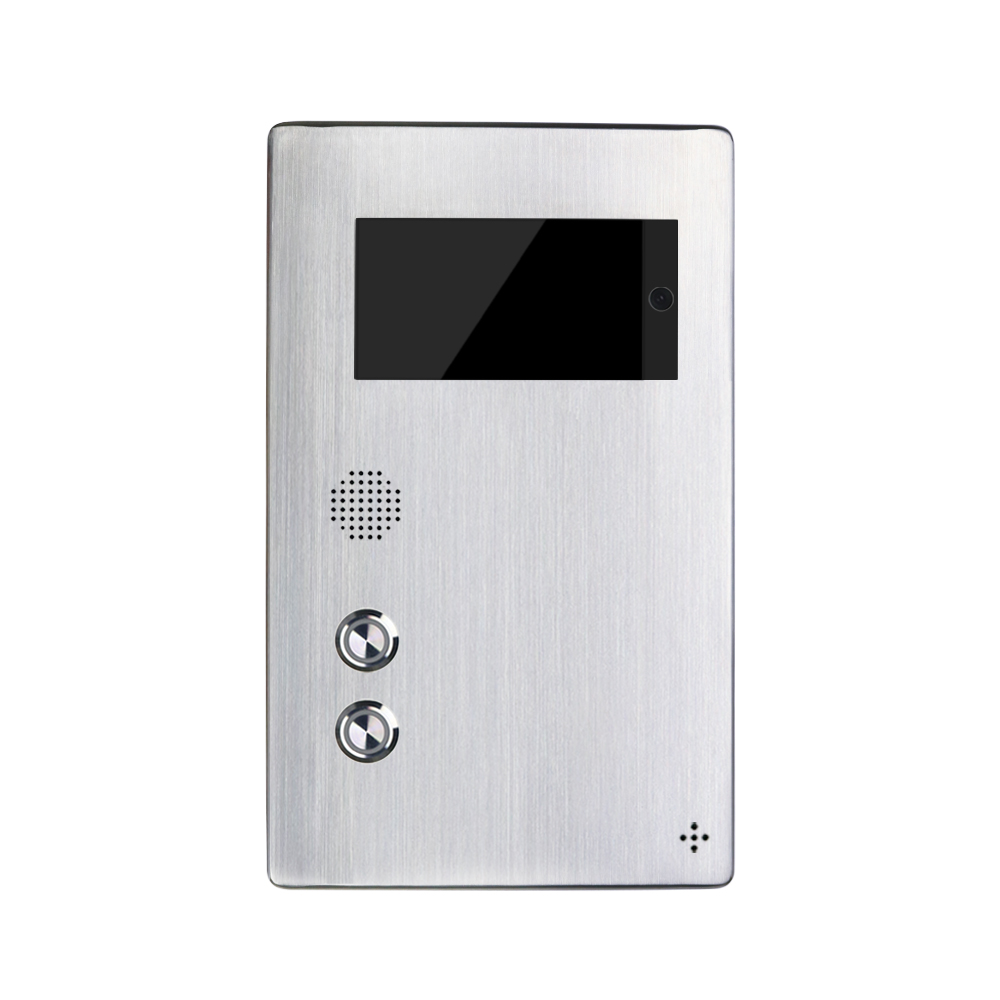
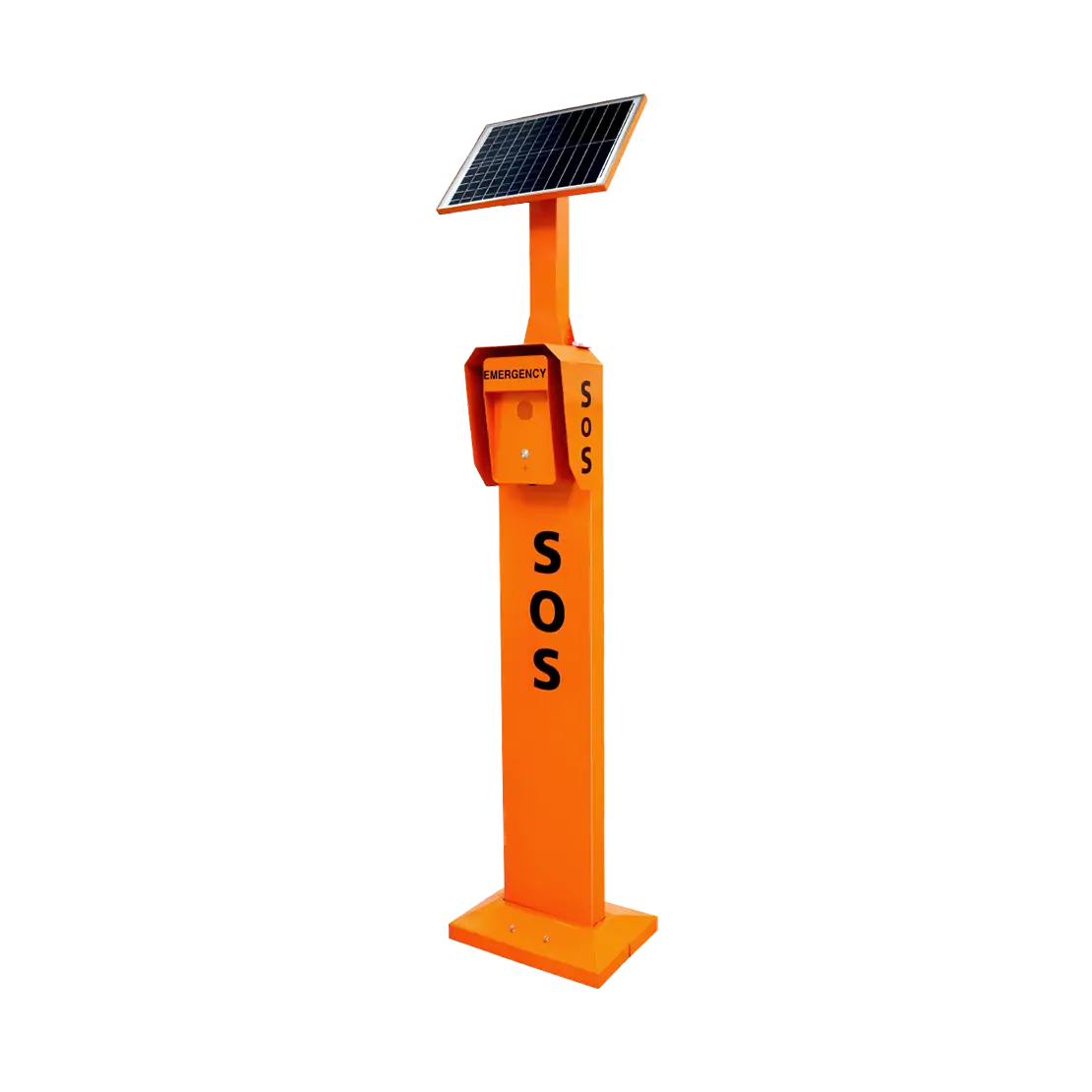




In modern industrial environments, communication systems must support reliability, scalability, and integration with digital infrastructure. Traditional analog telephone systems have long been used in factories, mines, and energy facilities. However, many organizations are now transitioning to VoIP technology to improve operational efficiency.
When evaluating voip vs analog, industrial operators often find that VoIP-based telephones provide greater flexibility, easier system expansion, and advanced communication features.
Understanding the differences between these technologies can help companies select the right communication solution for industrial applications.

VoIP vs Analog Core Differences
The primary difference in voip vs analog communication systems lies in how voice signals are transmitted.
Analog telephones transmit voice signals through dedicated copper telephone lines using electrical signals. These systems are simple and reliable but typically limited in functionality and scalability.
VoIP (Voice over Internet Protocol) telephones, on the other hand, convert voice signals into digital data packets and transmit them over IP networks. This allows voice communication to be integrated with existing data networks.
Key distinctions include:
-
Analog systems: circuit-based communication
-
VoIP systems: packet-based digital communication
-
Analog networks: limited integration capabilities
-
VoIP networks: flexible and easily integrated with modern IT infrastructure
As industrial facilities increasingly adopt digital networks, VoIP communication systems are becoming more common.
Key Performance Indicators
When comparing voip vs analog, several performance indicators are important for industrial communication systems.
Call management capabilities
VoIP systems support advanced call routing, call recording, and centralized monitoring.
Audio quality
With modern network infrastructure, VoIP systems can provide clear and stable audio communication.
System monitoring
VoIP platforms allow administrators to monitor network performance and device status in real time.
Integration capabilities
VoIP systems can integrate with industrial communication platforms, dispatch consoles, and alarm systems.
These capabilities make VoIP telephones particularly useful in large-scale industrial facilities.
Deployment and Expansion
One of the biggest advantages in the voip vs analog comparison is system scalability.
Analog communication systems require dedicated wiring for each telephone line. Expanding the system often involves installing additional cables and hardware infrastructure.
VoIP industrial telephones operate through IP networks, making system expansion significantly easier.
Advantages of VoIP deployment include:
-
Simplified network architecture
-
Easier installation and relocation of devices
-
Flexible system expansion for growing facilities
-
Remote management capabilities
For large industrial sites or facilities with multiple locations, VoIP technology offers a more efficient communication infrastructure.
Security Considerations
Security is an important factor when evaluating voip vs analog communication systems.
Analog systems are physically isolated but may lack modern monitoring capabilities.
VoIP systems rely on IP networks, which means cybersecurity measures are necessary to protect communications.
Typical VoIP security practices include:
-
Network encryption
-
Secure authentication protocols
-
Firewall protection
-
Network monitoring systems
When properly implemented, VoIP communication systems can maintain high levels of reliability and security.
Cost-Benefit Analysis
Cost considerations often influence decisions when comparing voip vs analog systems.
While analog systems may have lower initial installation complexity, they can become costly to maintain and expand over time.
VoIP systems typically provide long-term economic benefits such as:
-
Reduced cabling and infrastructure costs
-
Lower maintenance requirements
-
Scalable communication networks
-
Integration with existing IT infrastructure
For organizations planning long-term communication upgrades, VoIP industrial telephones can provide better overall value.
Conclusion
The comparison of voip vs analog industrial telephones highlights how communication technology has evolved to meet modern industrial demands. While analog systems remain reliable in certain applications, VoIP telephones provide greater flexibility, scalability, and integration capabilities.
As industrial facilities continue to modernize their communication infrastructure, VoIP technology is increasingly becoming the preferred solution for efficient and future-ready communication systems.