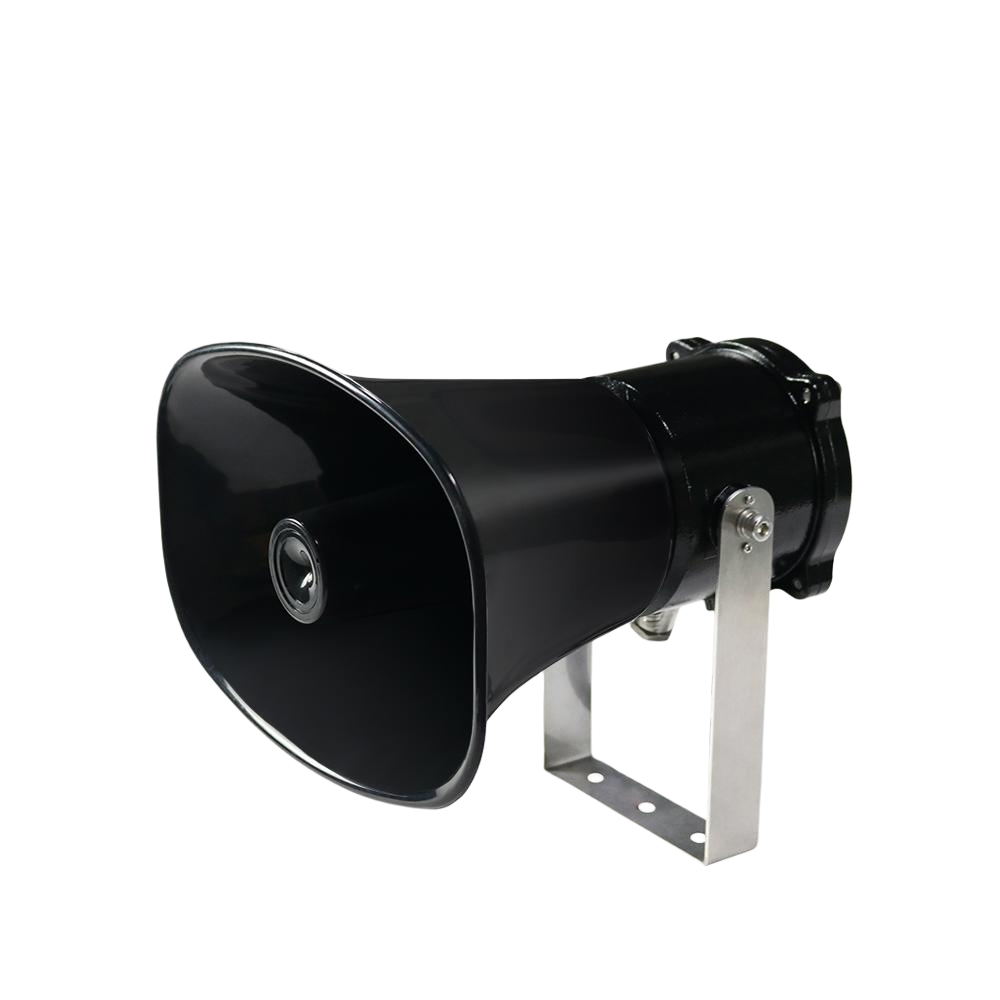
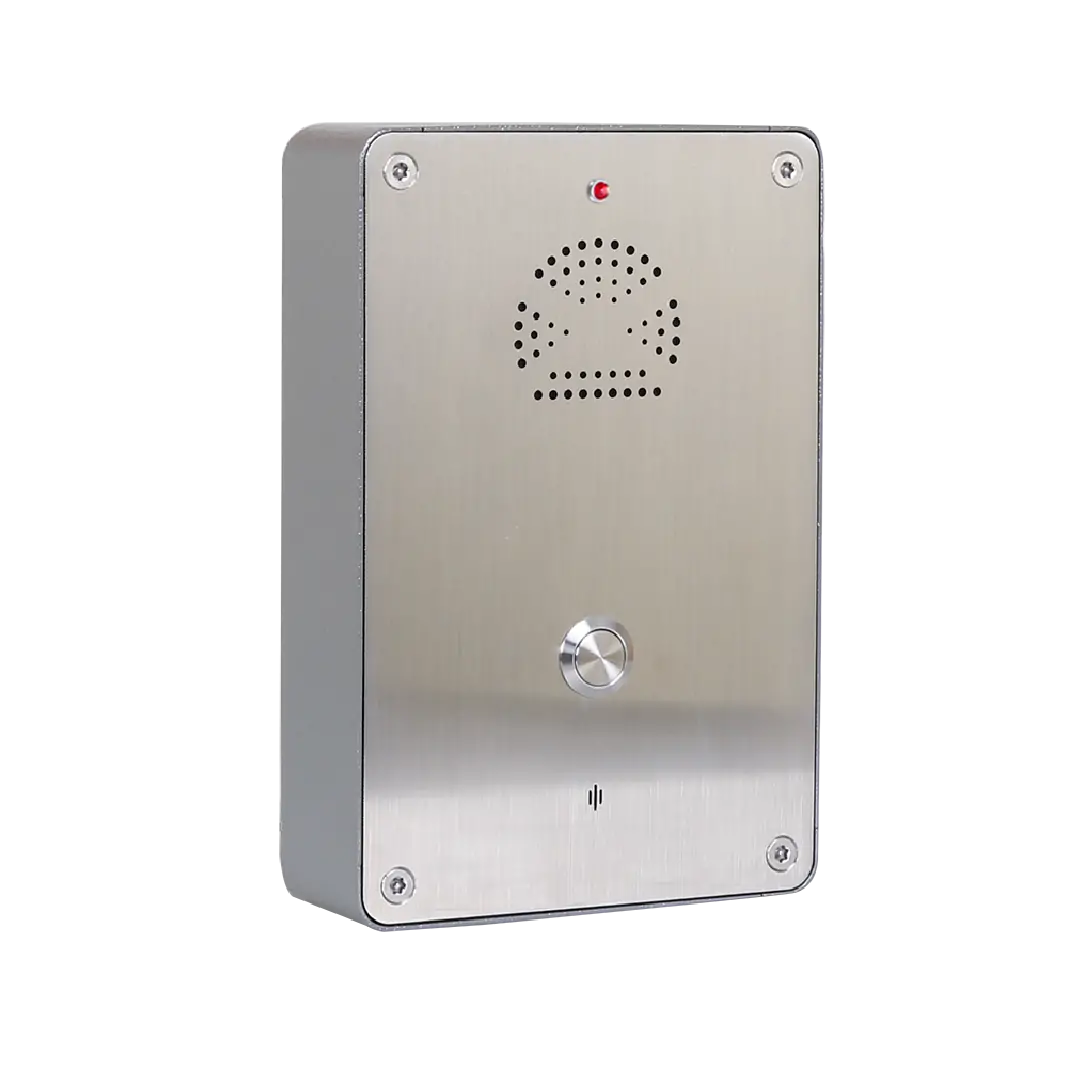
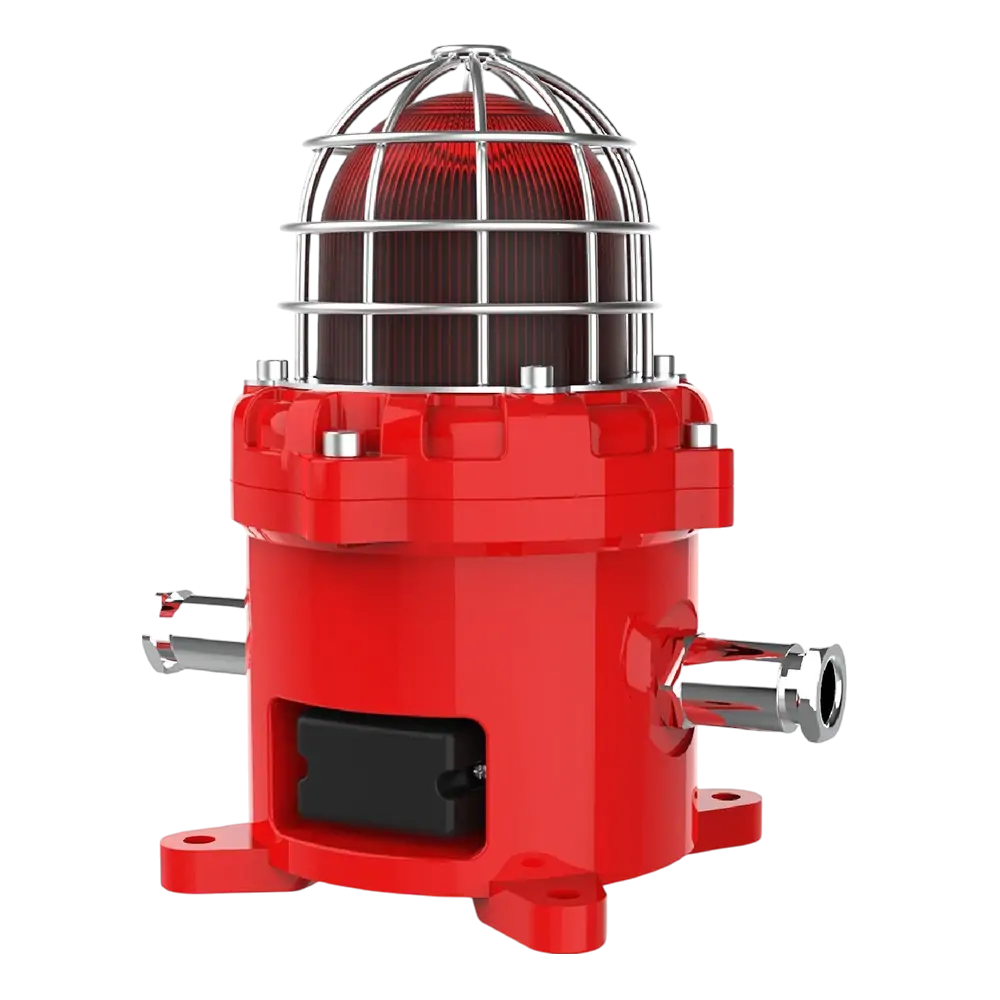
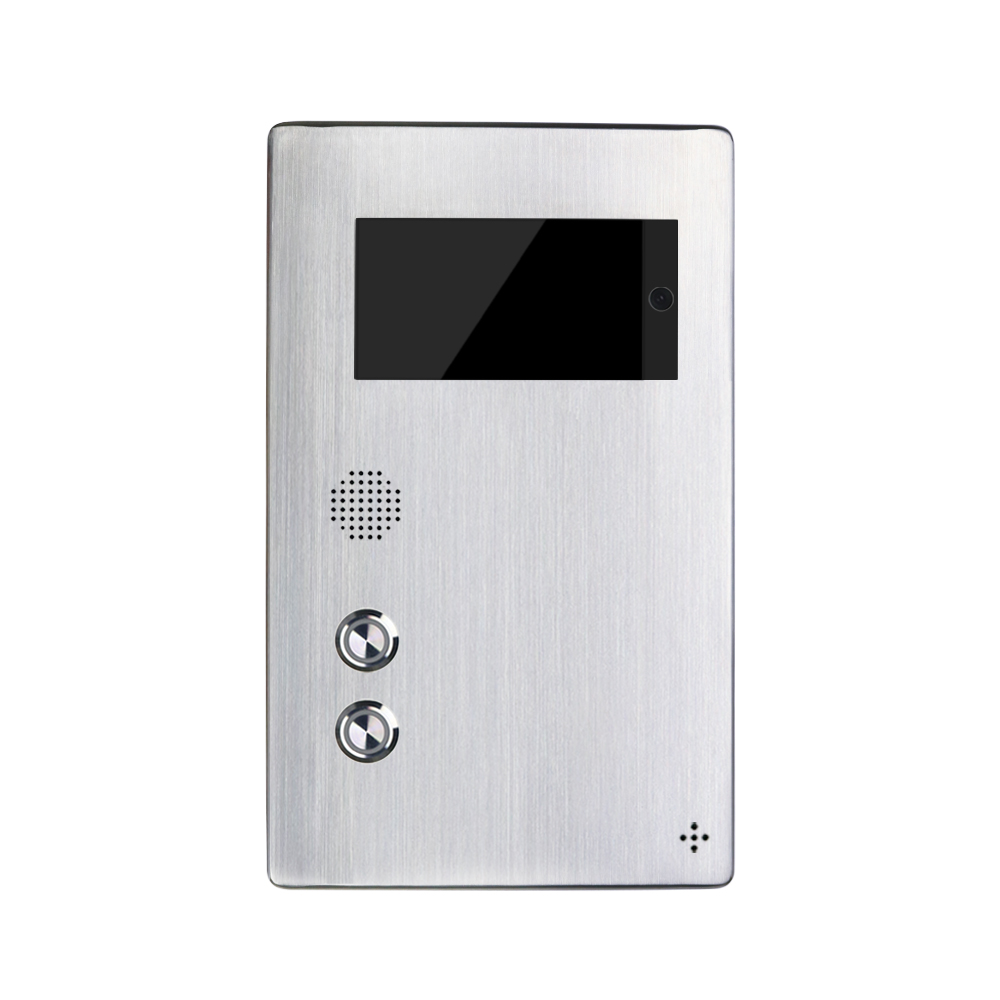
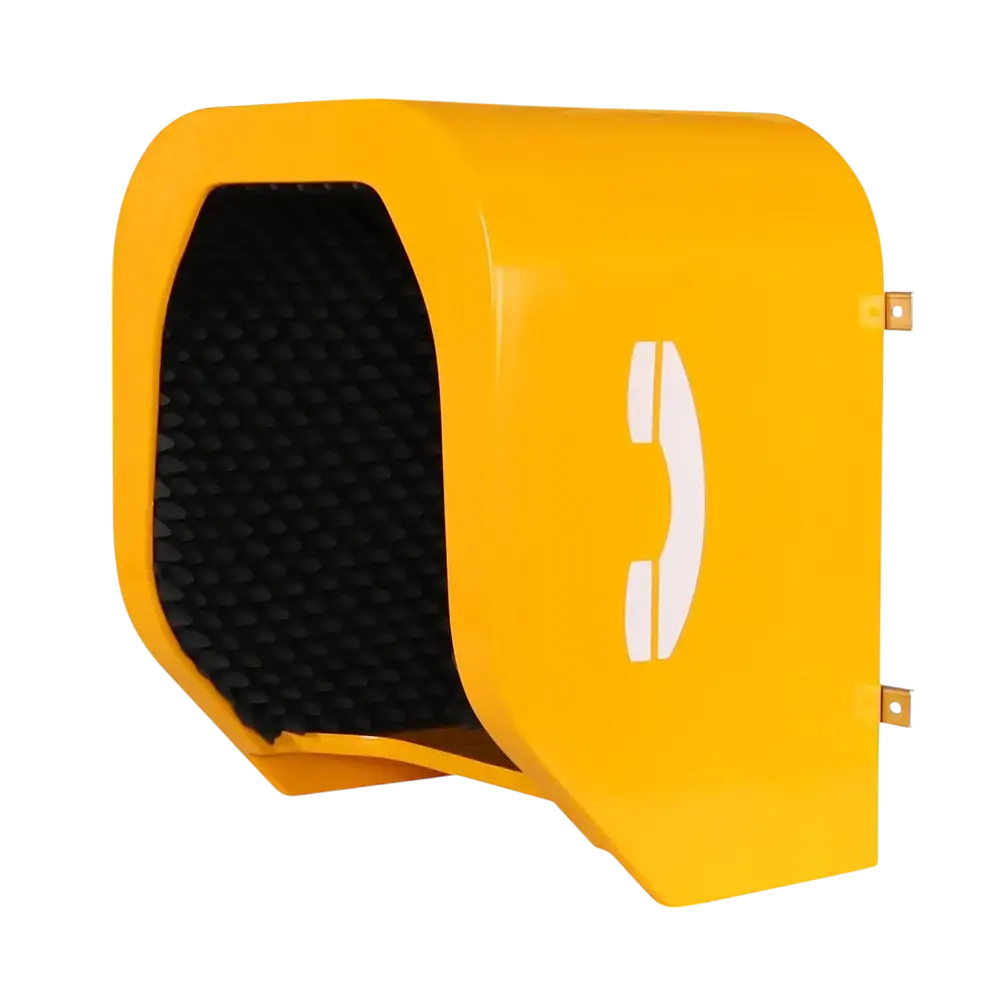
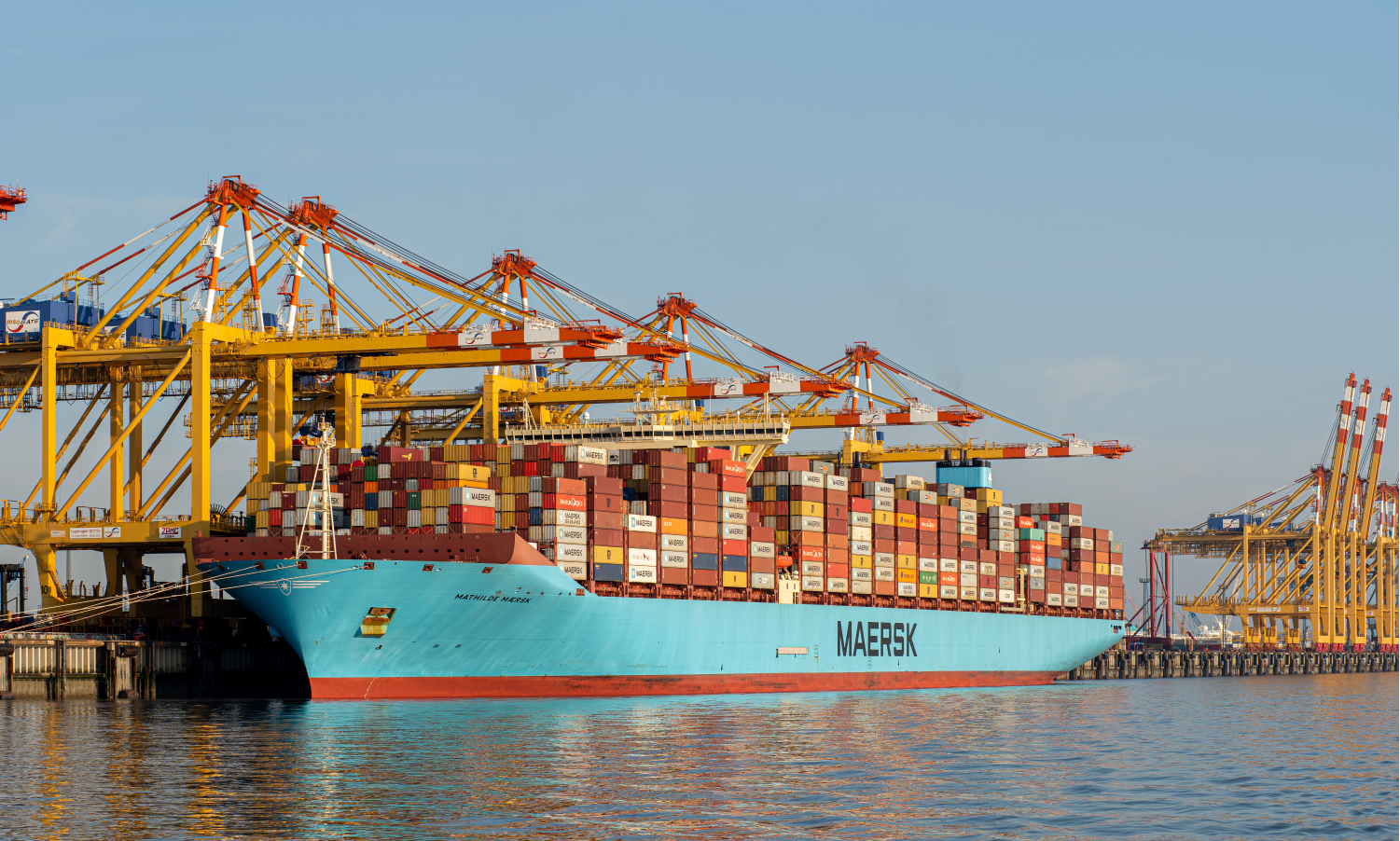
Industrial communication equipment is often installed in demanding environments such as factories, mining sites, transportation hubs, and oil and gas facilities. In these locations, equipment may face extreme temperatures, dust, water exposure, vibration, and even corrosive substances.
To ensure reliable operation, organizations must focus on how to protect industrial phones resilience against these harsh conditions. Proper design, installation, and maintenance strategies can significantly improve device durability and long-term performance.
Understanding these protection methods helps operators ensure that critical communication systems remain operational when they are needed most.
Elements of Toughness Protection
One of the most important steps to protect industrial phones resilience is designing equipment with strong mechanical protection.
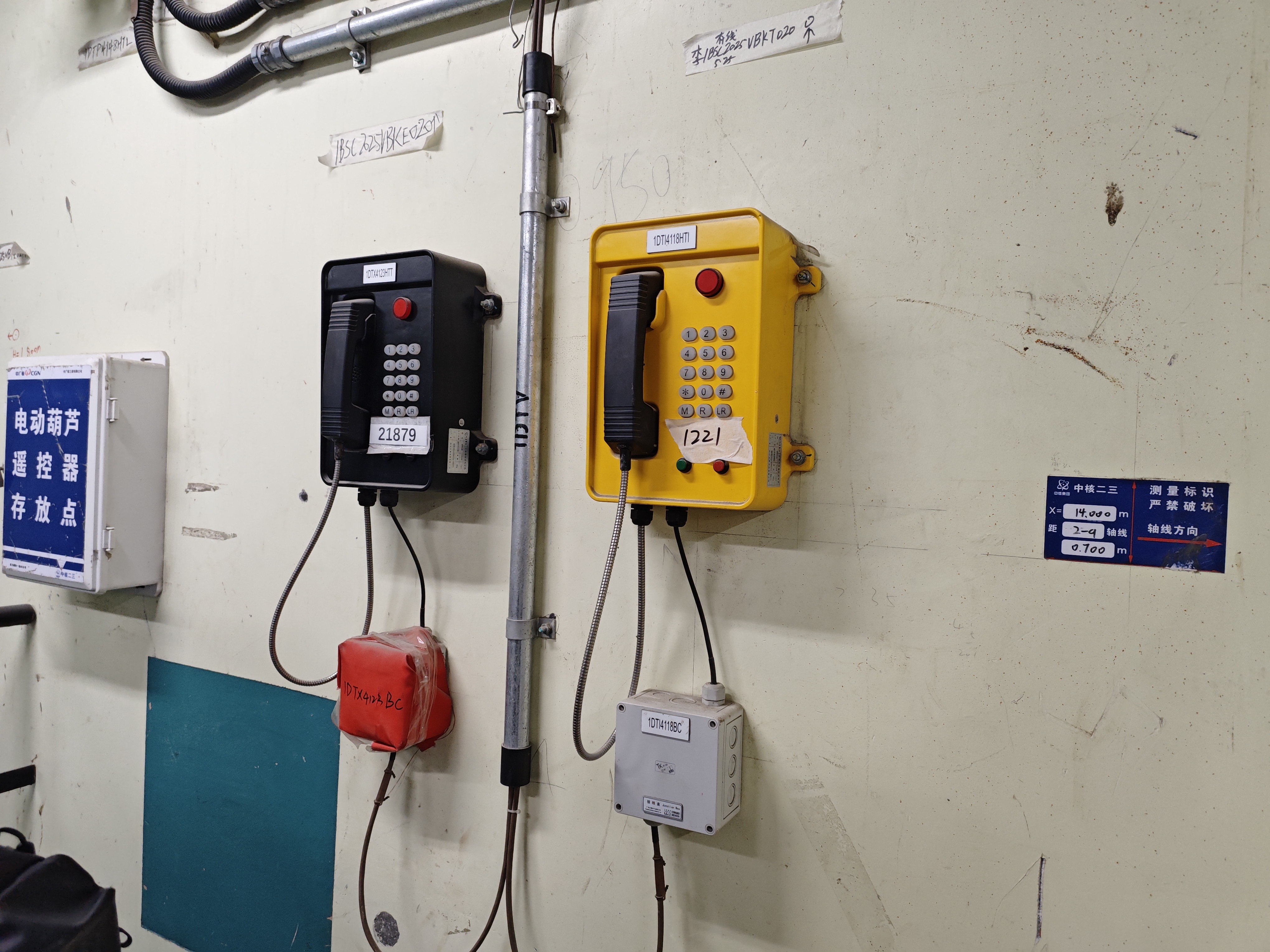
Industrial telephones are typically built with rugged housings that can withstand impact, vibration, and heavy use. These enclosures protect internal electronic components from mechanical damage and environmental hazards.
Key protective elements include:
-
Reinforced housings made from aluminum or stainless steel
-
Impact-resistant handset and cables
-
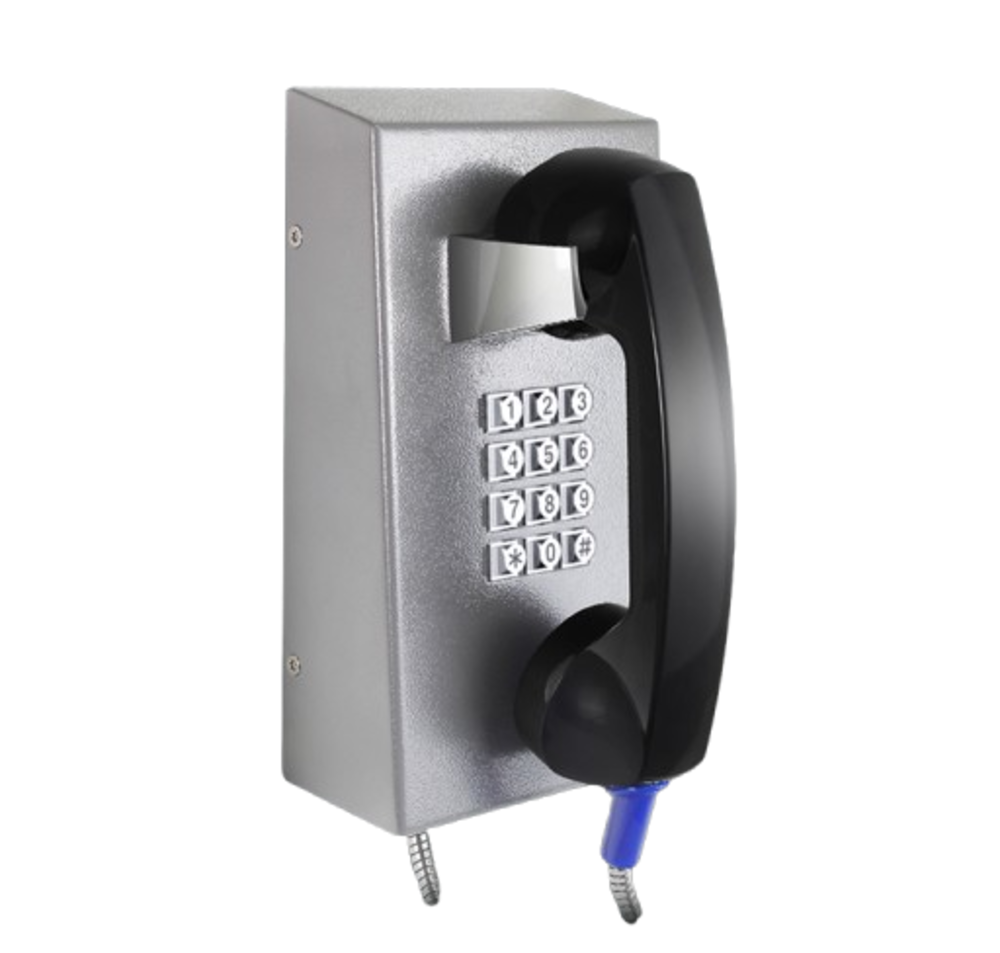
Vandal-resistant design for public or high-traffic areas
-
Secure mounting structures for stable installation
High-quality industrial telephone designs often incorporate these features to ensure reliable operation in demanding industrial environments.
Sealing and Material Selection
Another critical factor in maintaining protect industrial phones resilience is the use of effective sealing systems and durable materials.
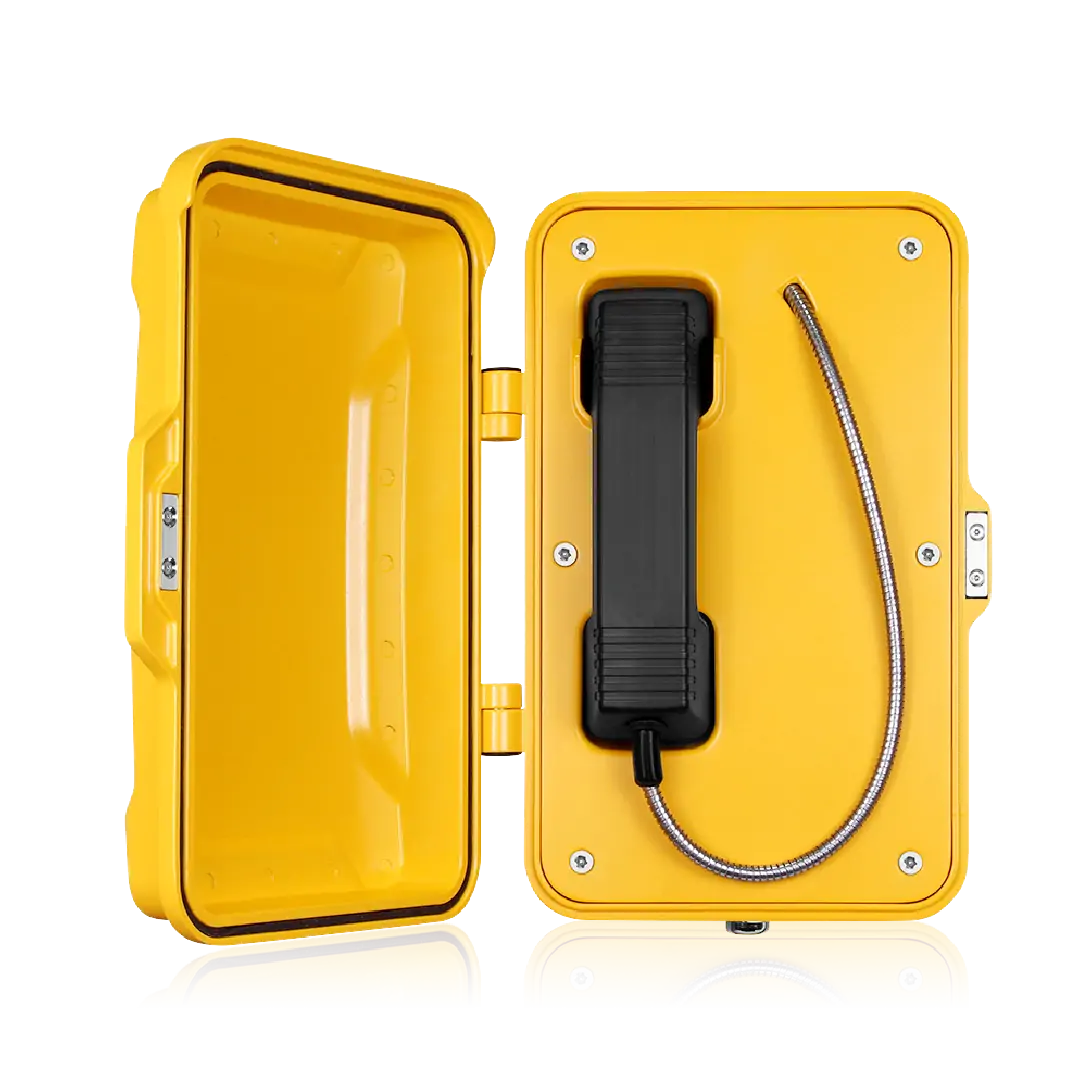
Industrial phones frequently operate in areas exposed to dust, rain, or washdown procedures. Proper sealing prevents contaminants from entering the device and damaging sensitive electronics.
Important sealing considerations include:
-
IP-rated enclosures to block dust and water intrusion
-
Waterproof gaskets and seals
-
Corrosion-resistant materials
-
Reinforced cable entry points
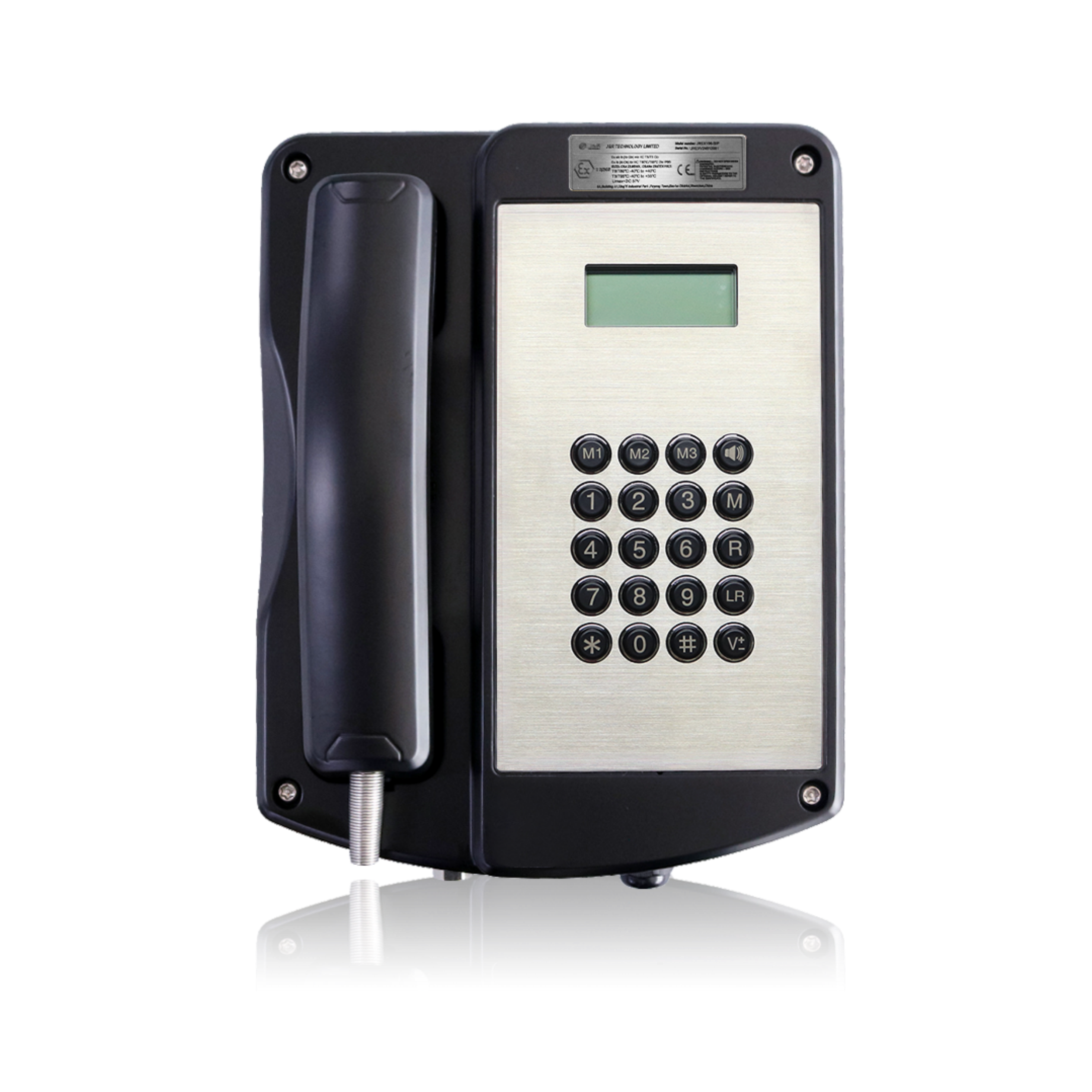
In hazardous industrial zones, specialized equipment such as explosion proof aluminum telephone models may be required. These devices are designed to prevent sparks or internal explosions from igniting flammable gases or dust.
Selecting the correct materials and sealing methods ensures the device remains functional even in challenging environments.
Temperature and Corrosion Protection
Industrial communication devices must also withstand extreme environmental conditions. Protecting against temperature fluctuations and corrosion is essential to protect industrial phones resilience.
For example, equipment installed in outdoor locations may face intense sunlight, freezing temperatures, or high humidity.
Protection strategies include:
-
Wide operating temperature ranges
-
UV-resistant coatings
-
Anti-corrosion metal treatments
-
Weatherproof housing structures
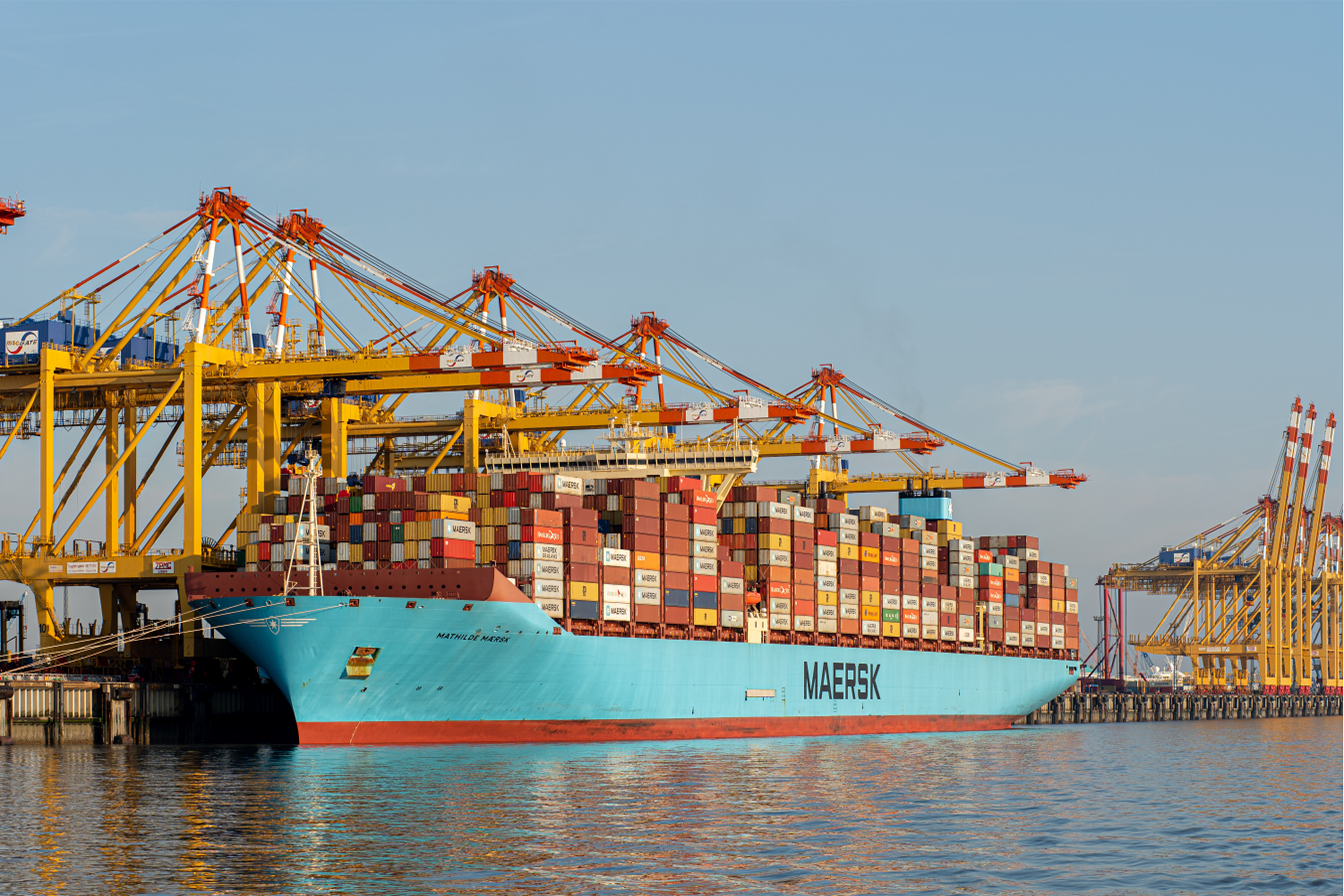
In marine environments or chemical processing facilities, corrosion-resistant materials such as stainless steel or treated aluminum are often necessary to extend equipment lifespan.
Maintenance and Inspection
Even the most durable equipment requires regular inspection to maintain long-term reliability.
Routine maintenance helps identify potential issues before they cause communication failures. Regular maintenance practices that support protect industrial phones resilience include:
-
Checking seals and gaskets for wear
-
Inspecting cables and connectors
-
Cleaning equipment to remove dust or contaminants
-
Testing call functionality and audio quality
Scheduled inspections ensure that protective features remain effective and that communication systems continue to operate safely.
Case Studies
Many industrial sectors rely on robust communication systems to support daily operations and emergency response.
For example:
Oil and gas facilities often deploy rugged industrial phones capable of withstanding hazardous environments and severe weather conditions.
Mining operations require communication devices that can tolerate dust, vibration, and moisture while maintaining reliable connectivity.
Transportation infrastructure such as tunnels or railway systems depend on durable communication equipment for emergency communication and operational coordination.
These real-world applications demonstrate how proper design, installation, and maintenance strategies can successfully protect industrial phones resilience and ensure continuous communication in critical environments.
Conclusion
Protecting industrial communication equipment is essential for maintaining reliable operations in harsh environments. By focusing on rugged construction, proper sealing, corrosion protection, and regular maintenance, organizations can effectively protect industrial phones resilience and ensure long-term performance.
As industrial environments continue to evolve, selecting robust communication equipment and implementing proper protection strategies will remain key to maintaining safe and efficient operations.


 Prisons & Correctional Facilities
 Transportation & Underground Infrastructure
 Critical Industrial & Energy Facilities
 Marine & Offshore
 Manufacturing Plant & Public Facilities