In petrochemical and oil & gas industries, safety is not just a priority—it is a fundamental operational requirement. The presence of flammable gases, vapors, and combustible dust creates a constant risk of explosions. To mitigate these risks, specialized explosion-proof equipment is essential.
Among the most critical components are explosion-proof telephones, speakers, and lighting systems. But what roles do these devices play in ensuring safe and efficient operations? This article explores their importance in hazardous industrial environments.
Safety Challenges in Petrochemical and Oil & Gas Sectors
Petrochemical plants and oil platforms operate under some of the most hazardous conditions in industry. Key challenges include:
-
Explosive Atmospheres
The presence of hydrocarbons and volatile chemicals increases ignition risks.
-
High Noise Levels
Machinery and processing operations create environments where communication is difficult.
-
Complex Infrastructure
Large-scale facilities with multiple zones require reliable, site-wide communication.
-
Harsh Environmental Conditions
Exposure to extreme temperatures, corrosion, moisture, and dust.
To address these challenges, facilities must deploy certified systems aligned with standards such as hazardous area classification and integrate robust communication solutions like those used in oil platform communications.
Role of Explosion-Proof Telephones
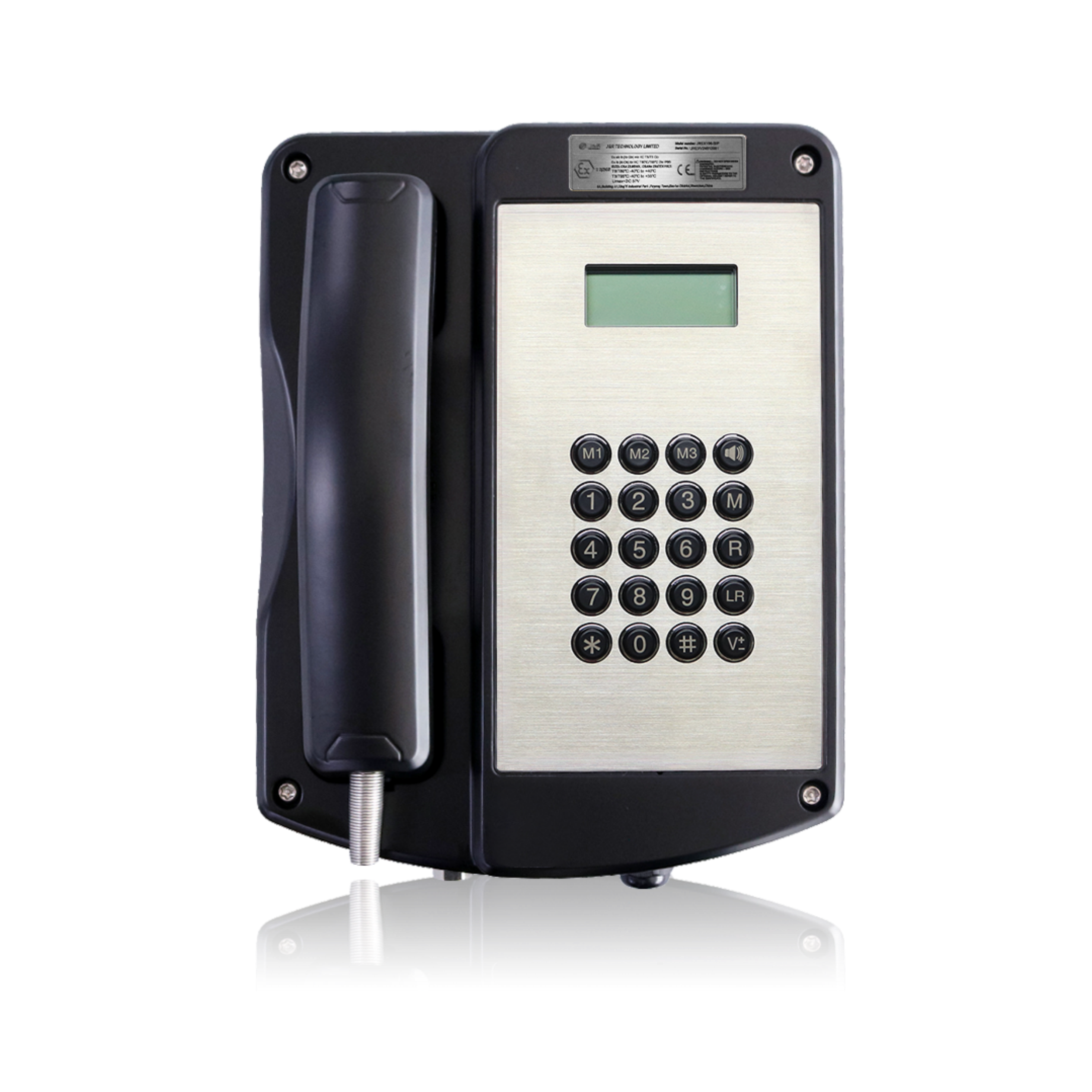
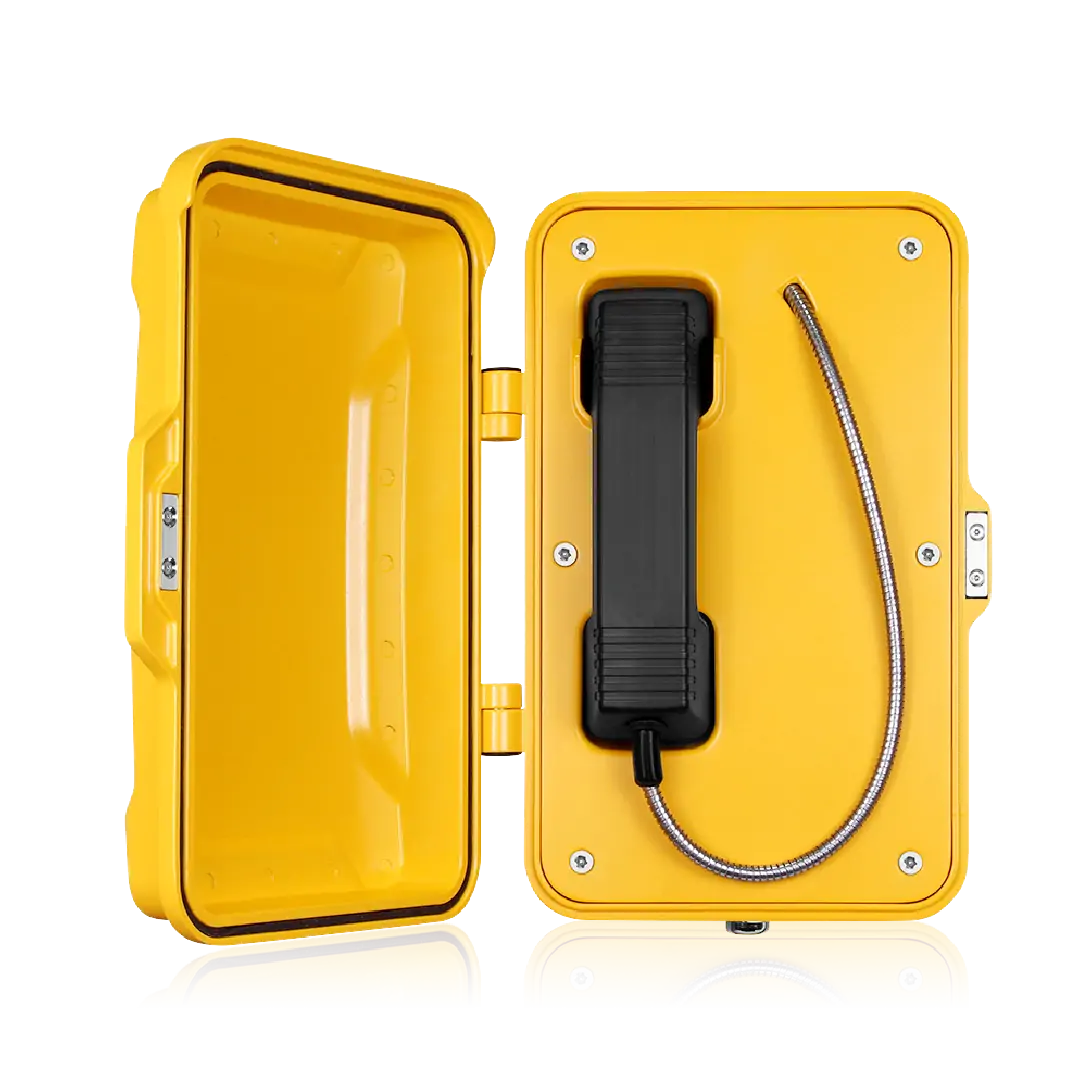
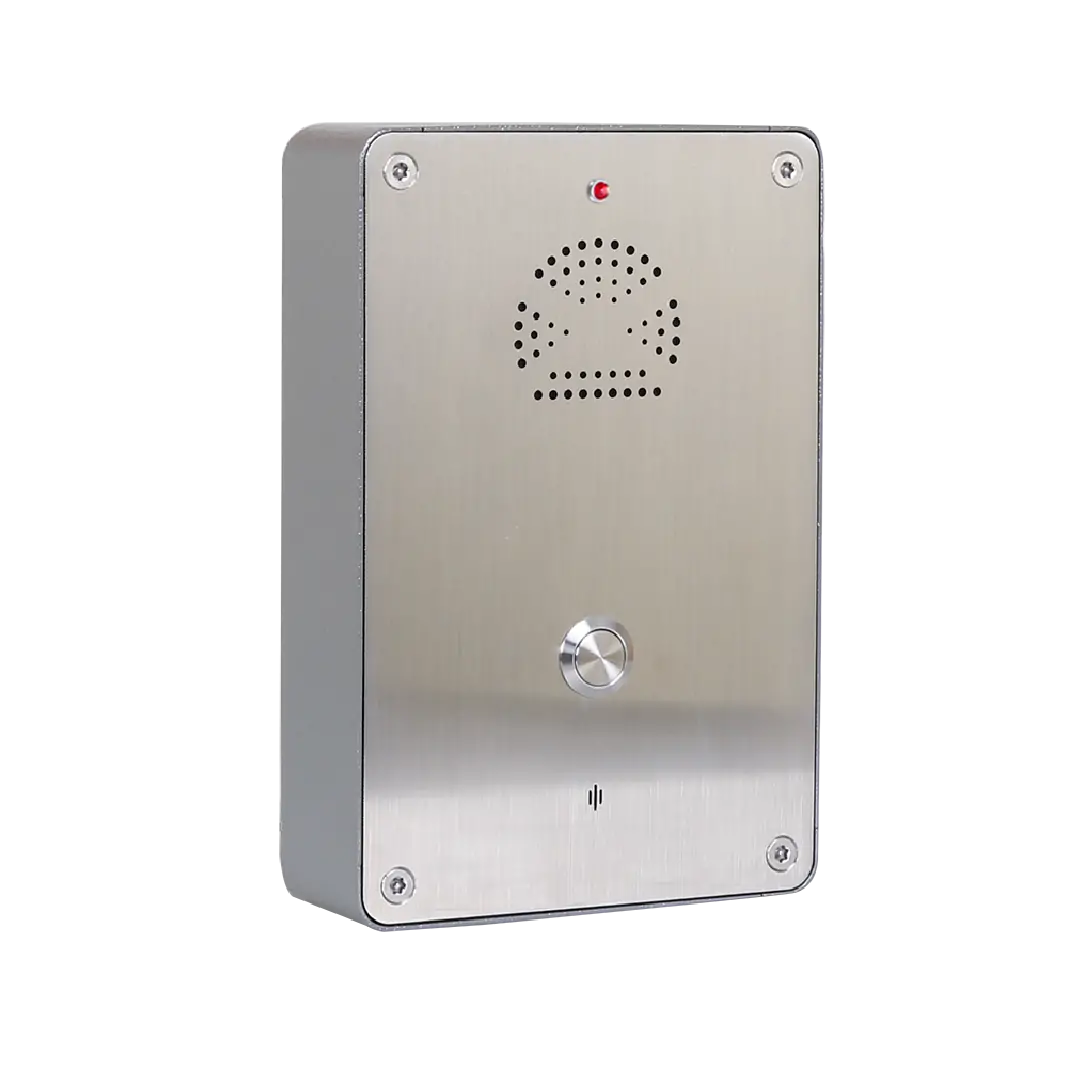
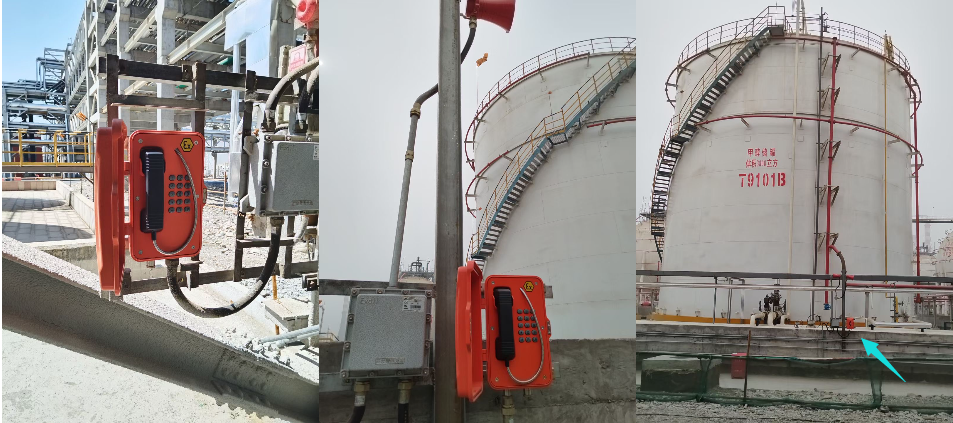
Explosion-proof telephones are designed to provide reliable communication without posing ignition risks. Their roles include:
-
Emergency Communication
Enable workers to quickly contact control rooms during incidents.
-
Operational Coordination
Facilitate real-time communication between field operators and supervisors.
-
Integration with Control Systems
Connect with SCADA or VoIP systems for centralized management.
-
Rugged Reliability
Built with durable materials and sealed enclosures to withstand harsh environments.
In high-risk areas, these telephones are often the primary communication tool, ensuring immediate response capability.
Application of Explosion-Proof Speakers and Alarms
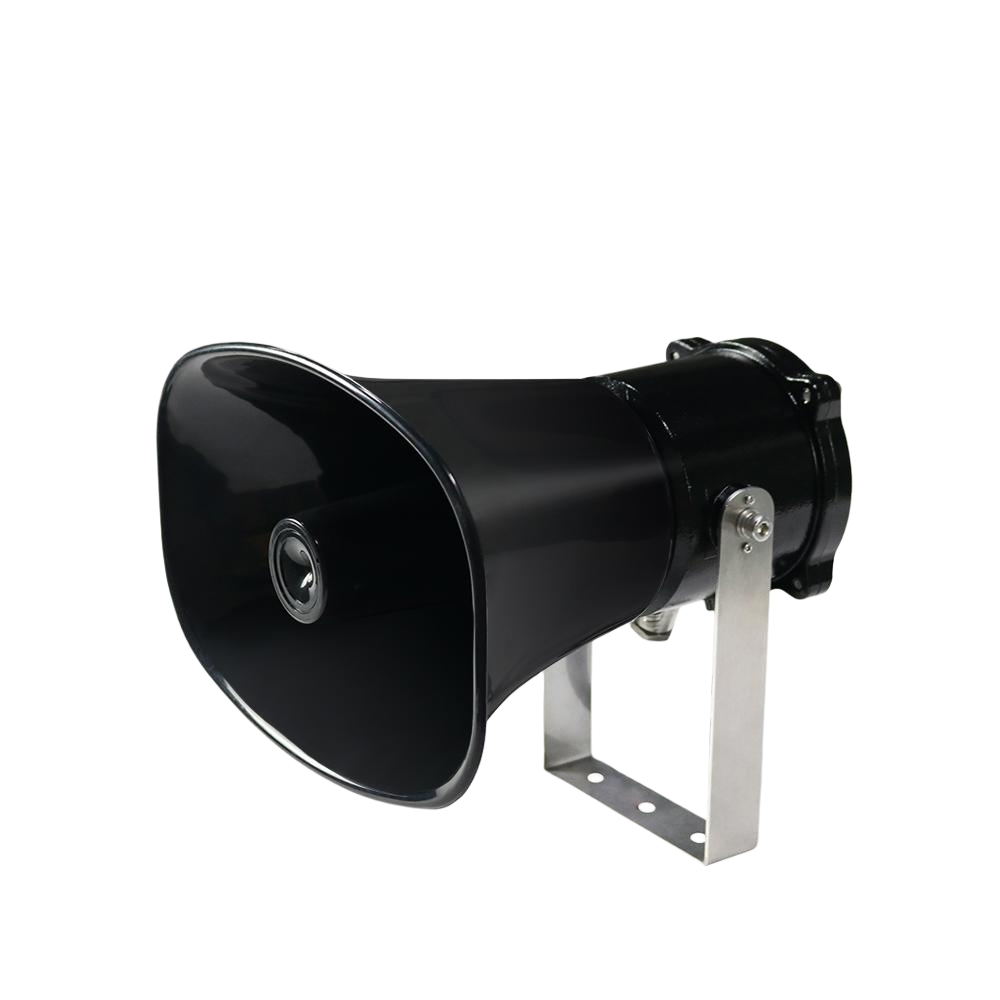
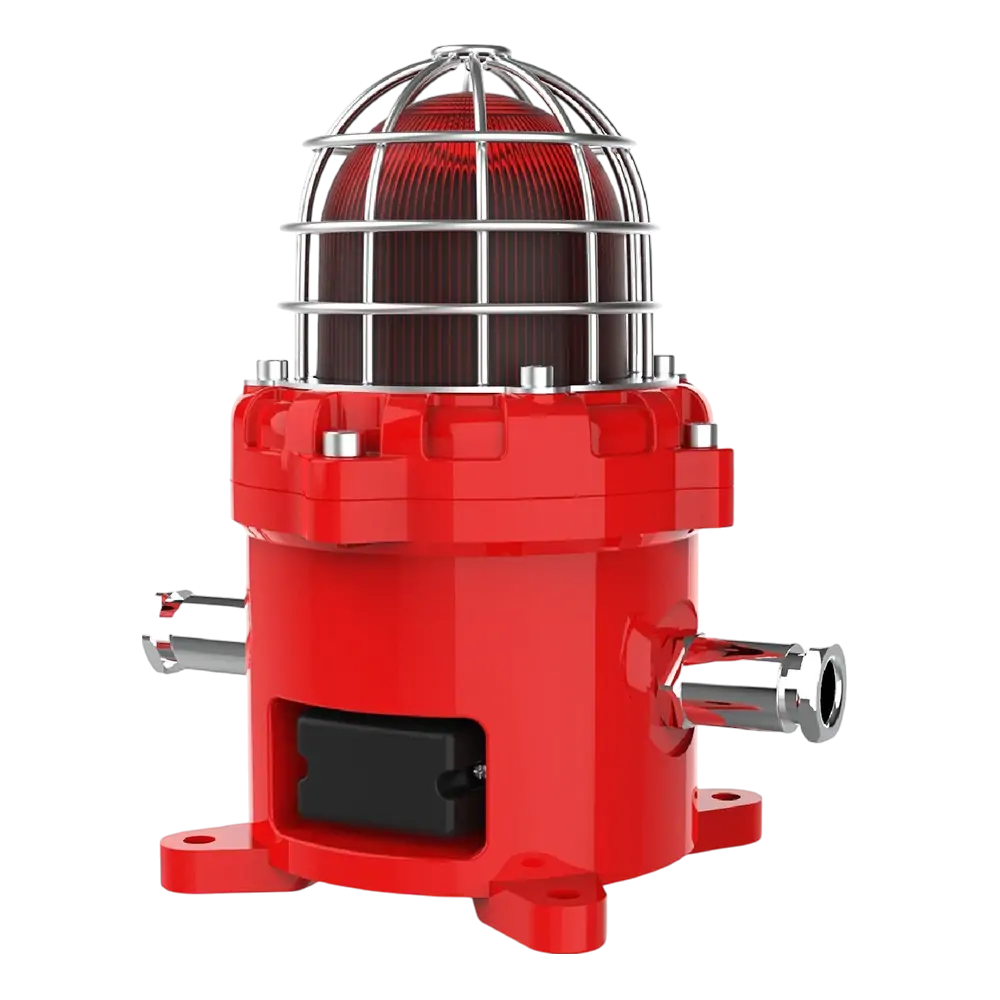
Explosion-proof speakers and alarm systems are critical for mass notification and warning functions:
-
Emergency Alerts
Broadcast evacuation instructions, gas leak warnings, or fire alarms across large areas.
-
Public Address (PA) Systems
Deliver routine announcements and operational instructions.
-
High-Noise Environment Performance
Designed to cut through ambient noise with high sound pressure levels.
-
Wide Coverage
Strategically placed speakers ensure that messages reach all personnel, even in remote or outdoor zones.
These systems are especially vital in situations where visual alerts alone are insufficient.
Use of Explosion-Proof Lighting Solutions
Lighting plays a crucial role in both safety and operational efficiency:
-
Hazard-Free Illumination
Explosion-proof lights prevent sparks or overheating that could ignite flammable substances.
-
Improved Visibility
Ensure safe navigation and operation in dim or hazardous areas.
-
Emergency Lighting
Provide backup illumination during power failures or emergency situations.
-
Durability and Longevity
Designed to withstand corrosion, vibration, and extreme weather conditions.
Proper lighting reduces the likelihood of accidents and enhances overall workplace safety.
Compliance and Maintenance of Explosion-Proof Devices
Deploying explosion-proof equipment is only part of the safety equation—ongoing compliance and maintenance are equally important:
-
Certification Compliance
Ensure all equipment meets standards such as ATEX or IECEx.
-
Routine Inspections
Regularly check for damage, corrosion, or seal degradation.
-
Preventive Maintenance
Replace worn components and ensure all systems function correctly.
-
Documentation and Audits
Maintain records to meet regulatory requirements and safety audits.
-
Training and Awareness
Ensure personnel understand how to use and maintain explosion-proof equipment properly.
Failure to maintain equipment can compromise safety and lead to regulatory violations.
Conclusion
Explosion-proof telephones, speakers, and lighting systems are essential components of safety infrastructure in petrochemical and oil & gas industries. Together, they enable reliable communication, effective emergency response, and safe working conditions in hazardous environments.
By investing in certified explosion-proof equipment and maintaining it properly, companies can significantly reduce risks, ensure compliance, and protect both personnel and assets.


 Prisons & Correctional Facilities
 Transportation & Underground Infrastructure
 Critical Industrial & Energy Facilities
 Marine & Offshore
 Manufacturing Plant & Public Facilities