In industries such as oil & gas, chemical processing, and mining, safety is a top priority—especially in environments where explosive atmospheres may be present. Equipment used in these areas must meet strict regulatory standards to prevent ignition risks. This is where ATEX certification becomes essential.
So, what is ATEX certification, and do your industrial telephones actually need it? This article provides a clear breakdown of ATEX requirements and their relevance to communication equipment.
ATEX Overview
ATEX stands for “ATmosphères EXplosibles”, derived from European Union directives that regulate equipment used in explosive environments. The ATEX framework ensures that electrical and mechanical devices do not become ignition sources in hazardous areas.
There are two key ATEX directives:
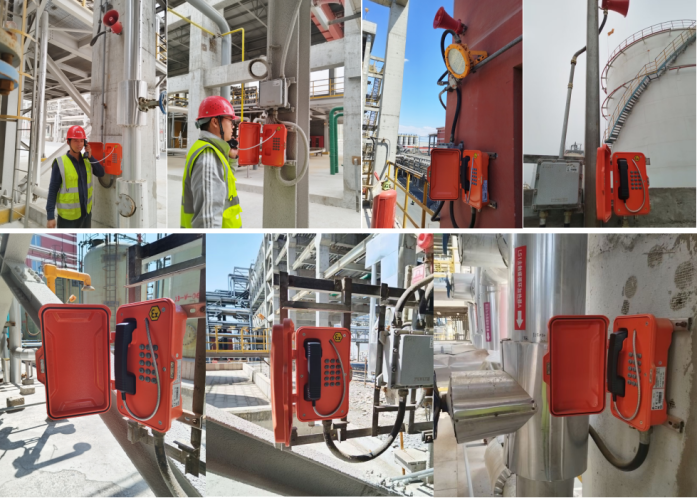
For industrial communication systems—including telephones, intercoms, and signaling devices—ATEX certification confirms that the equipment can safely operate in hazardous zones without triggering explosions.
Zones and Categories
ATEX defines hazardous areas based on the frequency and duration of explosive atmospheres:
Gas Environments
-
Zone 0 – Explosive atmosphere is present continuously or for long periods
-
Zone 1 – Likely to occur during normal operation
-
Zone 2 – Unlikely to occur, or only for short durations
Dust Environments
Equipment is also categorized based on protection levels:
-
Category 1 – Highest protection (Zone 0 / 20)
-
Category 2 – High protection (Zone 1 / 21)
-
Category 3 – Normal protection (Zone 2 / 22)
Choosing the correct category is critical when deploying industrial telephones in hazardous environments.
Test Procedures
To achieve ATEX certification, equipment must undergo rigorous testing and assessment, typically conducted by notified bodies in the EU.
Key evaluation areas include:
-
Explosion Protection Design
Verification of protection methods such as flameproof (Ex d), intrinsic safety (Ex i), or increased safety (Ex e).
-
Temperature Classification
Ensures surface temperatures do not exceed ignition thresholds of surrounding gases or dust.
-
Ingress Protection (IP Rating)
Confirms resistance to dust and water, which is crucial in industrial environments.
-
Electrical and Mechanical Integrity
Ensures the device can withstand harsh conditions without failure.
These tests guarantee that certified equipment can operate safely under extreme conditions.
Equipment Marking
ATEX-certified equipment must carry specific markings that indicate its compliance and suitability. A typical ATEX marking includes:
-
CE Marking – Confirms compliance with EU regulations
-
Ex Symbol – Indicates explosion protection
-
Equipment Group and Category
-
Gas/Dust Classification
-
Temperature Class (e.g., T4, T6)
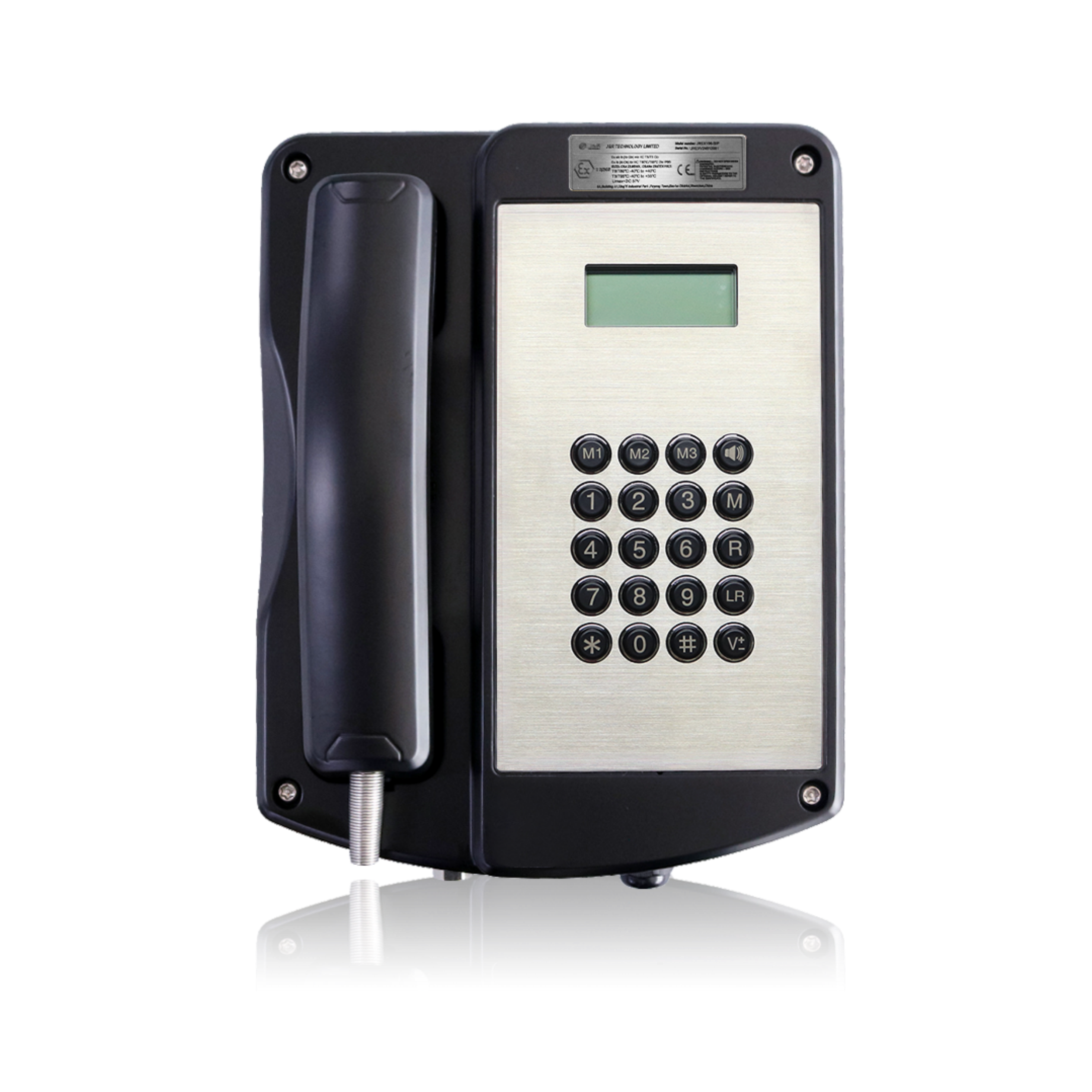
For example, a marking such as:
II 2G Ex d IIC T4 Gb
Provides detailed information about where and how the equipment can be safely used.
Understanding these markings is essential when selecting industrial telephones for hazardous areas.
Compliance Checklist
To determine whether your phones need ATEX certification, consider the following checklist:
-
Is the installation area classified as hazardous (Zone 0, 1, 2, etc.)?
-
Will the equipment be exposed to flammable gases or combustible dust?
-
Are local or project specifications requiring ATEX compliance?
-
Does the system integrate with other certified equipment?
-
Is long-term operational safety a critical concern?
If the answer to any of these questions is “yes,” then ATEX-certified telephones are likely required.
Conclusion
ATEX certification is not just a regulatory requirement—it is a critical safety assurance for equipment used in hazardous industrial environments. For communication devices like industrial telephones, compliance ensures reliable operation without compromising safety.
Selecting ATEX-certified equipment helps reduce risk, meet legal requirements, and protect both personnel and infrastructure. For industries operating in explosive atmospheres, it is not a question of if you need ATEX certification—but where and how to apply it correctly.


 Prisons & Correctional Facilities
 Transportation & Underground Infrastructure
 Critical Industrial & Energy Facilities
 Marine & Offshore
 Manufacturing Plant & Public Facilities