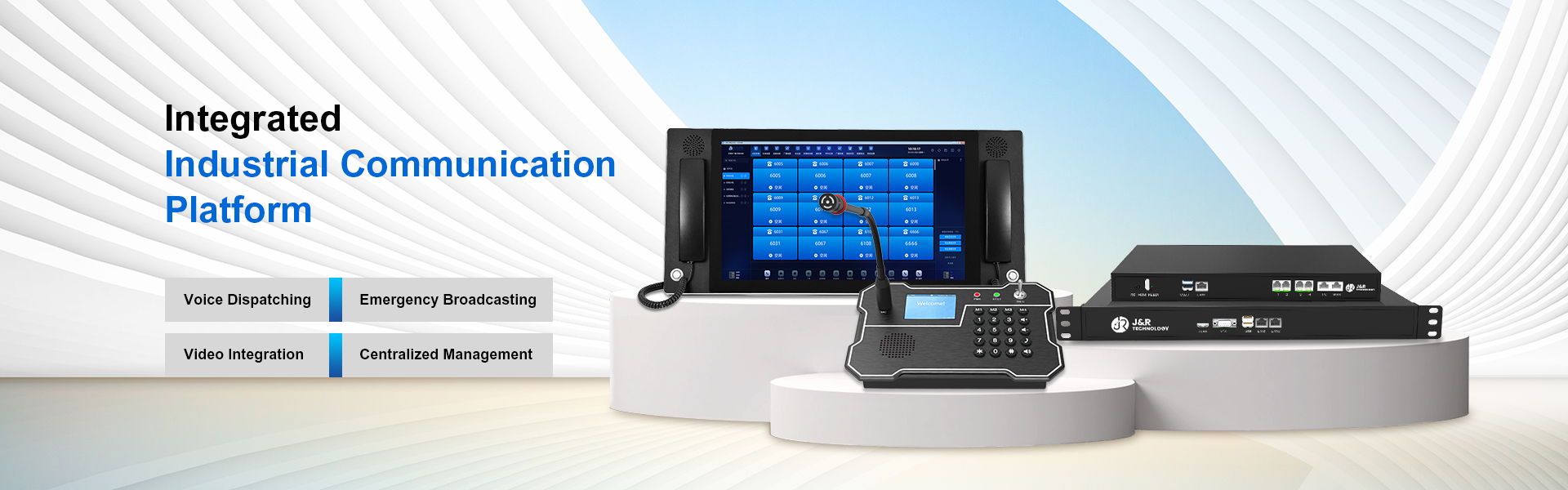
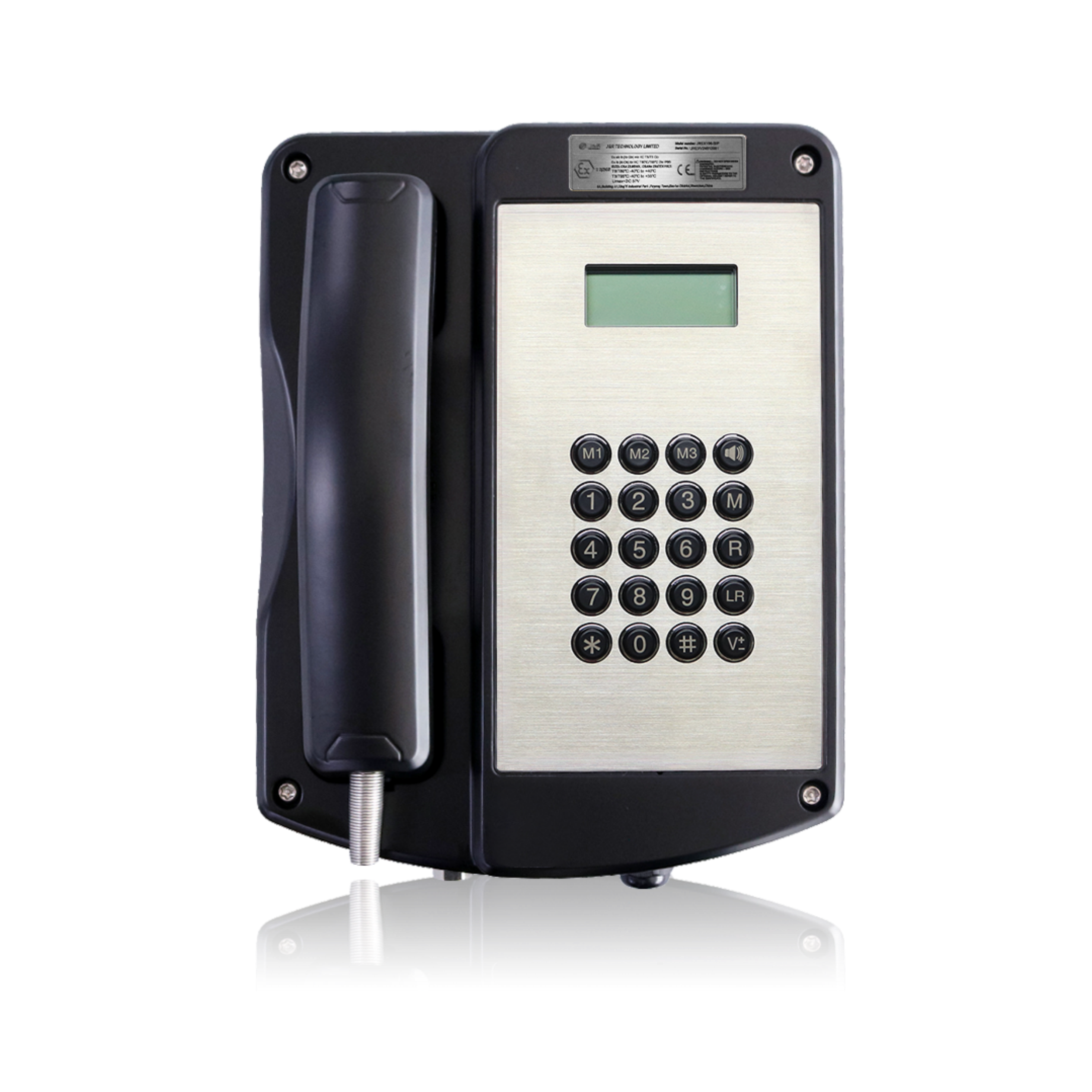
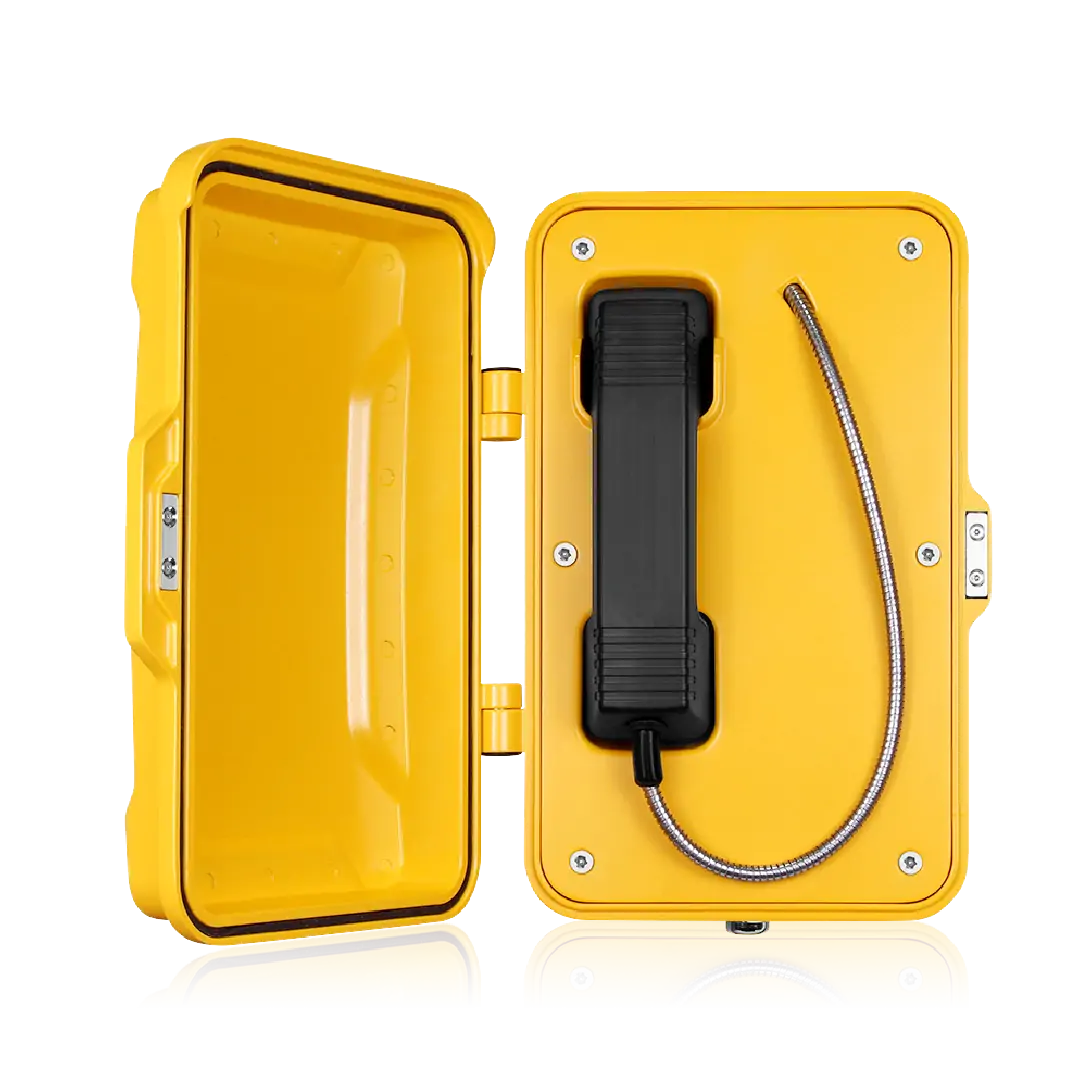
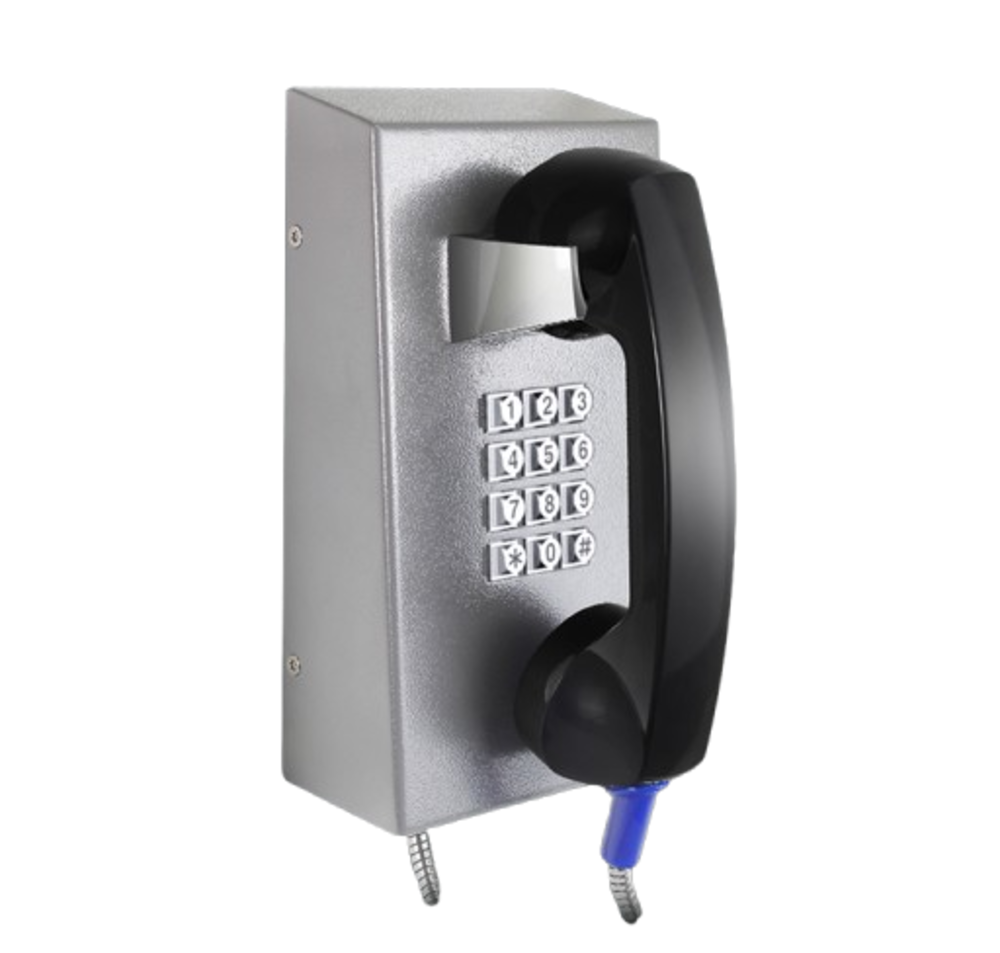
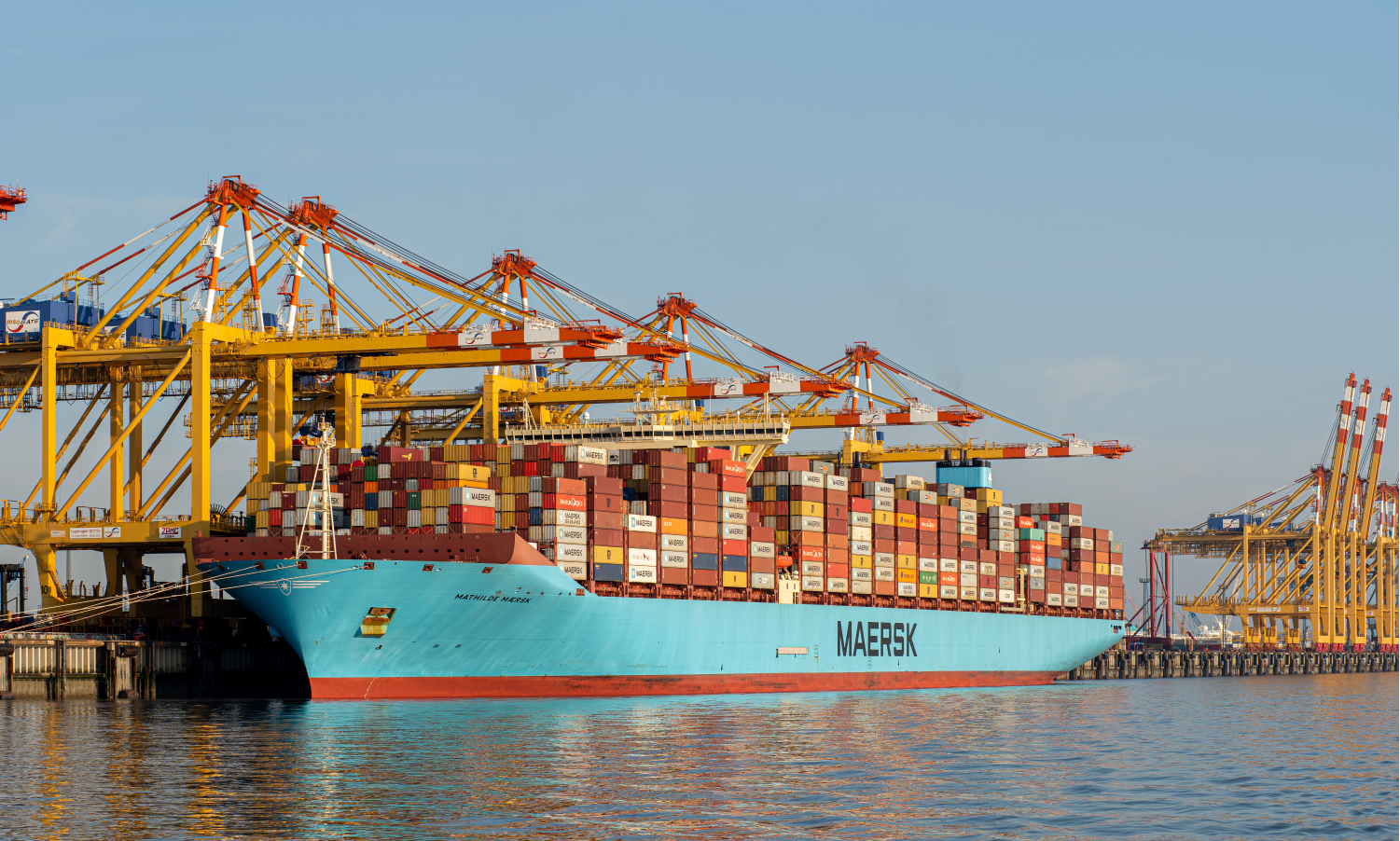
Critical infrastructure such as power plants, highways, offshore oil sites, tunnels, and factories depends on safe and clear communication. Any failure in communication can slow operations, cause accidents, or block emergency response. Because of these risks, many industries now prefer secure communication solutions to keep workers safe and maintain system reliability. Many sectors now depend on secure communication solutions to protect workers, equipment, and large-scale facilities every day. This article explains why these solutions matter, how they work, and why industries rely on them to protect important infrastructure.
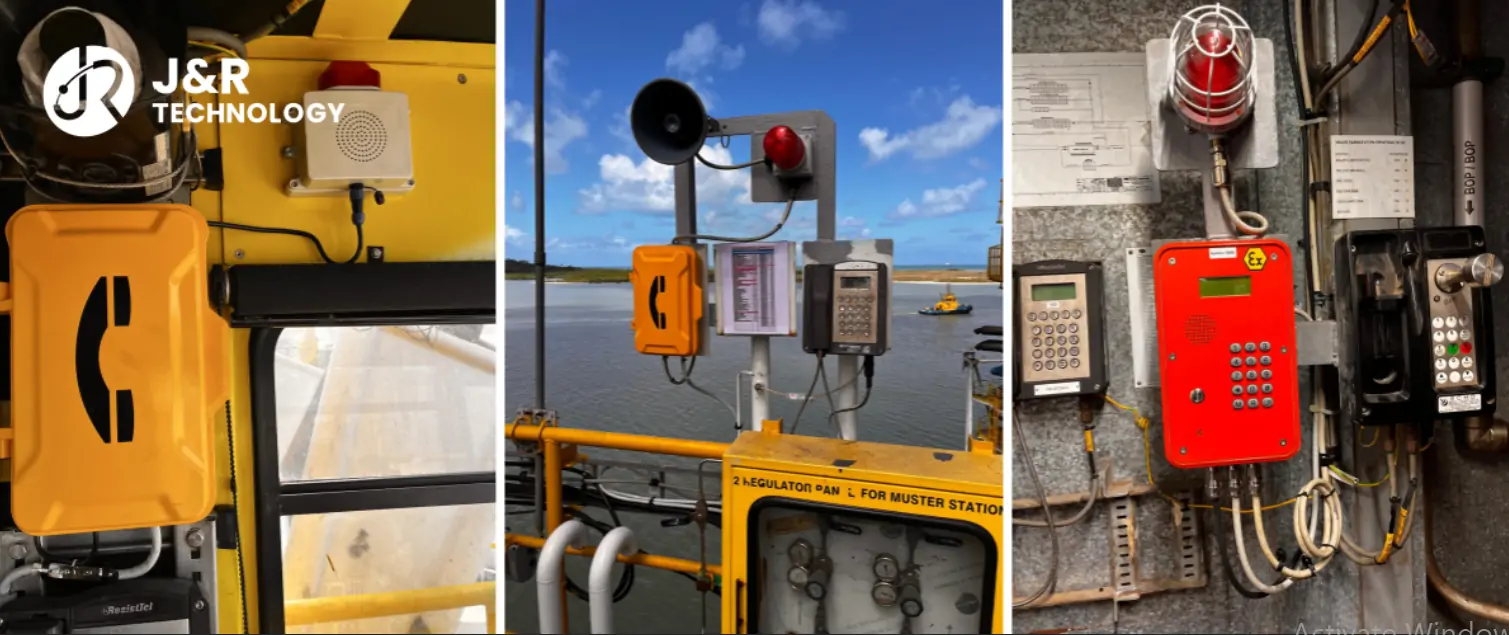
How Secure Communication Solutions Support Critical Infrastructure
Critical infrastructure includes power plants, mines, ports, chemical plants, tunnels, and expressways. Clear and stable communication is essential in these facilities. Secure communications solutions enable teams to quickly share information without the risk of downtime, interference or data breach. These systems support workers in daily operations and enable teams to respond quickly in emergencies. When installed in loud, dusty, wet, or dangerous environments, they reduce the chances of miscommunication. Many facilities also use an IP public address system to deliver alerts, warnings, or instructions. An IP public address system connects to networks and allows real-time broadcasting across buildings, tunnels, and outdoor sites.
Why Secure Communication Solutions Are Important for High-Risk Industries
Industries such as oil and gas, marine work, mining and power generation cannot depend on ordinary telephone and consumer equipment. These areas face harsh environments such as explosions, moisture, corrosion and high noise. Secure communication solutions help these sites maintain safe and stable operations through:
1. Clear communication in noisy or harsh areas
Industrial sites often have engines, heavy tools, or machinery that make communication difficult. Secure communication solutions offer noise reduction, loud output, and clear audio to prevent mistakes.
2. Emergency response support
In emergencies, workers need to contact control rooms without delays. Systems like emergency phones, video intercoms, and IP public address system tools help teams take quick action.
3. Reliable performance in all weather
Outdoor sites face rain, humidity, sand, saltwater, and extreme heat. J&R’s weatherproof and explosion-proof systems ensure smooth operation.
4. Protection against vandalism and damage
Public places such as highways, tunnels, and transport hubs need systems that resist tampering. Secure systems with metal housings and internal protection offer long-term durability.
How Secure Communication Solutions Reduce Security Risks
Every infrastructure faces security threats like unauthorized access, cyber risks, and communication failure. Secure communication solutions help reduce these risks through controlled access, encrypted calls, and stronger monitoring.
Here’s how they support security:
Encrypted communication
Many VoIP and SIP-based systems protect calls and data through encryption. This prevents unwanted listeners.
Access control with video intercoms
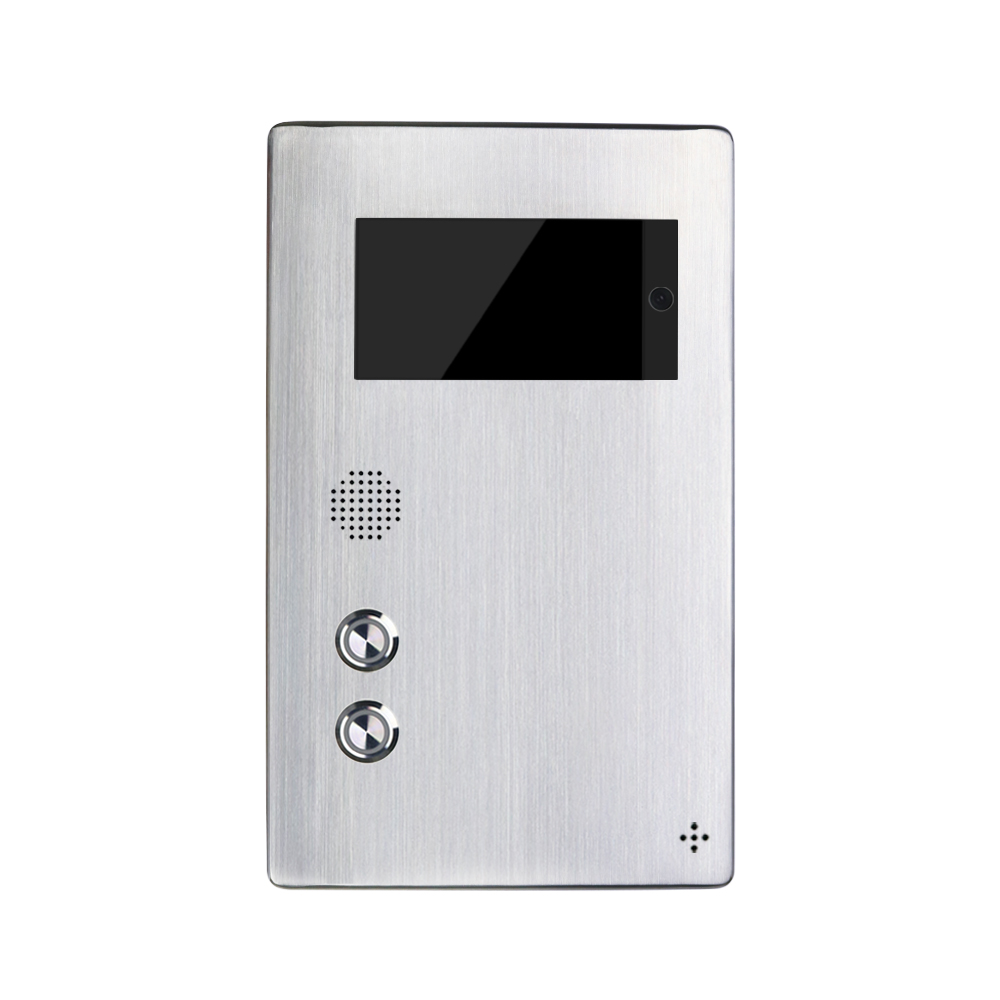
Video intercoms allow staff to verify visitors before granting entry. This reduces theft, accidents, and unauthorized actions.
Centralized monitoring
Control rooms can check communication logs, broadcasts, and calls. When combined with an IP public address system, teams can send instructions to the entire facility.
Fast alerts during emergencies
Anyone can send alerts, warnings, or evacuation messages through phones or PA systems. Many people also search what is public address system because it plays a major role in alarm and alert management. It is simply a system that lets you share messages with a large group.
Reliable backup systems
If one line fails, calls can redirect to backup routes. This keeps the facility safe even during network issues.
Types of Secure Communication Solutions for Critical Infrastructure
Different environments need specialized tools. Here are the common secure communication solutions used across industries.
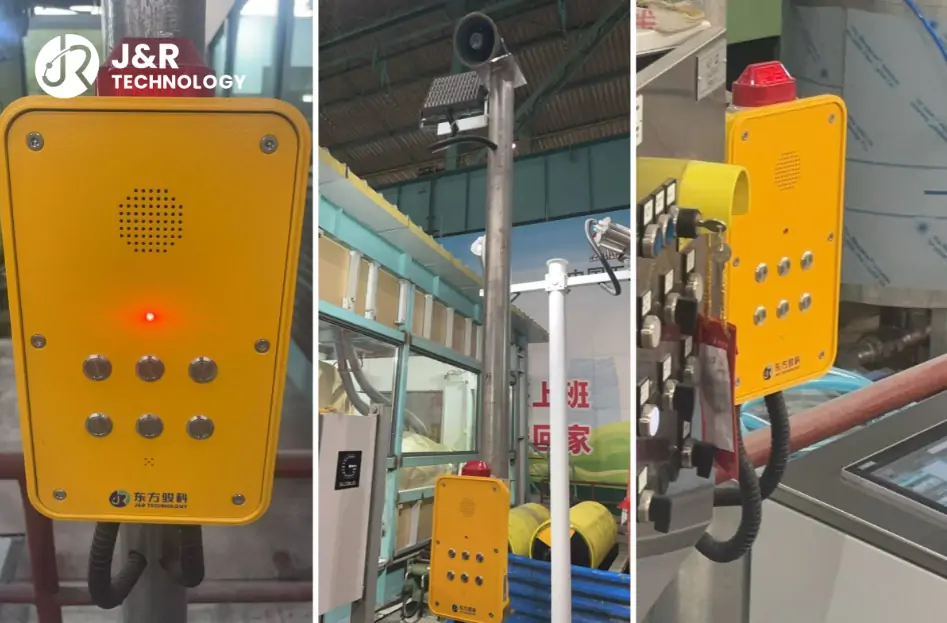
Explosion-proof and weatherproof telephones
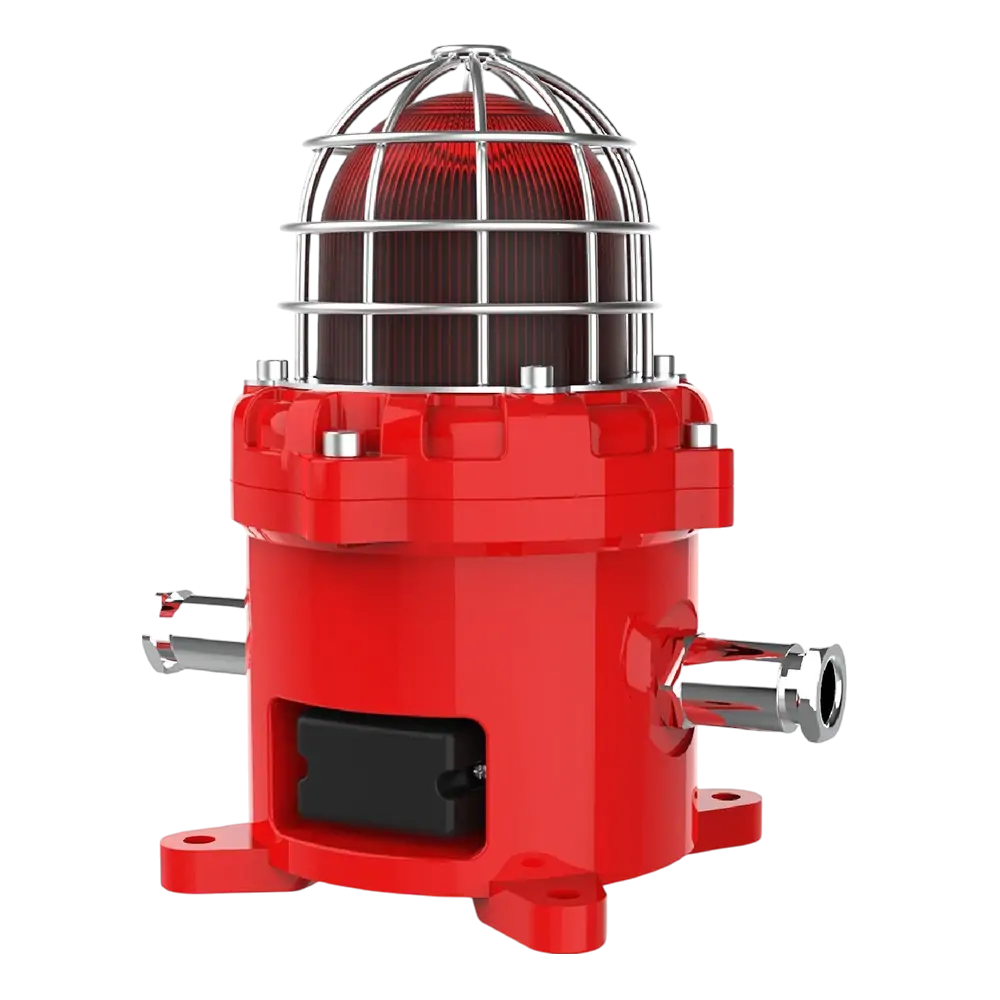
Used in oil platforms, petrochemical sites, refineries, and mining areas. These phones resist chemicals, dust, moisture, and fire hazards.
Emergency telephones
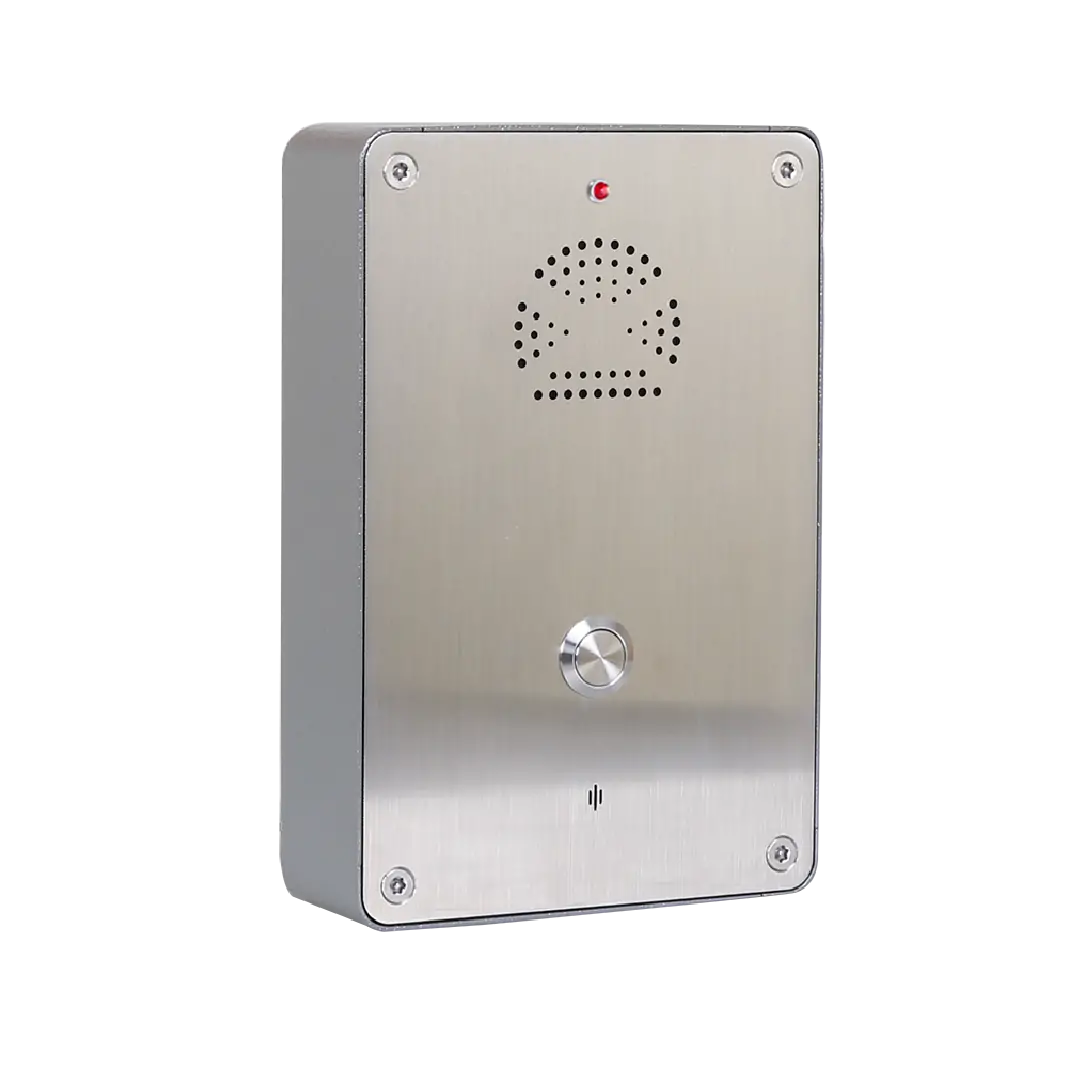
Installed along highways, tunnels, power plants, railway stations, and large campuses. Workers or the public can call for help instantly.
SIP and VoIP video intercoms
These solutions support clear audio and video communication. They help with access control and operator-to-worker communication.
Industrial broadcasting systems
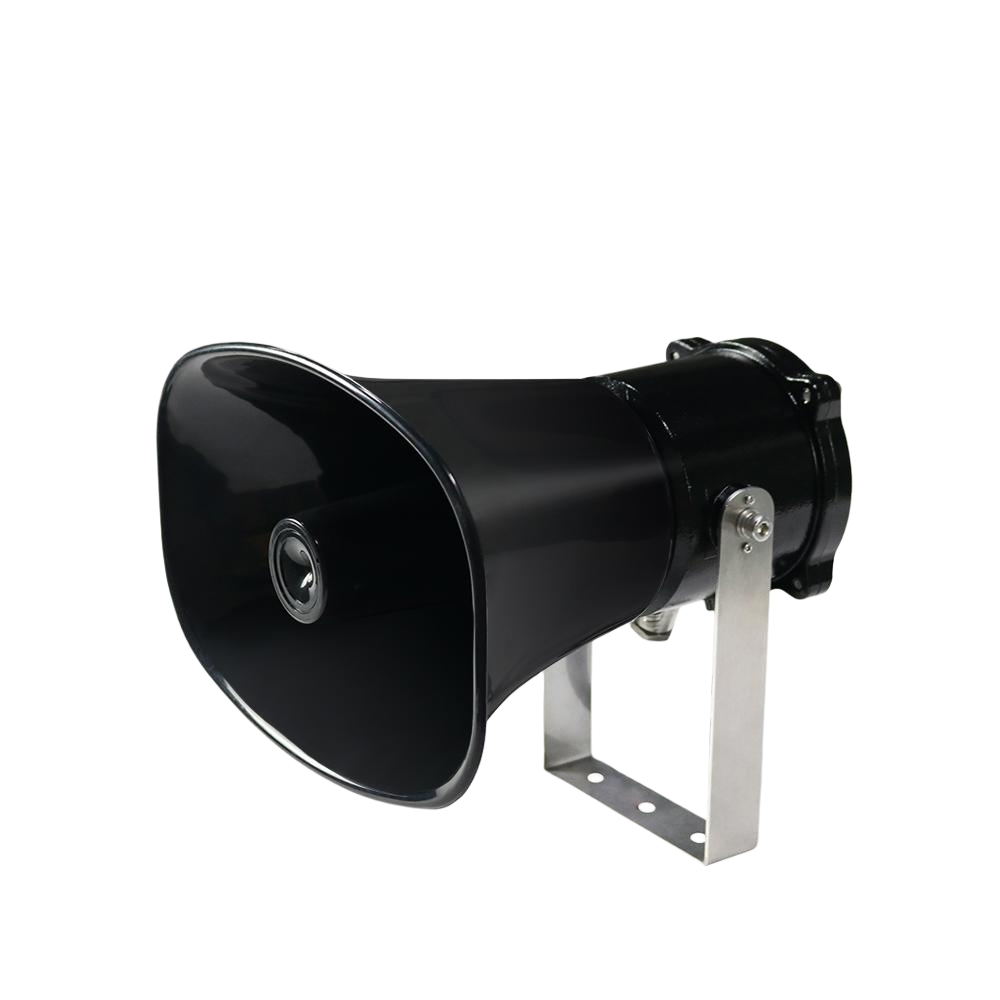
An IP public address system helps facilities broadcast instructions, alerts, and routine messages. This supports both normal operations and emergencies.
Control room communication systems
Operators monitor the entire system and communicate with every zone. They depend heavily on secure communication solutions for fast decision-making.
How Secure Communication Solutions Improve Operational Efficiency
Smooth communication reduces mistakes and increases productivity. When workers receive instructions clearly, they finish tasks on time. Secure communication solutions also support:
- Quick coordination between teams
- Lower downtime
- Fewer accidents
- Better equipment handling
- Faster problem resolution
Workers in noisy factories or remote oil platforms benefit greatly from these systems. Even simple tools like emergency broadcast units or intercoms help operators manage operations more easily. People often search what is public address system because it is commonly used in plants and tunnels to improve coordination. A PA system sends instructions to workers, warns them of danger, and supports the communication structure of the entire site.
Explore Secure Communication Solutions at J&R Technology Ltd
JR-LTD.com provides a wide range of secure communication solutions designed for tough and high-demand environments. With over 100 products and strong manufacturing abilities, J&R Technology Ltd supports global industries that need safe, clear, and reliable communication. The company serves sectors such as oil and gas, power plants, highways, marine, mining, and large industrial sites. Every product focuses on safety, long life, and stable performance. J&R also offers full technical support to help clients install, operate, and maintain their systems with ease.
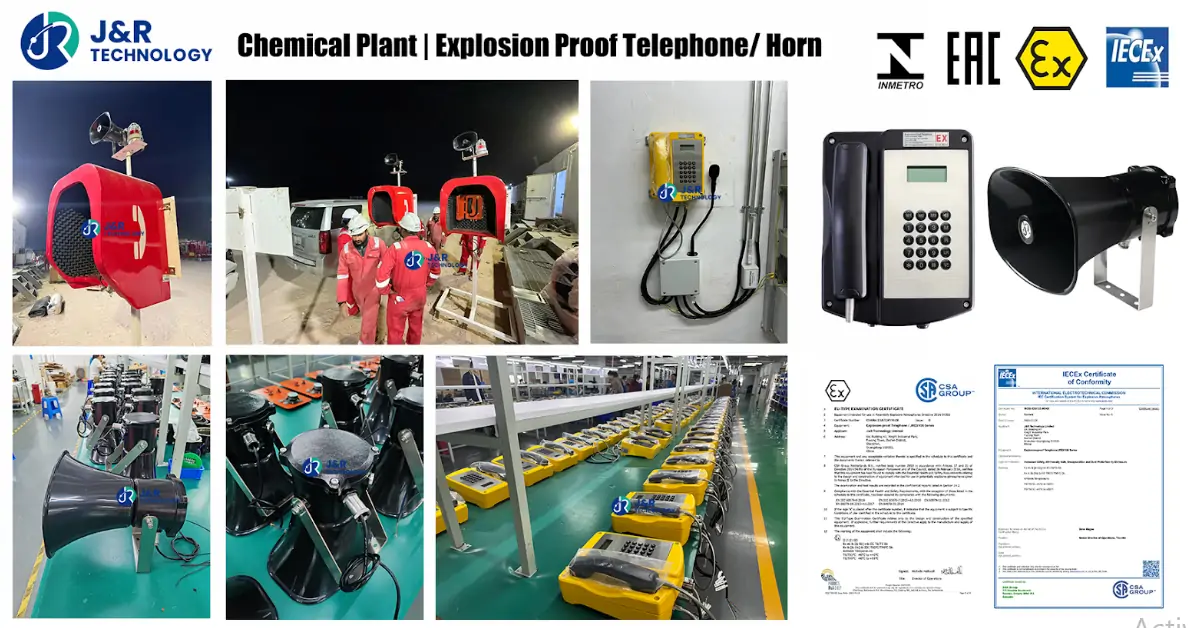
Why Choose J&R Technology Ltd?
- Wide range of products that cover emergency phones, intercoms, and industrial systems for different industry needs.
- Strong product quality backed by weatherproof, explosion-proof, and corrosion-resistant materials for long-term use.
- Global certifications that meet international safety rules, giving clients confidence in system reliability.
- Fast technical support with guidance for installation, operation, and long-running maintenance needs.
- Industry experience that helps clients choose the right secure communication solutions for harsh and complex environments.
Conclusion
Critical infrastructure cannot operate safely without clear and stable communication. Secure communications solutions support emergency response, daily operations, and safety management in industries such as oil and gas, power plants, mining, highways, marine facilities, and smart cities. Help your team stay aligned, communicate clearly and reduce risk under all circumstances. Systems like industrial telephones, emergency units, video intercoms, and IP public address system tools offer strong support for complex environments. Whether you want to understand
what is public address system or explore advanced industrial communication tools, J&R Technology Ltd provides trusted solutions used in more than 130 countries. With the right secure communication solutions, every facility can protect its people, equipment, and critical operations.


 Prisons & Correctional Facilities
 Transportation & Underground Infrastructure
 Critical Industrial & Energy Facilities
 Marine & Offshore
 Manufacturing Plant & Public Facilities