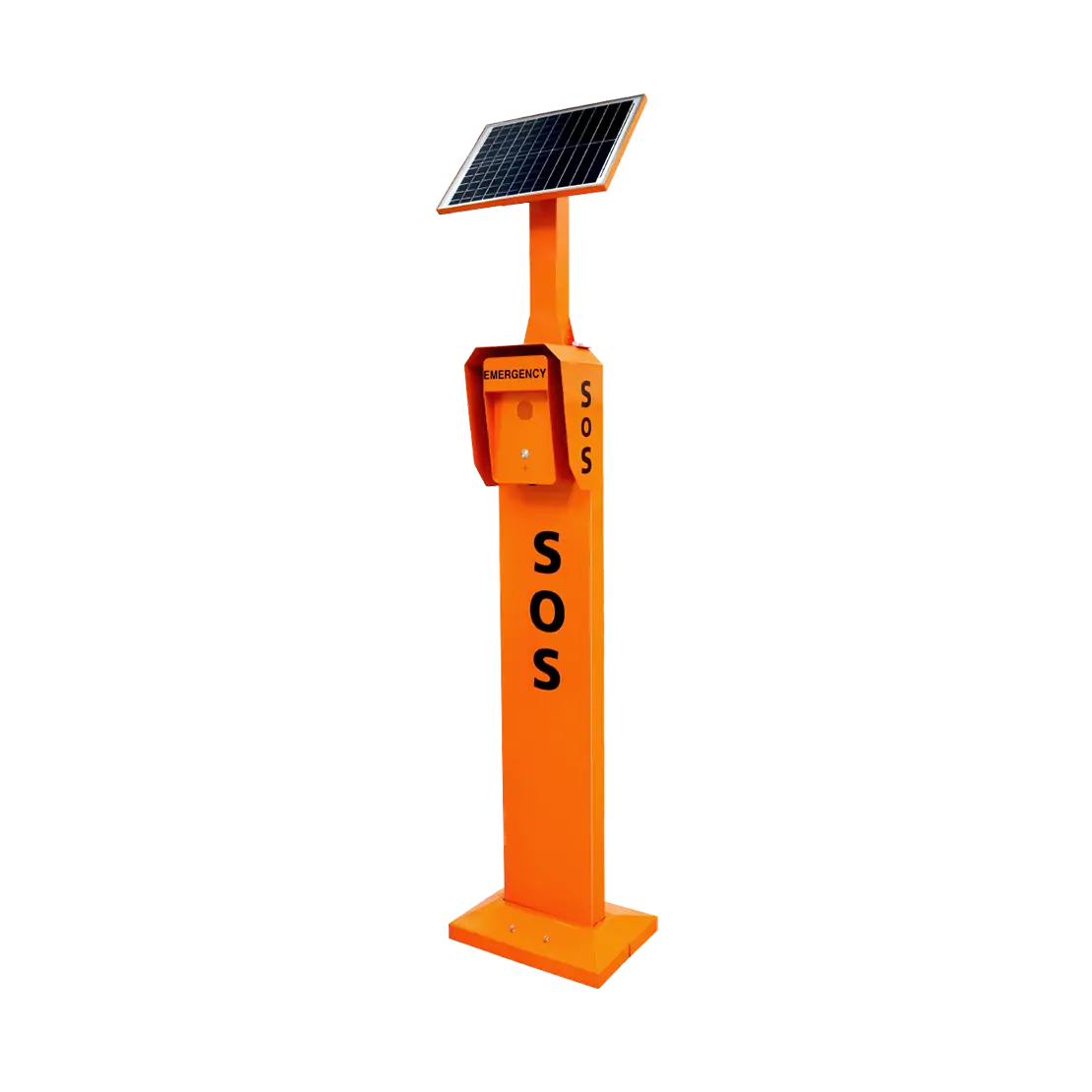
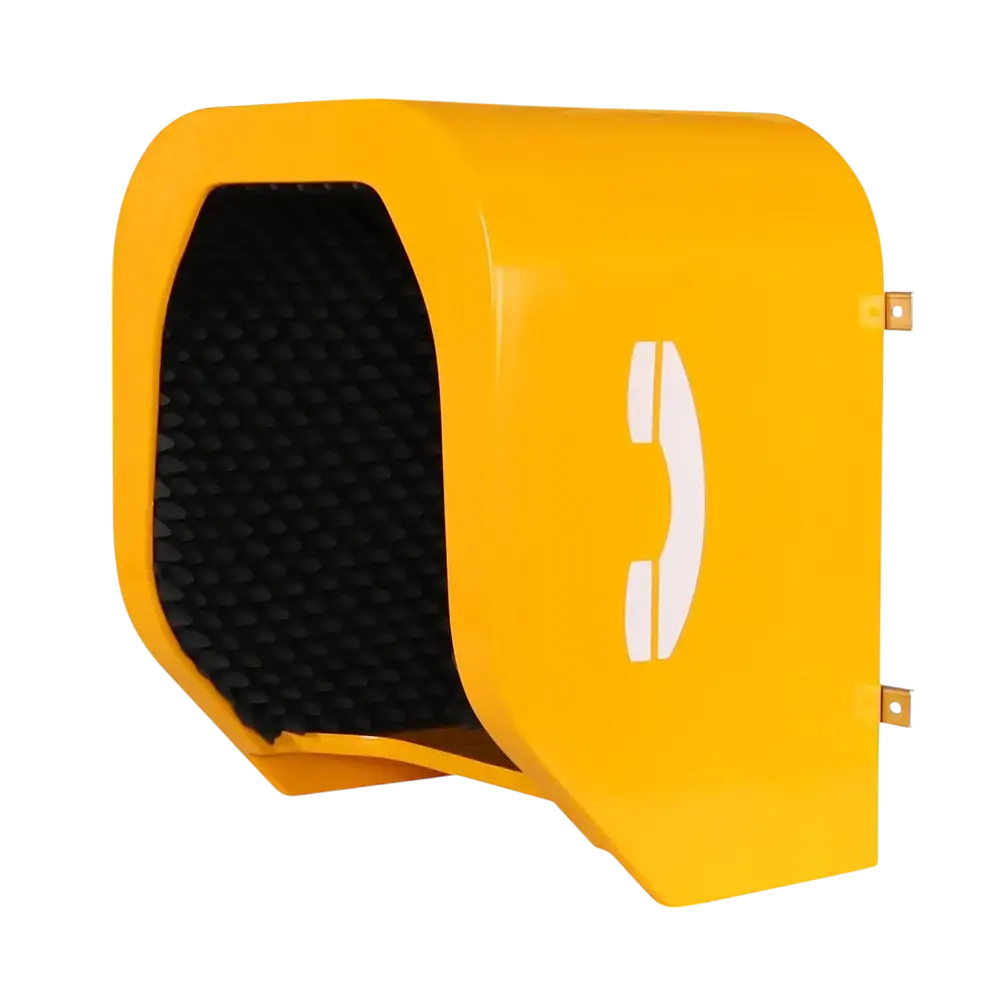
Can industrial paging outperform modern intercoms in noisy zones? Explore the pros, cons, and real-world use cases of industrial paging intercom systems—including integrated explosion-proof waterproof speakers and lights. This article compares one-way mass notification capabilities with two-way communication features, examining coverage in loud industrial environments, emergency response applications, integration strategies, and technological advancements. Discover how IP-based hybrid solutions with ruggedized components are reshaping industrial communication, balancing simplicity and interactivity for sectors like oil and gas, manufacturing, and logistics.
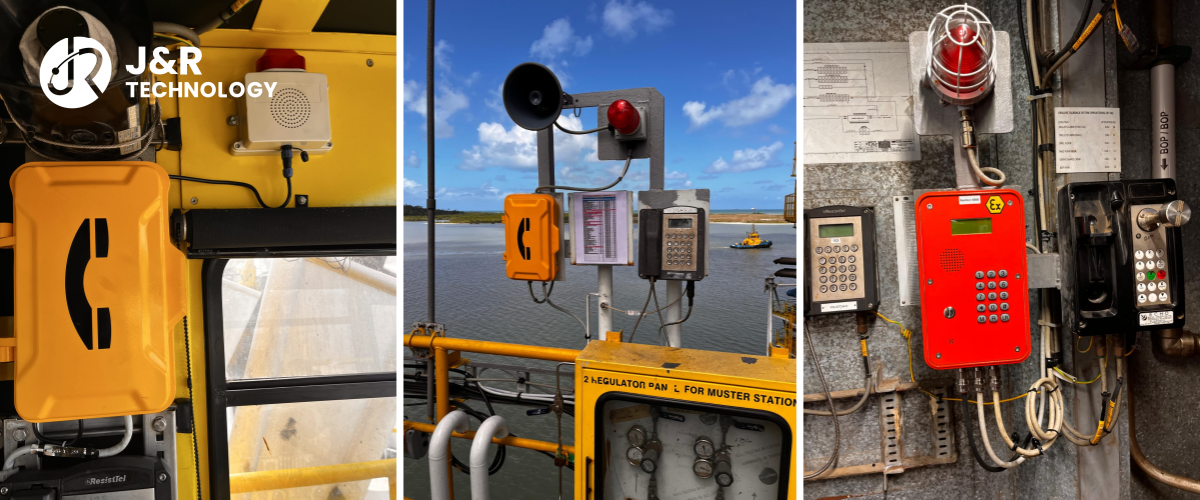
In industrial settings where clear communication can mean the difference between safety and risk, the debate between paging systems and modern intercoms remains relevant. For high-risk environments like oil rigs, chemical plants, or offshore facilities, this decision is further complicated by the need for ruggedized equipment—including industrial paging intercom systems integrated with explosion-proof waterproof speakers and lights. While both paging and intercom technologies serve critical communication needs, understanding their unique strengths, limitations, and integration with specialized hardware is key to selecting the right solution. Let’s dive into a comprehensive comparison of these two technologies and their place in today’s industrial landscape.
Paging vs Intercom Overview
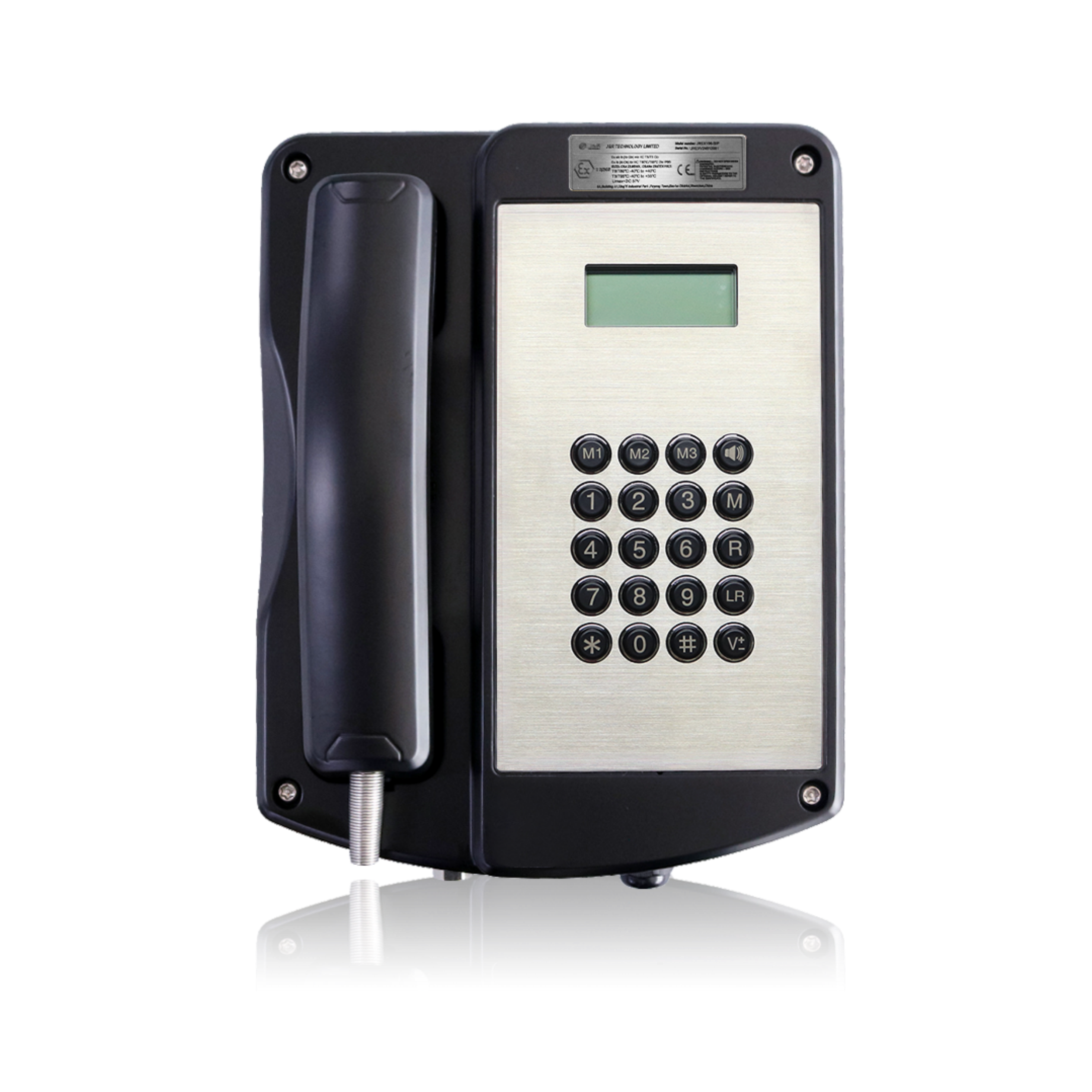
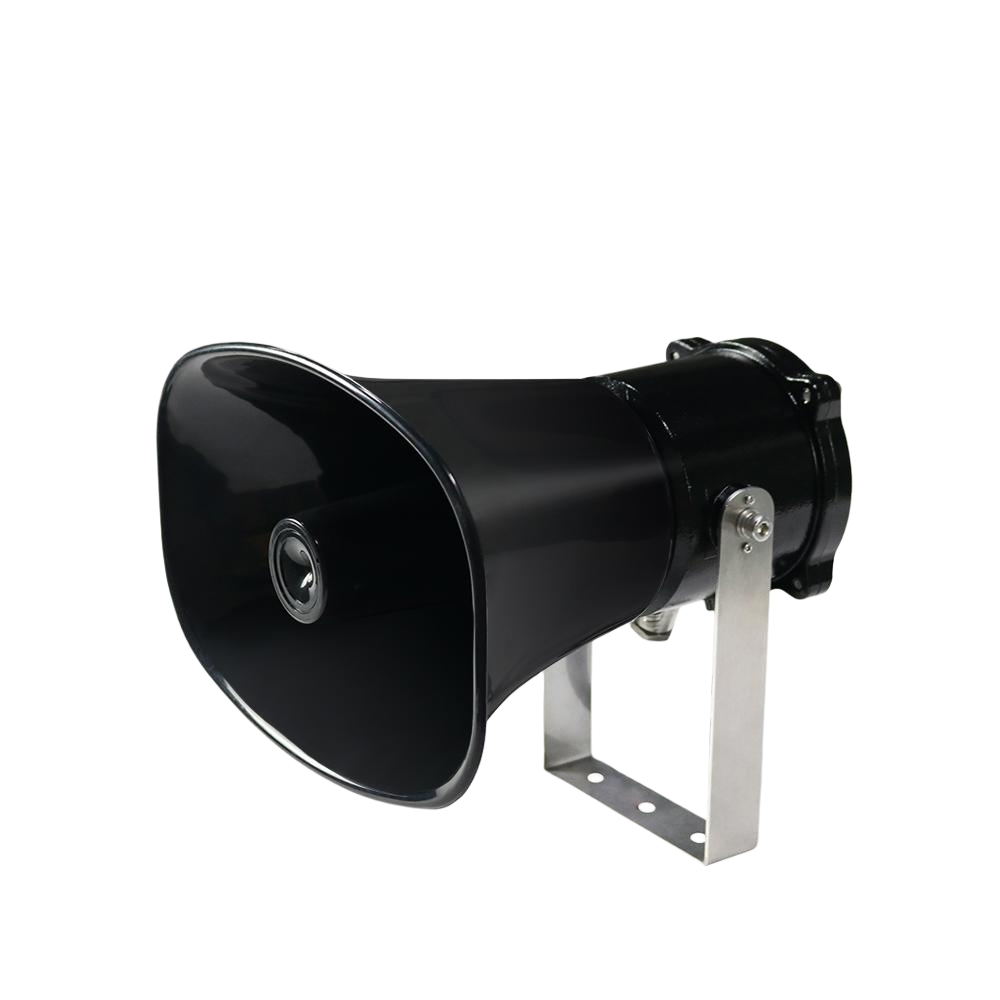
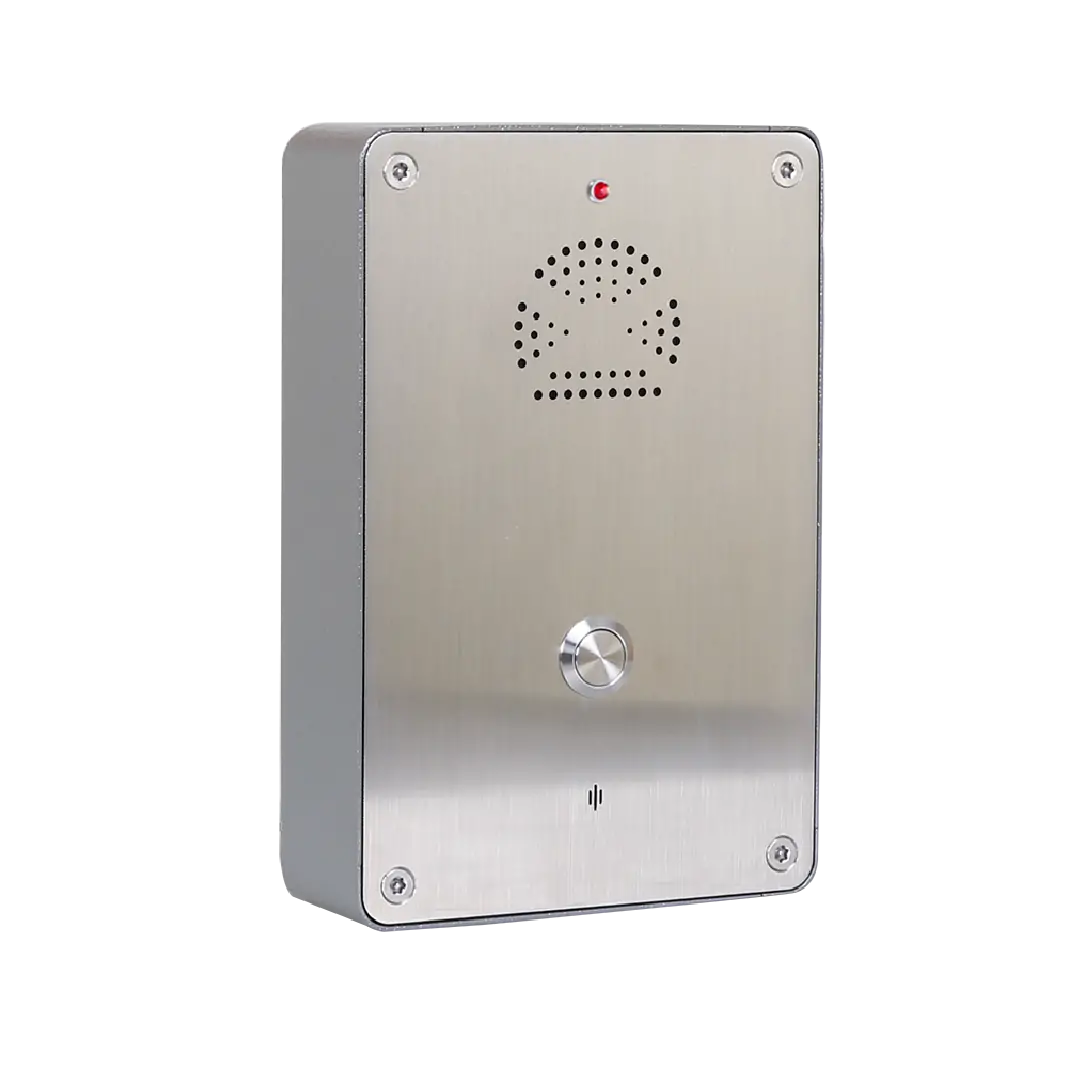
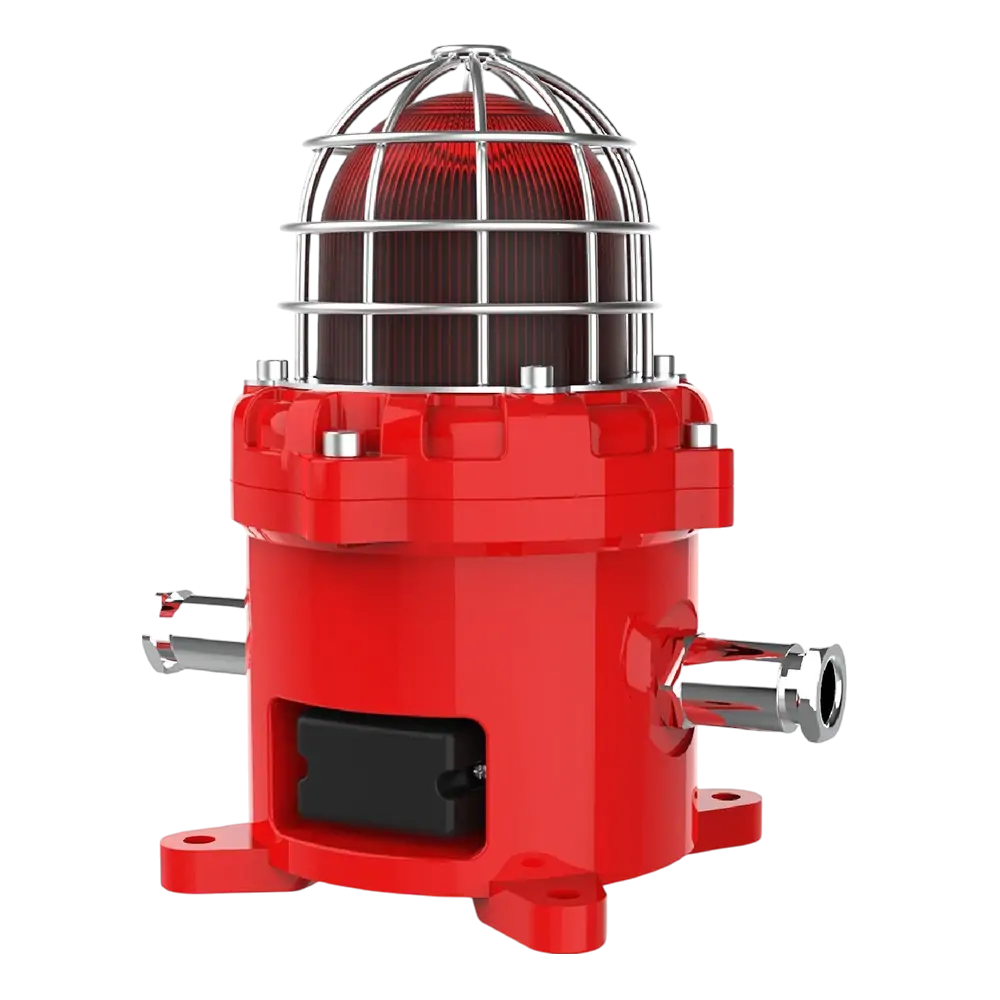
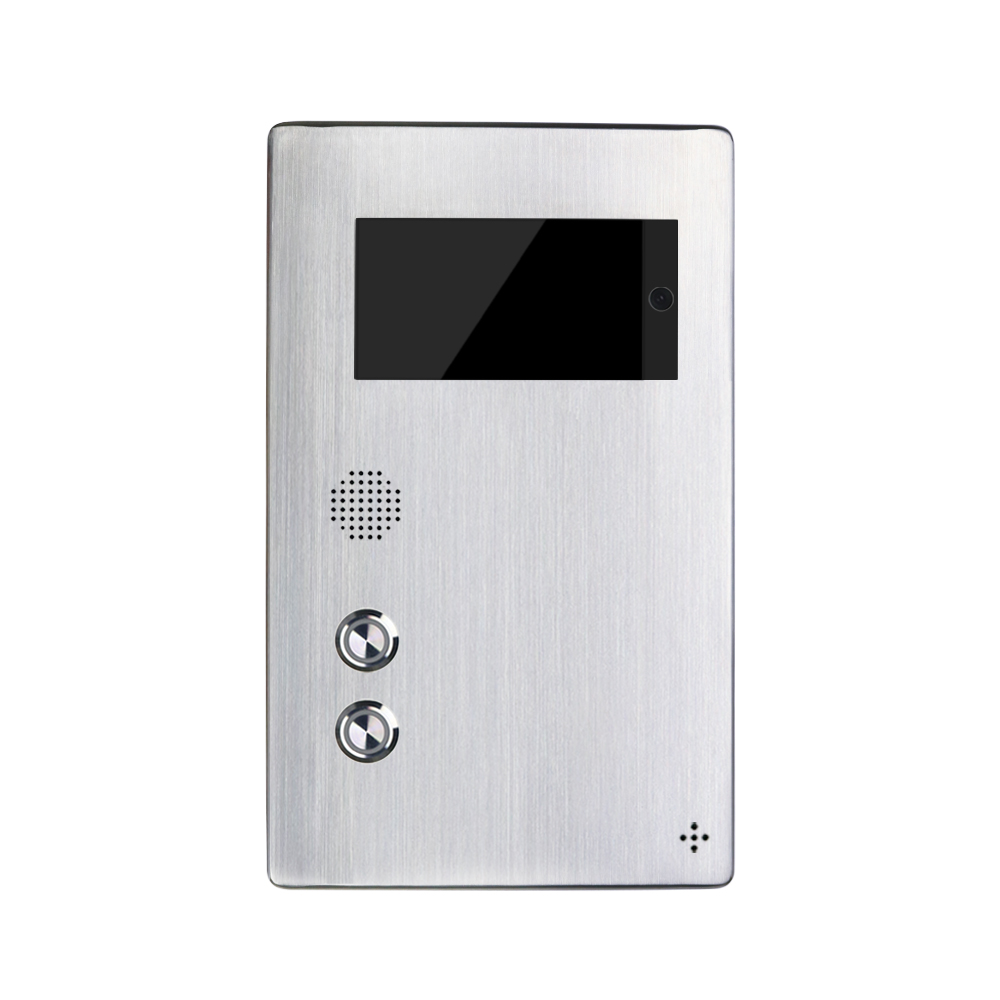
At their core, paging systems and intercoms address distinct communication objectives, with modern iterations increasingly incorporating specialized hardware for harsh environments. Traditional paging systems excel at one-way, mass notifications—delivering instant announcements to large audiences across warehouses, manufacturing plants, or oil rigs—often amplified by explosion-proof waterproof speakers that ensure audio clarity in wet, hazardous conditions. Their simplicity makes them ideal for routine updates, fire drills, or general alerts where widespread dissemination is prioritized over interaction. Modern intercoms, by contrast, specialize in two-way communication, enabling direct conversations, secure access control, and targeted interactions—with many industrial-grade models featuring integrated explosion-proof waterproof lights to enhance visibility in low-light or emergency scenarios.
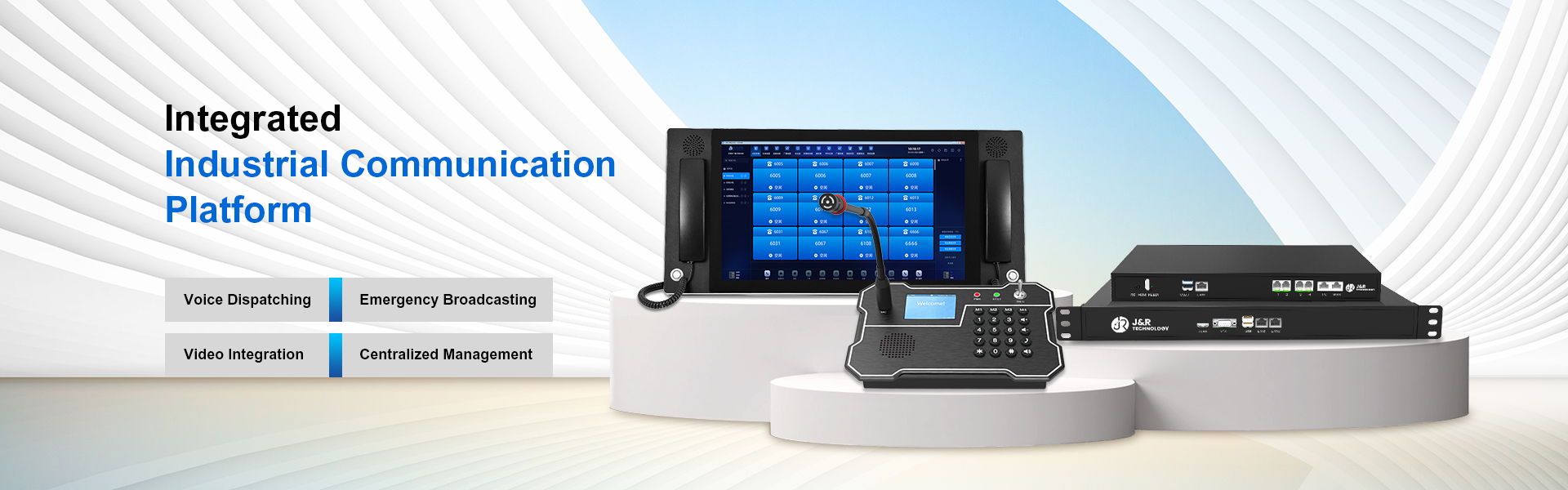
The line between these technologies has blurred with the rise of IP-based industrial paging intercom systems. Today’s hybrid solutions combine the broadcast reach of paging (with ruggedized speakers) with the interactivity of intercoms (paired with safety-focused lights), offering businesses a unified platform for both mass notifications and direct communication. For industrial operators in high-risk sectors, this means no longer choosing between one-way alerts and two-way collaboration—many systems now integrate both functionalities with explosion-proof and waterproof components within a single, scalable network. While traditional analog paging systems require dedicated wiring and lack remote management, modern IP-based alternatives leverage existing networks to reduce installation costs, enhance flexibility, and support remote monitoring of ruggedized hardware performance.
Coverage in Loud Environments
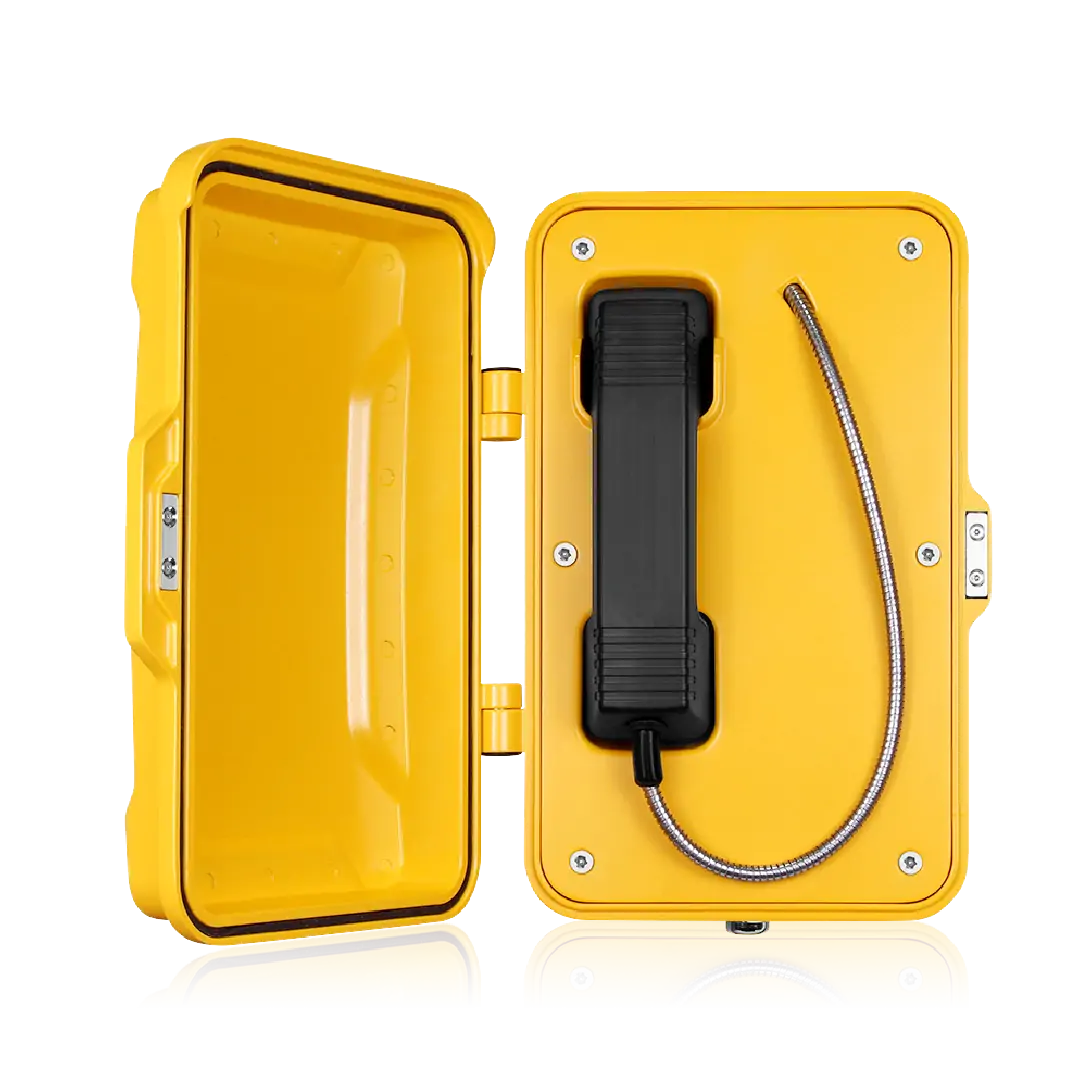
Industrial environments—from manufacturing floors to oil refineries—are often characterized by high noise levels (80-100 decibels) and harsh conditions, posing significant challenges for communication systems. Paging systems have long been favored in these settings for their ability to deliver loud, clear announcements, amplified by high-power explosion-proof waterproof speakers designed to withstand moisture, dust, and chemical exposure. These specialized speakers use reinforced diaphragms and sealed enclosures to maintain audio integrity, ensuring critical messages cut through machinery roaring,ventilation systems, or outdoor elements.
Modern intercoms have narrowed the gap with advancements like AI-driven noise-canceling algorithms and high-fidelity audio transmission, often paired with the same ruggedized speakers as paging systems. Top-tier industrial paging intercom systems now feature 44KHz sampling rates, 320Kbps bitrates, and explosion-proof waterproof speakers that deliver 95% speech intelligibility in 90-decibel environments—outperforming traditional analog solutions by 30%. For example, in chemical plants where workers need to confirm instructions or report hazards, an industrial paging intercom system with both broadcast capabilities and two-way talkback, enhanced by waterproof speakers and emergency lights, proves invaluable. The integrated lights not only improve visibility during power outages or low-light conditions but also serve as visual alerts, synchronizing with audio announcements to reinforce critical messages.
Emergency Use Cases
In emergency scenarios, communication speed, reliability, and visibility are non-negotiable—making integrated hardware like explosion-proof waterproof speakers and lights essential. Paging systems shine here, as they can initiate instant mass notifications to evacuate facilities, report hazards, or coordinate responses—amplified by ruggedized speakers that function even in flooded or explosive atmospheres. Industrial paging intercom systems designed for emergency use often include priority override features and synchronized explosion-proof waterproof lights, ensuring critical alerts interrupt non-essential communications, reach all areas of a facility (including remote warehouses or offshore platforms), and provide visual cues for workers with hearing impairments.
Intercoms play a complementary role in emergency situations, enabling targeted communication between response teams while their integrated lights enhance situational awareness. For instance, in the event of equipment malfunction or a gas leak, security personnel can use intercoms to coordinate with maintenance teams while the paging system broadcasts evacuation instructions via explosion-proof speakers and triggers flashing waterproof lights to mark safe exit routes. Hybrid systems integrate these capabilities seamlessly, allowing emergency operators to switch between mass broadcasts and direct conversations, with all hardware meeting ATEX and IECEx standards for hazardous environments. In oil and gas facilities, where explosion-proof compliance is mandatory, these integrated industrial paging intercom systems provide a comprehensive safety solution—combining one-way alerts, two-way communication, and visual cues to minimize risk and ensure rapid response.
Integration Strategies
Modern industrial communication demands interoperability with existing systems, and both paging and intercom technologies—paired with specialized hardware—have evolved to meet this need. IP-based industrial paging intercom systems now integrate seamlessly with security cameras, access control systems, gas detectors, and emergency lighting networks. For example, in a coal mine, an industrial paging intercom system with explosion-proof waterproof speakers can connect to environmental monitoring equipment, automatically broadcasting gas leak warnings while triggering waterproof lights to illuminate escape paths and enabling miners to communicate with surface teams via two-way intercom.
Intercoms with integrated ruggedized components offer similar integration capabilities, with SIP protocol support allowing connection to video conferencing tools, dispatch centers, and building management systems. This integration enhances operational efficiency: in logistics facilities, intercoms linked to GPS tracking can alert warehouse staff to incoming shipments via explosion-proof speakers, while paging systems broadcast schedule updates and trigger lights to highlight priority tasks. For businesses already using IP networks, integrating an industrial paging intercom system with existing infrastructure eliminates the need for separate wiring, reducing installation costs and simplifying maintenance of both communication and safety hardware. When planning integration, consider compatibility with legacy systems and IoT devices—top solutions support seamless connectivity for all components, from speakers and lights to sensors and control panels.
Technology Comparison
The technological divide between traditional paging systems and modern intercoms is shrinking, driven by IP connectivity, digital innovation, and the integration of specialized hardware. Traditional analog paging systems rely on dedicated wiring, limiting scalability and making remote management difficult—even with basic waterproof speakers. They offer simplicity but lack advanced features like remote diagnostics, zone-specific broadcasting, or synchronization with emergency lights. Modern IP paging systems address these flaws, using existing Ethernet networks to enable centralized control, remote configuration, and easy expansion—while supporting real-time monitoring of explosion-proof waterproof speaker performance.
Intercom technology has advanced equally, with digital solutions offering call recording, video monitoring, mobile integration, and integrated explosion-proof waterproof lights. Unlike analog intercoms, IP-based models allow remote access via smartphones or computers, enabling managers to communicate with on-site teams and check the status of ruggedized hardware from anywhere. The most innovative industrial paging intercom systems combine these technologies, offering one-way broadcasting, two-way communication, explosion-proof waterproof speakers, and safety lights on a single platform. These hybrid solutions leverage cloud-based management for real-time updates and edge computing for low-latency performance in remote locations like oil rigs—where reliable
wifi for oil rigs is essential to support connected safety hardware.
When evaluating options, consider total cost of ownership: while IP-based industrial paging intercom systems with integrated ruggedized components may have higher upfront costs, their lower maintenance expenses, scalability, and compliance with safety standards deliver long-term value. For businesses prioritizing simplicity and basic safety, traditional paging systems with standalone explosion-proof speakers remain a cost-effective choice. For those requiring interactivity, integration, and comprehensive safety features, modern intercoms or hybrid solutions with integrated speakers and lights offer greater versatility. The key is to match the technology and hardware to your specific use case—whether it’s mass notifications in a warehouse or secure two-way communication with visual alerts in a chemical plant.
Conclusion
The question isn’t whether paging systems can compete with modern intercoms, but how businesses can leverage the strengths of both—paired with specialized hardware like explosion-proof waterproof speakers and lights—to meet their industrial communication and safety needs. Industrial paging intercom systems have evolved beyond their traditional roles, with IP integration, hybrid designs, and ruggedized components offering unprecedented flexibility and protection in harsh environments. In loud, hazardous settings, emergency scenarios, and integrated operations, the right solution balances broadcast reach, interactivity, and visual cues to ensure safety and efficiency.
As industrial operations become more complex and global, the demand for reliable, scalable, and safety-focused communication systems will only grow. Whether you choose a specialized paging system with explosion-proof speakers, a feature-rich intercom with integrated lights, or a hybrid solution, the key is to prioritize hardware that meets industry safety standards and integrates seamlessly with your existing infrastructure. For businesses navigating the choice between these technologies, exploring
intercom or pa? can provide further insights into tailoring solutions to specific needs. With the right industrial paging intercom system—equipped with the necessary ruggedized components—businesses can enhance communication, minimize risk, and ensure compliance in even the most challenging environments.


 Prisons & Correctional Facilities
 Transportation & Underground Infrastructure
 Critical Industrial & Energy Facilities
 Marine & Offshore
 Manufacturing Plant & Public Facilities