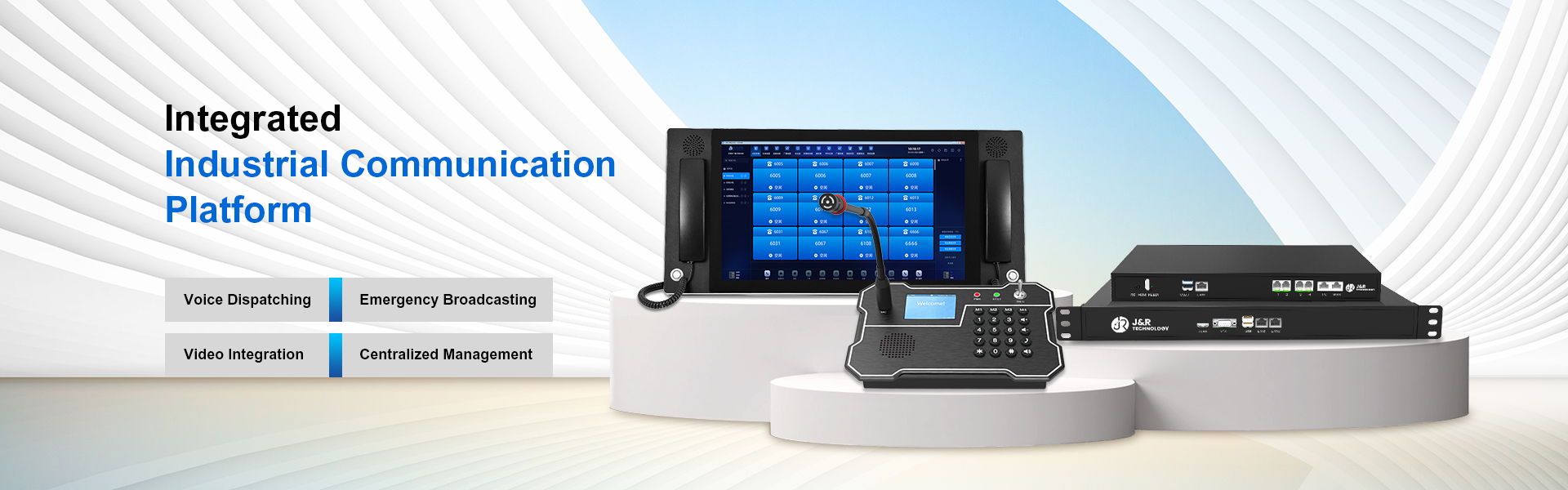
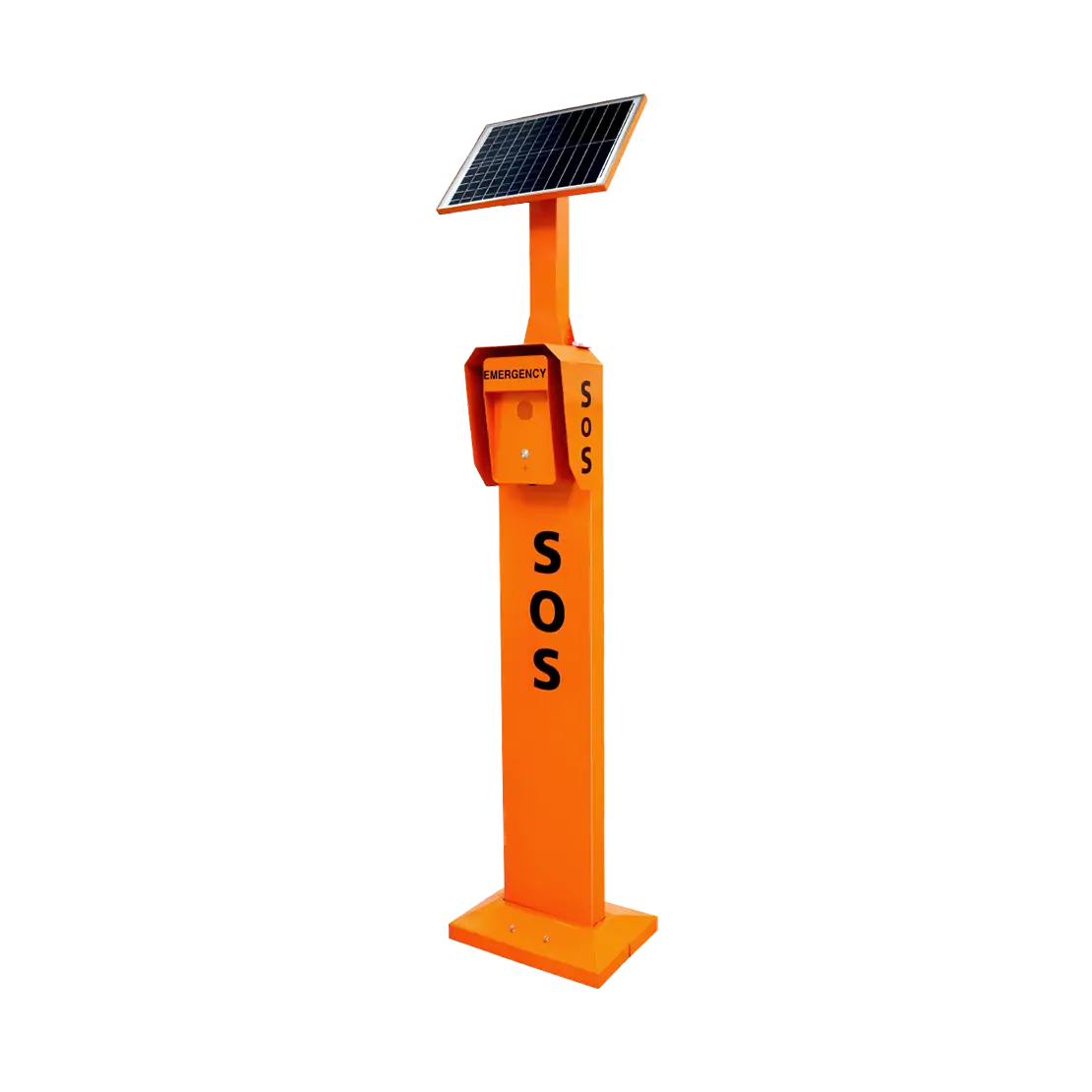
An integrated telephone system is transforming how safe cities manage emergencies. By combining IP-based telephony, PA systems, CCTV, and intelligent warning devices, safe city phones enable faster coordination between dispatch centers, responders, and citizens. With technologies like NG911, VoIP, and RoIP, emergency communication becomes seamless, scalable, and data-rich—supporting voice, text, and video for better situational awareness. These systems also connect with automated alerts, panic buttons, and command platforms to ensure that no call for help goes unheard. As public safety evolves, integrated systems provide the backbone for smart, resilient urban infrastructure—helping authorities act faster, communicate clearer, and protect more lives.
What Is a Safe City and Why Is Communication Infrastructure Crucial?
A "Safe City" is an urban ecosystem equipped with technologies that protect citizens through prevention, rapid response, and continuous monitoring. From surveillance cameras to emergency call points, every device contributes to situational awareness and public confidence.
At the heart of this ecosystem lies communication infrastructure. Reliable, real-time information exchange between citizens, police, and rescue services is essential. Traditional analog systems often fall short—limited by one-way communication or isolated devices.
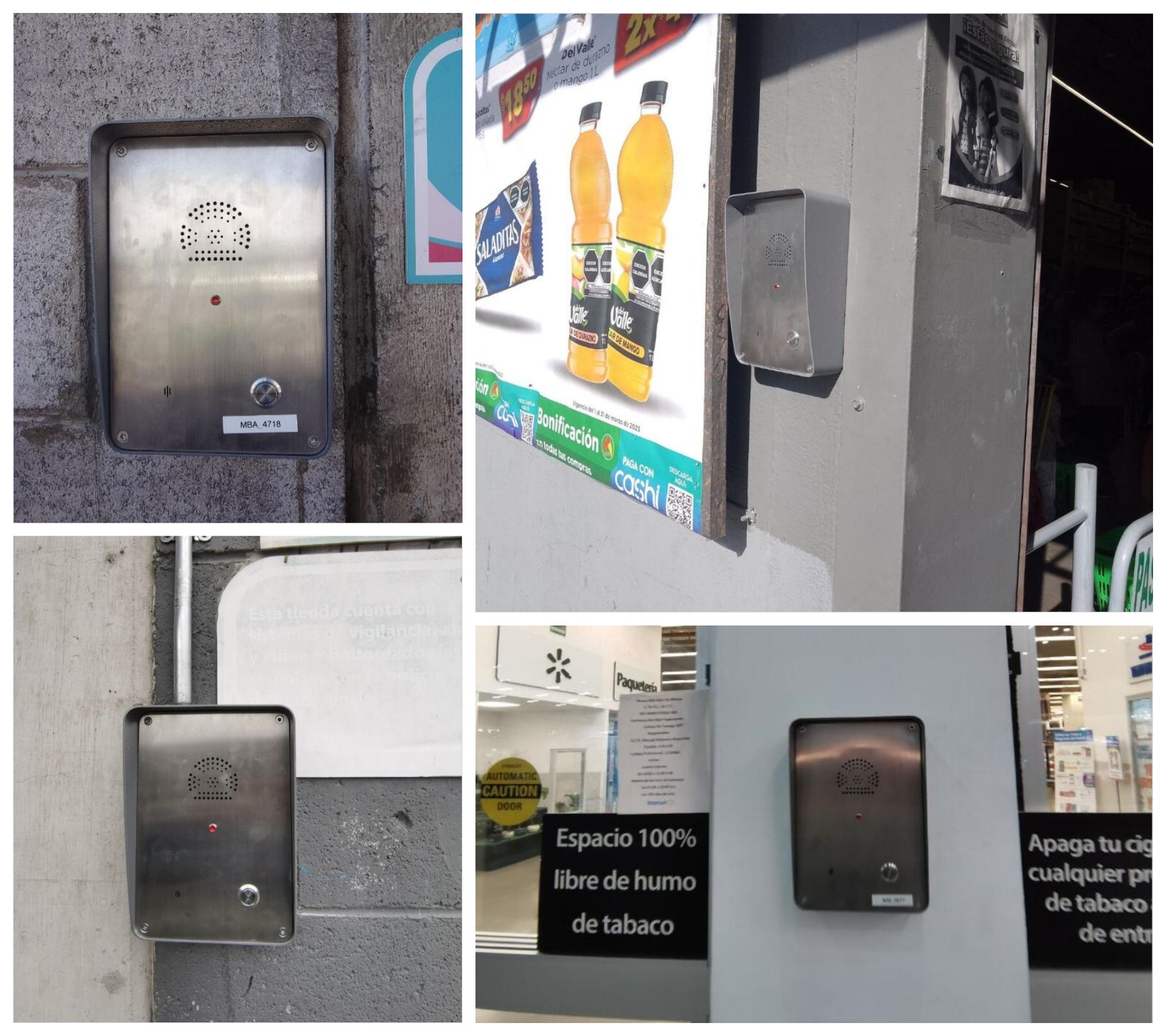
Today's safe city phones are IP-based, multi-functional units that can transmit voice, text, and even live video. When integrated with control centers, these systems help authorities evaluate incidents in seconds and deploy the right teams faster.
What Does an Integrated Telephone System Include?
An integrated telephone system brings together multiple communication tools under one network architecture. It typically includes:
-
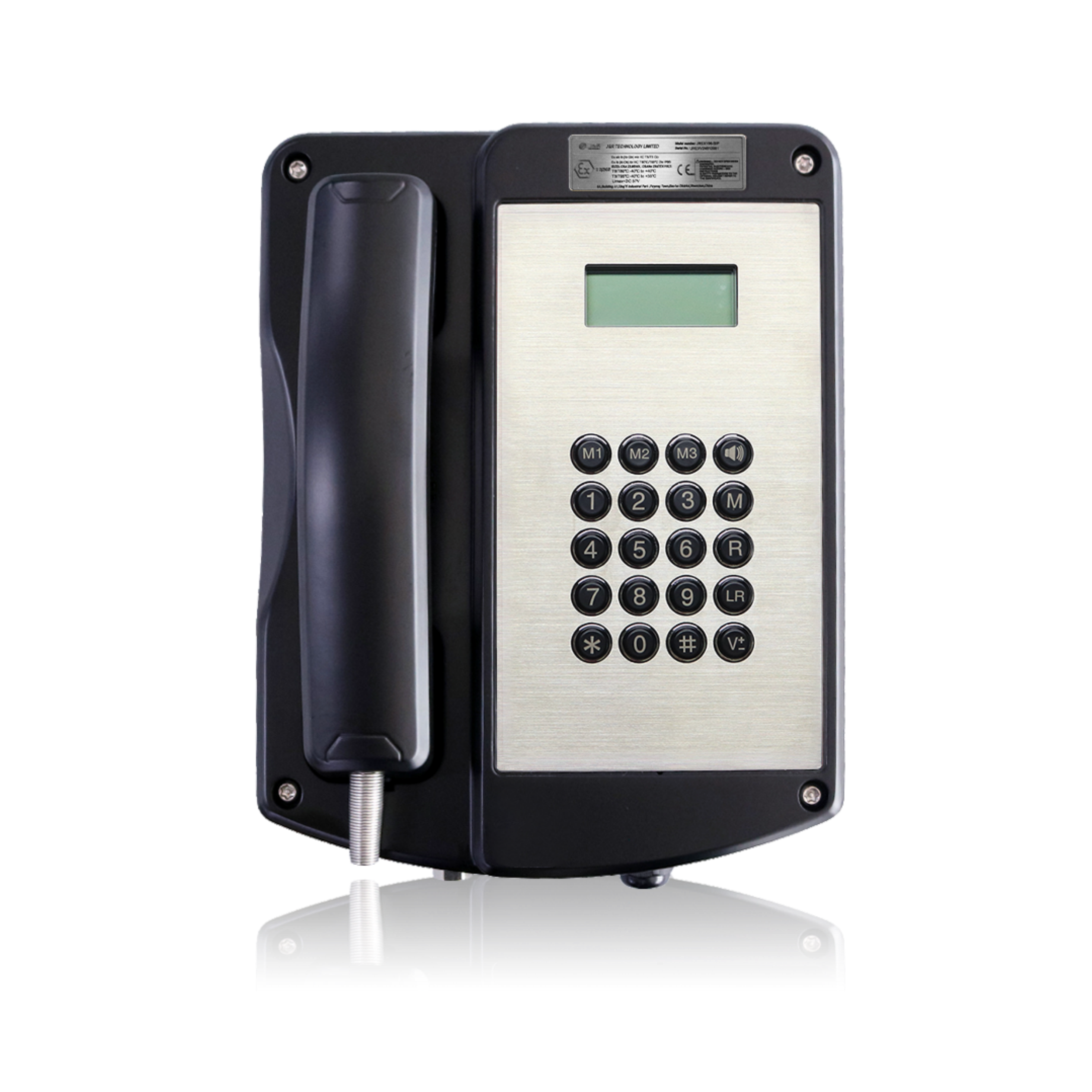
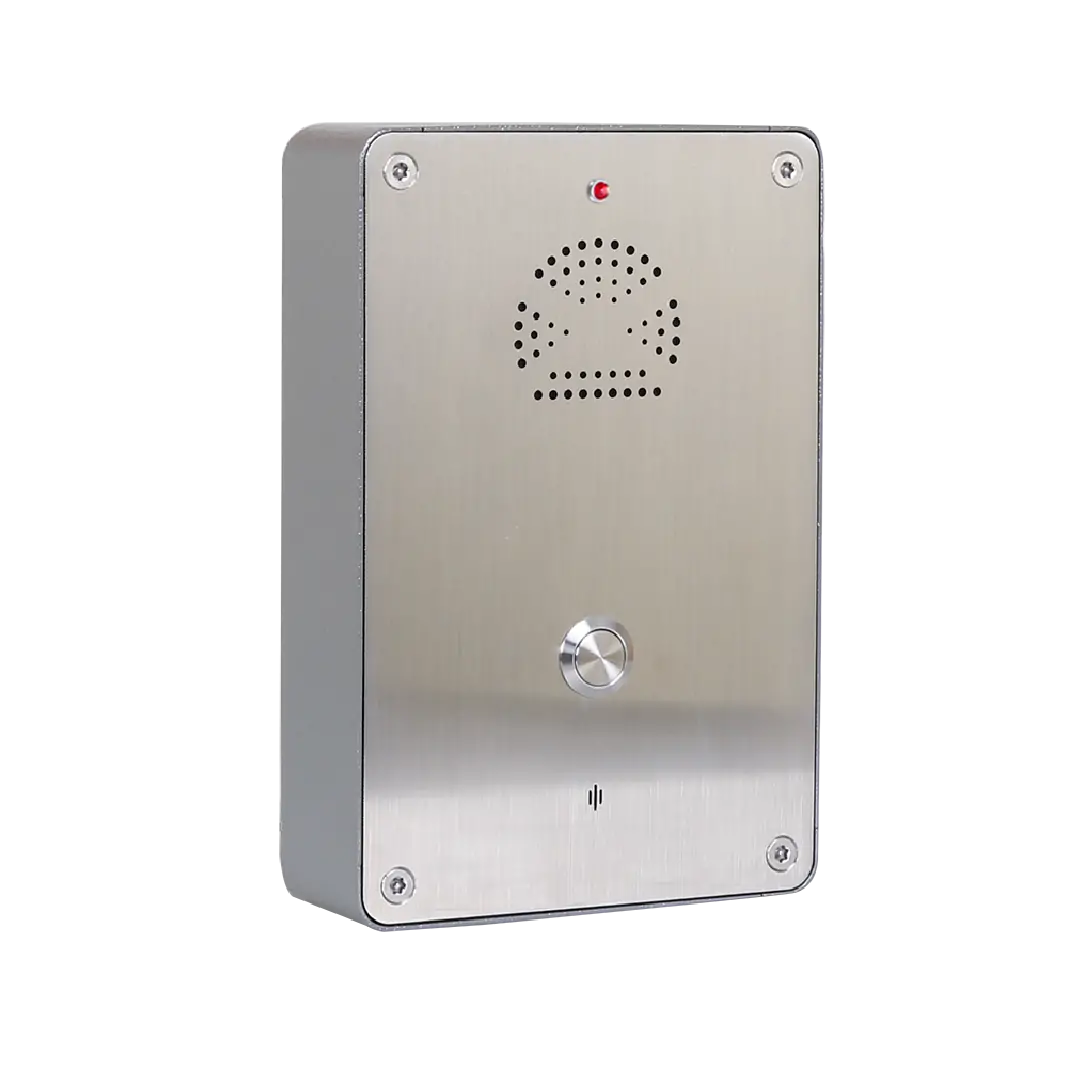
Emergency call boxes and IP phones: Deployed in public areas, tunnels, and transportation hubs, allowing citizens to report incidents instantly.
-
Command center management platforms: Centralized software that records, routes, and analyzes every call or alert.
-
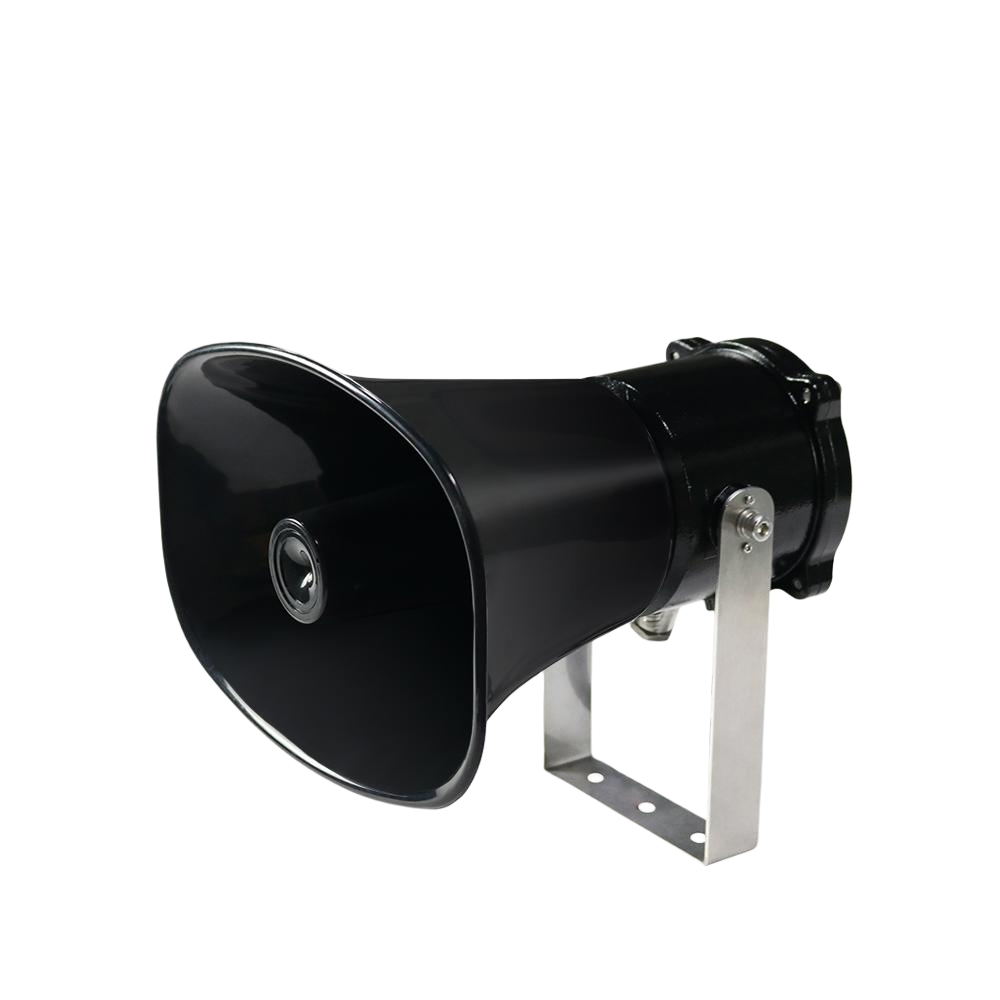
Intercom, PA, and RoIP connectivity: Unified communication between fixed and mobile devices, enabling two-way coordination.
-
Panic buttons and visual warning units: For on-site activation of alerts with audio and light indicators.
-
Redundant network backbone: Supporting VoIP and NG911 for stable data transmission.
Unlike isolated emergency phones, integrated systems create a single, unified channel across departments—police, fire, medical, and transport—improving collaboration and reducing confusion during critical moments.
How Do Secure Communication Systems Respond to Urban Emergencies?
When an emergency occurs, seconds matter. An integrated system can automatically detect, transmit, and route calls to the correct response unit, while sharing precise location data.
For instance, if someone uses a safe city phone in a parking lot, the system can:
-
Identify the caller's GPS or building-level location.
-
Instantly alert the nearest control room.
-
Activate nearby PA speakers to guide people to safety.
-
Send visual cues to security staff through flashing beacons or wall displays.
Technologies like Next Generation 911 (NG911) and Voice over Internet Protocol (VoIP) enhance accuracy and flexibility, allowing responders to receive not just voice but also photos and live video feeds. This multi-channel data helps first responders better assess the situation before arriving on site.
How Can These Systems Be Combined with CCTV, PA, and Warning Lights?
A fully developed safe city communication network does not work in isolation. It integrates with CCTV monitoring, public address (PA), and visual warning systems to create a synchronized emergency response framework.
For example:
-
A distress call from a safe city phone can automatically trigger nearby CCTV cameras to focus on the caller's area.
-
Simultaneously, PA speakers broadcast evacuation messages or emergency instructions.
-
Warning lights and digital signage can flash to guide citizens or signal danger.
This cross-system integration allows operators to manage multiple devices from one platform, eliminating response delays. To understand how voice systems differ in functionality, see our guide on [intercom or pa?].
Such combinations are especially vital for public infrastructure—railway stations, tunnels, industrial zones, and urban squares—where communication between humans and machines must be instant and failproof.
What Standards and Network Protocols Ensure System Stability?
To ensure stability, interoperability, and security, integrated telephone systems comply with international standards and network protocols:
-
SIP (Session Initiation Protocol): For establishing and managing VoIP calls between devices.
-
RTP (Real-time Transport Protocol): Ensures smooth transmission of voice, video, and data packets.
-
NG911 and RoIP compatibility: Enables seamless connectivity between traditional radios and IP-based systems.
-
EN, CE, and FCC certifications: Guarantee device safety, EMC performance, and reliability in harsh environments.
-
Redundant network and PoE support: Maintain uptime even during power or network interruptions.
These standards make the system both resilient and scalable, ideal for expanding safe city frameworks as population and infrastructure grow.
Conclusion: Building Safer, Smarter Cities Through Integrated Communication
As cities evolve into digital ecosystems, integrated telephone systems play a vital role in safeguarding citizens and maintaining order. By connecting emergency call points, PA systems, CCTV, and control centers into one coherent platform, safe city phones enable faster decisions, clearer communication, and smarter coordination.
Modern communication is not just about voice—it's about real-time intelligence and interoperability. Cities that invest in robust, standards-based infrastructure are better equipped to prevent chaos, protect citizens, and ensure sustainable safety for the future.
To explore broader strategies for enhancing [safe city public security], visit our related insights.


 Prisons & Correctional Facilities
 Transportation & Underground Infrastructure
 Critical Industrial & Energy Facilities
 Marine & Offshore
 Manufacturing Plant & Public Facilities