Maintaining communication deep underground is one of the greatest challenges in modern mining. With thick rock layers blocking conventional signals, engineers rely on hybrid networks that combine leaky feeder systems, Through-the-Earth (TTE) radio, and wireless mesh technology to sustain vital communication links. These solutions allow miners to exchange data, location, and voice in real time, even hundreds of meters below the surface. Reliable underground mining connectivity enhances not only productivity but also safety—helping teams coordinate rescues, monitor ventilation, and track equipment. As wireless technologies like 5G and fiber expand into industrial environments, integrated communication backbones are redefining how underground operations stay connected. This article explores the engineering principles and design strategies that keep the lifeline of communication alive, ensuring that no signal—and no worker—is ever lost in the dark.
Challenges Below Earth
Few environments test communication systems as harshly as an underground mine. Layers of rock and minerals absorb or scatter radio signals, while high humidity, metal machinery, and narrow tunnels cause reflection and interference. Traditional wireless solutions designed for open environments simply cannot perform here.
Beyond the physical barriers, mining operations demand continuous, real-time connectivity for voice, data, and monitoring systems. Equipment tracking, ventilation monitoring, and emergency alerts depend on stable signals that reach from the surface to the deepest drifts.
Even a brief communication failure can lead to costly downtime or safety hazards. Maintaining underground mining connectivity requires networks that are rugged, redundant, and capable of self-repair—especially in emergencies such as rockfalls or power interruptions.
Tech Essentials
To bridge these underground barriers, mining engineers deploy multiple complementary technologies:
-
Through-the-Earth (TTE) Systems:
TTE technology transmits low-frequency radio waves directly through rock, soil, and water. These signals travel further than conventional ones and are used primarily for emergency communication. However, TTE systems have limited data capacity and are costly to install, making them best suited for backup channels rather than everyday use.
-
Leaky Feeder Systems:
The most common solution, these coaxial cables act as "leaky" antennas that distribute radio signals along mine tunnels. Workers use portable radios or smartphones that connect to access points along the feeder. This ensures stable communication for long distances, though the system can be vulnerable to physical damage.
-
Wireless Mesh Networks:
A flexible and scalable solution, mesh networks consist of multiple interconnected nodes placed throughout tunnels. If one node fails, others automatically reroute data—creating a self-healing network that adapts to environmental changes.
Each system has strengths and weaknesses, but when integrated together, they form a resilient foundation for modern mining operations.
System Design
Designing a reliable underground communication network is both an engineering and logistical challenge. It requires balancing redundancy, scalability, and safety.
A well-designed system includes:
-
Layered Architecture: Combining wired and wireless segments ensures backup paths in case of cable failure or power loss.
-
Real-time Monitoring: Control centers on the surface track network health and device connectivity, allowing instant response to faults.
-
Power Management: Battery-backed repeaters and PoE (Power over Ethernet) devices keep systems alive during blackouts.
-
Environmental Protection: Devices are housed in IP-rated enclosures to resist dust, water, and vibration.
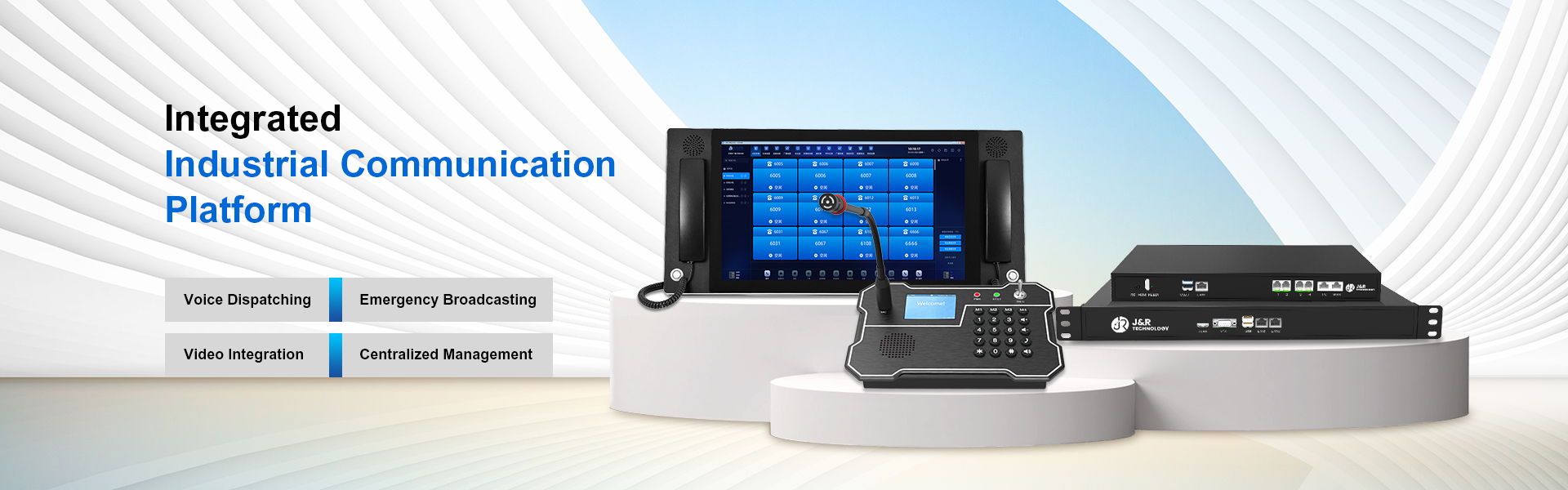
Connectivity is also tied to the mine's digital backbone. As more operations adopt IoT and automation, communication networks must handle large volumes of sensor data. An integrated smart industrial backbone links voice, video, and telemetry systems into a single data stream—making decision-making faster and safer.
Wireless Networks in Mines
Wireless technologies are increasingly critical for deep mining. Recent advances in industrial 5G and private LTE networks are enabling faster, lower-latency communication underground.
While 5G's high frequencies don't penetrate rock, they can be deployed in localized zones using distributed antennas and repeaters. When paired with leaky feeder or fiber backhaul, they support bandwidth-intensive applications like video surveillance, drone inspections, and autonomous vehicle control.
Wireless mesh systems also excel in dynamic environments. As tunnels expand or machinery moves, mesh nodes can be repositioned to maintain signal strength. Their ability to self-heal and reroute signals makes them ideal for large, evolving mines.
For long-term modernization, mining companies are exploring hybrid models that integrate 5G hotspots with traditional wired infrastructure—combining the mobility of wireless with the stability of fiber. Learn more about how industrial-grade 5G improves operational efficiency in our article on [industrial 5g benefits].
Longevity Strategies
Keeping an underground network reliable is not just about installation—it's about sustainability and maintenance.
-
Regular Inspections: Cable integrity and antenna alignment must be checked frequently due to vibration and corrosion.
-
Redundant Routes: Alternative communication paths ensure no single failure disrupts connectivity.
-
Software Updates: Modern IP-based systems require cybersecurity measures and firmware updates to protect against interference or hacking.
-
Training and Simulation: Workers should know how to use emergency systems, switch channels, and activate backup links when needed.
Forward-thinking companies also invest in predictive analytics that monitor system health in real time, flagging weak signals or deteriorating components before they fail.
The future of underground mining connectivity lies in adaptability—building systems that evolve as mines deepen and technologies advance.
Conclusion: Staying Connected Beneath the Surface
Deep underground, communication is more than convenience—it's survival. As operations become more automated and data-driven, integrated systems combining wired, wireless, and low-frequency technologies ensure safety and efficiency remain uncompromised.
From leaky feeders to TTE radios, each innovation contributes to a connected ecosystem that keeps miners linked to the surface and each other. With emerging technologies like private 5G and smart backbones, tomorrow's mines will not only extract resources but also harness intelligent connectivity as their most valuable asset.
For insights into building resilient digital networks that support industrial automation, explore our guide to the [smart industrial backbone].


 Prisons & Correctional Facilities
 Transportation & Underground Infrastructure
 Critical Industrial & Energy Facilities
 Marine & Offshore
 Manufacturing Plant & Public Facilities