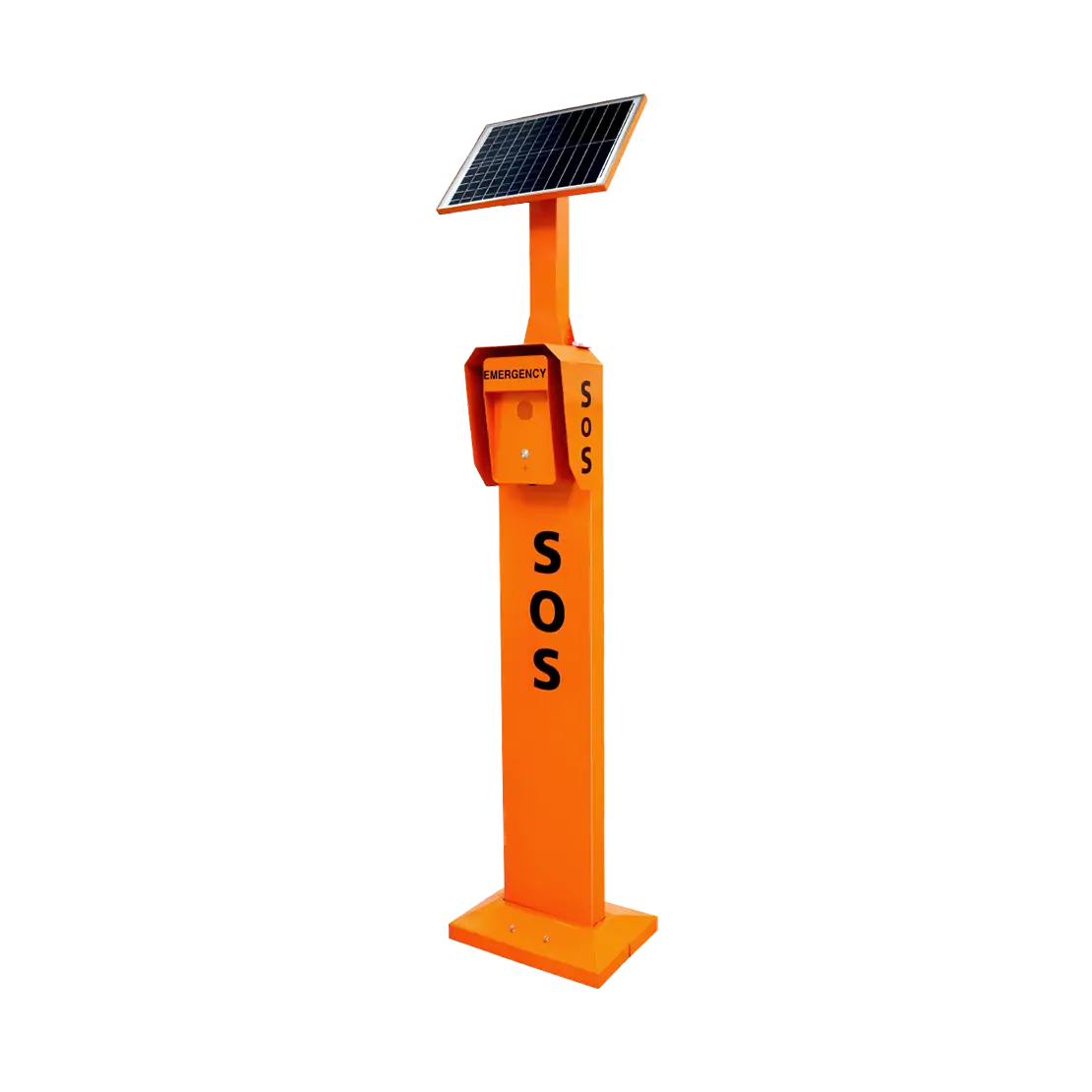
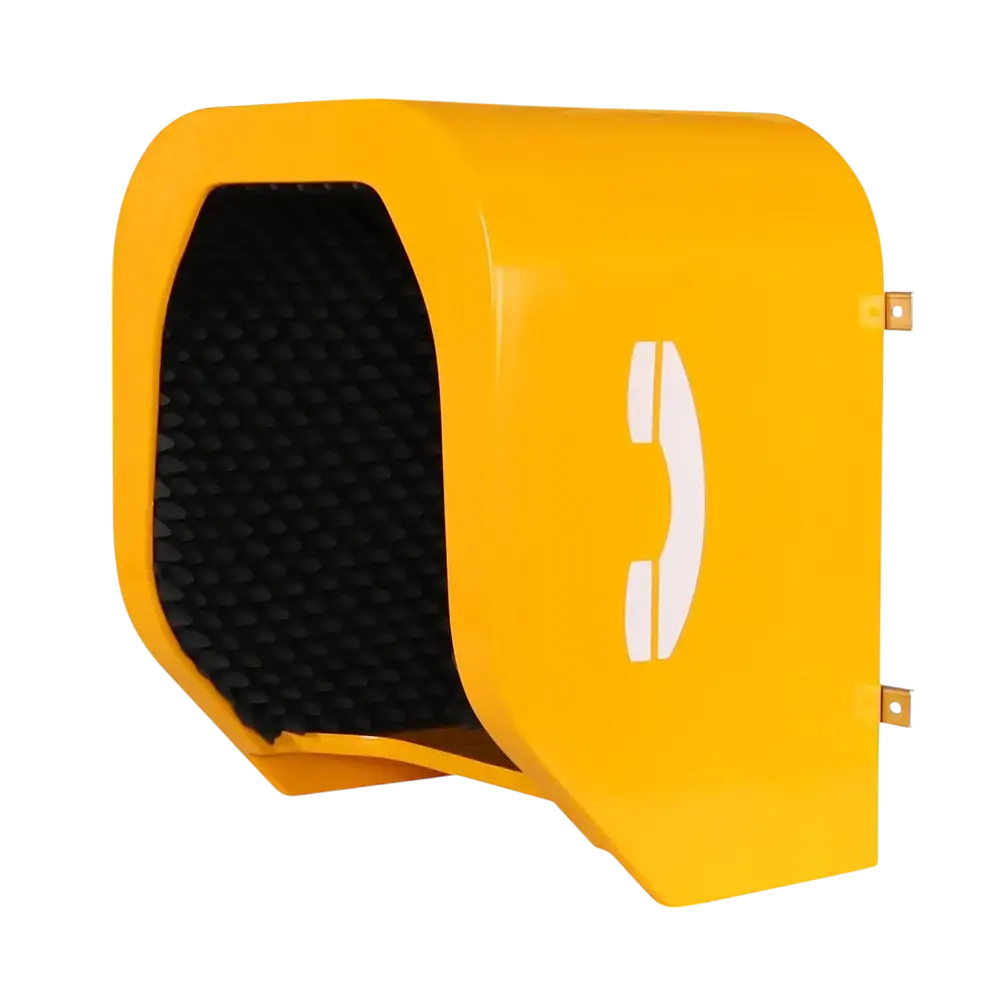
Understanding what are IK ratings is vital for industrial engineers who design or specify rugged equipment. IK ratings define the level of protection a device offers against mechanical impacts, helping ensure long-term reliability, safety, and durability in harsh environments. For engineers working with outdoor, industrial, or public-facing devices—such as telephones, cameras, or control panels—knowing an enclosure's IK value means avoiding costly repairs and equipment downtime. This standard allows for smarter product selection and better lifecycle management, reducing risks from vandalism, falling debris, or rough handling. Whether designing a rugged telecom brand device or developing instant alert tech for critical environments, IK ratings help guarantee performance when physical resilience matters most.
IK Rating Overview
If you've ever asked yourself what are IK ratings and why they matter, you’re not alone. IK ratings, defined under the IEC 62262 standard, measure a device's resistance to mechanical impact. This rating system uses a numeric scale from IK00 (no protection) to IK10 (high protection) to indicate how much physical force an enclosure can endure before sustaining damage.
Industrial engineers rely on this standard to assess how well electrical enclosures, telephones, and signaling devices can withstand external impacts—whether from tools, machinery, or accidental collisions. By referring to IK ratings, engineers can ensure that equipment will remain safe and functional in environments where physical durability is non-negotiable.
How It's Measured
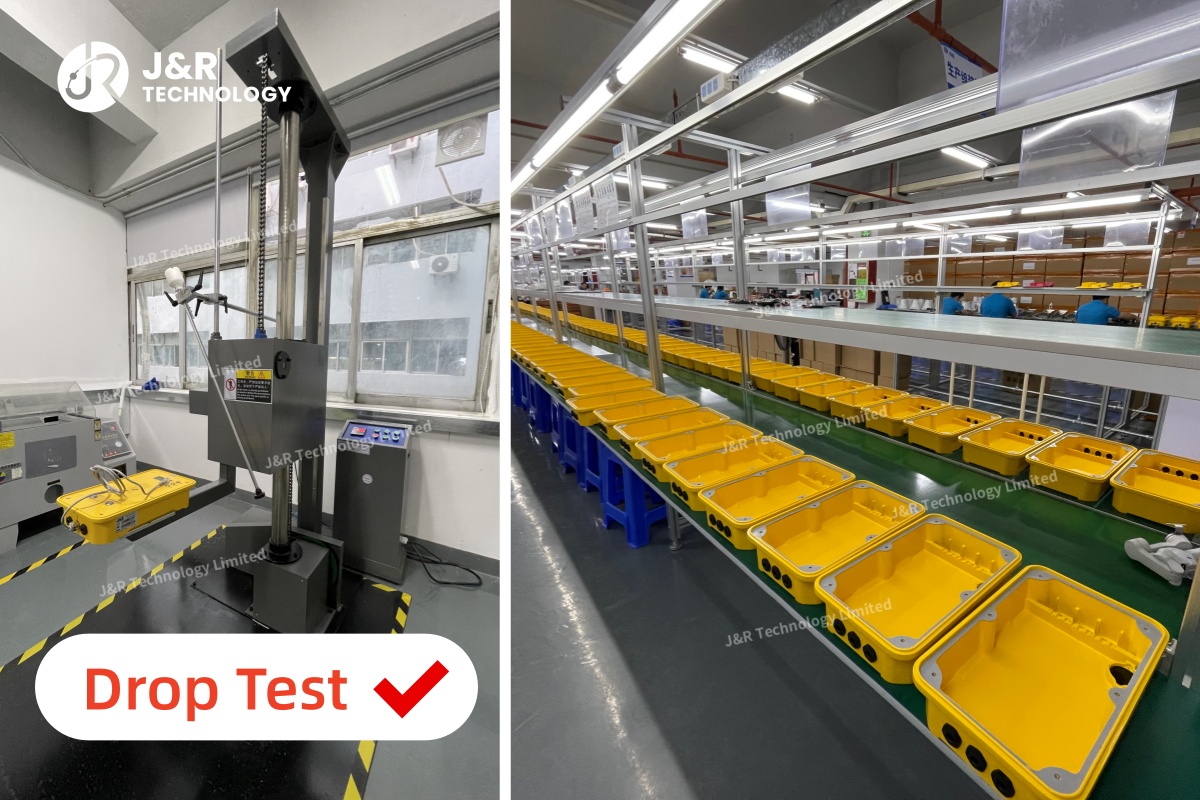
IK ratings are determined through controlled testing that simulates real-world mechanical impacts. During testing, a calibrated object—often a spring-loaded impact hammer or free-falling mass—strikes the enclosure at various points.
The energy of each impact is measured in joules (J), corresponding to different IK levels:
After each strike, the equipment is inspected to confirm it remains fully functional and that no dangerous deformations or openings occur. This systematic testing provides engineers with a quantifiable assurance of impact resistance.
Practical Importance
Why should industrial engineers care about IK ratings? The answer lies in reliability, safety, and long-term cost efficiency.
-
Safety and Reliability:
In public or industrial spaces, a single damaged enclosure could expose electrical components, creating shock hazards or communication failures. Ensuring devices meet a high IK rating prevents such risks.
-
Reduced Maintenance Costs:
Devices installed in warehouses, tunnels, or transport systems are often exposed to heavy equipment and accidental collisions. By selecting products with appropriate IK protection, engineers reduce replacement frequency and operational downtime.
-
Vandalism Resistance:
Outdoor communication systems—like emergency phones or alarm boxes—are frequent targets of vandalism. High IK ratings ensure these products can resist intentional impacts, maintaining functionality even under rough treatment.
-
Informed Equipment Selection:
IK ratings provide a standardized benchmark. Engineers can compare different models objectively and select the best match between durability, environment, and budget.
Ultimately, knowing what are IK ratings is not just a technical detail—it's a cost-saving strategy and a reliability guarantee for mission-critical systems.
IP vs IK Ratings
While IK ratings measure impact resistance, IP ratings (Ingress Protection) indicate a product's defense against dust and water intrusion. Both standards are essential in specifying rugged devices, but they serve different purposes.
For example, an outdoor emergency phone might have an IP66 rating for water and dust protection, paired with an IK10 rating for mechanical impact resistance. The combination ensures that the device remains operational in both extreme weather and physical shock conditions.
Industrial engineers should evaluate IP and IK ratings together, especially when designing for high-risk environments like tunnels, offshore platforms, or transportation hubs. A product with excellent waterproofing but poor impact resistance might still fail prematurely under heavy use or vandalism.
Application in Design
Integrating IK ratings into design and product selection processes enhances both engineering precision and system reliability. For instance, in rugged telecom brand devices—such as industrial telephones, intercoms, and PA systems—understanding IK standards ensures that equipment maintains operation even after accidental collisions or vandal attacks.
In the field of instant alert tech, which includes alarm systems and emergency signaling equipment, IK ratings directly influence how well the device withstands physical abuse during emergencies. Engineers who consider these ratings early in design can optimize material selection, reduce structural failures, and improve user safety.
When combined with high-quality materials such as stainless steel, industrial ABS, or aluminum alloys, IK-rated enclosures provide the perfect balance of strength and usability. Modern ruggedized systems are designed not only for performance but also for endurance—ensuring continuous operation in extreme industrial and outdoor conditions.
Conclusion
IK ratings are far more than just numbers—they are a crucial design and specification tool for ensuring the durability, safety, and reliability of industrial equipment.
By understanding what are IK ratings, engineers can:
-
Prevent failures caused by physical impacts
-
Enhance product safety and user protection
-
Lower maintenance and replacement costs
-
Choose the right enclosure for harsh conditions
Whether developing an industrial rugged telecom brand product or integrating instant alert tech into safety-critical systems, IK ratings provide measurable confidence that your equipment will withstand the test of time—and impact.


 Prisons & Correctional Facilities
 Transportation & Underground Infrastructure
 Critical Industrial & Energy Facilities
 Marine & Offshore
 Manufacturing Plant & Public Facilities