Understanding the role of explosion-proof and waterproof telephones is essential for anyone involved in mining communication solutions or power generation safety. Power plants operate in high-risk environments where the presence of flammable gases, vapors, or conductive dust can easily turn a simple spark into a disaster. Explosion-proof telephones are engineered to contain ignition sources, ensuring safe operation in volatile areas. Meanwhile, waterproof telephones withstand humidity, rain, and steam to maintain uninterrupted connectivity. These rugged communication systems are vital for operational control, safety alerts, and emergency coordination in plants, refineries, and offshore platforms. Whether integrated into explosion proof communication systems or paired with wifi for oil rigs, they provide a secure, reliable lifeline that supports industrial resilience across the energy sector.
What Are the Communication Risks in Power Generation Facilities?
Power generation facilities—whether thermal, nuclear, or renewable—operate in complex, high-stakes environments. These sites often contain combustible materials, high voltages, and heavy machinery. A single miscommunication during maintenance or emergency response could result in downtime, equipment damage, or worse—loss of life.
Common risks include:
-
Flammable gases and vapors: Fuel-handling areas may contain methane, hydrogen, or other volatile substances that can ignite with minimal energy.
-
Moisture and condensation: Cooling towers, steam systems, and outdoor substations expose equipment to constant humidity.
-
Electrical noise and vibration: These can interfere with normal voice transmission, making standard phones unreliable.
-
Dust and debris: In coal or biomass plants, dust buildup creates additional explosion hazards.
In such hazardous settings, maintaining a reliable and intrinsically safe communication system is not optional—it’s a regulatory and operational necessity.
How Do Explosion-Proof and Waterproof Phones Ensure Safety in Harsh Environments?
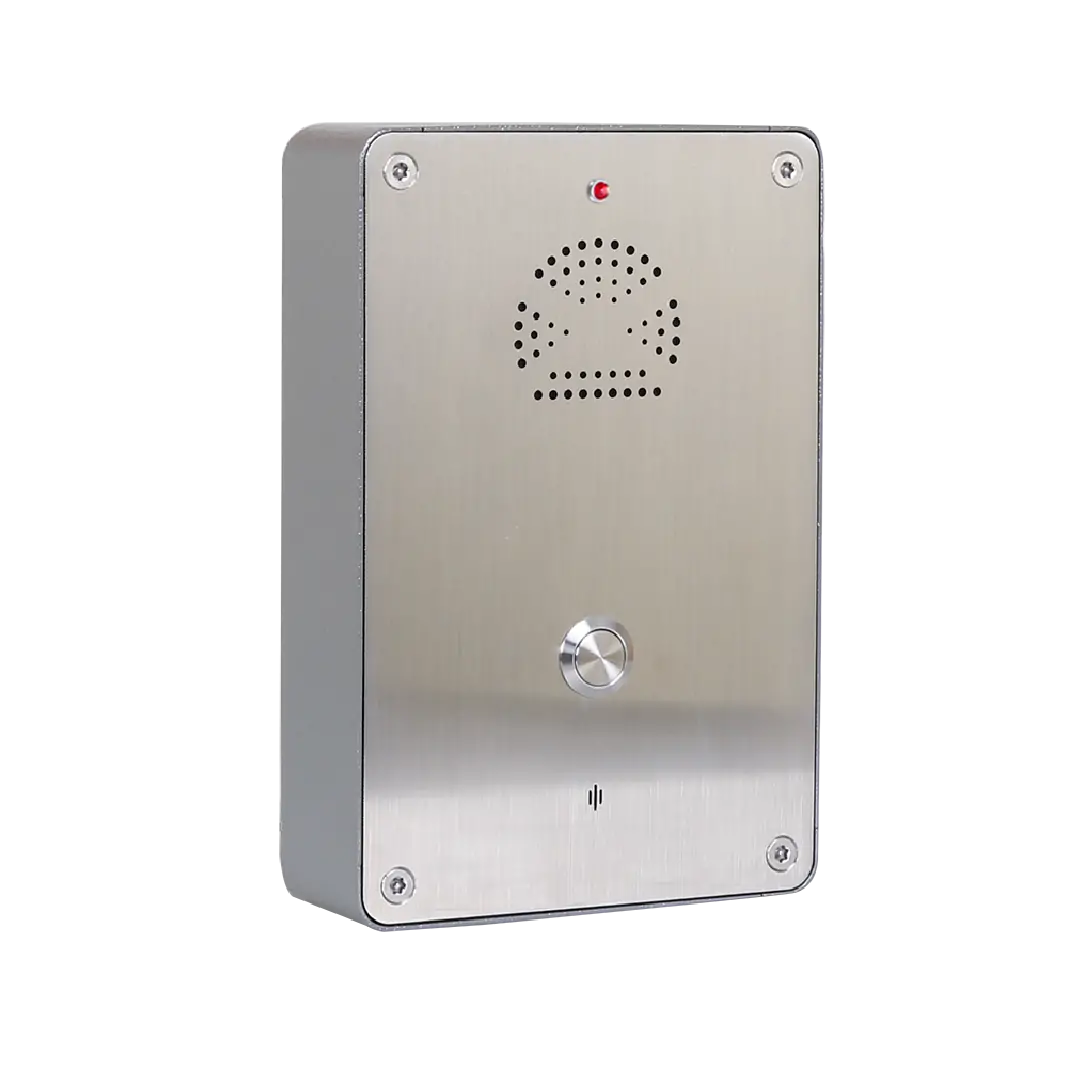
Explosion-proof and waterproof telephones are designed with one purpose: to guarantee secure communication under extreme conditions.
Explosion-Proof Protection
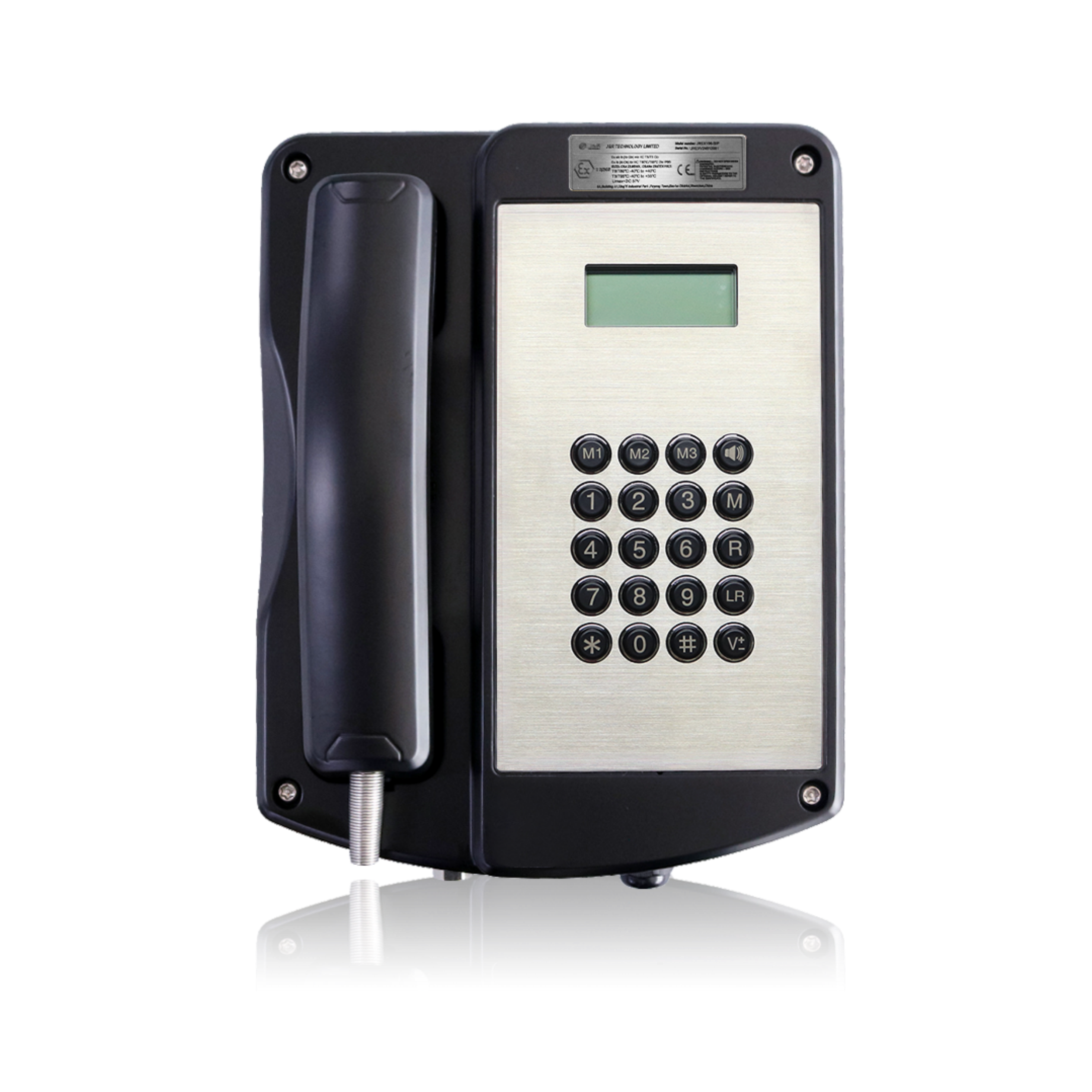
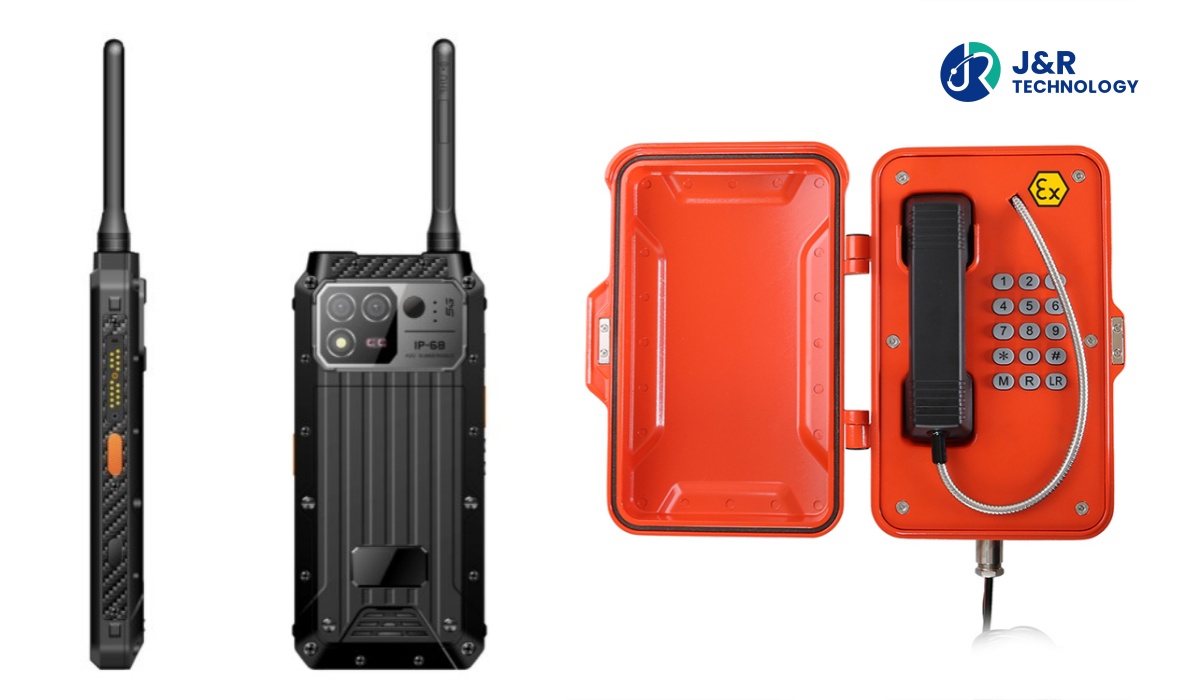
Explosion-proof phones are built to contain any internal sparks or heat that could ignite external gases or dust. Their enclosures are typically made of stainless steel or aluminum alloy and comply with standards such as ATEX or IECEx certification. These certifications confirm that the phones can be safely used in Zone 1 and Zone 2 hazardous areas.
The design includes features like:
-
Flame-proof housings with sealed joints
-
Intrinsically safe circuits limiting electrical energy
-
Anti-corrosion and anti-static coatings
Waterproof Durability
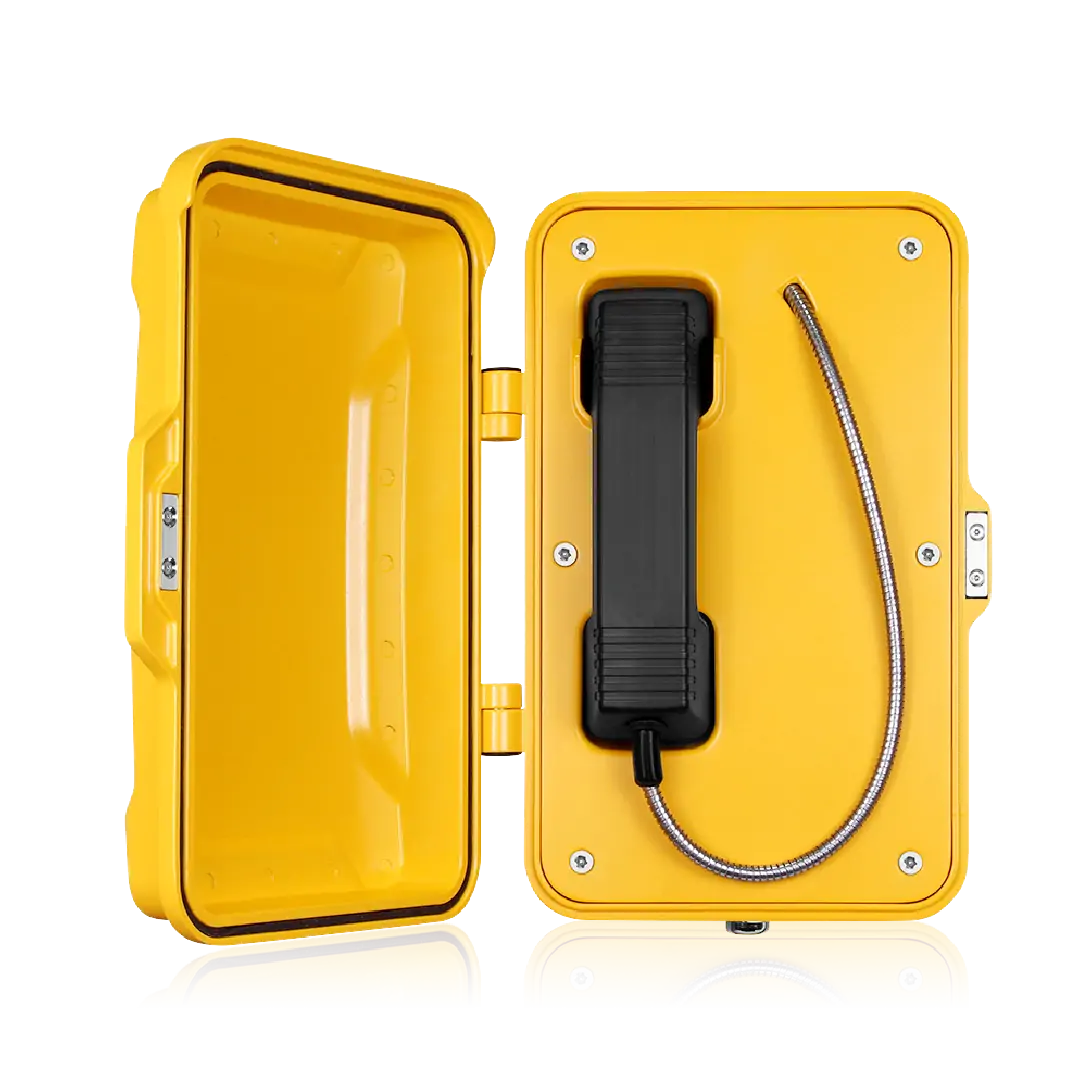
In addition to explosion resistance, power plants face challenges like humidity, steam, and frequent water spray. Waterproof telephones, usually rated IP66 or higher, provide full protection against moisture and dust ingress. These phones continue to function even after exposure to rain, steam, or accidental splashes—making them ideal for both indoor and outdoor use.
Together, these two protection systems ensure continuous operation in places where standard office telephones would fail within hours.
Where Are These Secure Communication Systems Deployed Within Plants?
Explosion-proof and waterproof telephones are strategically installed in areas most susceptible to hazards. Common deployment zones include:
-
Turbine halls and boiler rooms: Where heat and vibration demand robust communication devices.
-
Fuel storage and handling zones: Where explosive gases or dust may be present.
-
Cooling systems and outdoor substations: Where waterproofing is essential due to exposure to moisture and temperature variation.
-
Emergency exits and evacuation points: Ensuring communication lines remain active during critical incidents.
In addition to power plants, similar communication setups are vital in mining communication solutions, oil refineries, offshore drilling platforms, and chemical processing facilities. Each of these environments requires resilient equipment capable of withstanding both environmental and mechanical stress.
How Do These Phones Integrate with Alarms, PA Systems, and Control Rooms?
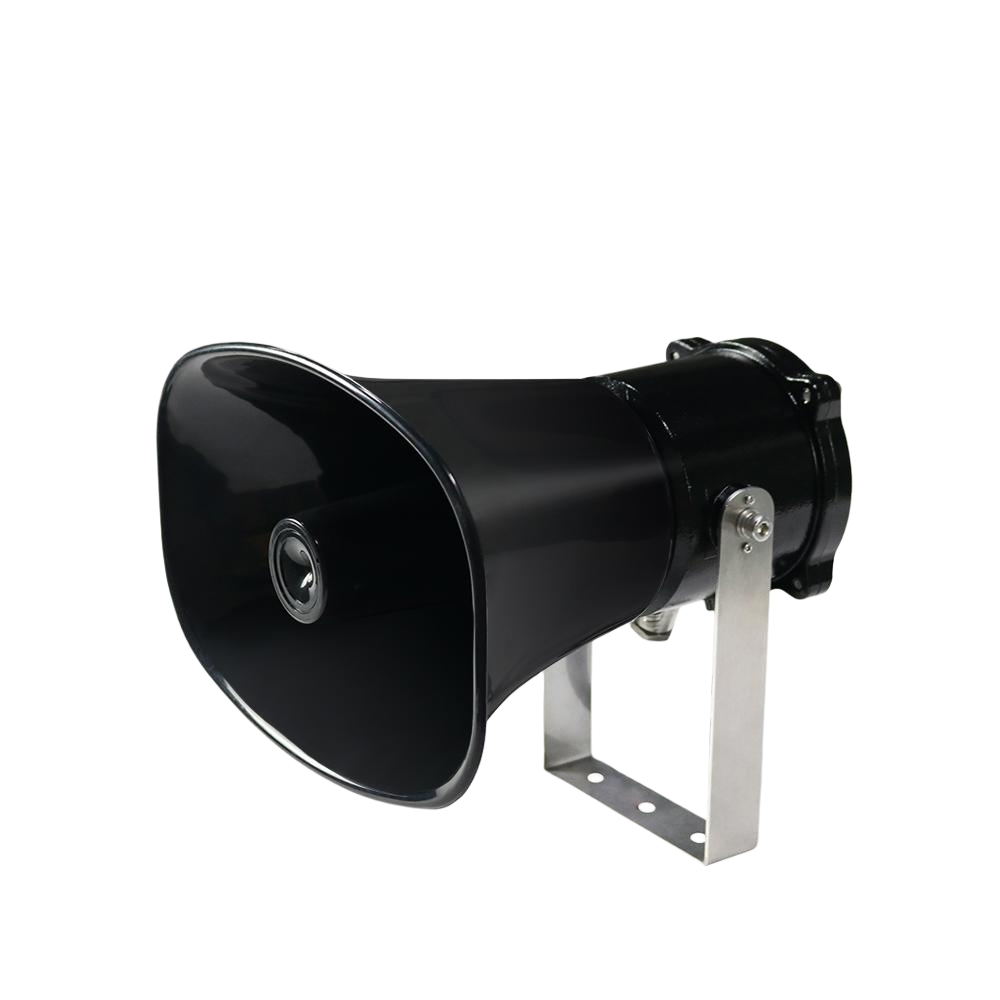
The modern explosion-proof telephone is not a standalone device—it's part of an integrated industrial communication network. These phones are typically connected to PA/GA (Public Address and General Alarm) systems, enabling instant alerts during emergencies.
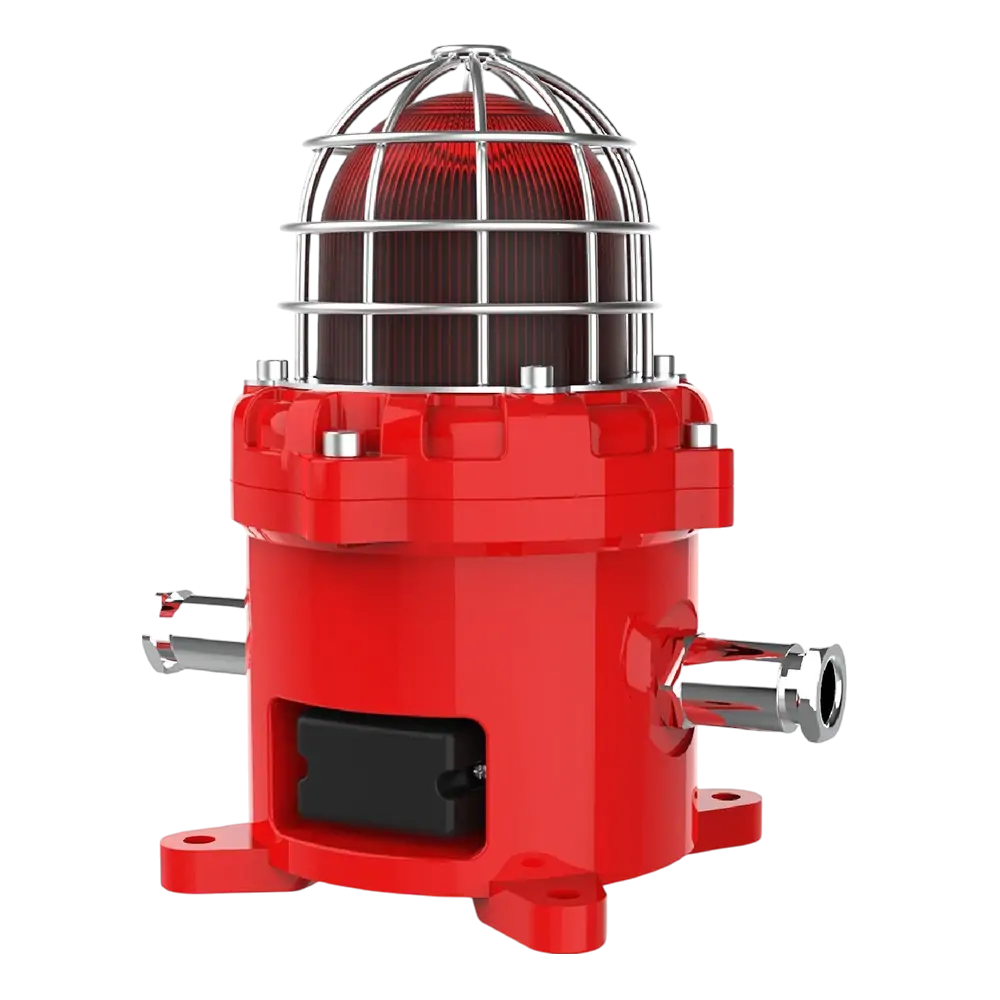
When an operator activates a distress call or alarm through these phones, the signal can automatically trigger audio and visual notifications across multiple plant zones. Integration with control rooms allows supervisors to monitor, communicate, and coordinate responses in real time.
Some advanced models also support SIP or VoIP protocols, making them compatible with digital control systems and network-based architectures. In facilities that utilize wifi for oil rigs or remote monitoring, these phones serve as critical endpoints for field personnel, ensuring they remain connected even in the most demanding situations.
What Industry Standards Apply to Energy Sector Communication Equipment?
For power plants and other high-risk facilities, compliance with international standards ensures both safety and reliability. The most commonly applied certifications and standards include:
-
ATEX (Atmosphères Explosibles): Required in Europe for electrical devices used in explosive atmospheres.
-
IECEx (International Electrotechnical Commission System for Certification): A globally recognized certification for equipment safety in hazardous areas.
-
IP Ratings (Ingress Protection): Defines levels of protection against solids and liquids—IP66 or IP67 are typical for waterproof industrial phones.
-
RoHS and CE Compliance: Guarantee environmental and manufacturing safety standards.
Selecting communication equipment that meets these certifications not only ensures compliance with safety laws but also extends the operational life of the devices, minimizing total cost of ownership.
Conclusion
Explosion-proof and waterproof telephones play a critical role in maintaining operational safety and efficiency within power generation and heavy industrial environments. By combining intrinsically safe electrical design, rugged waterproof protection, and integration with alarms and PA systems, these devices provide the dependable communication backbone that hazardous facilities depend on.
For engineers and safety managers developing mining communication solutions or energy infrastructure systems, these phones represent more than just hardware—they're a guarantee of uninterrupted operation, even under the harshest environmental conditions.
Whether you're designing an explosion proof communication network or upgrading to wifi for oil rigs, integrating certified explosion-proof and waterproof telephones ensures your team remains connected, informed, and safe—no matter the challenge.


 Prisons & Correctional Facilities
 Transportation & Underground Infrastructure
 Critical Industrial & Energy Facilities
 Marine & Offshore
 Manufacturing Plant & Public Facilities