Choosing between weatherproof and waterproof protection is crucial when selecting industrial communication equipment for harsh or unpredictable environments. Understanding the difference between weatherproof vs waterproof ratings helps you determine the most suitable level of protection for devices exposed to rain, dust, humidity, salt spray, or even full water immersion. Weatherproof products can withstand sunlight, wind, and light moisture, making them ideal for general outdoor usage. In contrast, waterproof devices are engineered to resist heavy rain, high-pressure water jets, and complete submersion, offering stronger defense against extreme conditions. This guide explores rating definitions, material differences, common certification labels, and the risk factors that impact equipment reliability in outdoor or industrial operations. Whether you manage remote oil rigs, mining sites, tunnels, or smart transportation projects, understanding these environmental protection levels ensures your communication devices operate safely and consistently.

Rating Definitions
When comparing weatherproof vs waterproof equipment, the difference lies in the depth of protection. Weatherproof devices protect against wind, sunlight, dust, and light moisture but are not designed to withstand direct water spray or submersion. Waterproof devices, on the other hand, offer a much higher degree of environmental resistance. They can survive heavy rain, high-pressure water jets, or even complete immersion depending on their rating.
International rating systems such as IP (Ingress Protection) codes help users determine the exact level of protection. For example, IP65 devices resist low-pressure water jets, while IP68 enclosures are built for long-term submersion. These rating standards eliminate ambiguity and allow decision-makers in industrial, transportation, and energy sectors to select devices based on real operational risks.
Equipment Risk Factors
Several environmental factors influence which protection is appropriate for your communication system:
1. Water Exposure
If equipment will be exposed to heavy downpours, wave splash, tunnel washdowns, or temporary flooding, waterproof protection is required. Weatherproofing is rarely enough in such conditions.
2. Dust and Particulates
Mining sites, tunnels, and deserts often involve high airborne dust concentration. Dust-tight waterproof devices with IP6X ratings are necessary. (Related reading: phones that survive mines)
3. Temperature & UV Exposure
Continuous sunlight or temperature shifts can degrade weatherproof materials faster. Waterproof devices generally use more robust, UV-resistant housings.
4. Electrical Safety Requirements
Communication equipment with exposed wiring or sensitive electronics needs full waterproof protection to avoid short-circuits or corrosion.
5. Connectivity Requirements
In harsh industrial environments, devices often integrate wireless modules such as 4G or industrial 5G benefits, making stable housing protection essential for long-term reliability.
Material Comparison
Understanding how materials behave in extreme environments helps determine the best choice between weatherproof vs waterproof construction.
Weatherproof Materials
Waterproof Materials
-
Industrial ABS or PC-ABS blends
-
Stainless steel (304/316)
-
Aluminum alloy with gasket seals
-
Silicone rubber sealing rings
Waterproof designs typically include thickened housings, integrated gaskets, and precision sealing to prevent water intrusion even under high pressure or submersion.
While waterproof materials offer stronger resilience, they can be heavier. Weatherproof materials are lighter and easier to handle but not suitable for environments with direct water exposure.
Certification Labels
Certification labels help users quickly determine whether a device is weatherproof or waterproof. The most common labels include:
IP Ratings
-
IP54 / IP55 – Weatherproof level. Suitable for light rain or splashes.
-
IP66 – Strong water jet protection, ideal for industrial outdoor use.
-
IP67 / IP68 – Waterproof protection for temporary or long-term submersion.
NEMA Ratings
-
NEMA 3 / 3R – Weatherproof for outdoor locations.
-
NEMA 4 / 4X – Waterproof and corrosion-resistant, widely used in industrial control panels.
ATEX / IECEx for Hazardous Areas
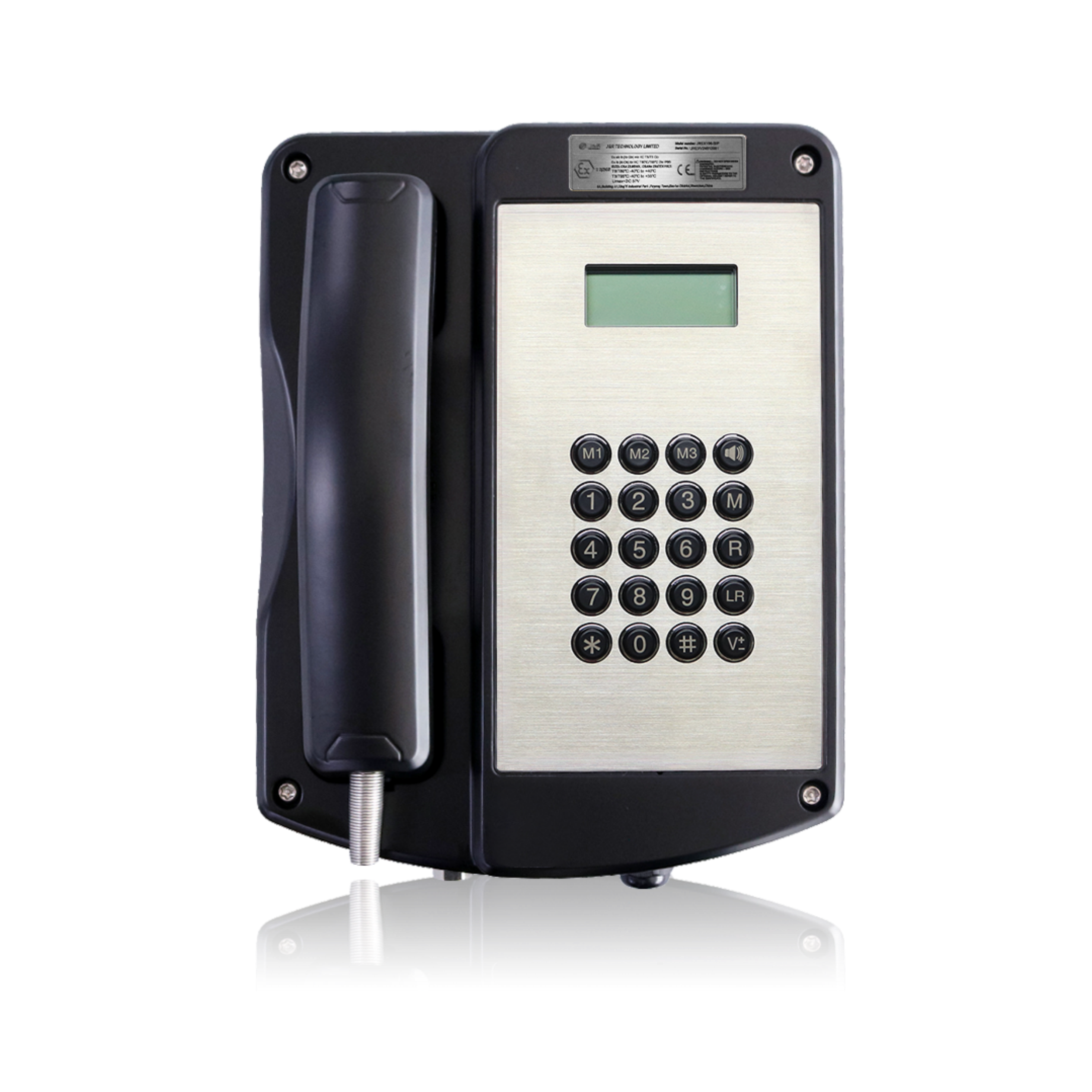
Explosion-proof communication devices usually incorporate waterproof housings by default, as they must prevent gas or dust ingress in hazardous zones.
Usage Scenarios
When to Choose Weatherproof
Weatherproof equipment is ideal for:
-
Outdoor communication devices installed under roofs or awnings
-
Mild climates with light rain or occasional moisture
-
Locations where flexibility and lightweight design are preferred
Examples: roadside displays under shelters, outdoor smart panels, or semi-exposed telecom housings.
When to Choose Waterproof
Waterproof protection is required for:
-
High-risk industrial environments
-
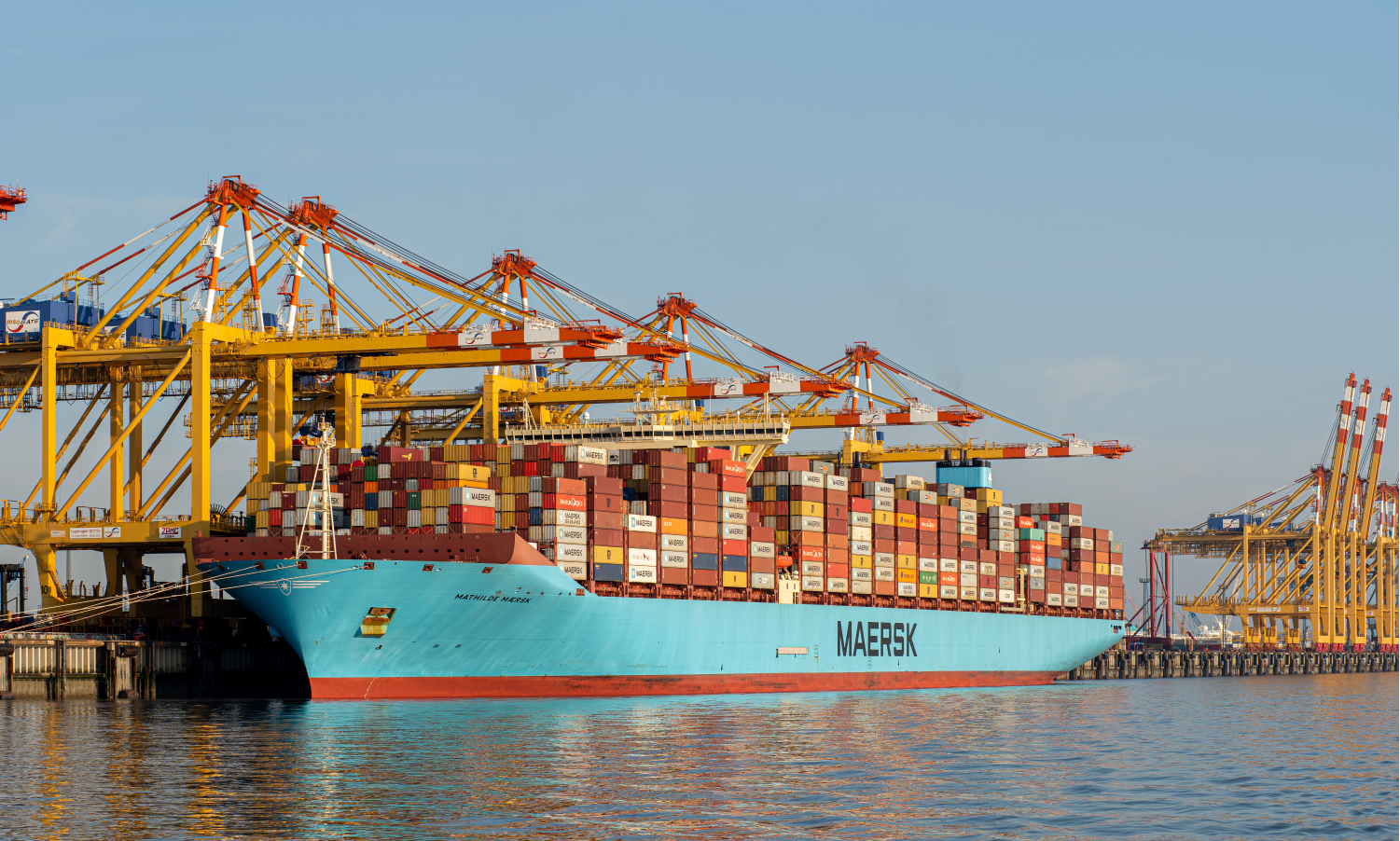
Offshore platforms, ports, tunnels, and mining sites
-
Areas facing heavy rain, water jets, storms, or flooding
-
Equipment that may be submerged temporarily
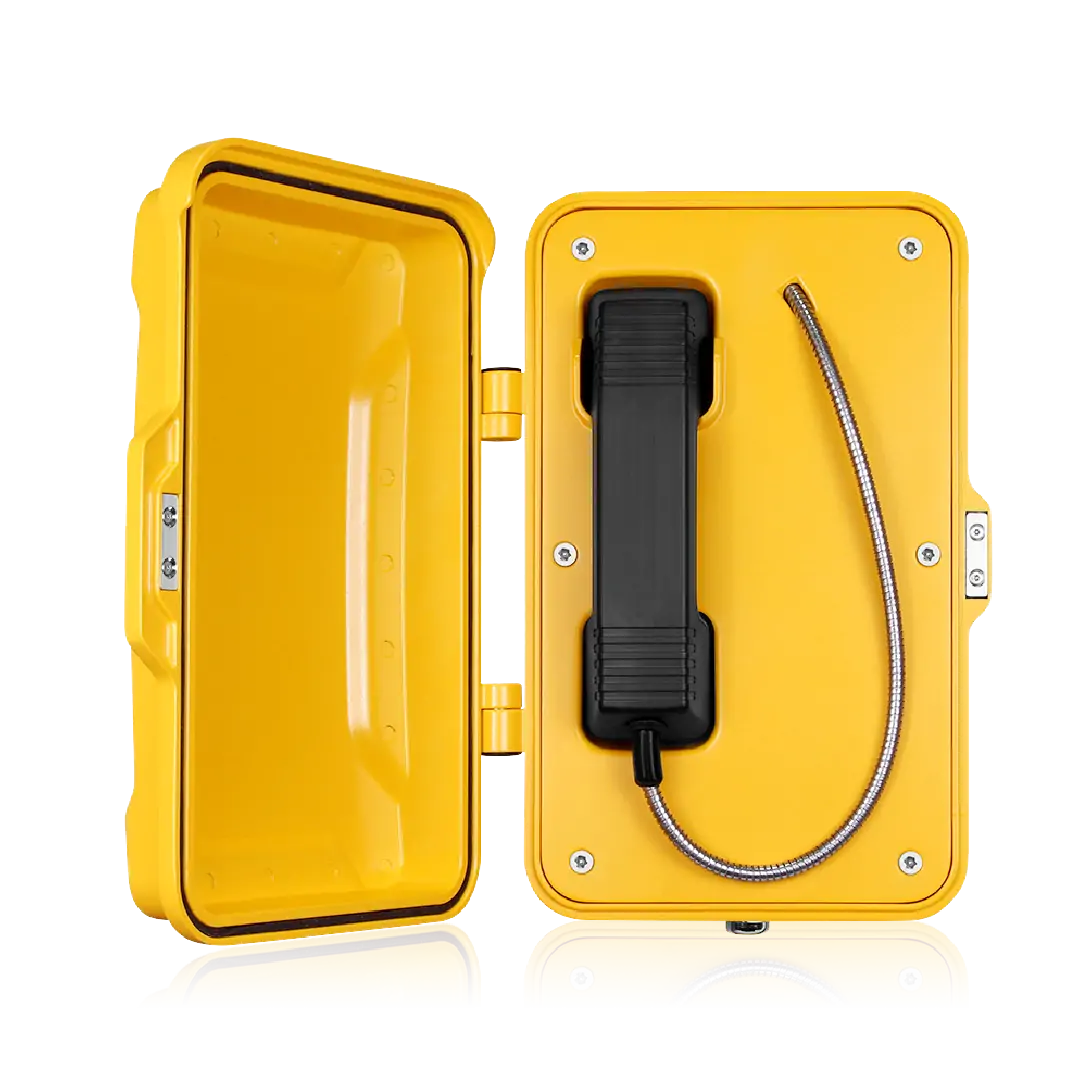
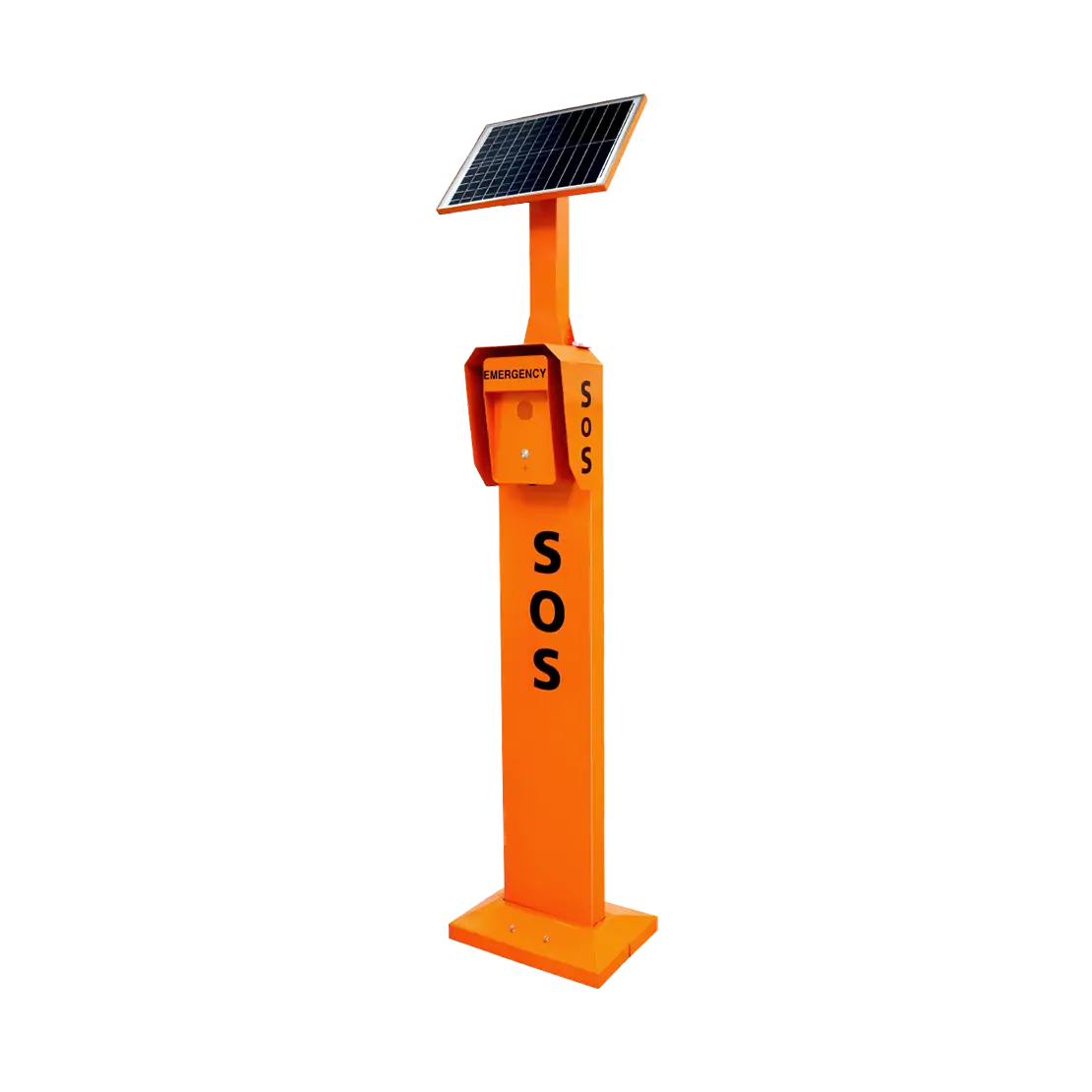
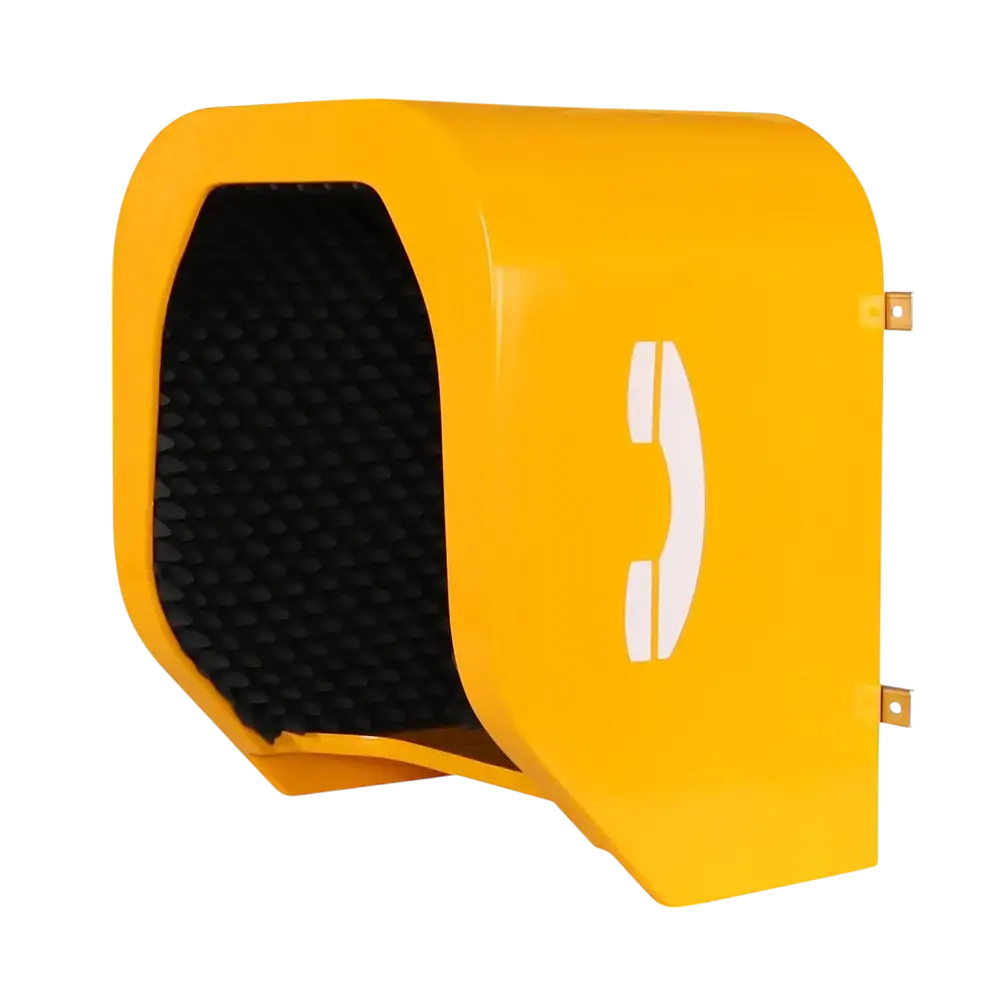
Examples: emergency call telephones on highways, tunnel communication systems, IP speakers in marine locations, and mining telephones.
By understanding the difference between weatherproof vs waterproof, businesses can make informed decisions when selecting communication devices for challenging environments. Choosing the correct level of protection improves long-term reliability, reduces maintenance costs, and enhances safety in mission-critical operations worldwide.


 Prisons & Correctional Facilities
 Transportation & Underground Infrastructure
 Critical Industrial & Energy Facilities
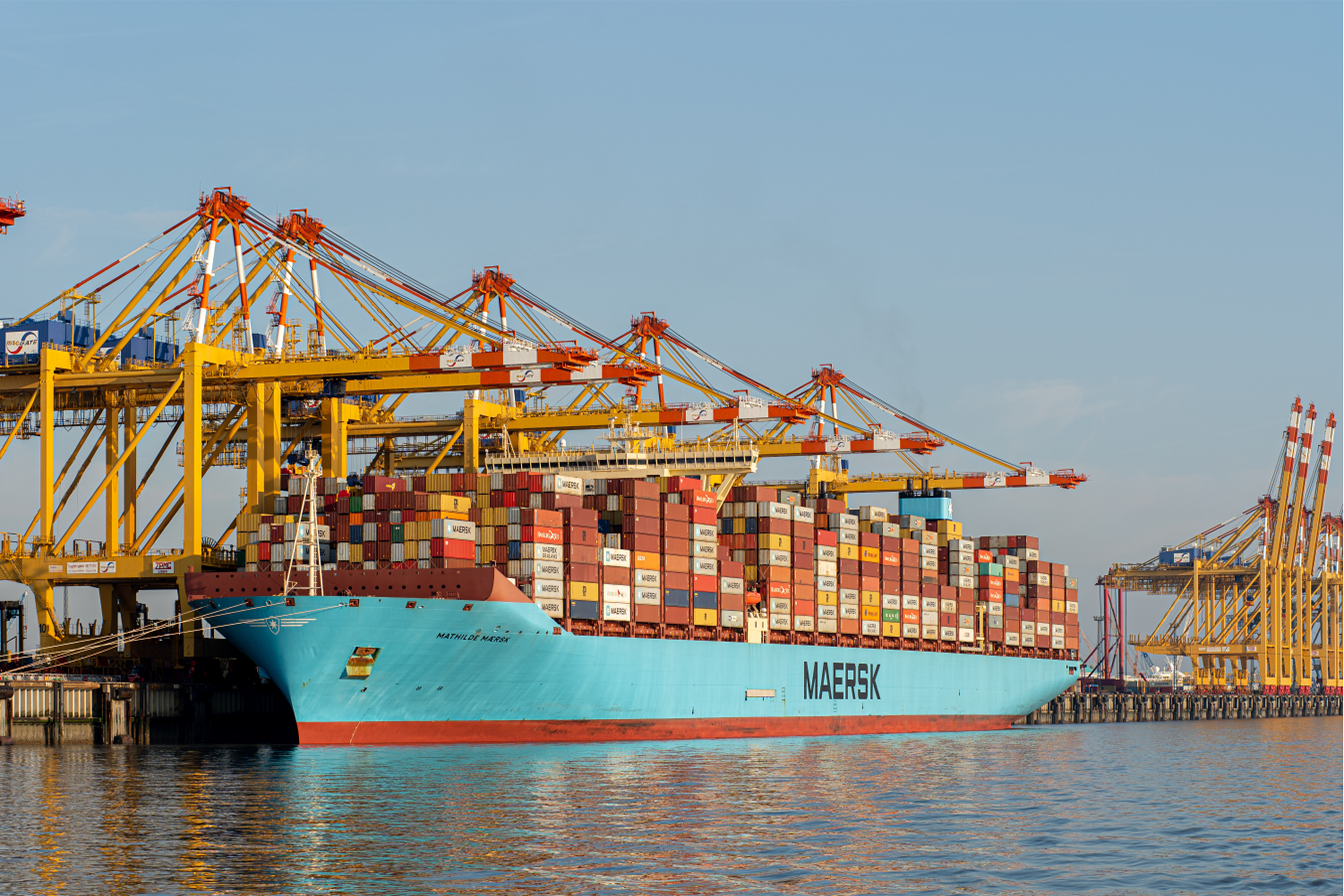 Marine & Offshore
 Manufacturing Plant & Public Facilities