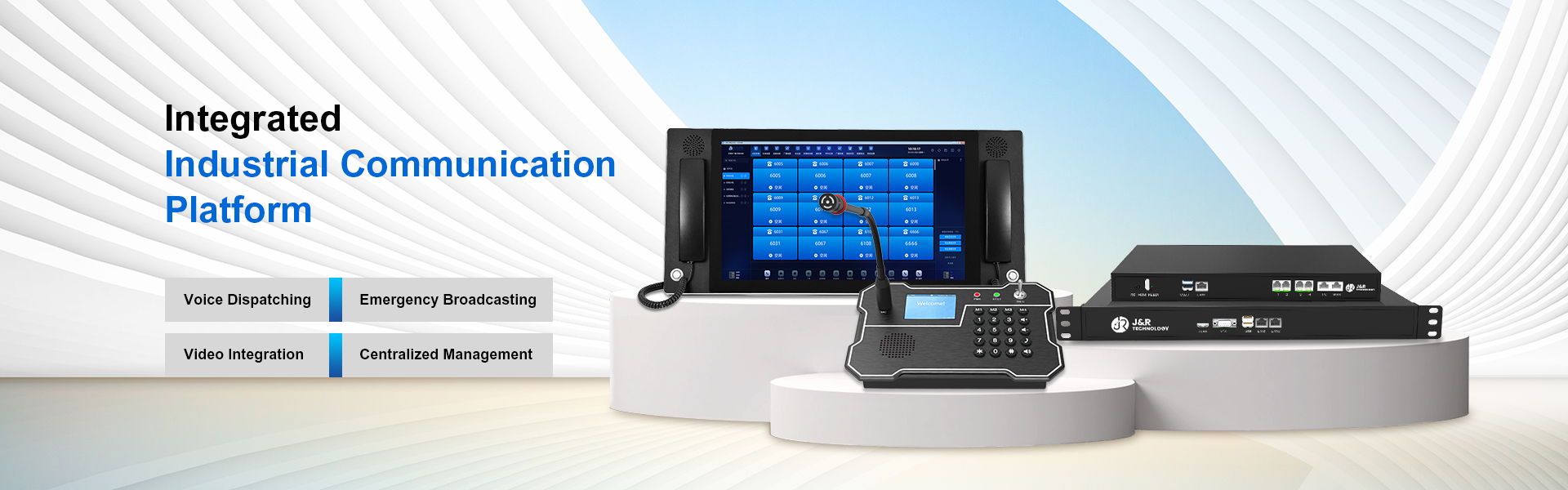
Maintaining stable, real-time communication in oil and gas operations is essential for safety, coordination, and productivity—especially in remote or offshore locations where harsh conditions challenge every system. Understanding how layered infrastructures support communications for oil & gas helps operators choose the right technologies for monitoring, emergency response, and automation. These facilities rely on an integrated mix of natural gas and diesel generators, grid electricity, microgrids, and renewable sources like solar to support SCADA systems, telemetry, industrial wireless networks, fiber connections, and satellite links. In addition to powering traditional communication devices, modern facilities depend on IoT platforms, remote monitoring services, and data-driven automation to maintain 24/7 situational awareness. This article explores the communication protocols, deployment infrastructure, preparedness planning, integration models, and upgrade pathways that help keep the oil and gas sector connected—even in the world’s most isolated environments.
Communication Protocols
In oil and gas operations, robust communication protocols form the backbone of safe and efficient activity. These facilities handle vast amounts of real-time data, ranging from pipeline telemetry to drilling status, so the systems must be both reliable and secure. Standard protocols include MODBUS, DNP3, OPC-UA, and MQTT—each providing varying strengths for industrial automation.
Wireless protocols also play a critical role. LTE, 4G, private LTE networks, and the emerging industrial 5G benefits enable low-latency transmission for sensor data, mobile workforce communication, and surveillance. Satellite systems are essential for offshore rigs and remote onshore operations where terrestrial networks are unavailable. Layering multiple protocols ensures redundancy, which is crucial for high-risk environments where downtime can lead to safety hazards or production losses.
Deployment Infrastructure
Stable communications for oil & gas depend on diversified power sources and infrastructure capable of functioning in isolated regions. Most facilities use a combination of:
-
Natural gas and diesel generators for continuous onsite generation
-
Gas-to-wire systems that convert associated gas into electricity for SCADA, pumps, and communications
-
Utility grid power, when available, to reduce emissions and maintenance
-
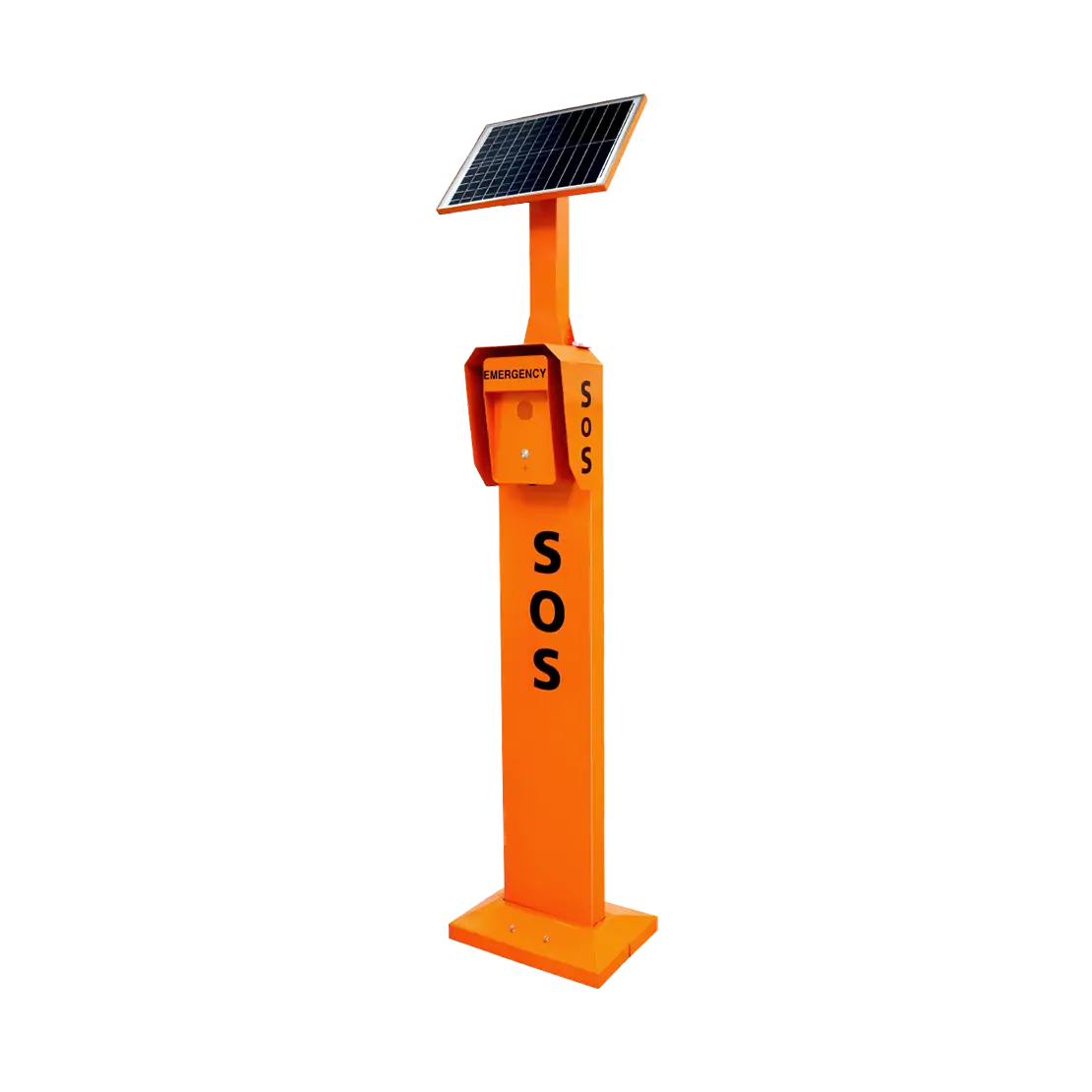
Solar-powered systems for remote well pads, metering stations, and telemetry units
-
Microgrids, providing stable electricity where traditional grid access is impossible
Supporting communication hardware includes wireless towers, ruggedized fiber optic networks, satellite terminals, and IP-enabled devices designed to withstand temperature extremes, explosive atmospheres, and corrosive environments.
Because many facilities operate hundreds of kilometers away from urban centers, redundancy is not optional—it's an operational necessity.
Emergency Preparedness
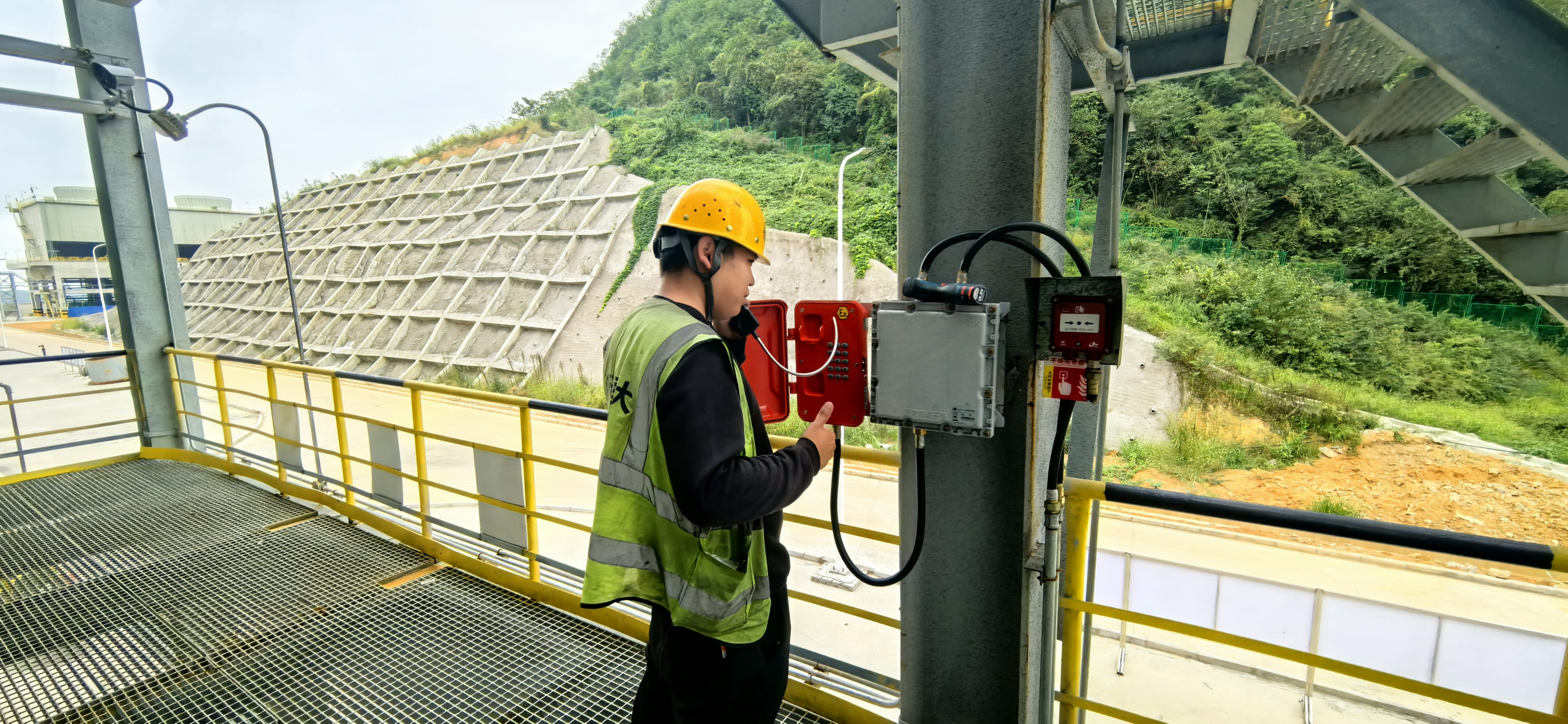
Emergency communication is one of the most mission-critical aspects of oil and gas operations. From blowouts to leaks, fires, or natural disasters, systems must be built to function under extreme stress.
Key components include:
-
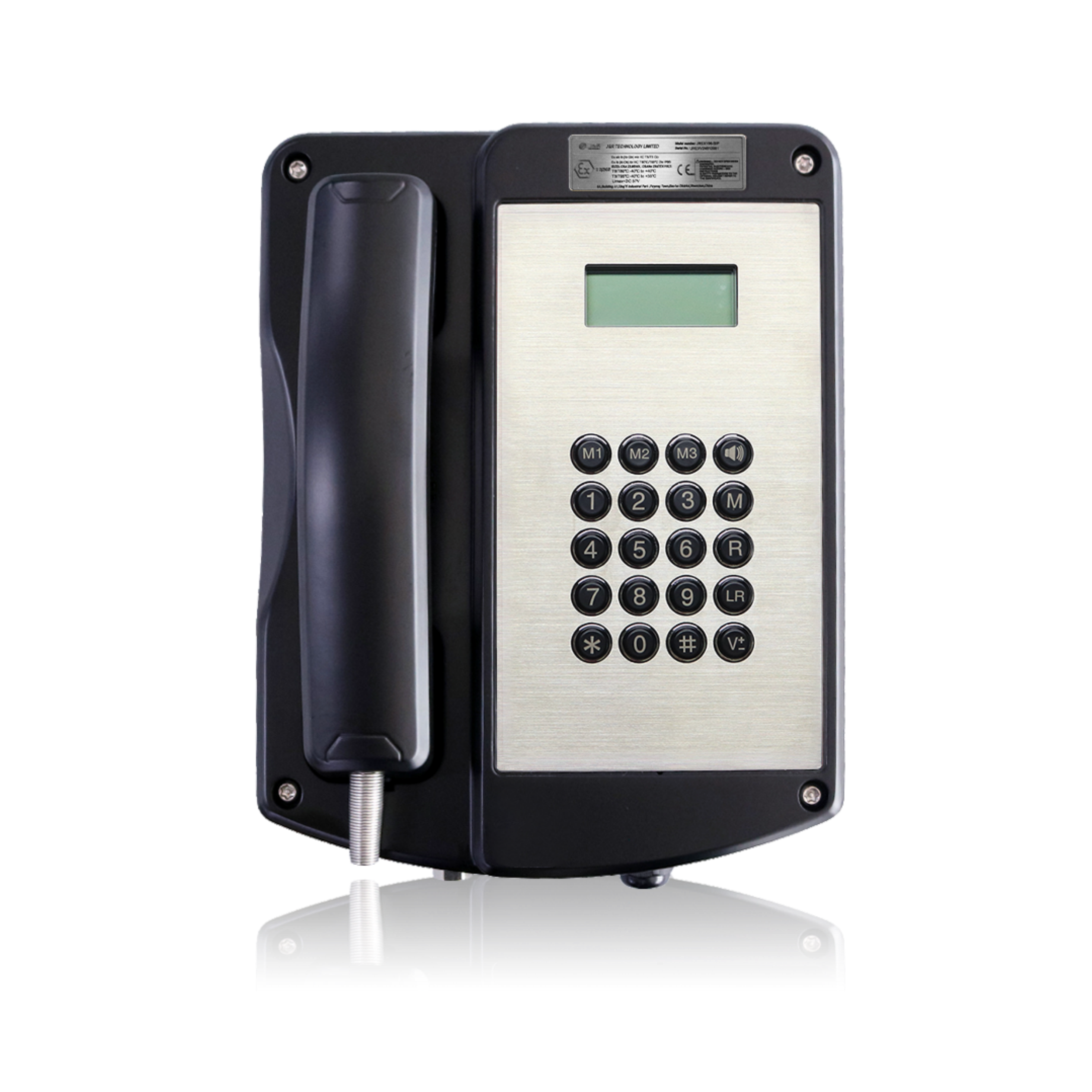
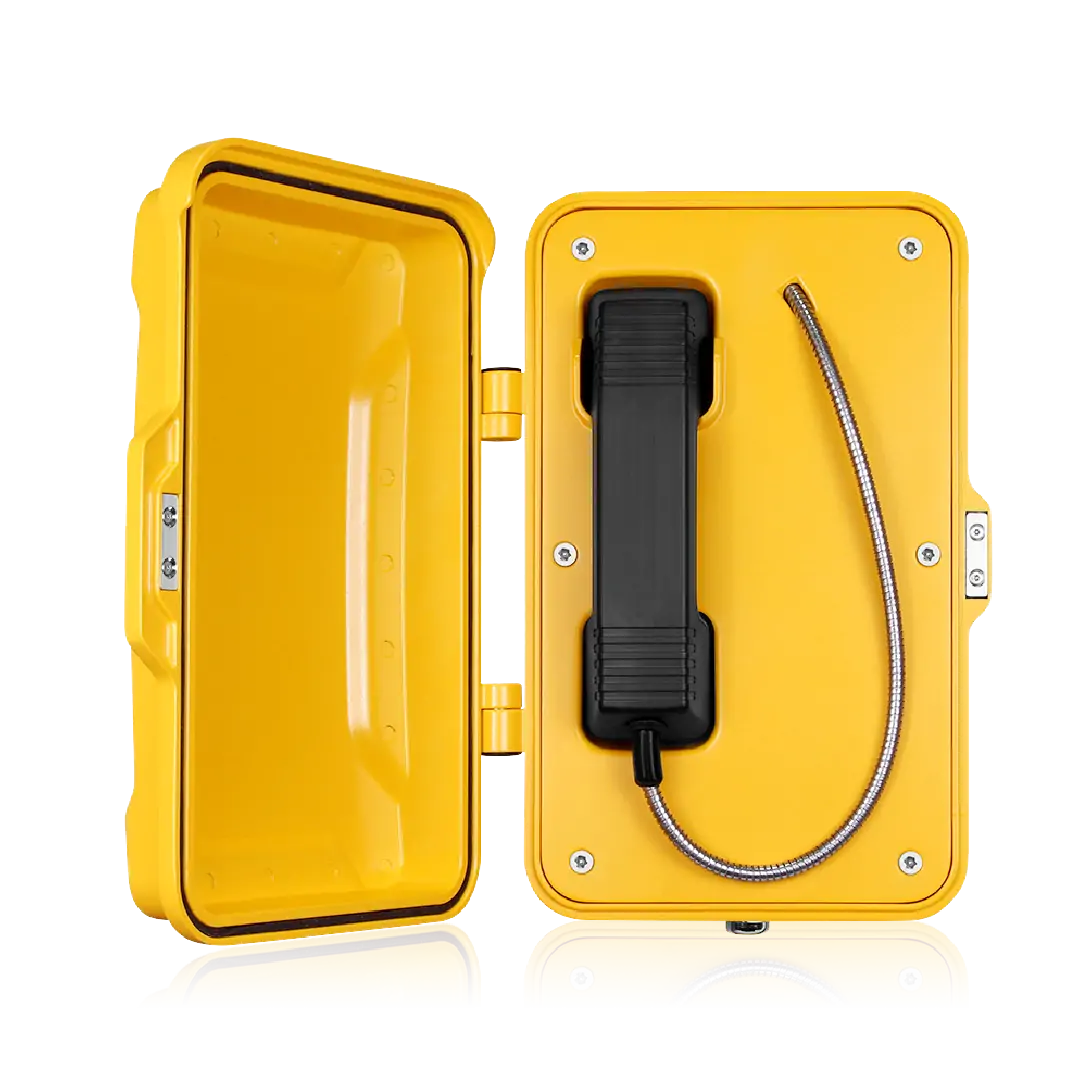
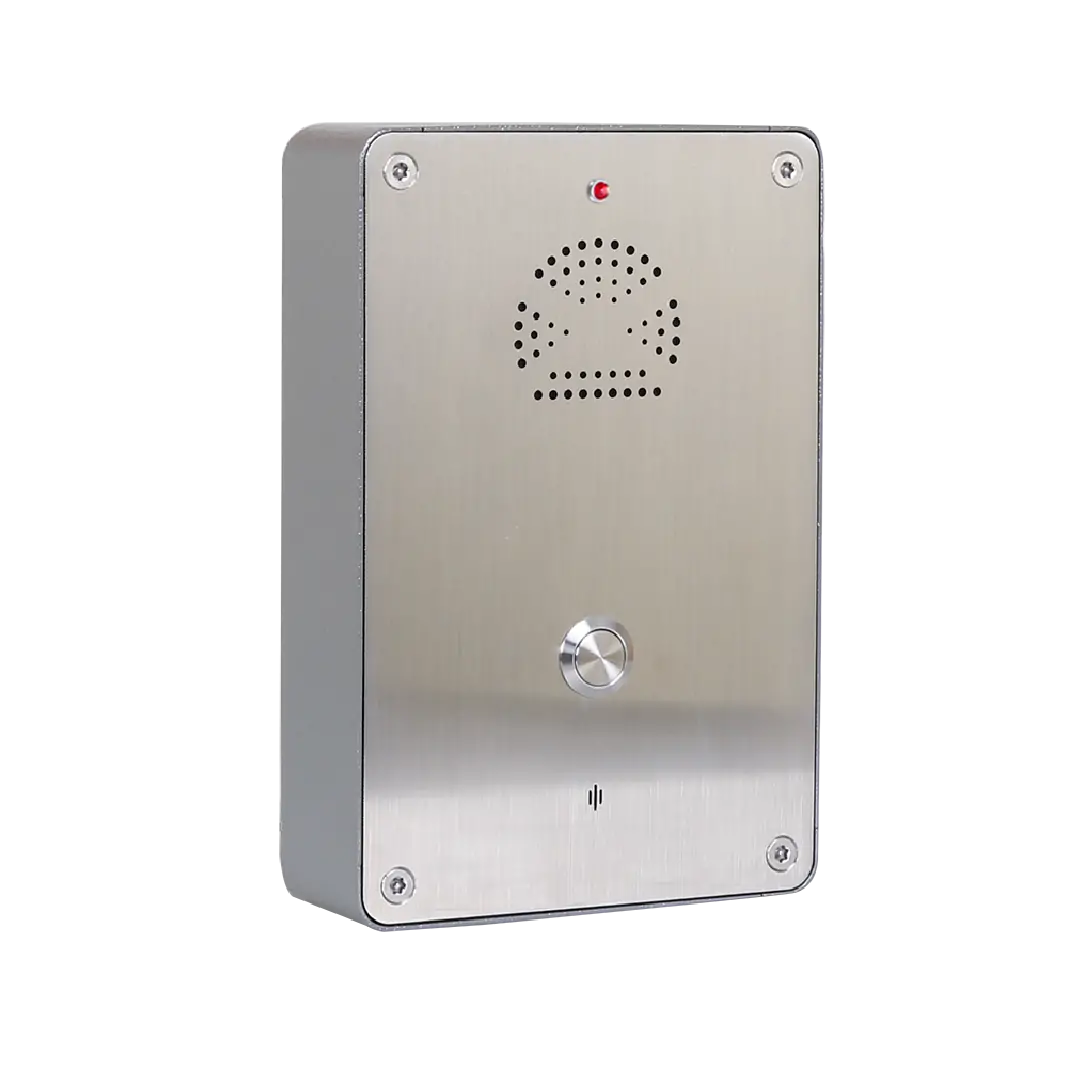
Emergency call stations positioned across refineries, pipelines, and offshore platforms
-
Instant alert tech, enabling one-touch alarms and automated event notifications
-
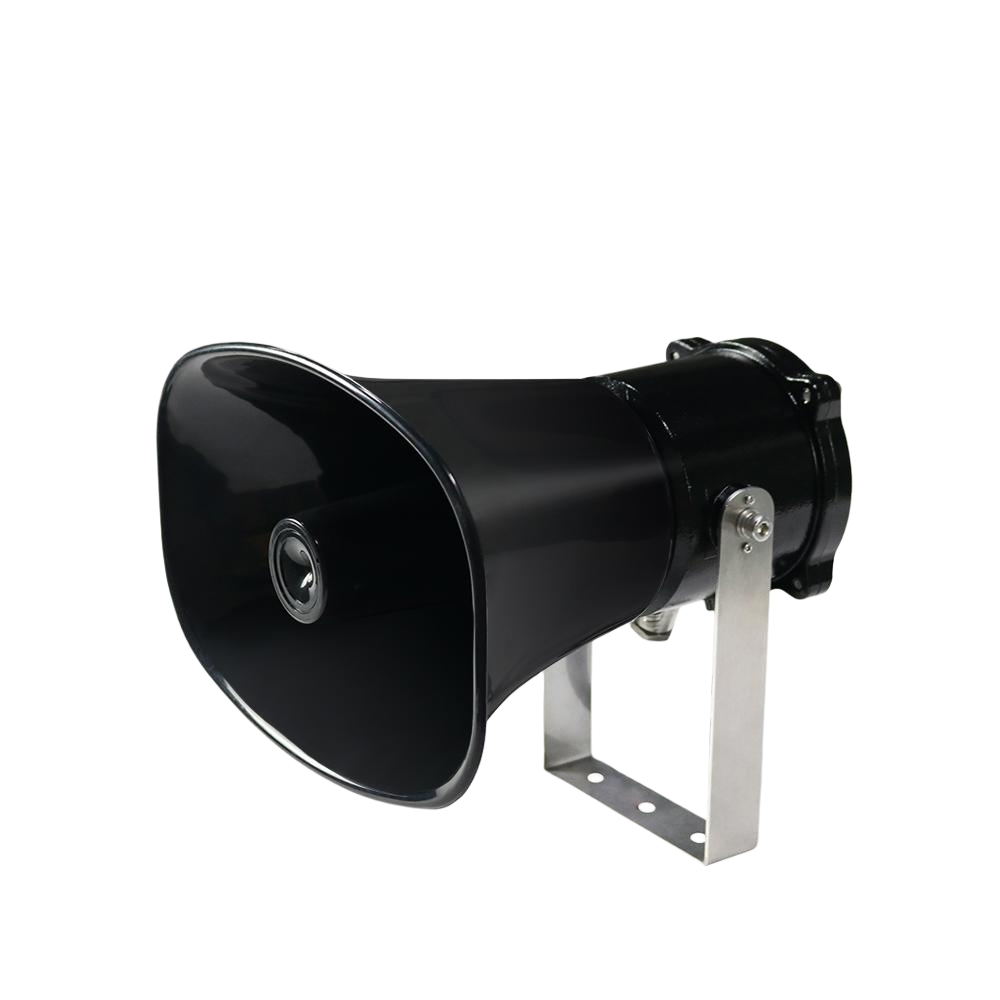
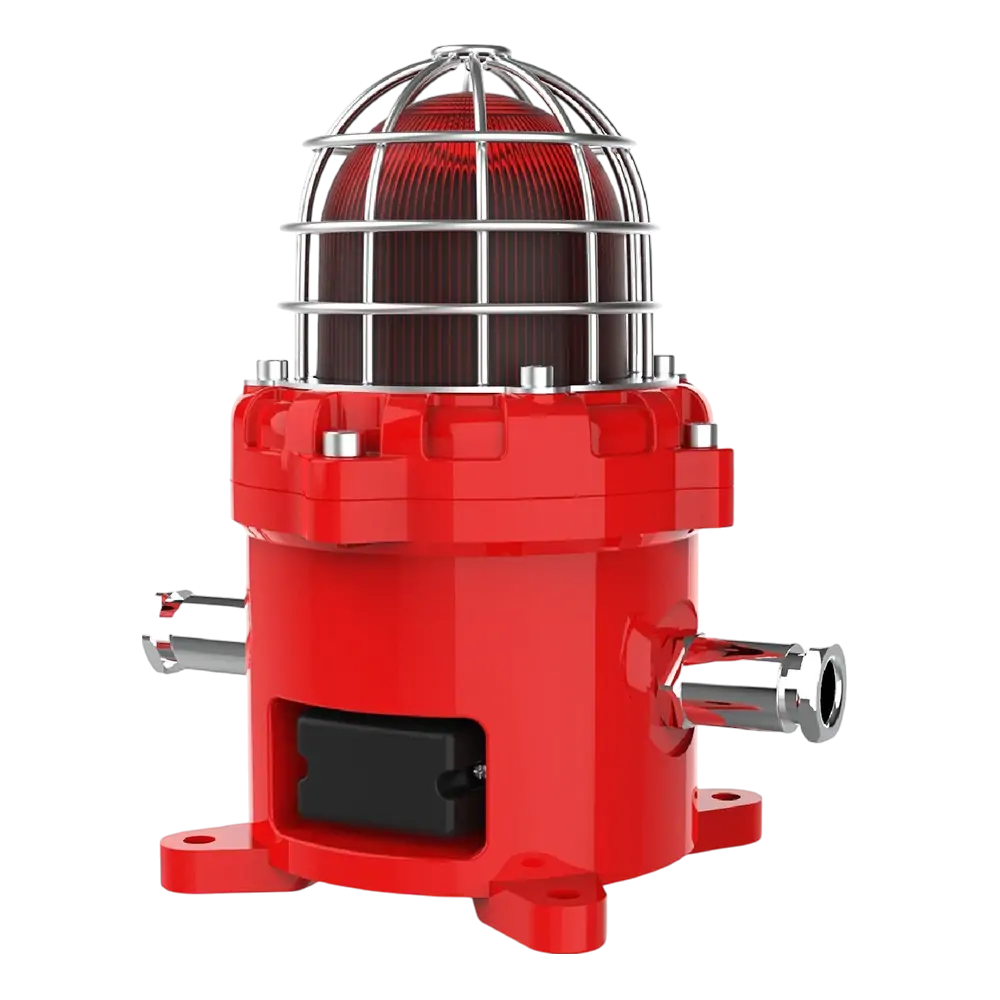
PA/GA systems (Public Address and General Alarm) for site-wide announcements
-
Explosion-proof communication devices certified for ATEX and IECEx zones
-
Integrated monitoring platforms linking CCTV, sensors, and alarms in real time
Preparedness also requires training, regular testing, and communication layers—so if one method fails, others remain active. For example, a facility may use fiber for daily operations but rely on satellite or radio as a backup channel.
Integration Models
Oil and gas sites rarely rely on a single communication architecture. Instead, they build layered integration models that coordinate multiple systems:
1. SCADA + IoT Integration
Combining SCADA with IoT sensors enhances data visibility for pressure, flow, vibration, and temperature monitoring.
2. OT–IT Convergence
Operational technology (OT) integrates with management-level IT systems for predictive analytics, maintenance scheduling, and real-time dashboards.
3. Hybrid Network Models
Fiber, microwave radio, 4G LTE, and satellite networks work together, ensuring continuous uptime in complex terrains.
4. Remote Monitoring Ecosystems
Cloud-based platforms allow 24/7 oversight of wells, compressor stations, and offshore units—critical for unmanned or semi-manned facilities.
Effective integration improves reliability, enhances decision-making, and supports safer operations across both upstream and downstream sectors.
System Upgrades
As the industry shifts toward digital transformation, system upgrades are essential for maintaining secure and uninterrupted communications for oil & gas. Modern upgrades focus on:
-
Transitioning from legacy radio systems to digital IP-based networks
-
Introducing private LTE/5G to support high-volume telemetry
-
Replacing outdated copper networks with fiber for faster, more secure data transmission
-
Adding renewable energy power systems for remote communication equipment
-
Integrating AI-driven anomaly detection in communication networks
-
Migrating SCADA systems to more secure, encrypted protocols
Upgrading communication infrastructure not only improves reliability but also reduces long-term costs by lowering maintenance requirements and minimizing operational risk.
Oil and gas facilities operate in some of the world’s most challenging environments. By investing in layered communication systems—built on reliable power sources, robust emergency planning, modern protocols, and continuous upgrades—operators can maintain safe, coordinated, and efficient operations regardless of location or climate.


 Prisons & Correctional Facilities
 Transportation & Underground Infrastructure
 Critical Industrial & Energy Facilities
 Marine & Offshore
 Manufacturing Plant & Public Facilities