














Overview of Intercom vs PA
In industrial environments, reliable communication is essential for safety, coordination, and operational efficiency. Facilities such as factories, power plants, tunnels, and oil and gas sites often need systems that allow workers and control rooms to communicate quickly. Two commonly used solutions are intercom systems and Public Address System (PA systems).
When evaluating intercom vs pa system solutions, it is important to understand their fundamental differences.
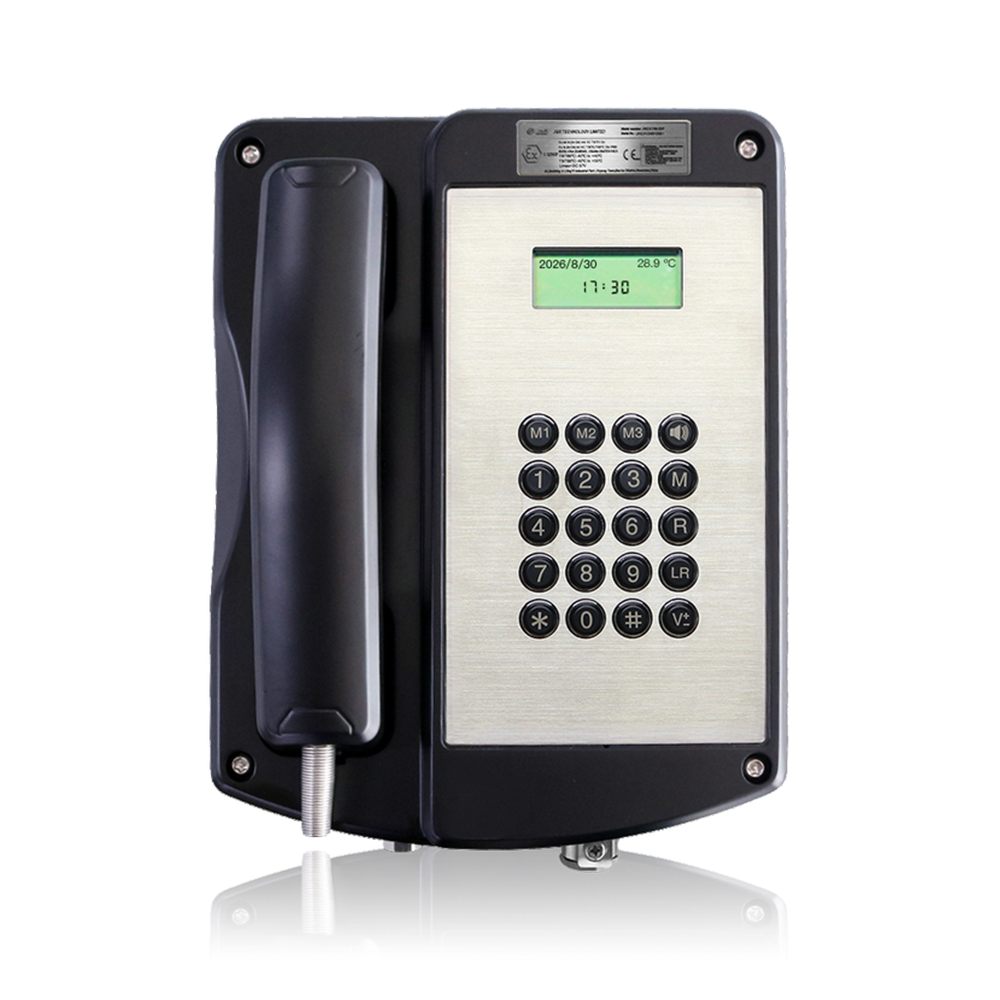
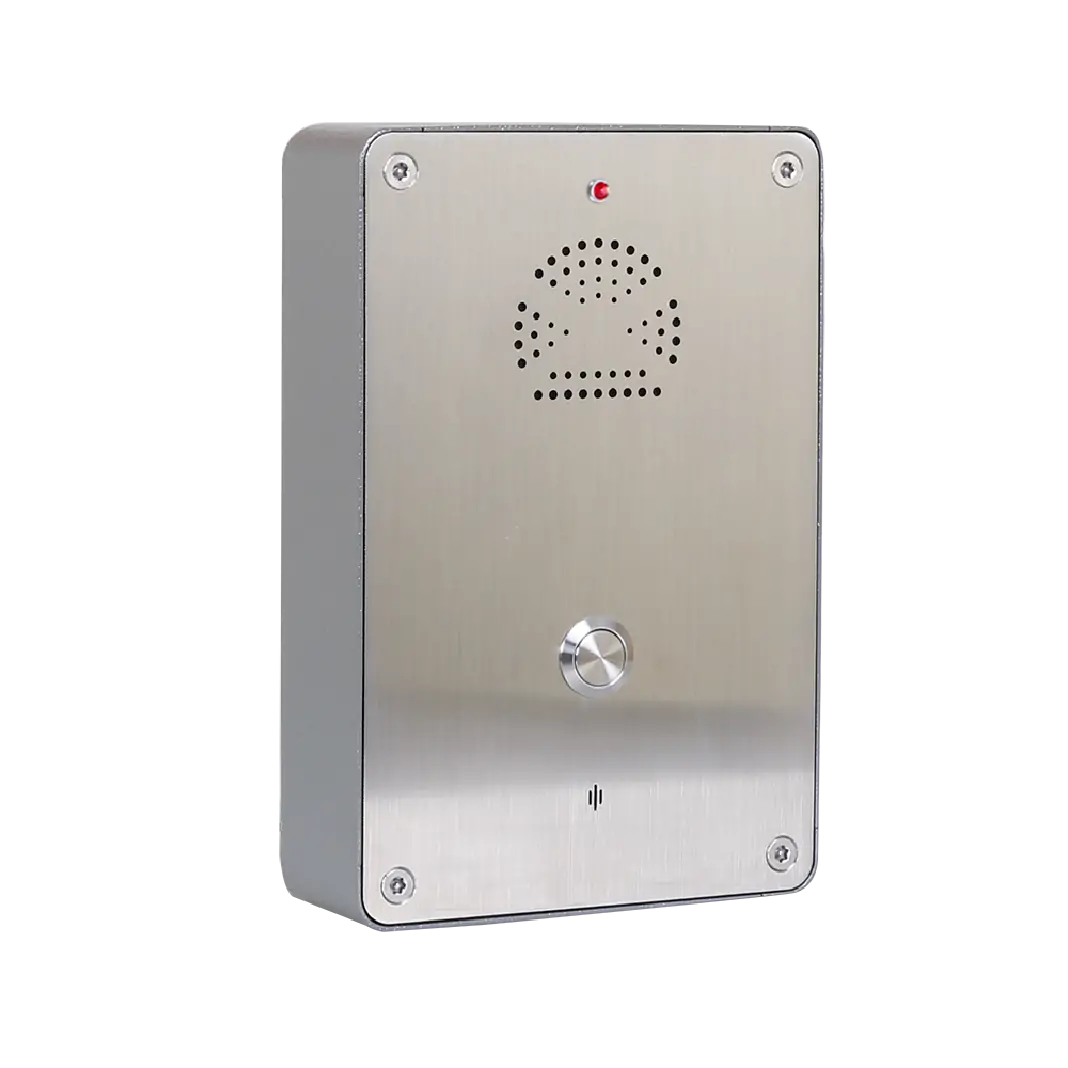
An intercom system enables two-way communication between individuals or stations. Workers can call the control room, supervisors can respond directly, and conversations happen in real time.
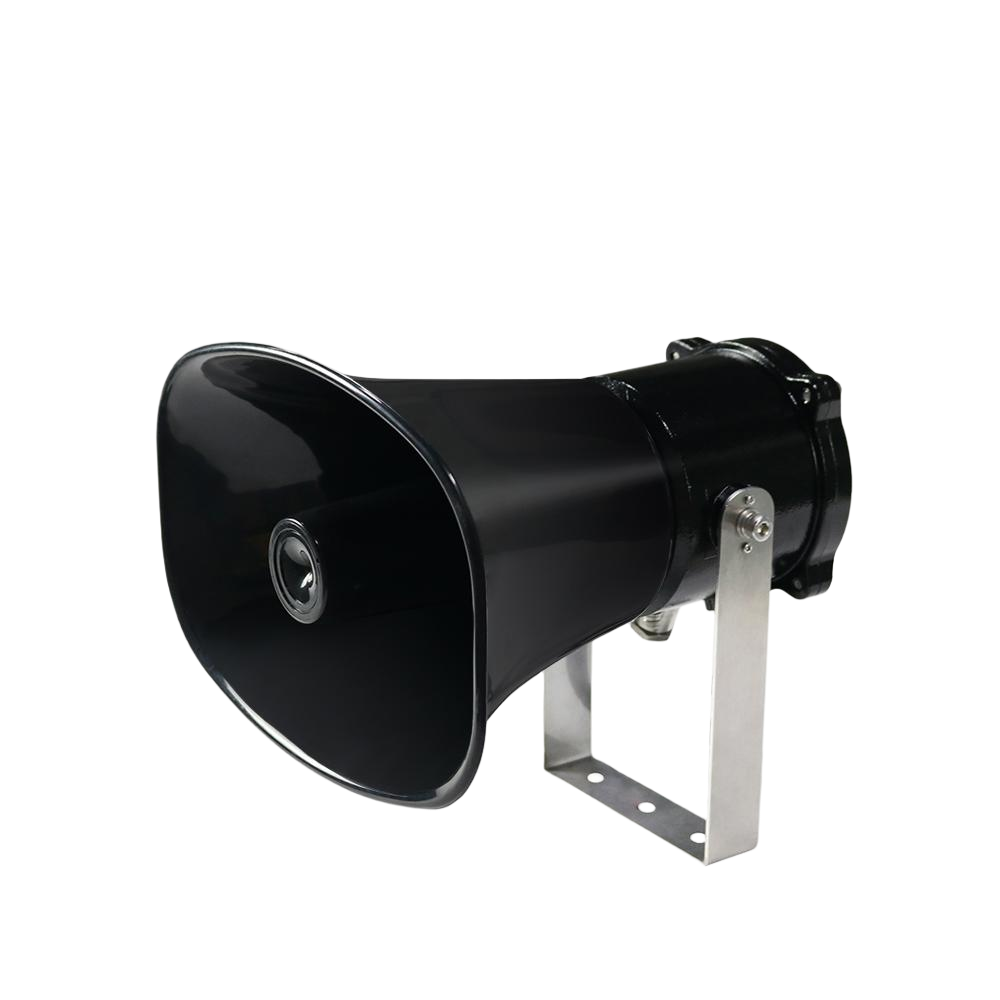
A PA system, on the other hand, is primarily designed for one-to-many communication. It allows announcements or alarms to be broadcast across large areas through loudspeakers.
Both systems are widely used in industrial facilities, but each serves different operational purposes. Understanding these differences helps decision-makers choose the most suitable communication infrastructure.
If your project requires wireless deployment, you may also want to explore industrial wireless intercom systems.
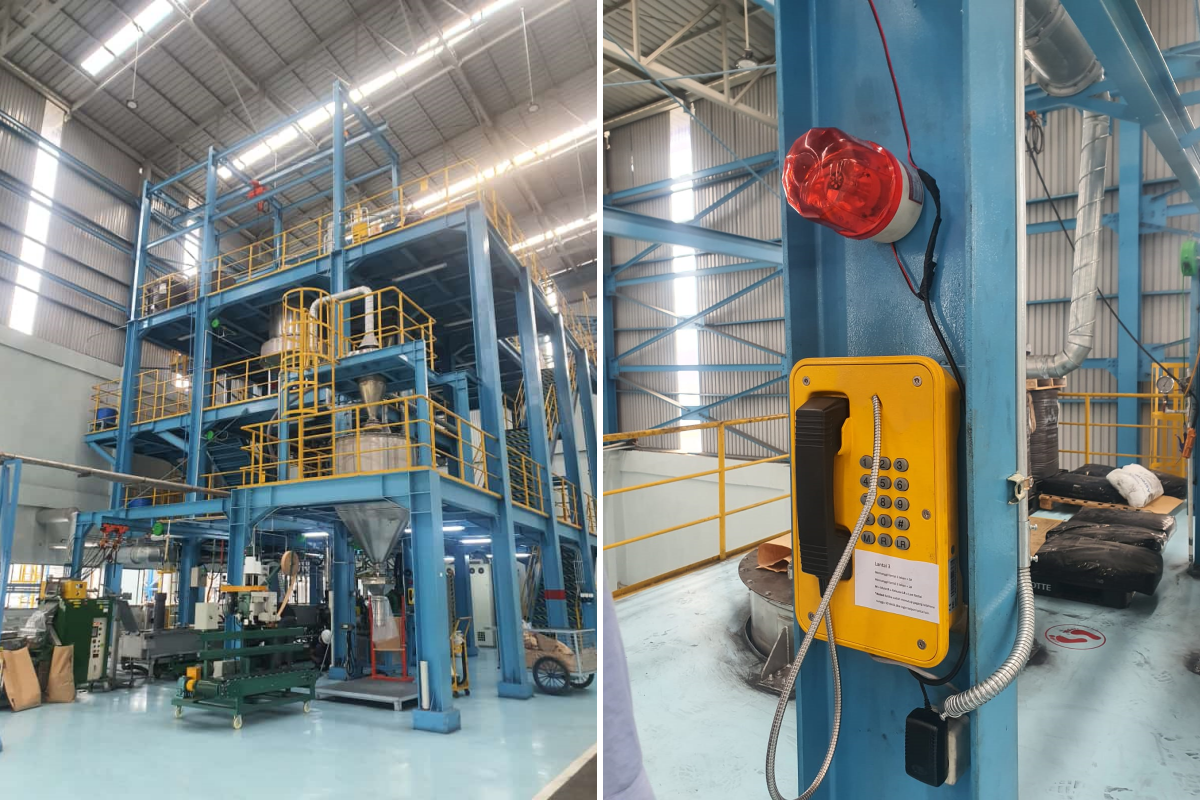
Noise Handling Capabilities
Industrial sites often face high levels of ambient noise from machinery, engines, ventilation systems, and production equipment. Communication devices must therefore be designed to function clearly under challenging acoustic conditions.
Intercom systems used in industrial environments typically include:
-
Noise-canceling microphones
-
High-power speakers
-
Acoustic echo cancellation
-
Push-to-talk communication
These features help ensure that conversations remain intelligible even in loud environments such as steel plants or mining facilities.
PA systems, however, rely on high-power loudspeakers to broadcast messages across wide areas. Industrial PA systems are engineered with:
-
High sound pressure levels (SPL)
-
Directional speaker arrays
-
Weatherproof or explosion-proof enclosures
While PA systems can deliver powerful announcements across large areas, they generally do not support two-way dialogue unless integrated with intercom terminals.
In extremely noisy industrial sites, combining intercom endpoints with PA loudspeakers is often the most effective approach.
Emergency Communication Scenarios
Emergency response is one of the most critical communication requirements in industrial environments.
In emergency situations such as fires, gas leaks, equipment failures, or evacuation events, communication systems must allow both rapid alerts and direct coordination.
PA systems are highly effective for emergency broadcasting. Operators can instantly deliver evacuation instructions, safety alerts, or warning signals across the entire facility.
However, during emergencies, personnel may also need to report incidents or request assistance. This is where intercom systems become essential. Workers can use intercom stations to contact the control room, confirm instructions, or report hazards.
Many modern industrial facilities therefore deploy hybrid communication systems, where intercom stations trigger or integrate with PA announcements. In some installations, pressing an emergency intercom button can automatically activate a broadcast alert.
For industrial facilities using IP-based communication networks, these systems can also be integrated with **Voice over Internet Protocol technology. To learn more about this communication framework, see our guide on what is voip communication.
Coverage Strategies
Coverage requirements vary significantly depending on the size and structure of the industrial site.
Intercom systems are typically installed at specific locations such as:
-
Entry gates
-
Control rooms
-
Production lines
-
Machinery areas
-
Emergency points
This allows personnel to communicate directly from defined stations.
PA systems, however, are designed for area coverage. Loudspeakers are distributed across zones to ensure that announcements reach all workers within a facility.
For example:
-
Large factories may use zoned PA systems for different production areas.
-
Tunnels may deploy linear speaker coverage along the entire length.
-
Oil and gas plants may install explosion-proof loudspeakers across hazardous zones.
Because of these differences, PA systems are ideal for wide-area communication, while intercom systems are better suited for point-to-point communication.
Integration Methods
Modern industrial communication infrastructure increasingly relies on integrated platforms rather than standalone systems.
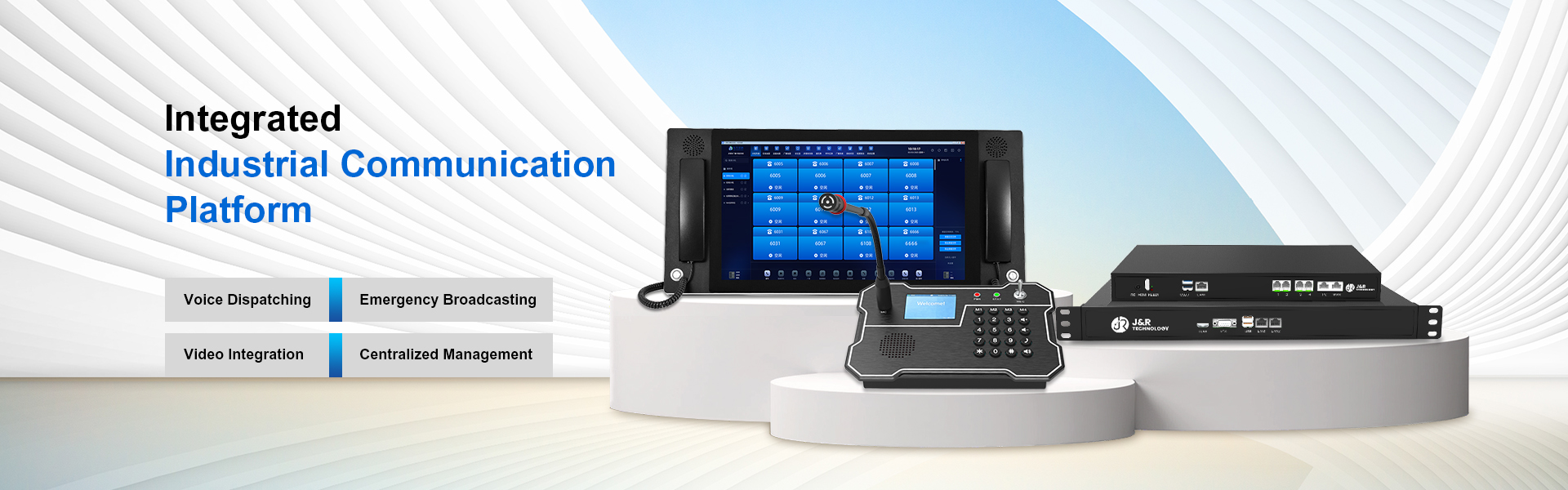
Today’s intercom and PA solutions can be connected through IP-based networks, allowing them to operate as part of a unified communication system.
Common integration methods include:
IP-based communication networks
Both intercom stations and PA speakers can connect to the same IP network, simplifying installation and management.
Control room dispatch systems
Operators can manage calls, broadcasts, alarms, and announcements from a centralized console.
Alarm and monitoring systems
Communication systems can integrate with fire alarms, gas detection systems, and safety platforms.
Industrial automation systems
Some facilities connect communication systems with SCADA or monitoring platforms to trigger automated alerts.
Through these integration methods, intercom and PA systems no longer function as separate technologies but instead become components of a comprehensive industrial communication infrastructure.
Conclusion
When comparing intercom vs pa system solutions for industrial sites, the best choice depends largely on the operational requirements.
-
Intercom systems provide reliable two-way communication between workers and control rooms.
-
PA systems enable large-scale broadcasting for announcements and emergency alerts.
In many industrial projects, the most effective strategy is not choosing one over the other but integrating both systems into a unified communication network. This combination ensures that facilities benefit from clear point-to-point communication while maintaining the ability to broadcast critical information across the entire site.
As industrial environments continue to evolve toward smarter and more connected infrastructure, integrated communication solutions will remain a key component in improving safety, efficiency, and operational coordination.