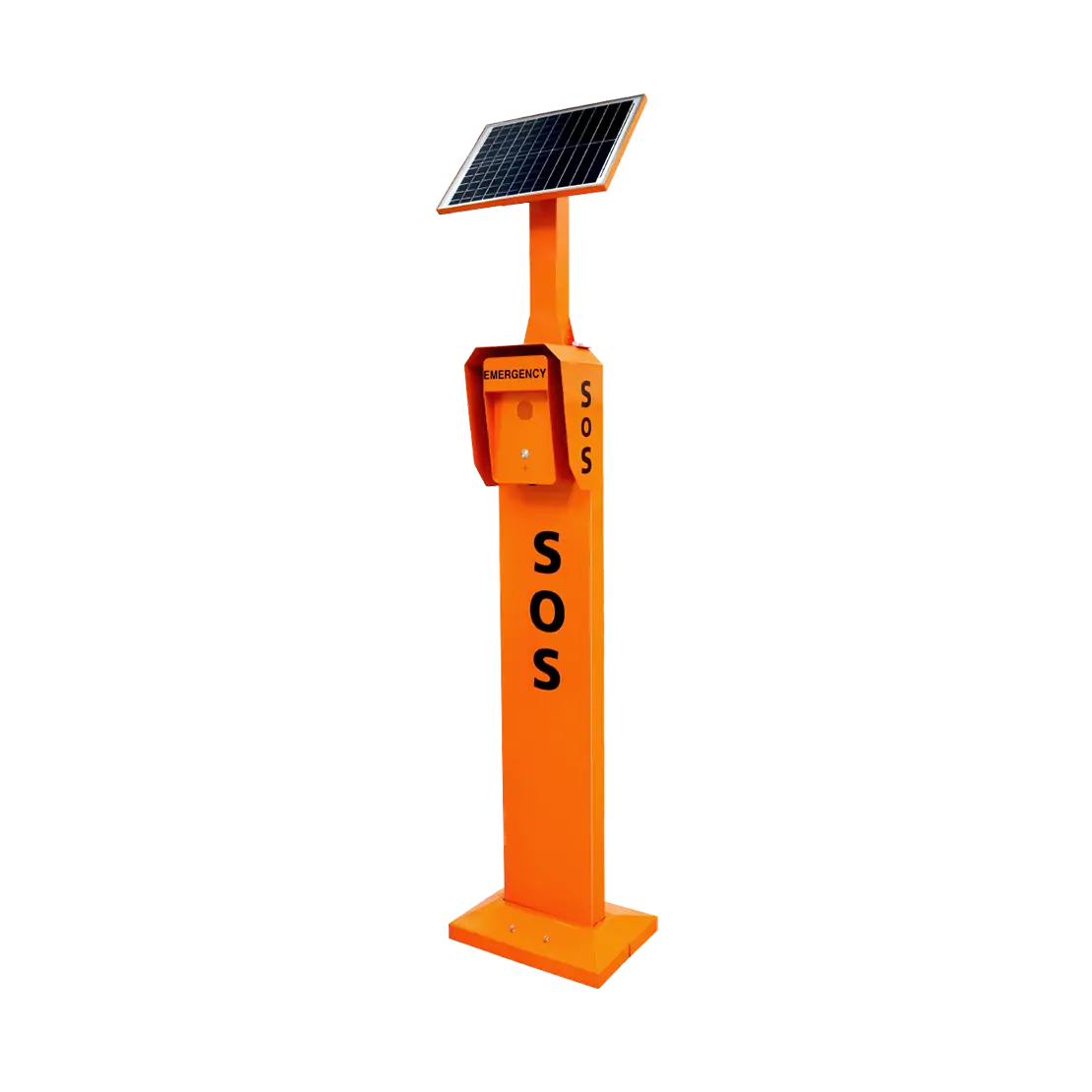
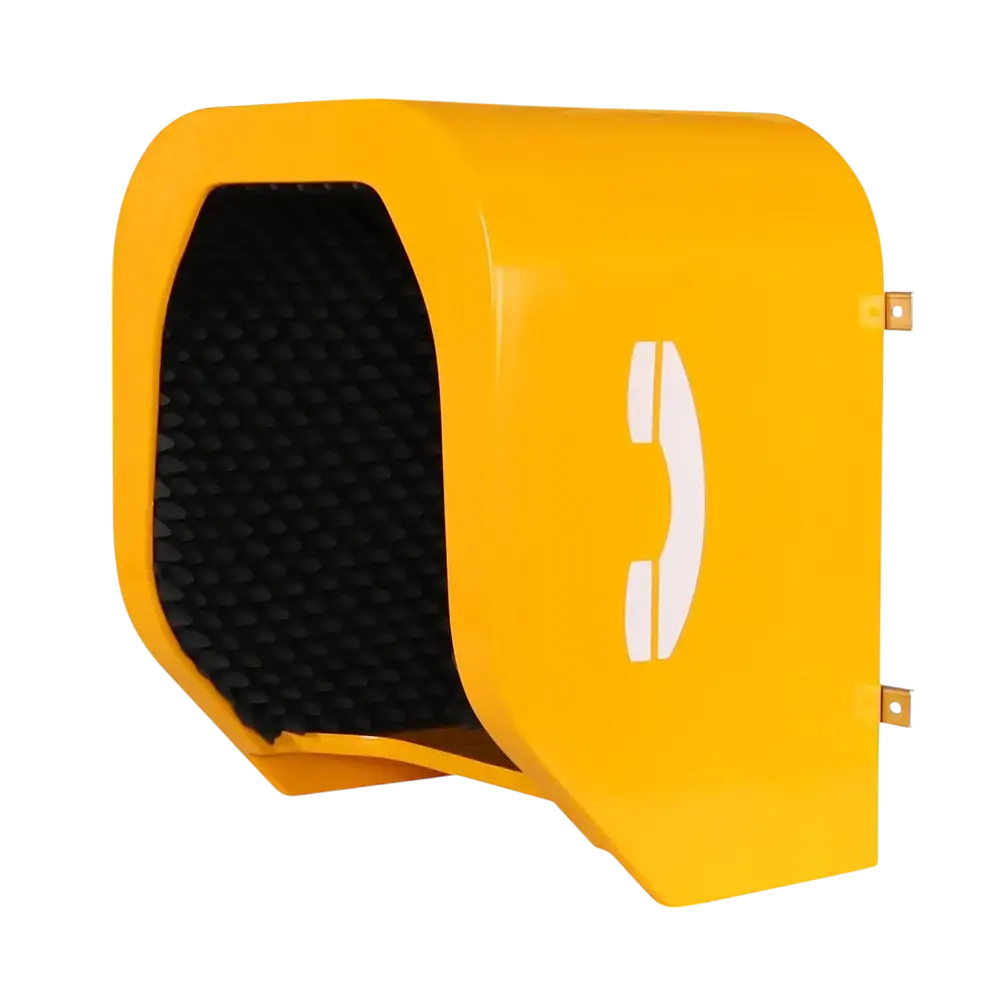
Industrial sites carry real safety risks. Workers deal with heavy machines, high noise levels, heat, chemicals, and moving vehicles. In such places, fast communication can save lives. An emergency intercom system helps workers report problems quickly and receive instructions during critical moments. Factories, oil plants, warehouses, and power stations need strong communication tools. When an accident happens, every second matters. Phones may not work well in loud areas, and mobile signals can fail. That is why many companies install an emergency intercom system as part of their safety setup. In this article, we explain how an emergency intercom system works, its key features, how it supports safety rules, real examples from industries, and the return on investment it provides.
Emergency Intercom System Basics
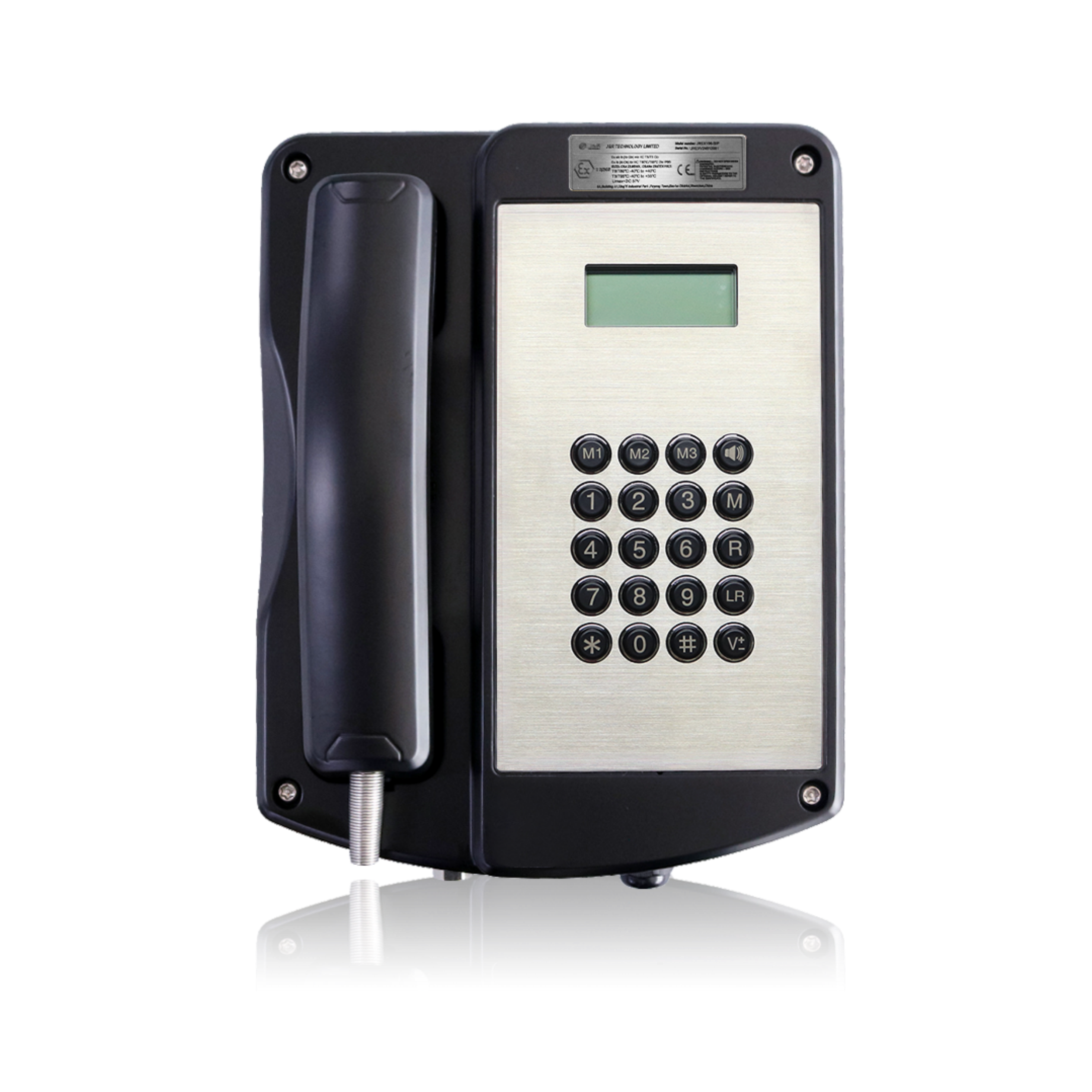
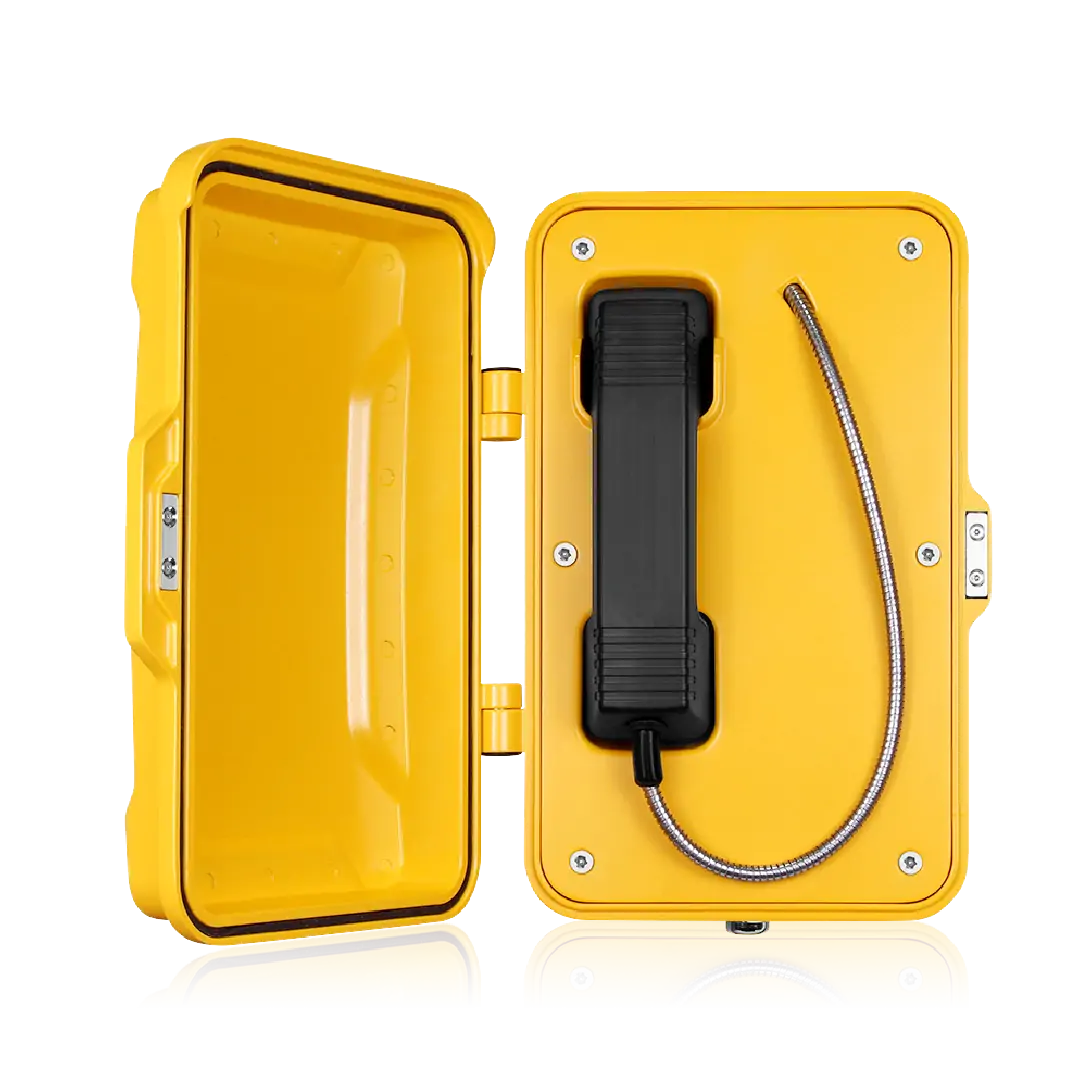
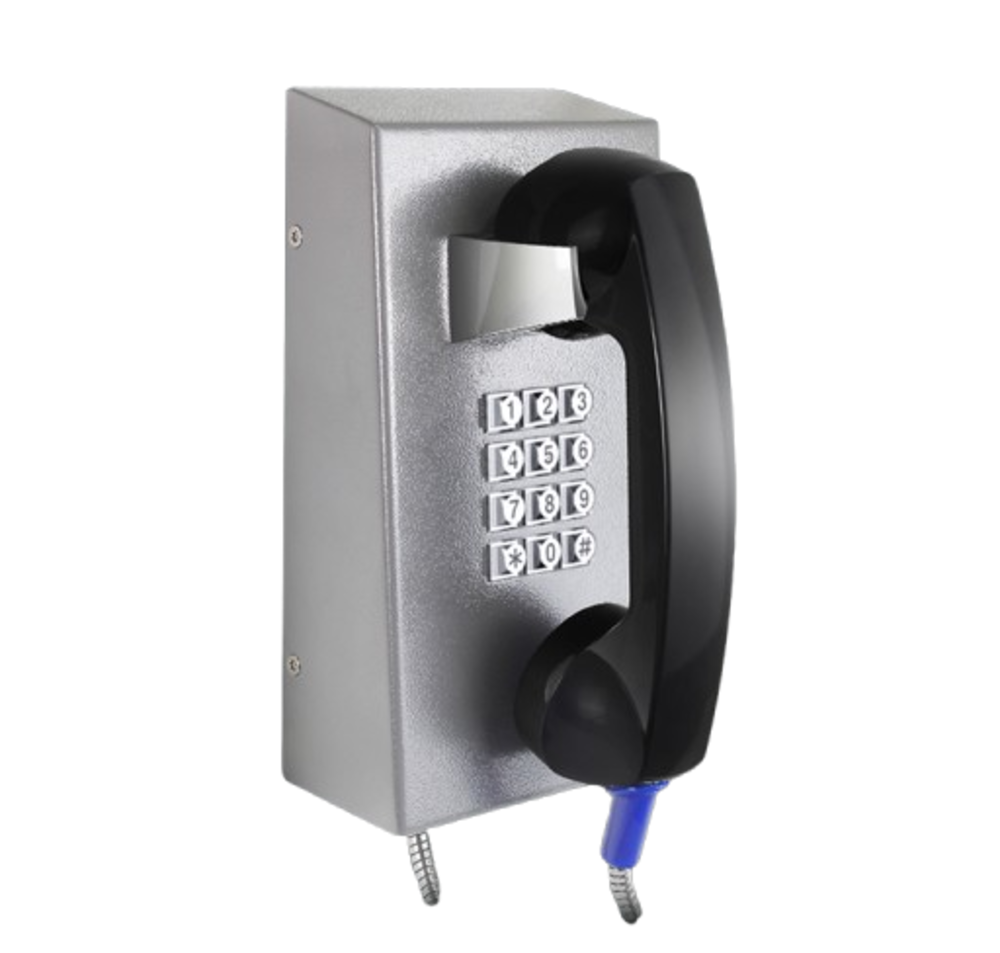
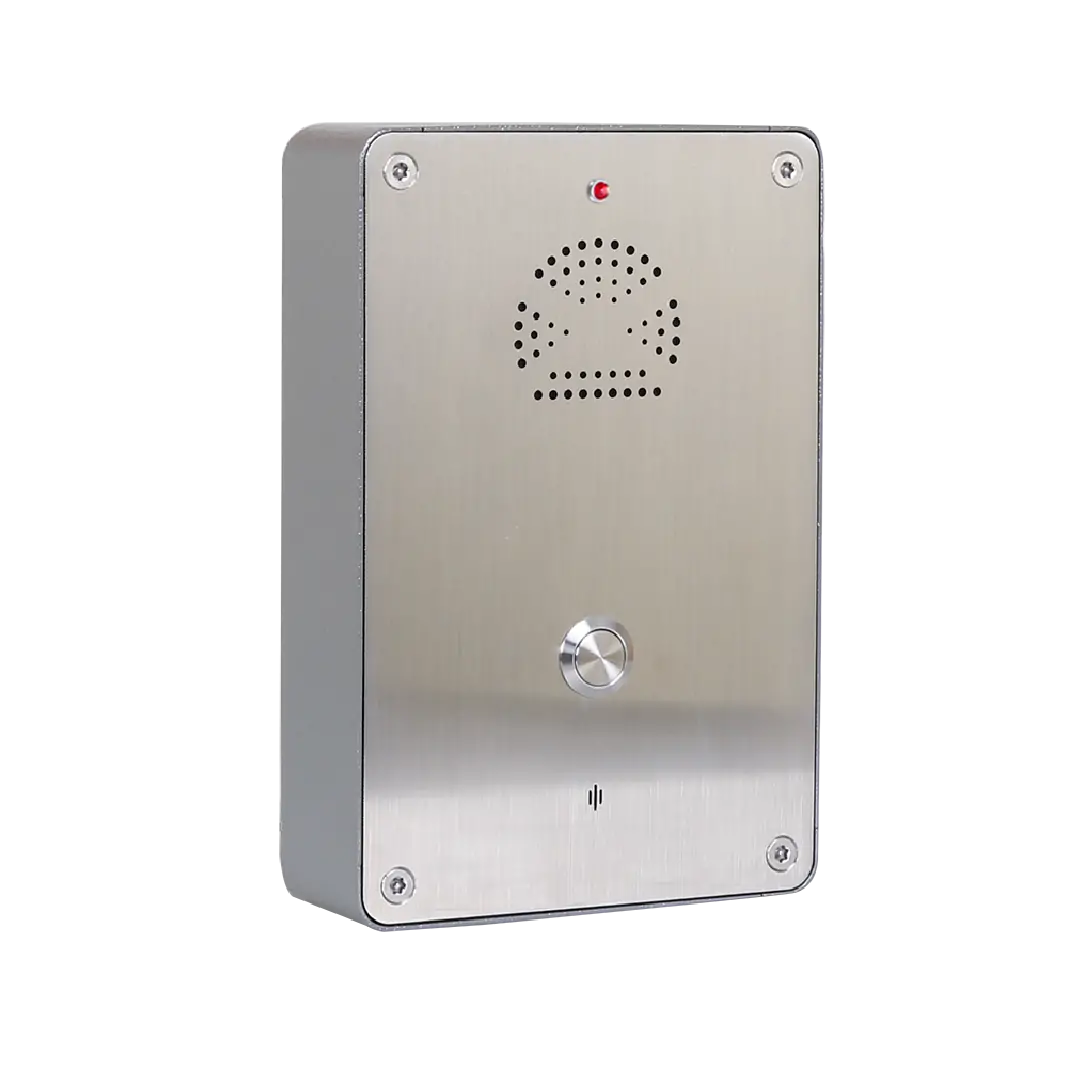
The emergency intercom system is a communication tool, which is intended to be used during emergency situations. It enables workers to reach to a control room or safety team by pressing a button once. It is designed with rough industrial conditions unlike ordinary phones.
How an Emergency Intercom System Works
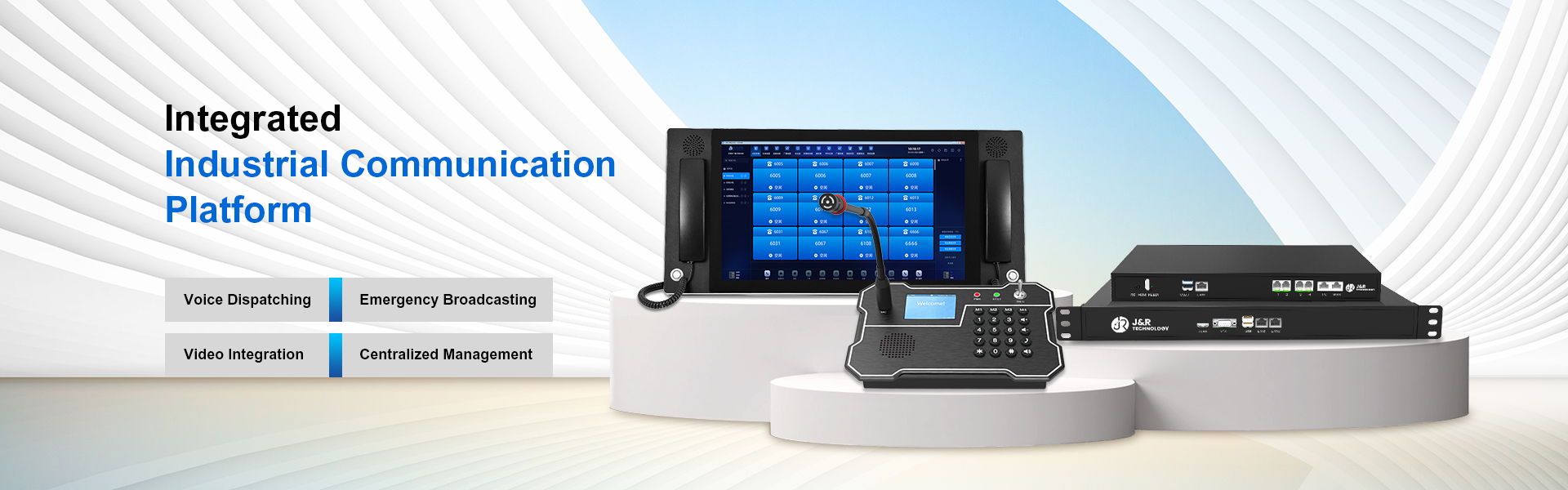
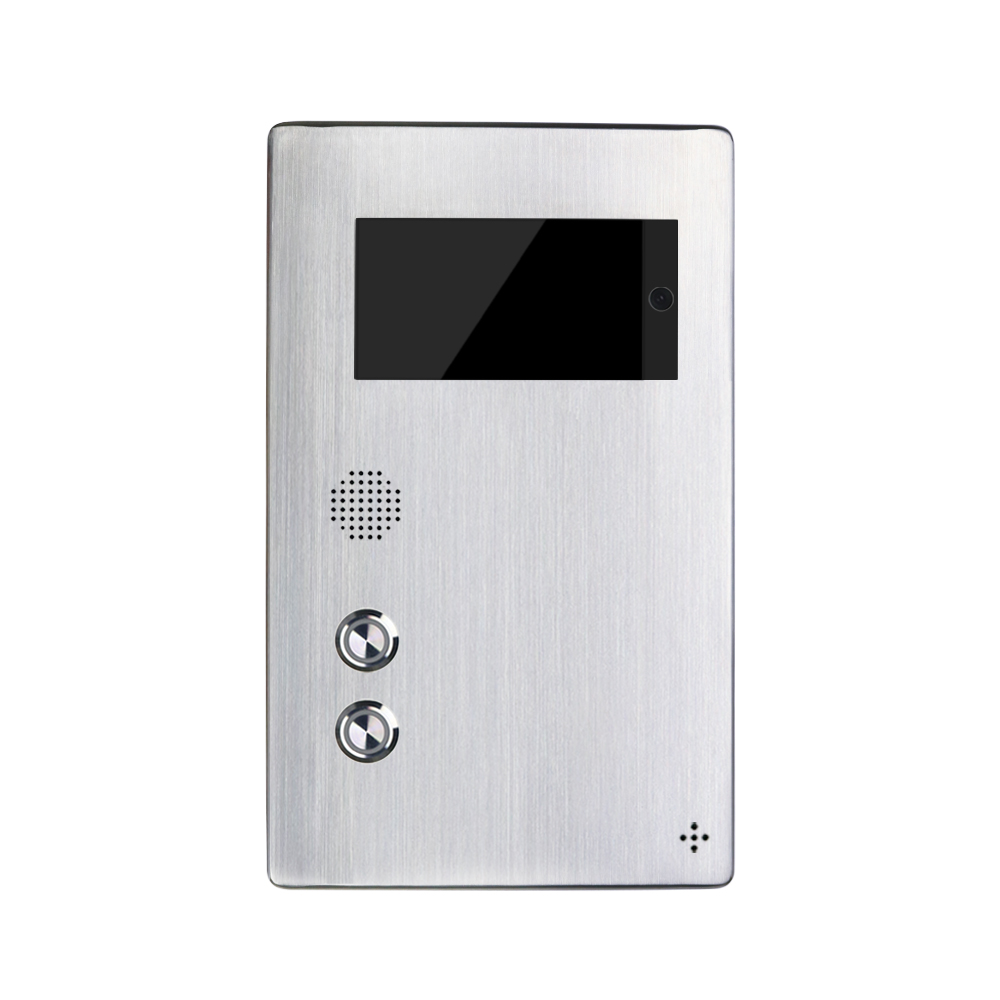
Field devices are linked to a central control room by an emergency intercom system. A worker will press the call button and a signal is relayed via the wired or wireless networks. Control room is capable of talking through inbuilt speakers and microphones.
Most systems support:
- Two-way voice communication
- Hands-free calling
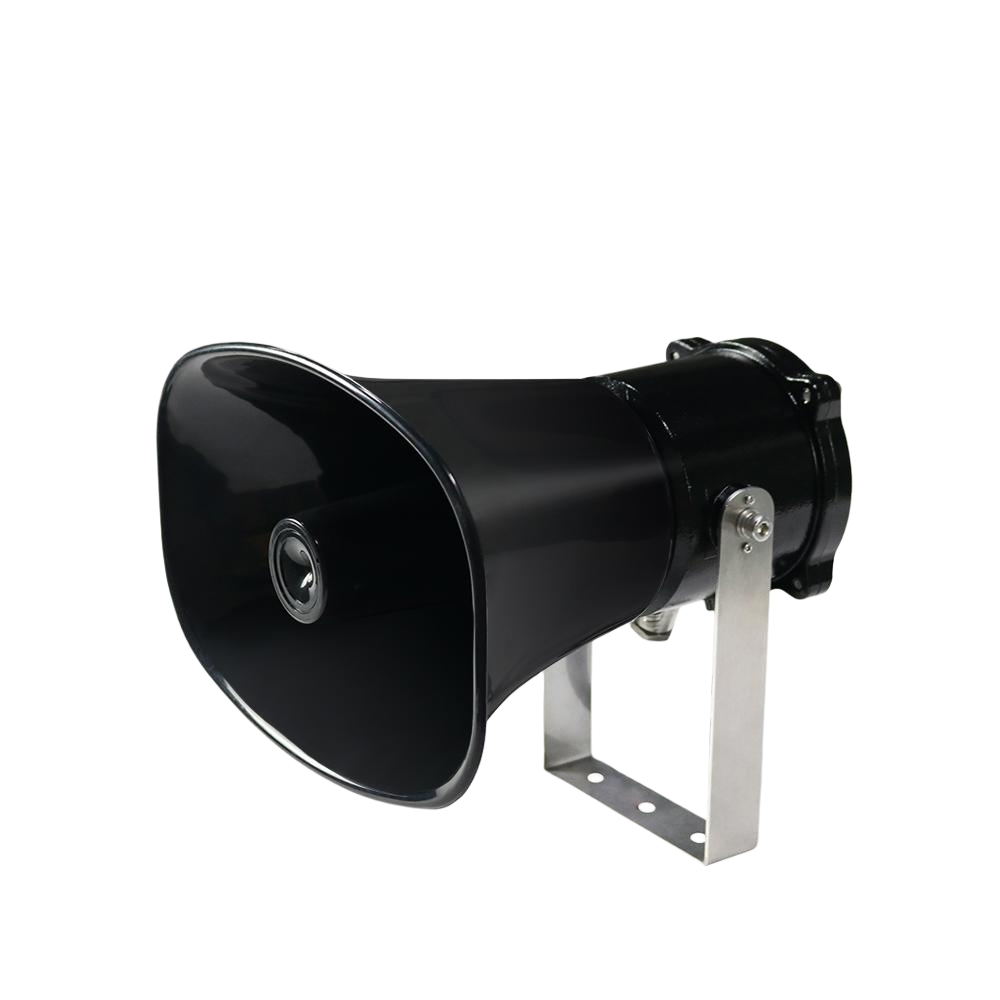
- Loud speakers for noisy areas
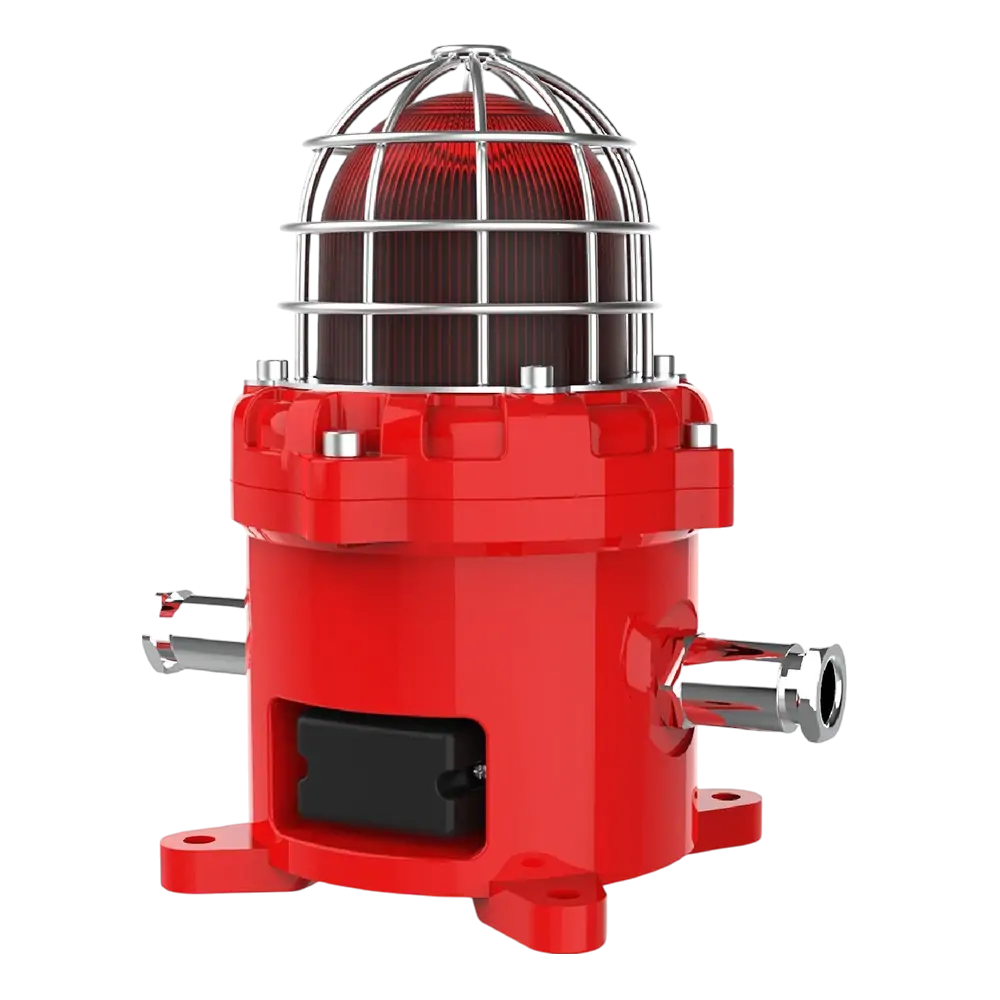
- Visual indicators like LED lights
Many industries now use solutions such as the intercom-communication-system to manage calls across large facilities. Some setups also include the advantage of VoIP industrial telephones, which allow voice calls over IP networks.
Where Emergency Intercom Systems Are Used
An emergency intercom system is common in:
- Manufacturing plants
- Oil and gas sites
- Chemical factories
- Mining areas
- Warehouses
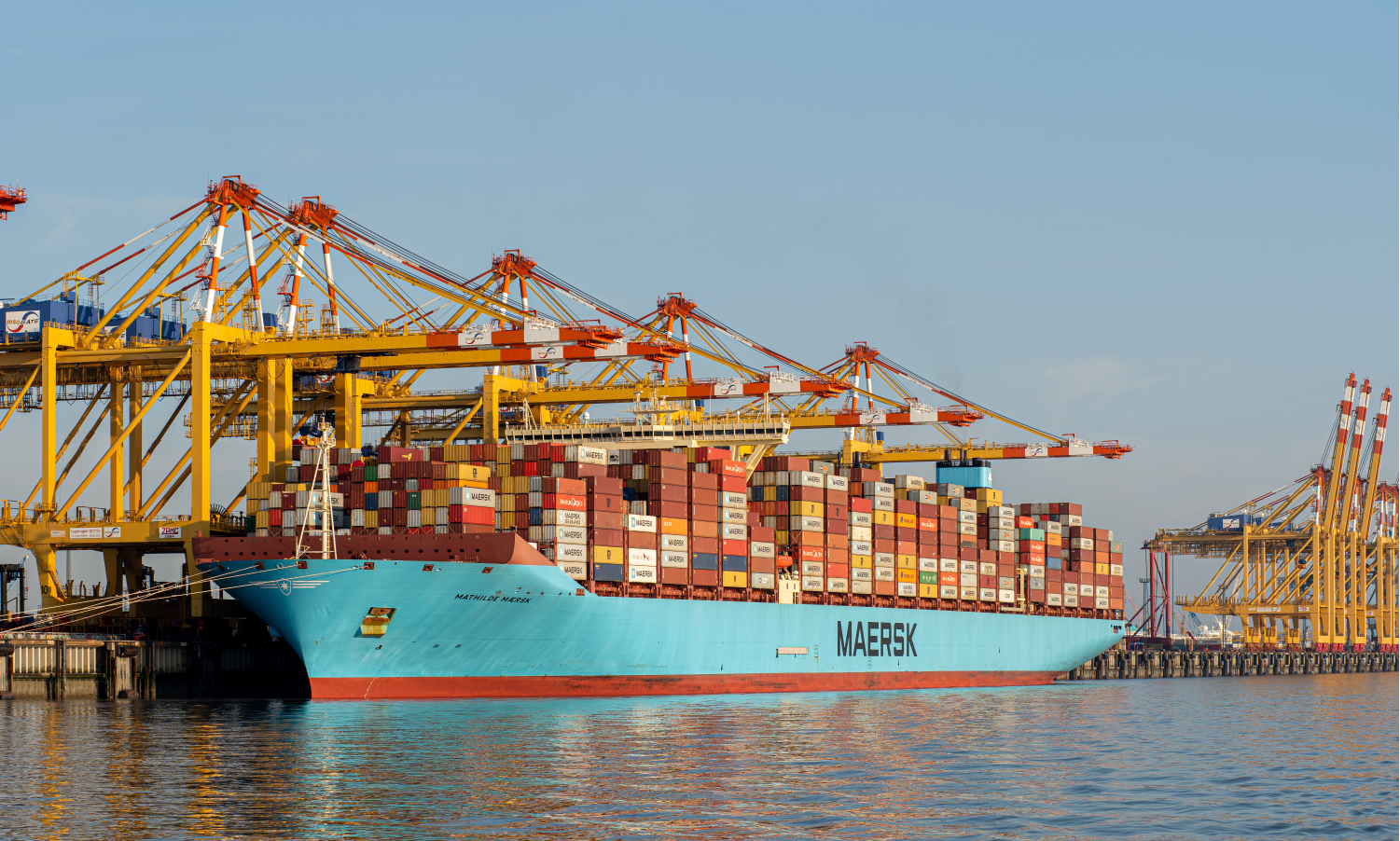
- Ports and shipping terminals
In these places, workers may not carry mobile phones. Even if they do, signal problems or battery failure can create risk. A fixed emergency intercom system ensures help is always available.
Key Features of an Emergency Intercom System
When choosing an emergency intercom system, companies should check the features carefully. Industrial safety depends on reliability.
Durability and Protection
Industrial areas can be dusty, wet, or explosive. A good emergency intercom system comes with:
- Weatherproof casing
- IP-rated protection (like IP65 or higher)
- Corrosion-resistant materials
- Explosion-proof design for hazardous zones
These features help the system work even in extreme conditions.
Loud and Clear Audio
Noise is a serious issue in factories. Machines, engines, and tools create high sound levels. A reliable emergency intercom system includes:
- High-volume speakers
- Noise-canceling microphones
- Automatic volume adjustment
Some systems combine the intercom-communication-system with the advantage of VoIP industrial telephones to improve voice clarity over long distances.
Easy Operation
In an emergency, workers may feel stress or panic. The emergency intercom system must be simple to use. Most devices include:
- One-touch SOS button
- Clear labels
- LED lights for call status
- Hands-free communication
Workers do not need training for complex steps. Press the button and speak.
Emergency Intercom System Integration with Safety Protocols
An emergency intercom system works best when connected to other safety systems. It should not stand alone. Instead, it should support fire alarms, CCTV, and emergency response plans.
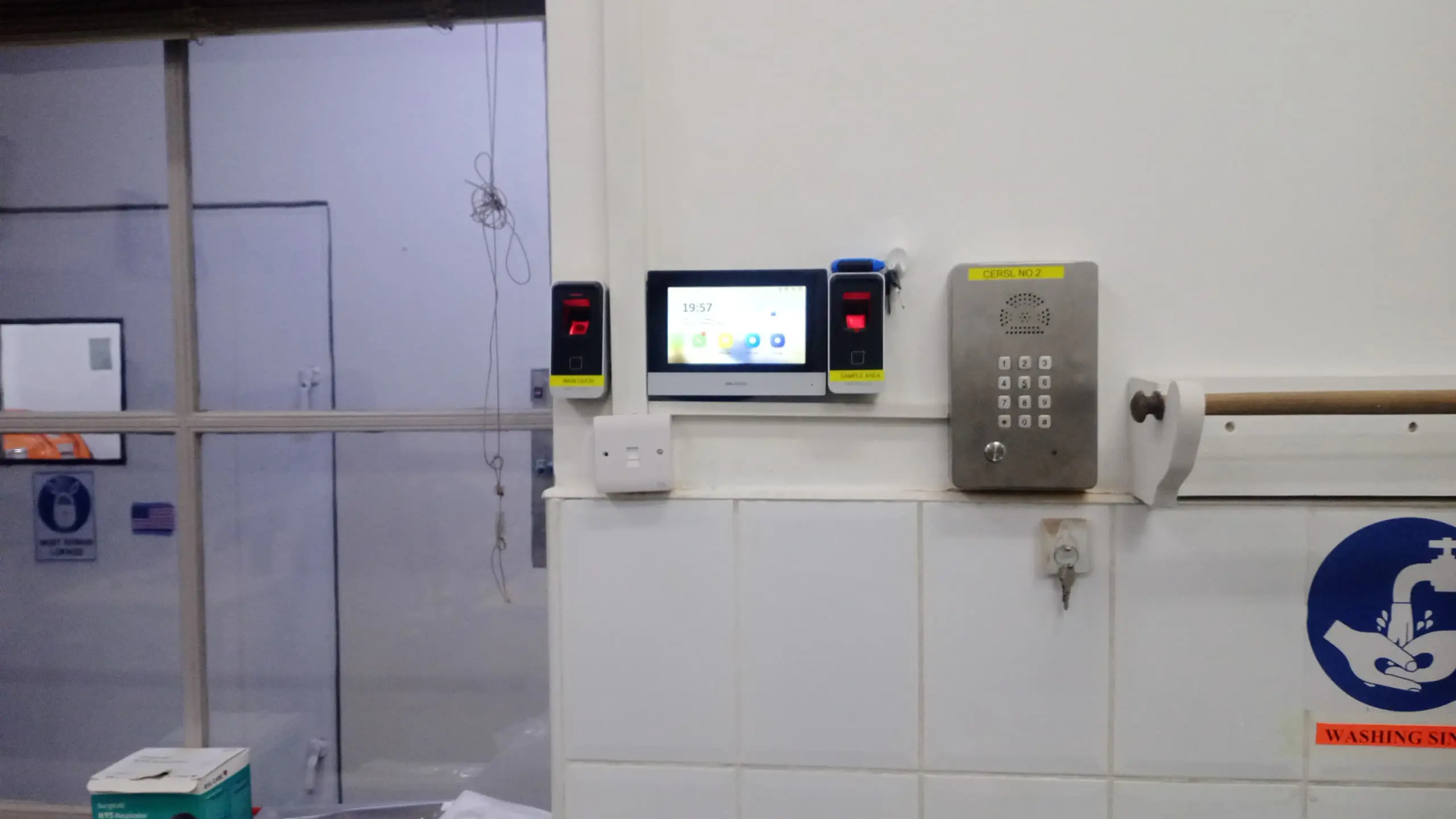
Connection with Alarm Systems
Many companies connect their emergency intercom system to fire alarms and gas detection systems. When sensors detect danger, alerts can go directly to the control room. Staff can then use the intercom to guide workers to safe exits. This setup improves response time and reduces confusion.
Support for Evacuation Plans
During evacuation, clear instructions matter. An emergency intercom system allows safety officers to give step-by-step directions. Workers hear the message through loudspeakers placed across the site. Using a intercom-communication-system, managers can speak to specific zones instead of the whole factory. This reduces panic and keeps communication organized.
Integration with VoIP Networks
The factories in the present day incorporate digital networks. The benefit of Voip industrial telephones is that they integrate voice communication using the IP system of the company. These saves wiring expenses as well as facilitating remote monitoring. Office phones, mobile applications, and security desks can be connected in an emergency intercom with VoIP support.
Emergency Intercom System Case Studies
Emergency Intercom System Case Studies demonstrate how businesses can enhance safety of workers with help of the effective communication systems. Actual cases of factories, oil fields and warehouses have confirmed that an emergency intercom system can be used to cut down emergency responsiveness period, enhance communication and facilitate quicker decision making during emergencies and crises.
Oil Refinery Installation
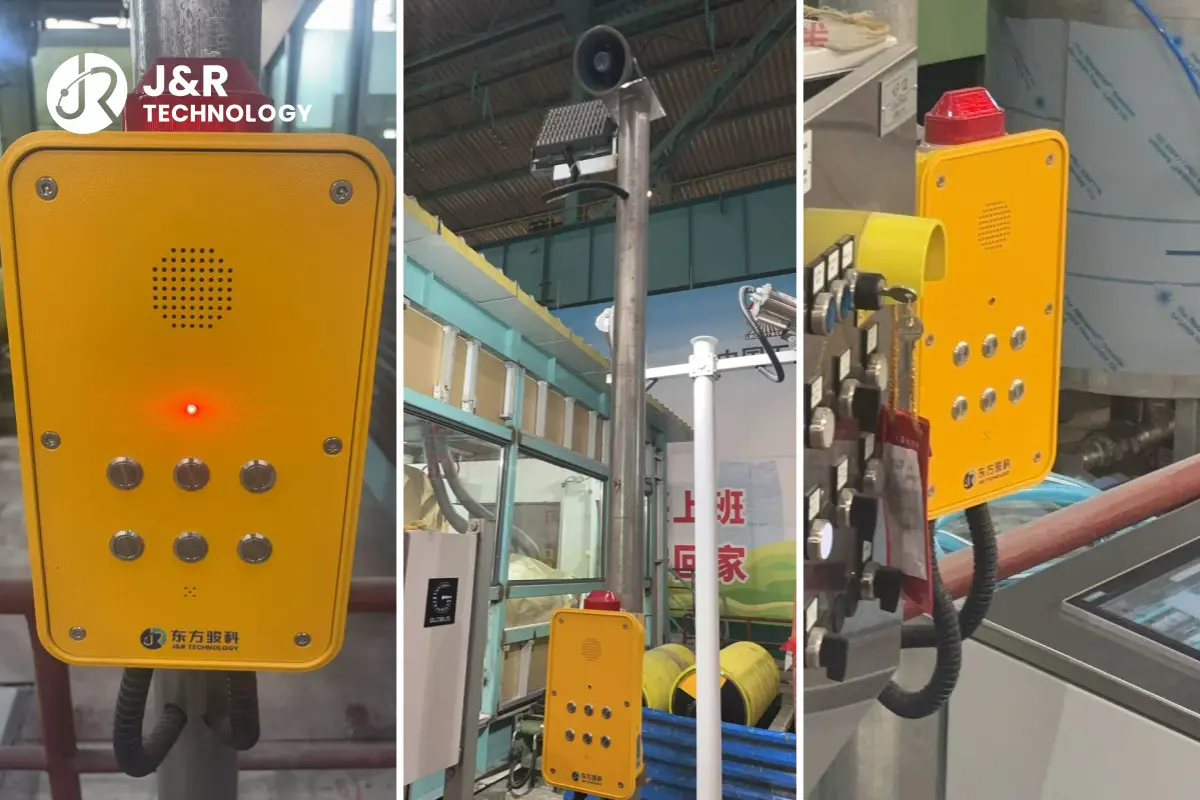
In one project shared by JR Technology, a wireless emergency call solution was installed at an industrial site. Workers needed a fast way to contact the control room across wide outdoor areas. The emergency intercom system allowed instant voice contact without depending on mobile networks. The system reduced response time during incidents and improved worker confidence.
Mining Site Communication
Mining areas often face underground communication problems. Installing a strong emergency intercom system connected to a intercom-communication-system helped miners report hazards quickly. Control rooms could send instructions without delay.
Chemical Plant Safety Upgrade
A chemical factory upgraded its old analog phones to a modern emergency intercom system with the advantage of voip industrial telephones. The new system supported both wired and wireless communication. During safety drills, the team confirmed faster coordination and better audio quality.
Emergency Intercom System ROI and Long-Term Benefits
Some managers see safety systems as a cost. But an emergency intercom system provides clear return on investment.
Reduced Downtime
When accidents happen, slow communication increases damage. A working emergency intercom system allows quick reporting. Maintenance teams respond faster. This reduces production stoppage.
Lower Legal Risk
Legal claims can be caused by industrial accidents. An adequate emergency intercom system indicates that the company observes safety. Audits assist in clear communication records.
Improved Worker Confidence
During emergencies, employees will feel more secure knowing that they have one button to press. Emergency intercom system creates a trust between the employees and the management.
Cost Savings Over Time
With the VoIP industrial telephones advantage, the cost of the traditional wiring is lowered. The implementation of the intercom-communication-system in different locations reduces the necessity of using different communication devices.
Is an Emergency Intercom System Really Essential?
Yes. In industrial environments, communication is not optional. It is a core part of safety planning. An emergency intercom system ensures:
- Immediate contact during accidents
- Clear instructions during evacuation
- Support for remote and outdoor areas
- Reliable voice communication in high-noise zones
Lack of an emergency intercom system makes companies rely on either mobile phones or manual reporting. That increases risk. Numerous industrial safety regulations in the majority of countries demand the good working emergency communication devices. Firms investing in a powerful emergency intercom system secure workers, as well as business.
Final Thoughts
An emergency intercom system is not any other device in the wall. It is a close connection between employees and assistance. At the factory, the oil plant, the warehouse and the mines, seconds count. Fast and clear communication is able to avoid severe injuries and decrease losses. A combination of a intercom-communication-system and the benefit of VoIP industrial telephones enable companies to develop a comprehensive safety communication system. The system also gets integrated into the day-to-day operations not just in case of an emergency but also when there is a need to coordinate the day-to-day activities. In case the industrial safety is a concern, the installation of a sound emergency intercom system is a viable and a conscientious move. 

 Prisons & Correctional Facilities
 Transportation & Underground Infrastructure
 Critical Industrial & Energy Facilities
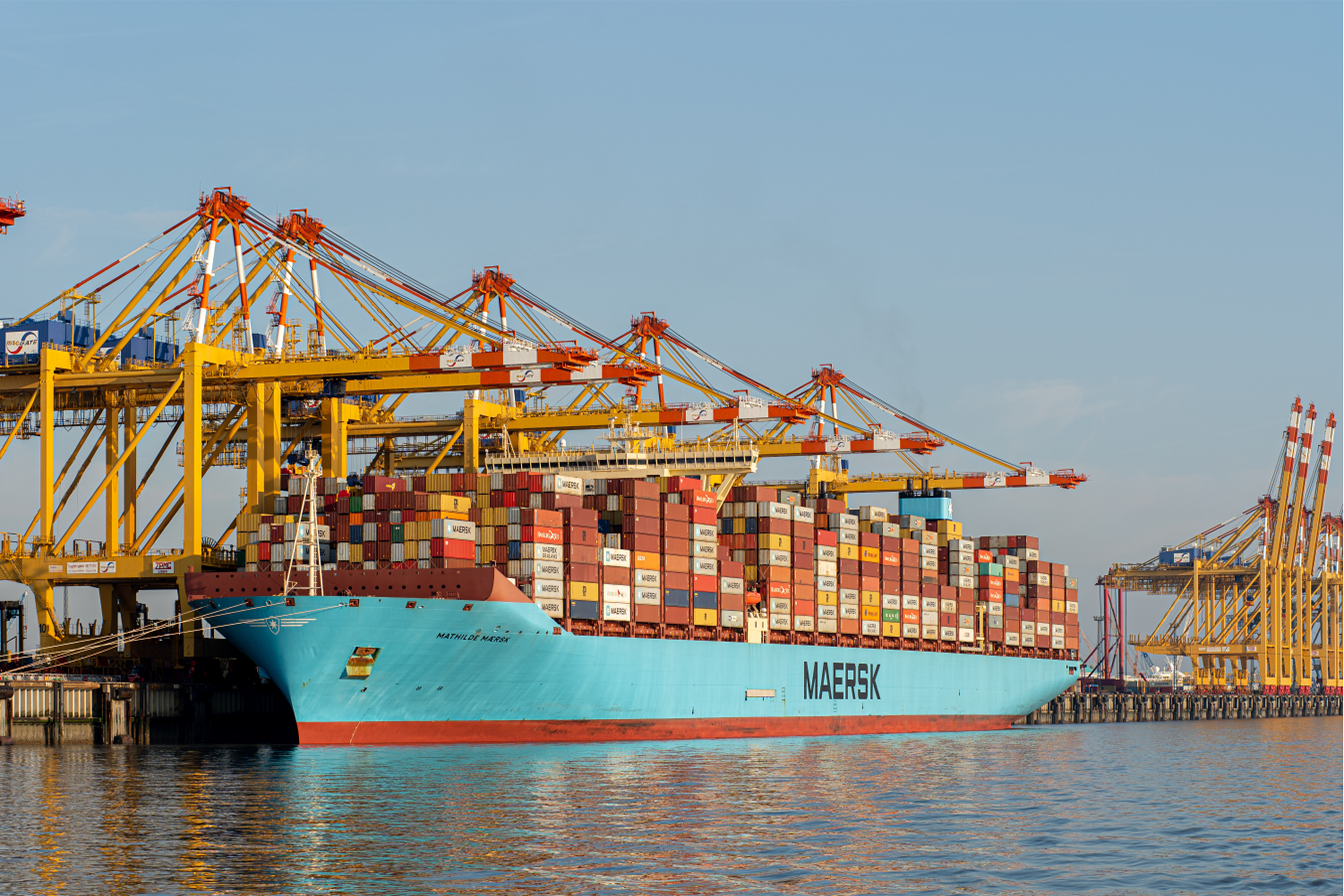 Marine & Offshore
 Manufacturing Plant & Public Facilities