Railway networks are evolving rapidly to meet rising demands for safety, speed, and efficiency. At the heart of this transformation lies railway communications, the critical systems enabling real-time voice and data exchange between trains, control centers, and infrastructure. Without reliable communication, even the most advanced signaling or automation technology cannot function effectively.
However, the environments in which these systems operate—open tracks, tunnels, coastal zones, and high-altitude regions—are often harsh. Equipment is exposed to moisture, dust, vibration, and extreme temperatures. In such conditions, standard telephony or networking hardware may fail, compromising the safety of workers and passengers.
To address these challenges, railway operators increasingly deploy waterproof telephone pillars combined with rugged SIP telephones. These installations form a resilient communication backbone across the network, ensuring consistent operation under the toughest conditions. This article explores why railway communication systems require rugged solutions, the key features of waterproof telephone pillars, and their real-world applications in critical railway environments.
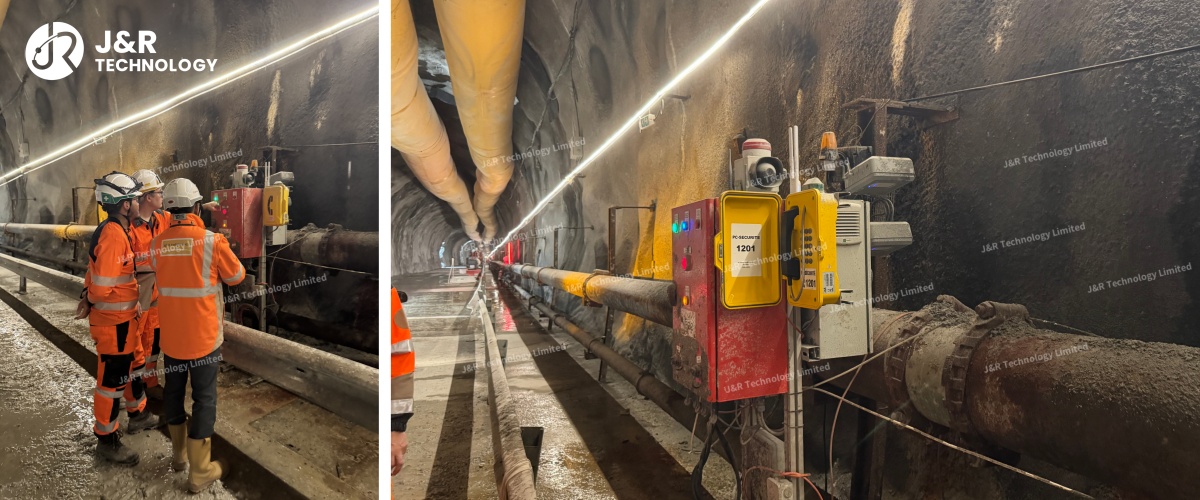
The Lyon–Turin high-speed rail project, which will become the world's longest railway tunnel once completed, telephone model: JR101-FK-L
Why Railway Communication Systems Need Rugged Solutions
Railway communications are the backbone of modern train operations. They ensure seamless voice and data exchange between drivers, control centers, and trackside personnel. Reliable communication supports train signaling, traffic management, and emergency coordination, ultimately safeguarding passengers and cargo. As networks evolve from GSM-R to next-generation FRMCS, digitalization and automation demand even higher reliability.
Harsh outdoor environments—exposure to rain, dust, vibration, and temperature extremes—can jeopardize conventional communication equipment. That is why rugged systems specifically designed for railway applications are critical. Waterproof telephone pillars form a key element in this ecosystem, providing a secure platform for industrial-grade telephones and ensuring uninterrupted service under all conditions.
Core Features of Waterproof Telephone Pillars
Waterproof telephone pillars act as protective, stable mounts for industrial telephones such as the JR101-FK SIP model. These pillars are fabricated from corrosion-resistant materials like galvanized steel or stainless steel, often with UV-resistant coatings to withstand decades of outdoor use. Combined with IP-rated enclosures, they protect wiring, power feeds, and SIP connectivity from moisture ingress.
When paired with our JR101-FK waterproof telephone, the pillars offer:
-
Resilient Power Options: PoE (802.3af) or 12V DC supply for flexibility along remote trackside locations.
-
High Audio Clarity: G.711 A/U, G.722, G.729 voice coders with full duplex operation and echo cancellation for clear communication, even in noisy environments.
-
High Volume Ringing: 90–95 dB(A) @ 1 m ensures calls are heard near moving trains.
-
Server Redundancy & Remote Control: Automatic switching between primary and backup servers, two relays for external device control, and remote Telnet debugging for maintenance efficiency.
These features make the combined telephone-and-pillar installation ideal for mission-critical railway communication points.
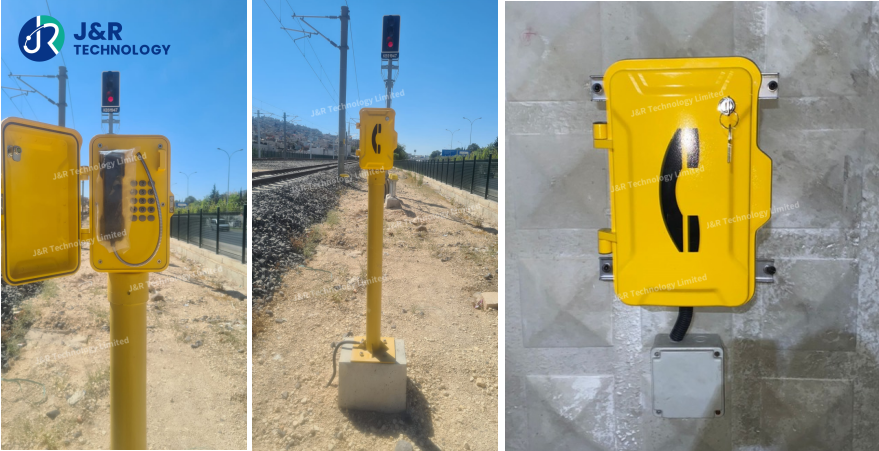
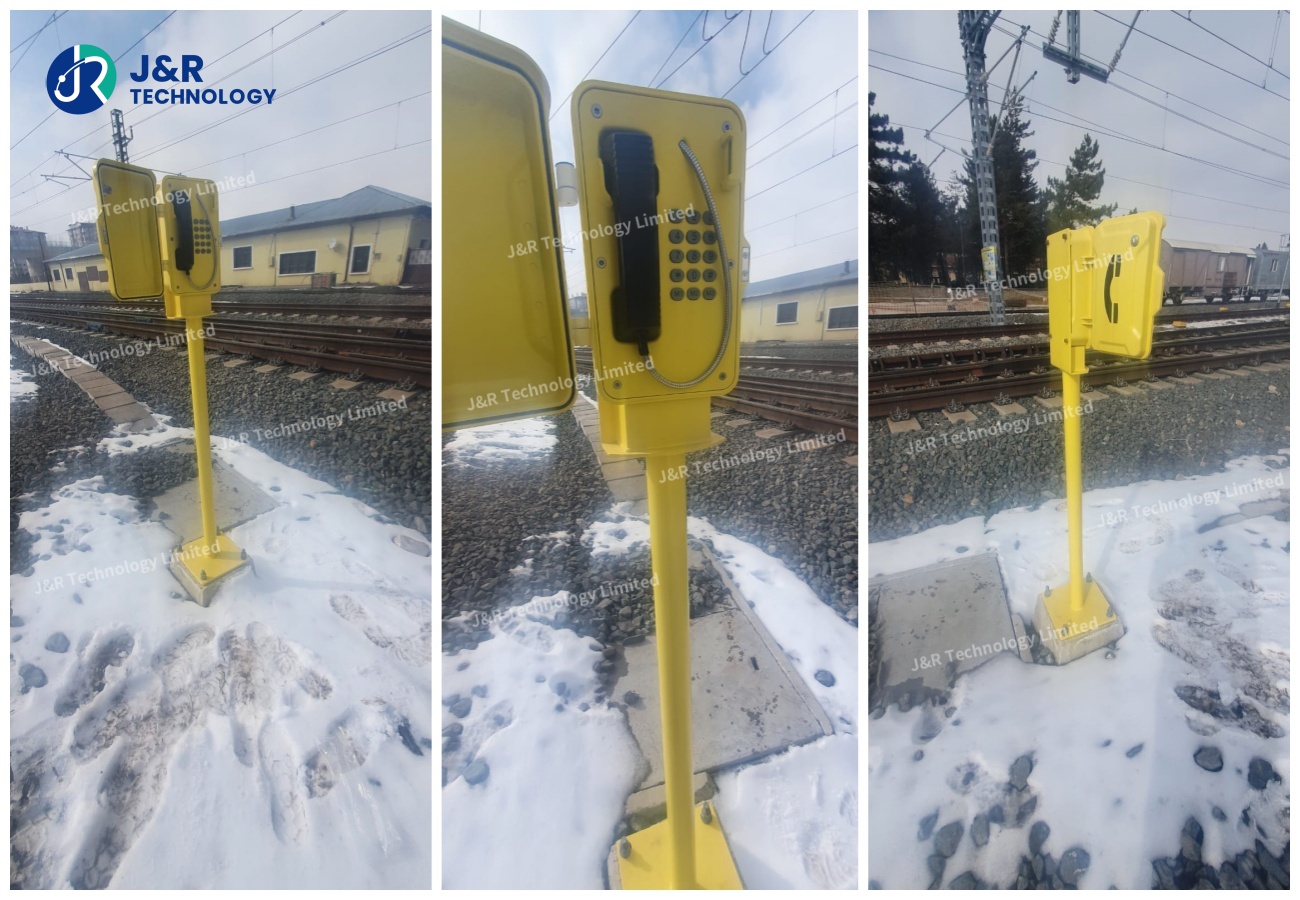
Turkey TCDD Gaziray,Torbalı-Tire-Ödemiş,Çerkezköy Halkalı, telephone model JR101-FK, telephone pillars JR-TP-02
Field Applications: Trackside, Tunnels, and Emergency Zones
Waterproof telephone pillars are deployed at multiple points across the railway network. Typical applications include:
-
Trackside Installations: Along open lines to allow maintenance crews and signal operators to communicate instantly with control centers.
-
Tunnel Communication Systems: In underground sections where GSM-R or FRMCS signals may weaken, pillars with rugged phones provide hardwired emergency access.
-
Emergency Zones and Crossings: At level crossings, stations, or evacuation areas to ensure passengers and staff can reach help quickly.
Photographs from recent installations in Turkey illustrate how JR101-FK waterproof telephones mounted on our custom pillars perform reliably in coastal and high-altitude conditions alike.
Connectivity with Rail Operation and Safety Systems
Beyond basic voice calls, waterproof telephone pillars support integration with broader railway operation systems. The JR101-FK SIP phone’s compatibility with most SIP-based IP-PBX servers (RFC 3261 compliant) ensures easy connection to existing dispatch and safety networks.
Key benefits include:
-
Hotline and Automatic Dialing: Preprogrammed emergency numbers dial automatically after pick-up, minimizing response time.
-
External Loudspeaker Support: PoE-powered loudspeakers for public address or alarm integration without separate power supply.
-
Data Protocol Compliance: IPv4, TCP/UDP, RTP/SRTP, ONVIF, SNMPv1, and VLAN configuration for secure, segmented network traffic.
By integrating with control centers, these systems enhance train control, maintenance coordination, and passenger safety—key goals of modern CBTC and FRMCS-based rail networks.

Ring Railway, JR Weatherproof Telephone model JR101-FK
Standards, Maintenance, and Environmental Adaptability
Our waterproof telephone pillars and JR101-FK phones are engineered for long-term service:
-
Environmental Ratings: Operating temperature −40 °C to +65 °C, storage to +75 °C, and M.T.B.F. exceeding 50,000 hours.
-
Compliance and Security: Support for SIP authentication, HTTPS, and QoS prioritization helps protect critical railway communication channels.
-
Simple Web Management: Configuration, firmware updates, and self-diagnostic testing available through any browser.
-
Flexible Networking: Static IP or DHCP support, VLAN tagging, and bridge mode for efficient deployment.
These attributes minimize maintenance visits, a crucial factor for remote trackside or tunnel locations. With proper inspection schedules, railway operators can ensure decades of reliable operation and predictable lifecycle costs.
Conclusion
As railway communications transition to more advanced digital platforms, the physical infrastructure must keep pace. Waterproof telephone pillars paired with rugged SIP telephones like the JR101-FK deliver reliable connectivity in even the most demanding environments. From trackside safety points to tunnel communication systems, these installations protect workers and passengers alike while supporting real-time data exchange essential to modern rail operations.
By investing in robust, standards-compliant equipment, rail operators can future-proof their communication systems, enhance safety, and reduce downtime—key advantages in a competitive and safety-critical industry.
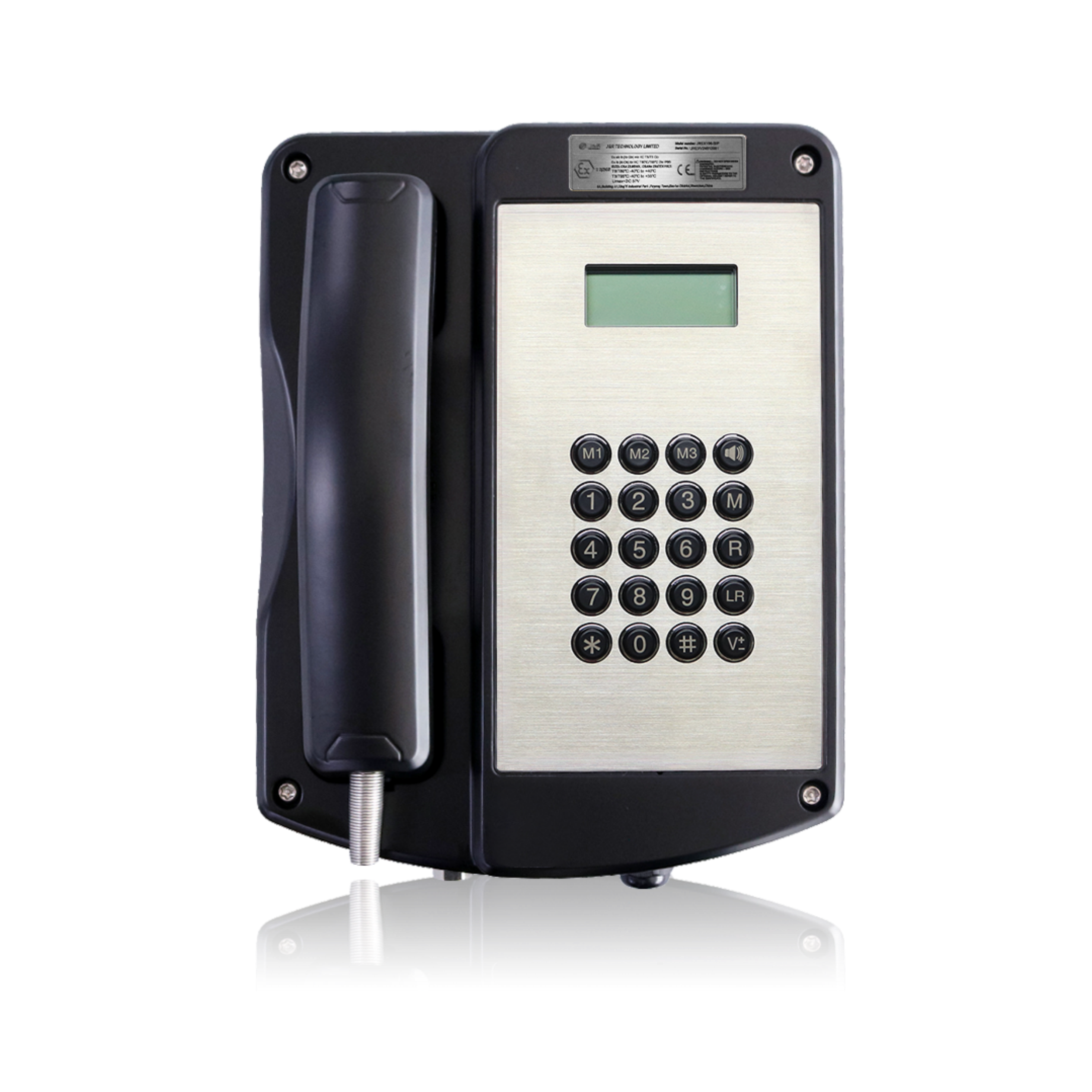
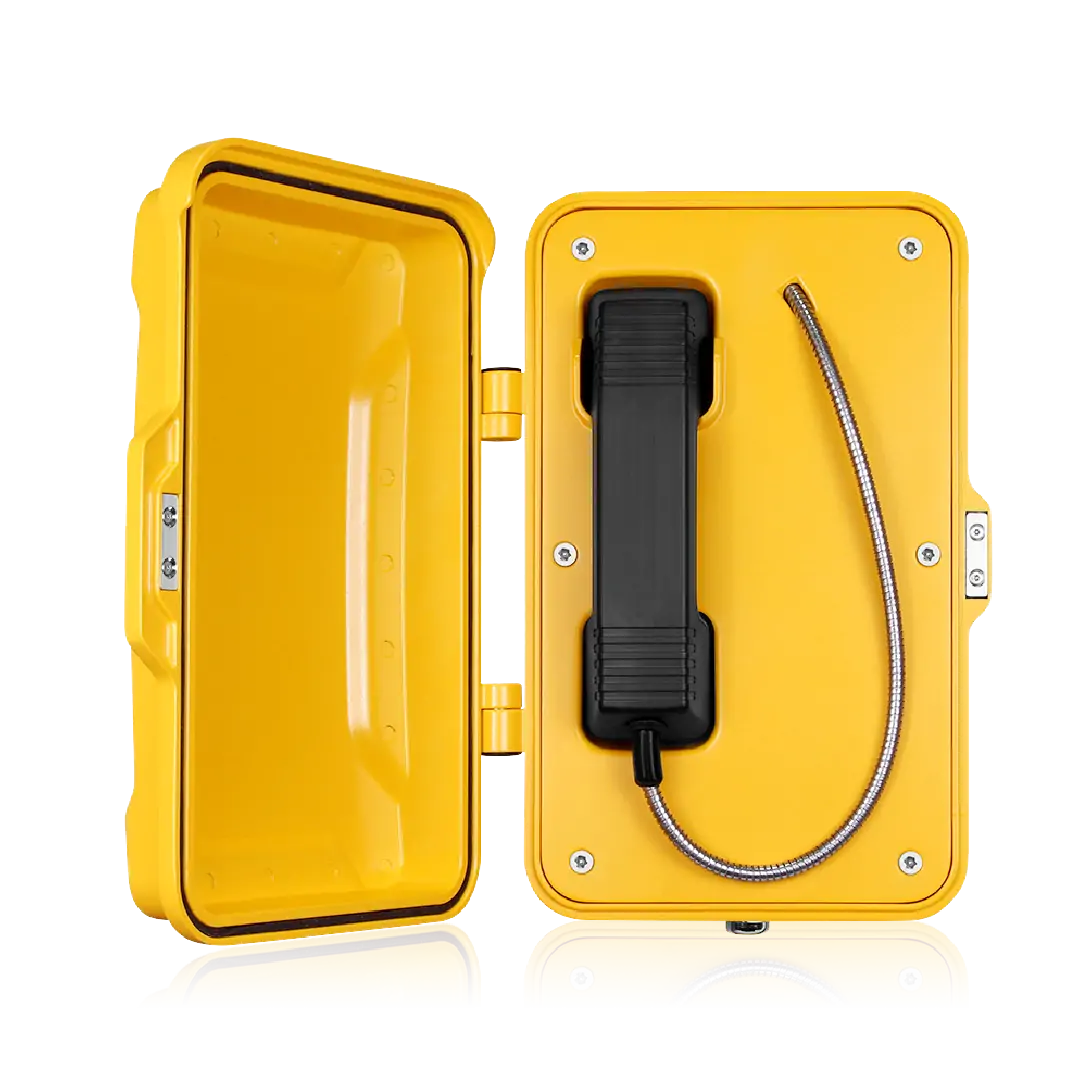
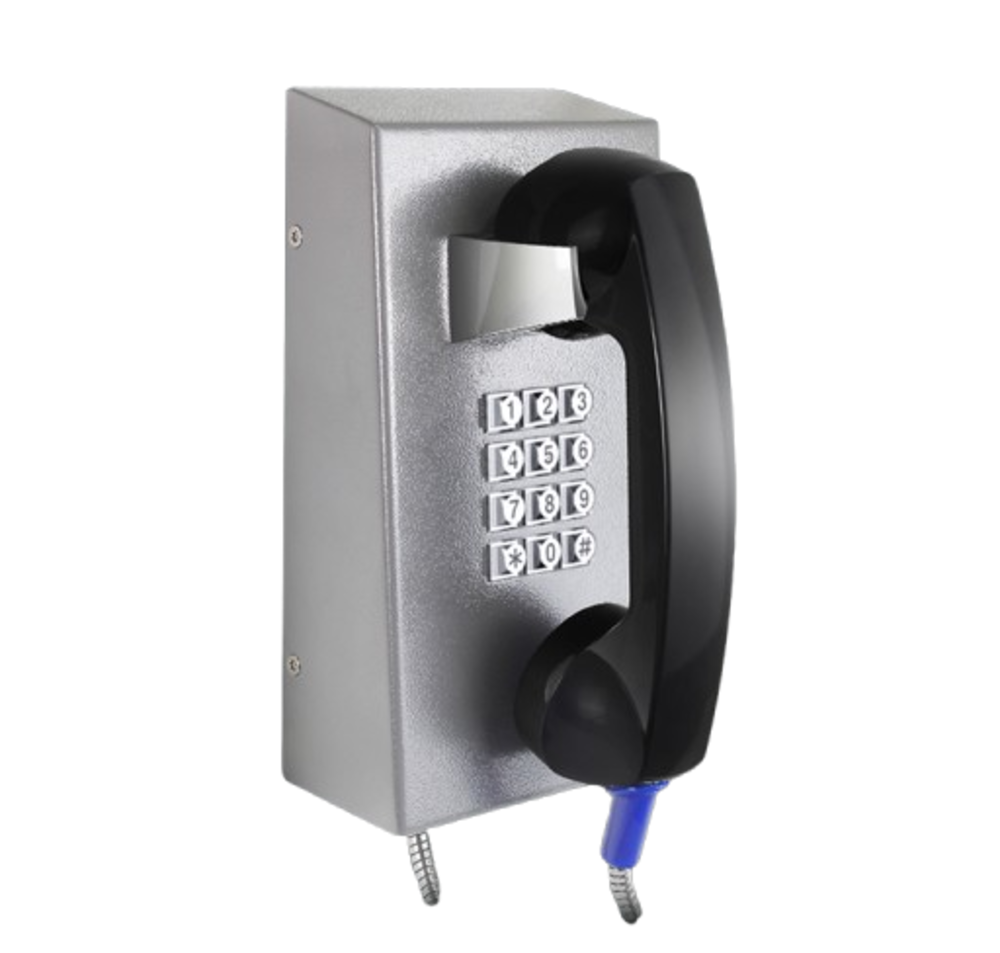
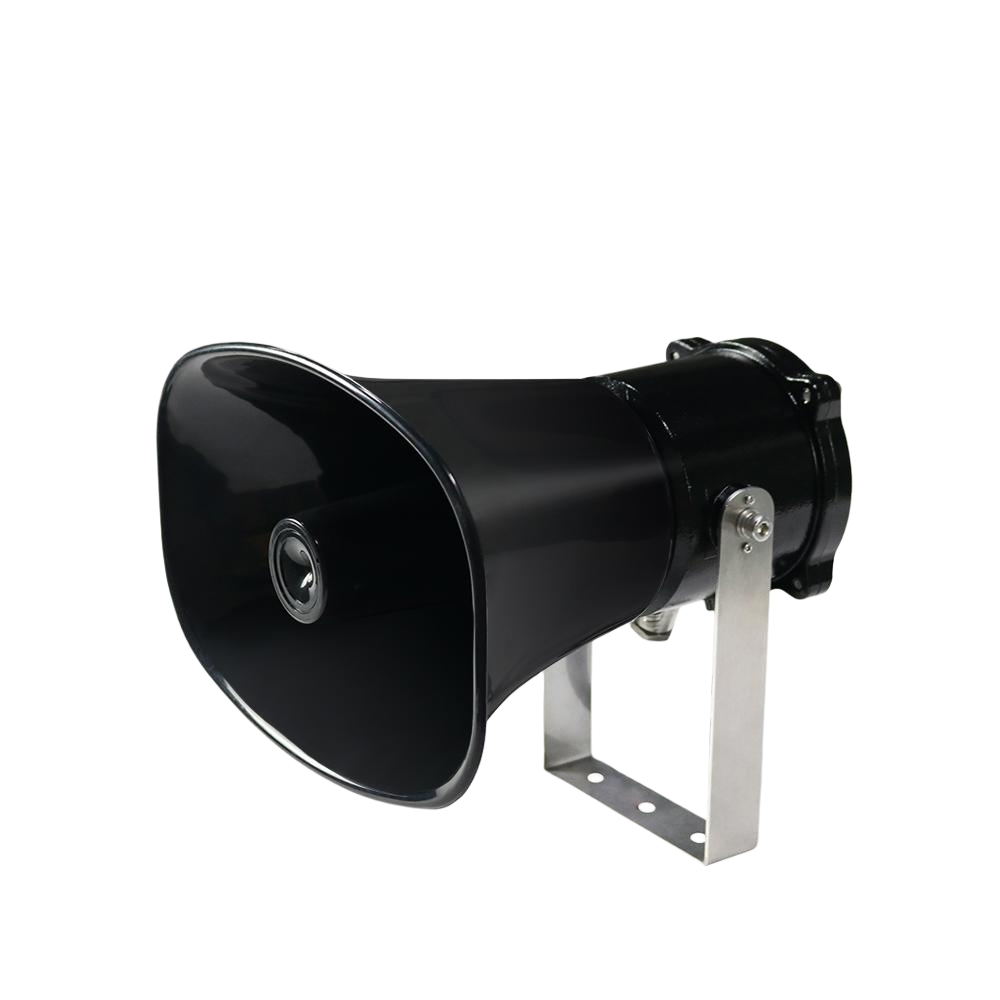
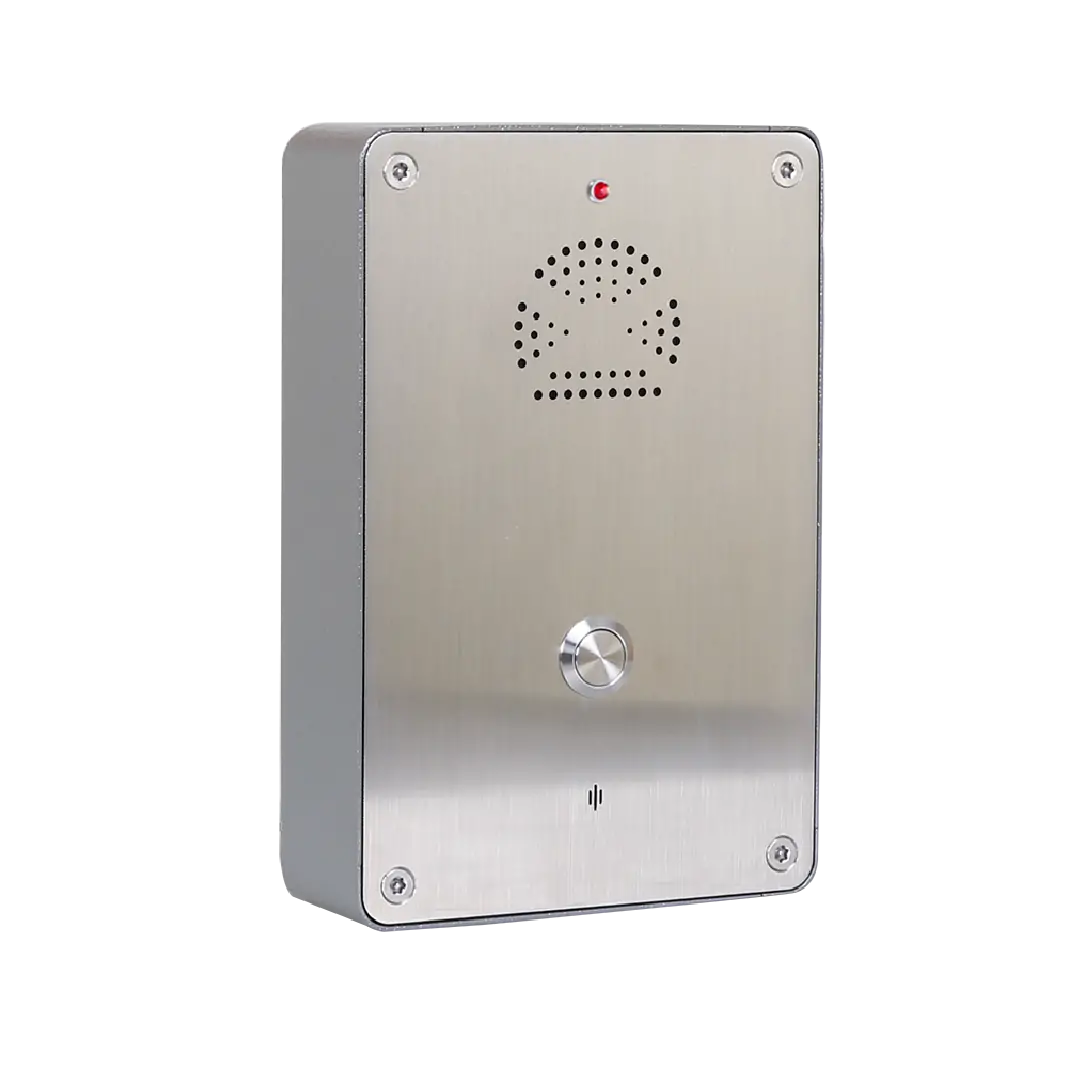




 Prisons & Correctional Facilities
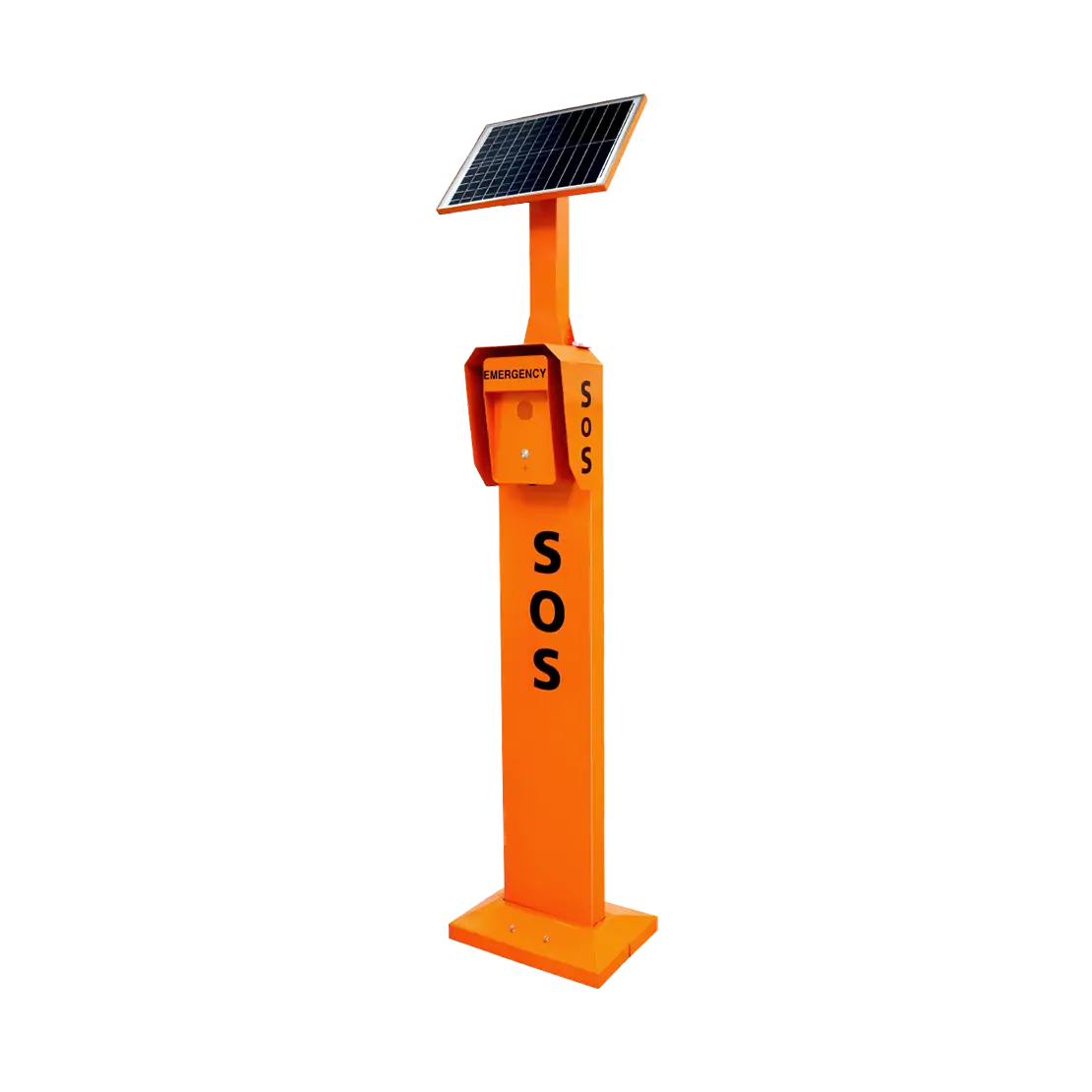
 Transportation & Underground Infrastructure
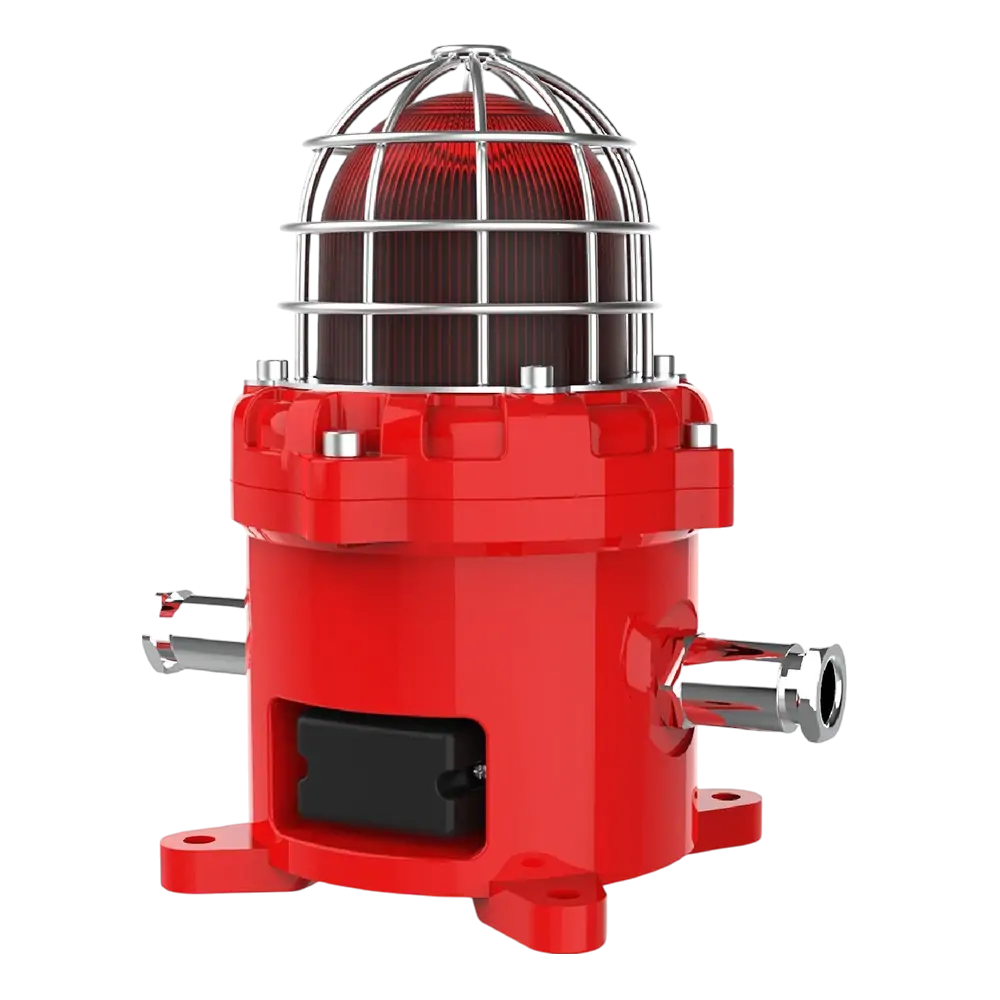
 Critical Industrial & Energy Facilities
 Marine & Offshore
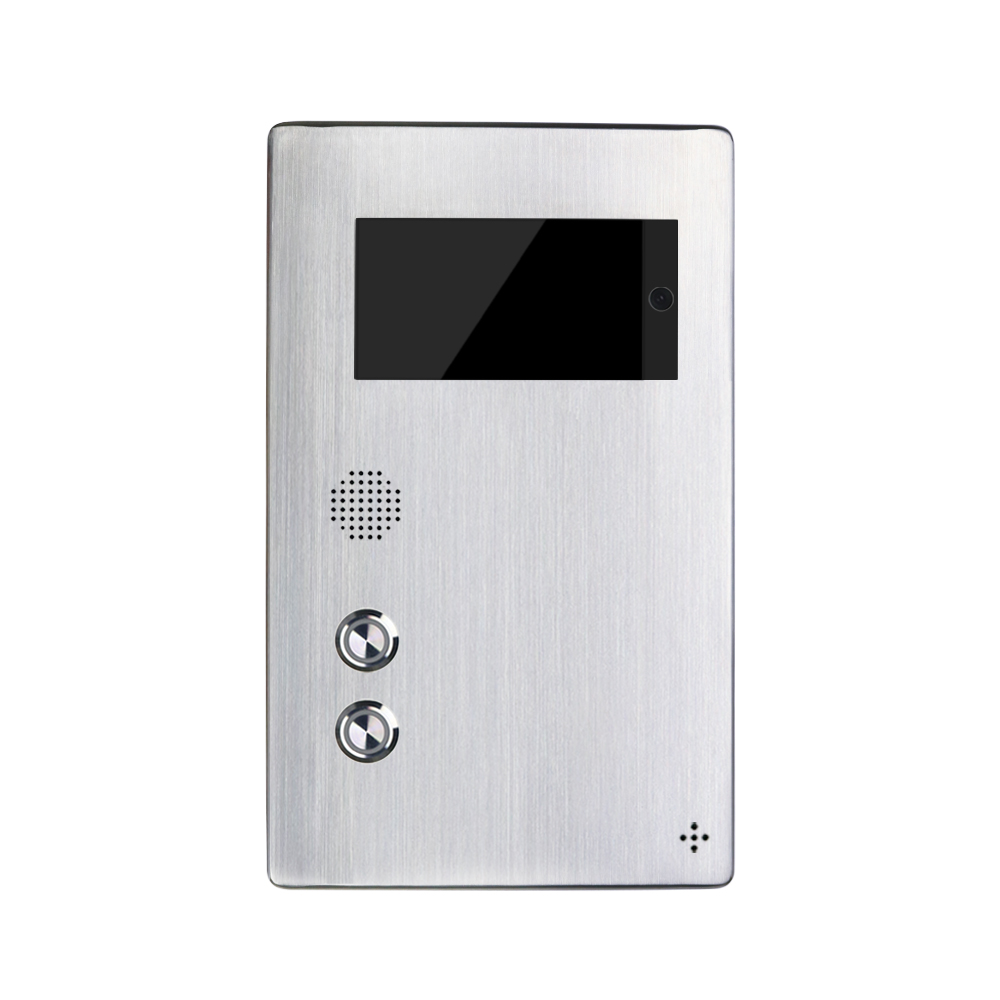
 Manufacturing Plant & Public Facilities