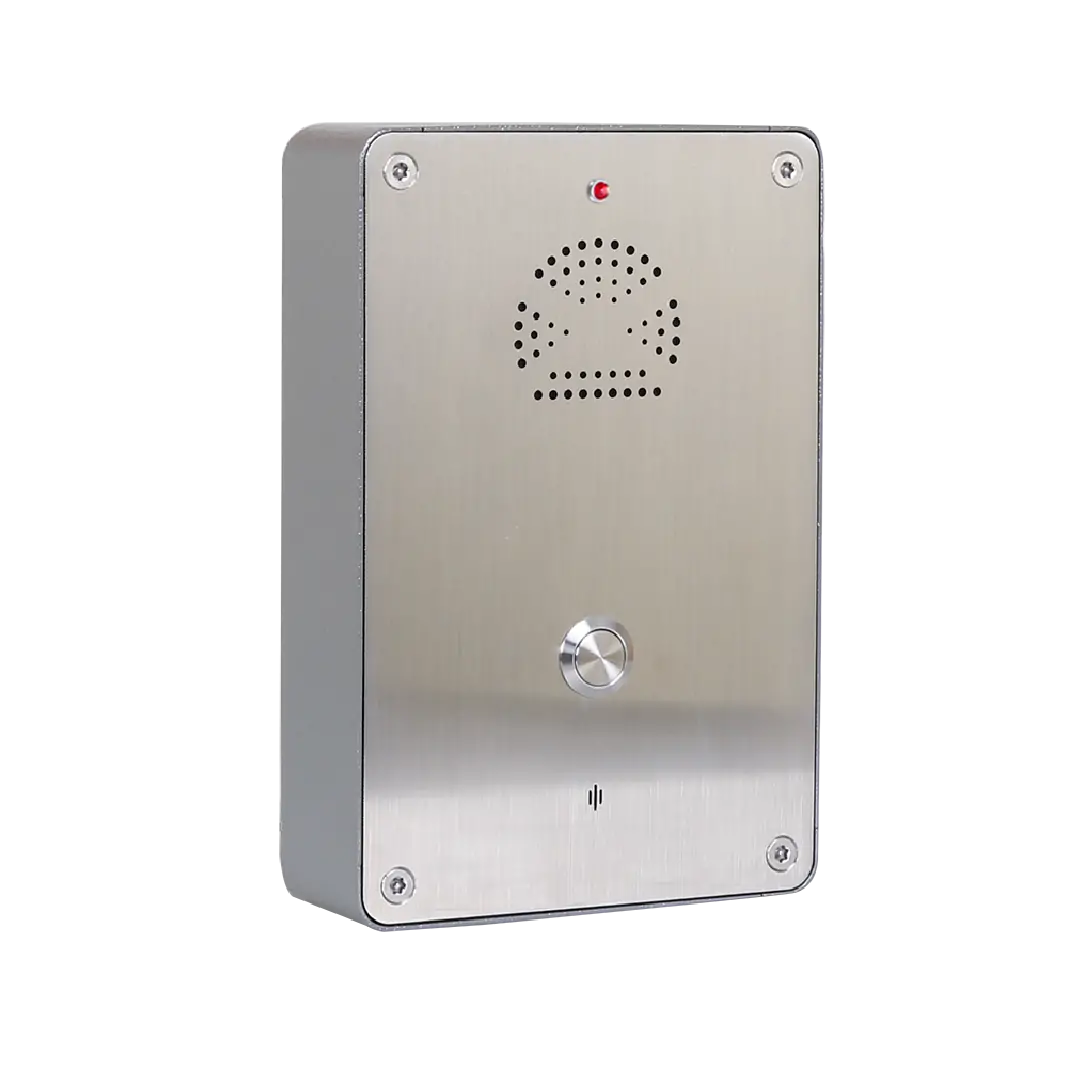
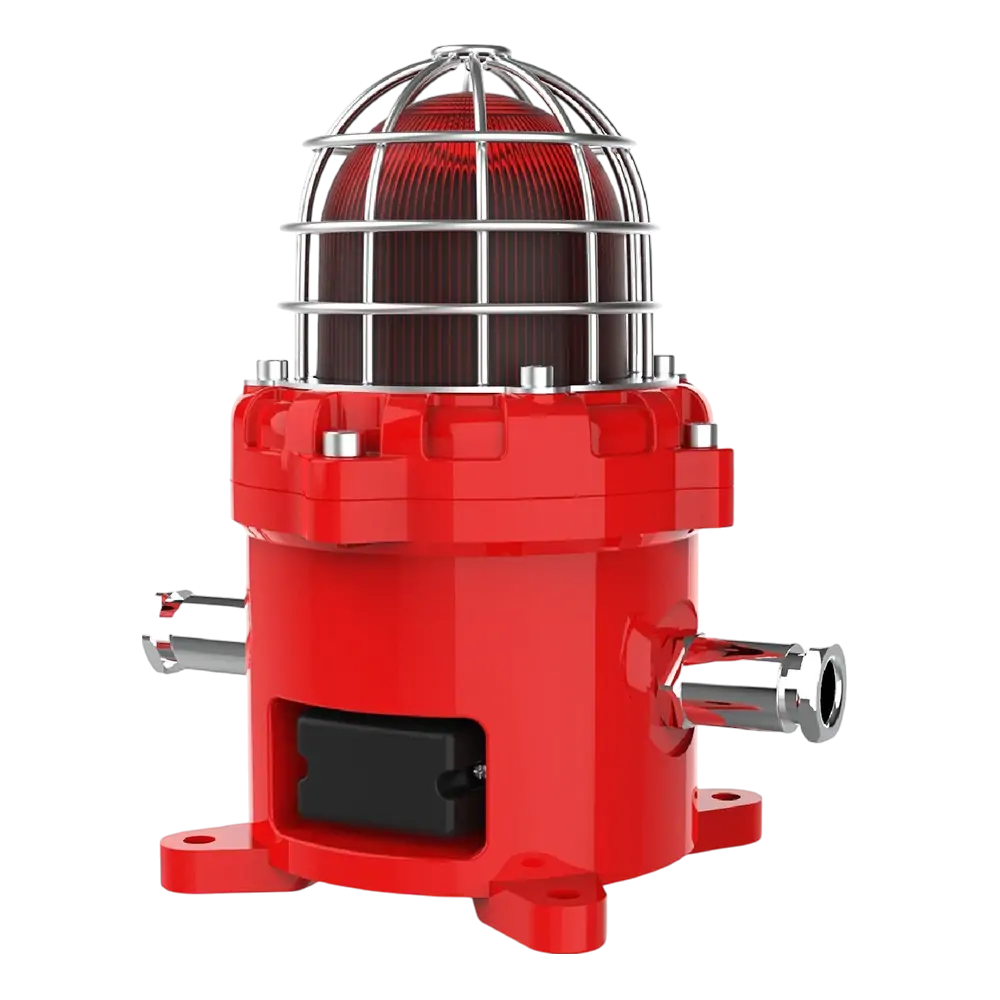
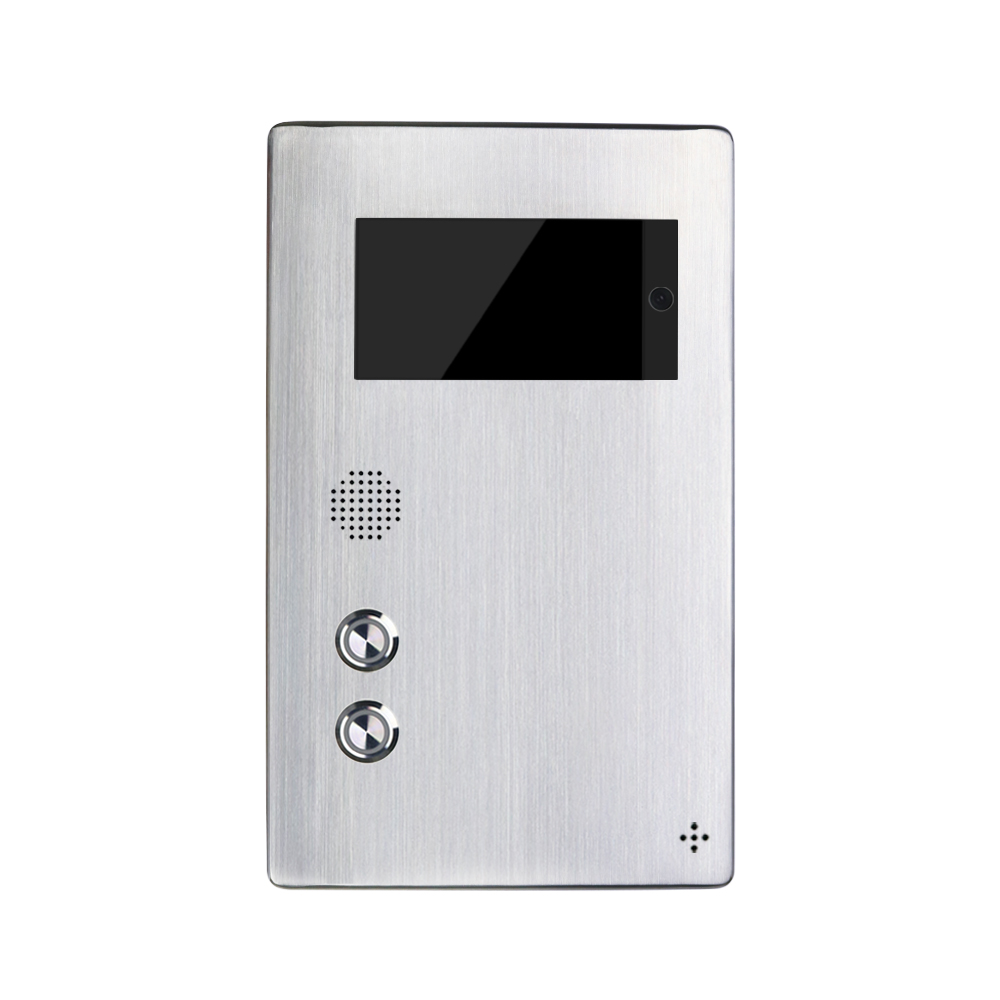
In high-risk industries ranging from energy and healthcare to emergency response, critical communication systems serve as the invisible backbone of safety and efficiency. These real-time networks enable instant, secure information transmission that can mean the difference between disaster and mitigation. Yet many organizations still overlook their strategic value, treating them as mere operational tools rather than mission-critical investments. This article explores how modern critical communication systems—integrated with instant alert tech and rugged devices like phones that survive mines—address industry-specific challenges, meet global compliance standards, and deliver measurable ROI. Discover why these systems are no longer optional but essential for navigating today’s complex risk landscape.
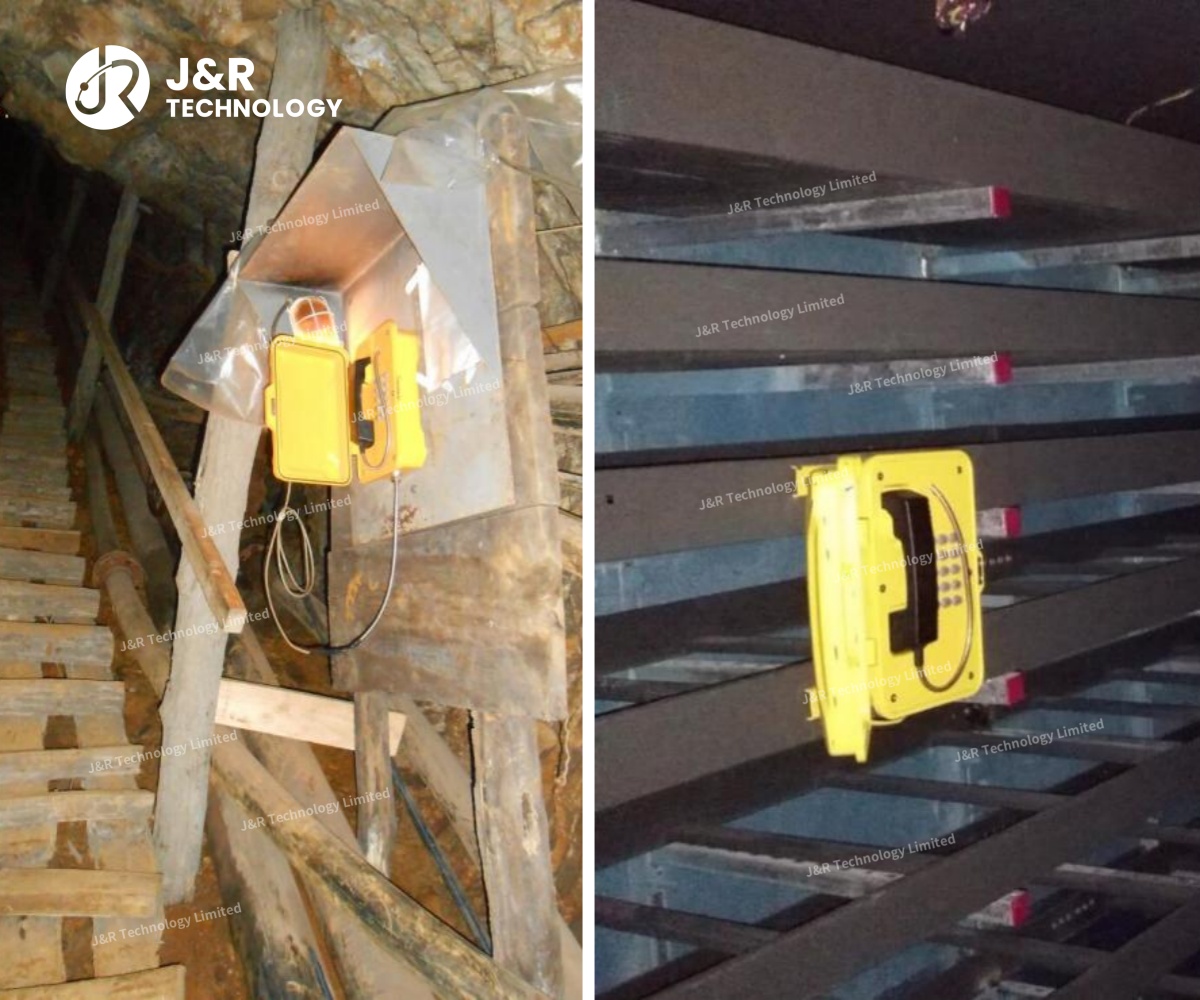
In an era where unplanned downtime, safety incidents, and regulatory scrutiny pose existential threats to businesses, critical communication systems remain one of the most undervalued assets across high-risk sectors. While organizations invest heavily in cybersecurity and operational technology, the infrastructure that enables seamless, real-time collaboration during crises often takes a backseat. This oversight is costly: according to industry data, enterprises without robust communication systems face 30% longer response times to emergencies and 40% higher compliance violation risks. As critical infrastructure becomes increasingly interconnected and global regulations tighten, it’s time to reevaluate the role of these systems as strategic enablers of safety, efficiency, and resilience.
Defining Critical Communication
A critical communication system (CCS) is a specialized network designed to deliver reliable, secure, and real-time information exchange in scenarios where delays or failures have severe consequences—including loss of life, environmental damage, or operational collapse. Unlike consumer-grade communication tools, CCS prioritizes three non-negotiable pillars:
interoperability (seamless collaboration across departments, agencies, and devices),
continuity (operation during power outages or infrastructure damage), and
priority handling (ensuring emergency messages override non-essential communications) . These systems encompass both hardware (rugged devices, repeaters, satellite terminals) and software (dispatch platforms, encryption protocols, integration tools) tailored to high-stakes environments. From emergency services relying on PPDR (Public Protection and Disaster Relief) networks to manufacturing plants needing 防爆 (explosion-proof) communication, CCS adapts to industry-specific risks while maintaining universal reliability.
Core Components
Modern critical communication systems integrate five foundational components to ensure uncompromised performance:
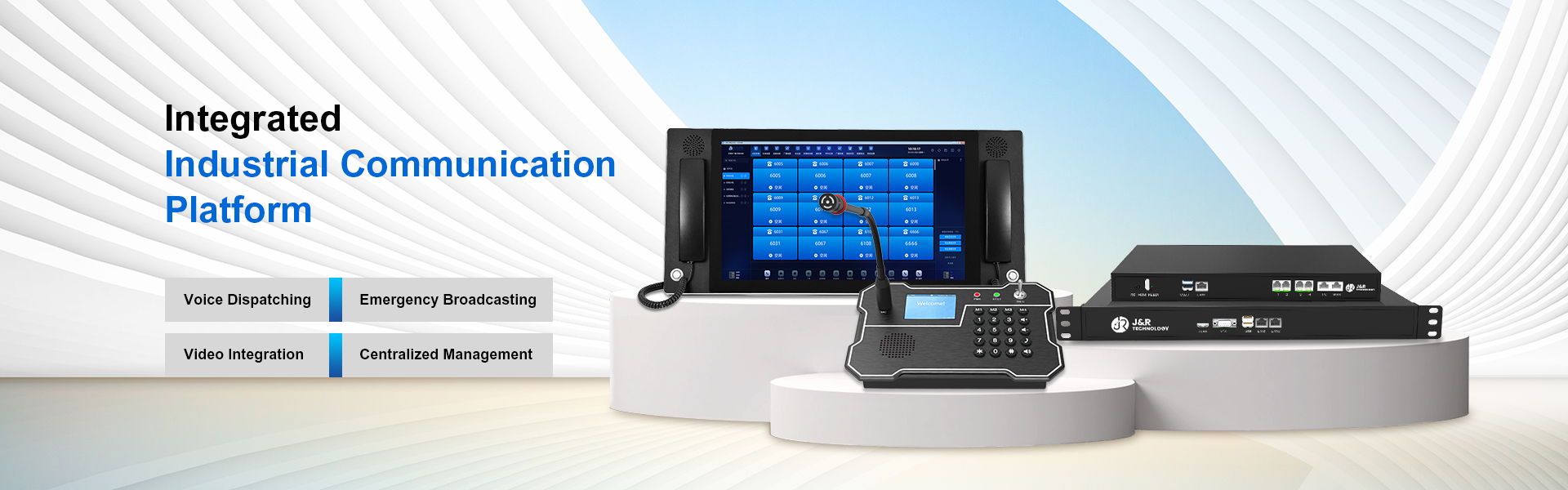
- Command and Control Terminals: Centralized dashboards (e.g., computer consoles, portable tablets) that enable operators to send directives, monitor device status, and receive real-time feedback . These terminals support group calling, call recording, and cross-network integration with administrative phones or industrial 广播 systems.
- Resilient Communication Modules: Transceivers and repeaters (such as the SLR5300 digital relay) that amplify signals to overcome physical barriers—from underground mines to steel-framed power plants . Digital modulation ensures crystal-clear audio even in high-noise environments (e.g., 90+ decibel power stations).
- Secure Data Links: Encrypted channels (including satellite, radio, and 5G) that protect sensitive information from interception or tampering . Quantum encryption and end-to-end security protocols safeguard critical data in military, healthcare, and energy sectors.
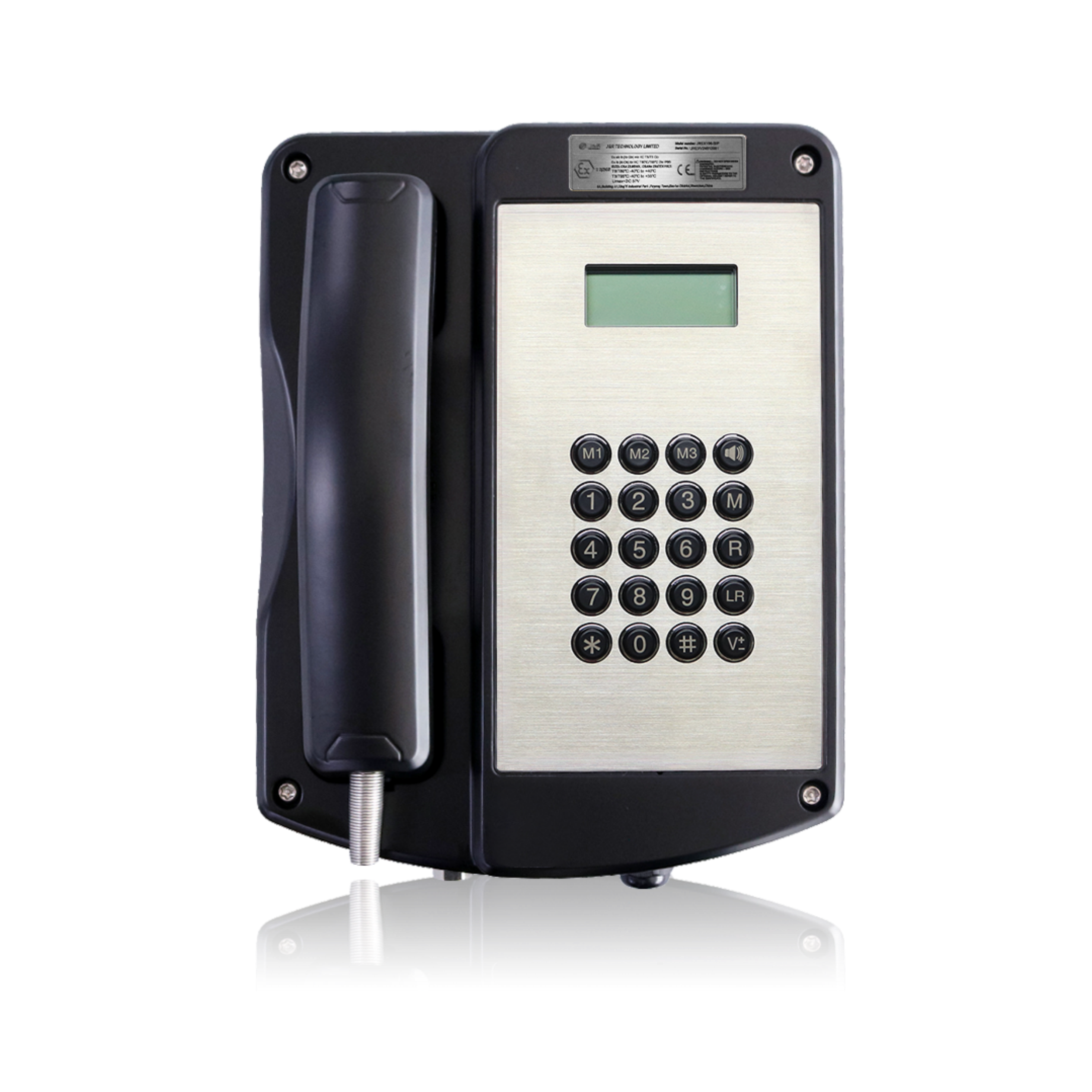
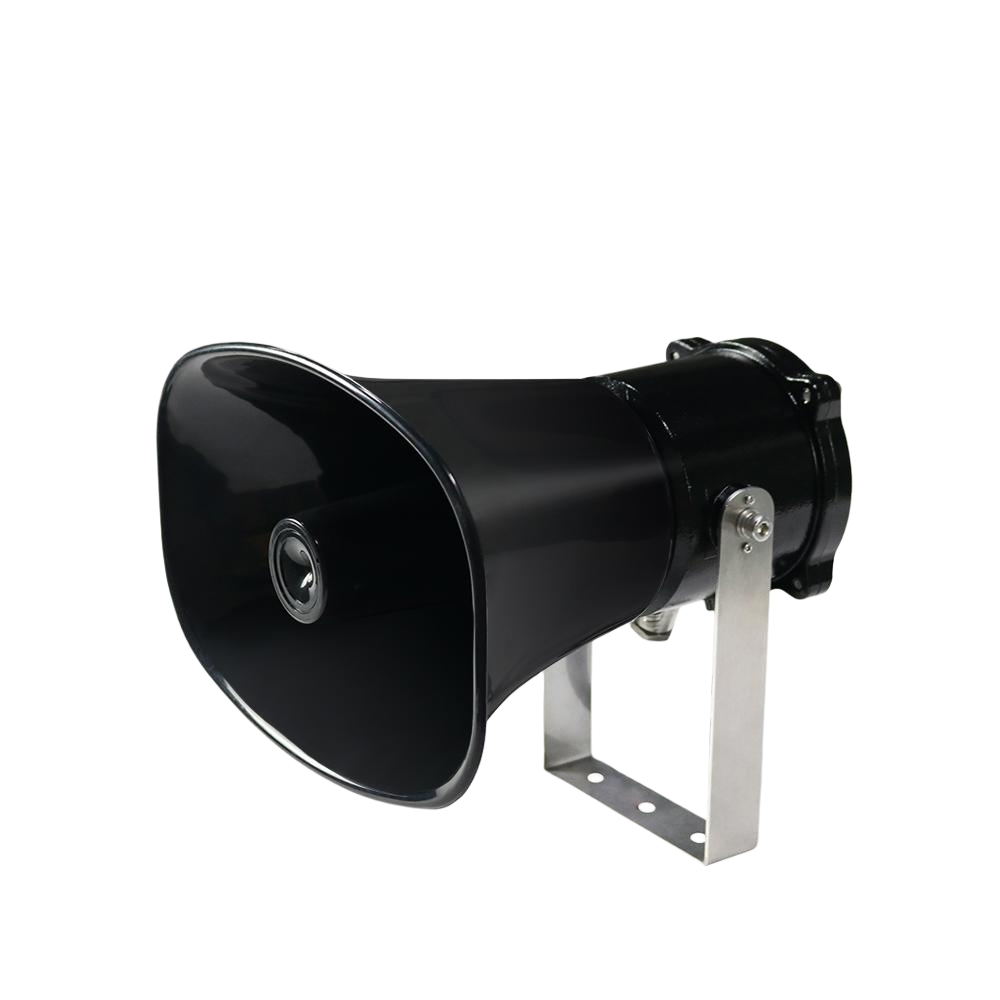
- Rugged End Devices: Hardware built to withstand extreme conditions, such as explosion-proof 对讲机 (e.g., Motorola P6600i) and phones that survive mines . These devices feature IP67 dust/water resistance, military-grade durability, and emergency alert buttons for silent 求救.
- Integration Layer: APIs and middleware that connect CCS with existing systems—including instant alert tech, IoT sensors, and enterprise resource planning (ERP) platforms . This enables automated workflows, such as triggering alerts when sensor data indicates equipment failure.
Industry Use Cases
Critical communication systems deliver tangible value across diverse high-risk industries:
- Energy & Utilities: In power plants, CCS ensures seamless communication between control rooms, field technicians, and maintenance teams. For example, a coal-fired plant using SLR5300 relays and 防爆对讲机 reduced emergency response times by 70% after eliminating signal dead zones in underground cable tunnels . During natural disasters, satellite-integrated CCS maintains connectivity when traditional networks fail—such as 中国移动’s drone-based “空中基站” that restored signal to 4 失联 villages during floods .
- Healthcare: Smart 医护对讲 systems replace outdated call bells with IP-based networks that prioritize emergency alerts (e.g., cardiac arrest) and sync patient data with electronic health records (EHRs) . Hospitals using these systems report 40% faster response to critical patient needs and reduced administrative errors from manual data entry.
- Emergency Services: Firefighters, police, and rescue teams rely on PPDR networks for interoperable communication during multi-agency responses. In wildfire scenarios, drone swarms equipped with CCS transmit real-time video feeds to command centers, enabling precise resource allocation .
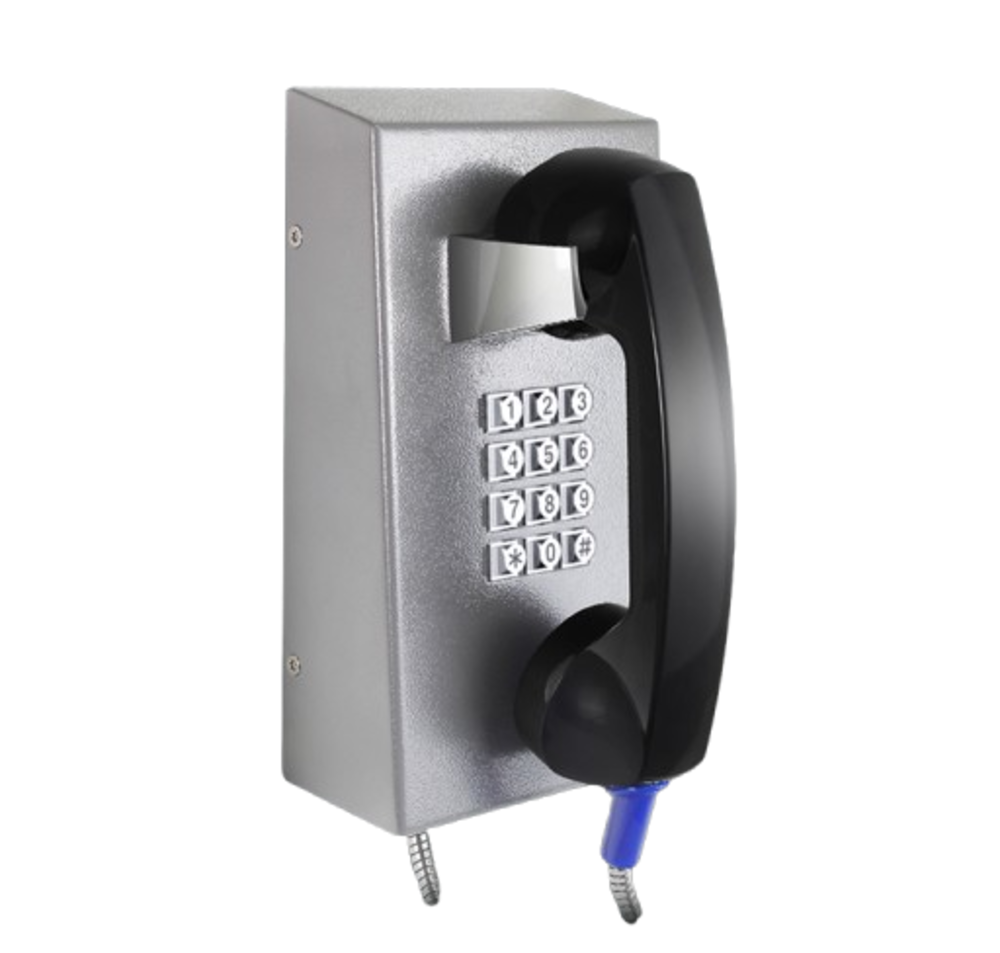
- Mining & Construction: Rugged phones that survive mines and underground communication systems prevent “information vacuums” in hazardous zones. Encrypted radio links ensure miners can call for help even in collapsed tunnels, while GPS integration tracks personnel location for safety .
Safety & Compliance
Compliance with global regulations is a non-negotiable driver for adopting robust critical communication systems. The Chinese government’s
Critical Information Infrastructure Protection Regulation mandates strict security measures for communication networks in energy, telecommunications, and transportation sectors . Similarly, international standards like ITU-R’s GSC-14 resolution require PPDR systems to meet interoperability and continuity benchmarks . For industries like mining and oil & gas, compliance with ATEX (European Union) or NEC (U.S.) standards demands explosion-proof communication devices—failure to comply risks fines of up to $10 million or operational shutdowns . Beyond regulatory compliance, CCS enhances safety by enabling proactive risk mitigation: AI-powered systems analyze historical data to predict communication failures, while instant alert tech delivers targeted warnings to personnel in high-risk areas . In healthcare, HIPAA-compliant CCS protects patient data during emergency transfers, reducing liability for data breaches.
ROI and Benefits
The return on investment (ROI) of critical communication systems extends far beyond cost savings, encompassing safety, efficiency, and brand reputation:
- Safety Improvements: Organizations with CCS experience 50-70% fewer safety incidents, according to a 2025 industry survey. For example, a hospital using smart 医护对讲 systems reduced patient falls by 35% by accelerating response to call buttons . In manufacturing, 防爆 CCS prevented 12 potential explosions in high-risk zones over two years .
- Operational Efficiency: Real-time communication cuts downtime by streamlining maintenance workflows. A power plant reported 25% faster resolution of equipment failures after deploying integrated CCS, saving $2 million annually in lost production . Emergency services using AI-enhanced CCS reduced dispatch times by 18%, improving survival rates in critical incidents .
- Cost Savings: While initial investment in CCS can be significant, long-term savings are substantial. Reduced downtime, lower insurance premiums (for compliant systems), and avoided compliance fines deliver average payback periods of 18-24 months. Rugged devices like phones that survive mines also reduce replacement costs by withstanding harsh conditions .
- Competitive Advantage: In industries where safety and reliability are differentiators, CCS enhances brand trust. Energy companies with certified critical communication systems win more government contracts, while hospitals improve patient satisfaction scores by 20% through faster response times .
As high-risk industries face increasing complexity—from climate-driven disasters to stricter regulations—critical communication systems are no longer a “nice-to-have” but a strategic imperative. Their ability to enable real-time collaboration, ensure compliance, and mitigate risks delivers unmatched value that far outweighs initial investments. Organizations that continue to undervalue these systems do so at their peril, while those that prioritize modern CCS gain a competitive edge in safety, efficiency, and resilience. The question isn’t whether to invest in critical communication systems, but how quickly to adapt them to evolving industry needs.


 Prisons & Correctional Facilities
 Transportation & Underground Infrastructure
 Critical Industrial & Energy Facilities
 Marine & Offshore
 Manufacturing Plant & Public Facilities