In modern industrial environments, effective communication is not just a convenience—it is a safety-critical requirement. High noise levels, expansive layouts, and complex workflows make it difficult for standard communication methods to perform reliably. This is where a sound reinforcement system becomes essential.
So, what is a sound reinforcement system, and why is it widely used in industrial applications? This article breaks down its core components, working principles, and practical value in industrial settings.
System Components
A sound reinforcement system is designed to amplify and distribute audio signals clearly across a designated area. In industrial environments, the system typically includes:
-
Microphones / Audio Inputs
Capture voice announcements, alarms, or pre-recorded messages.
-
Amplifiers
Boost audio signals to a level suitable for large or noisy environments.
-
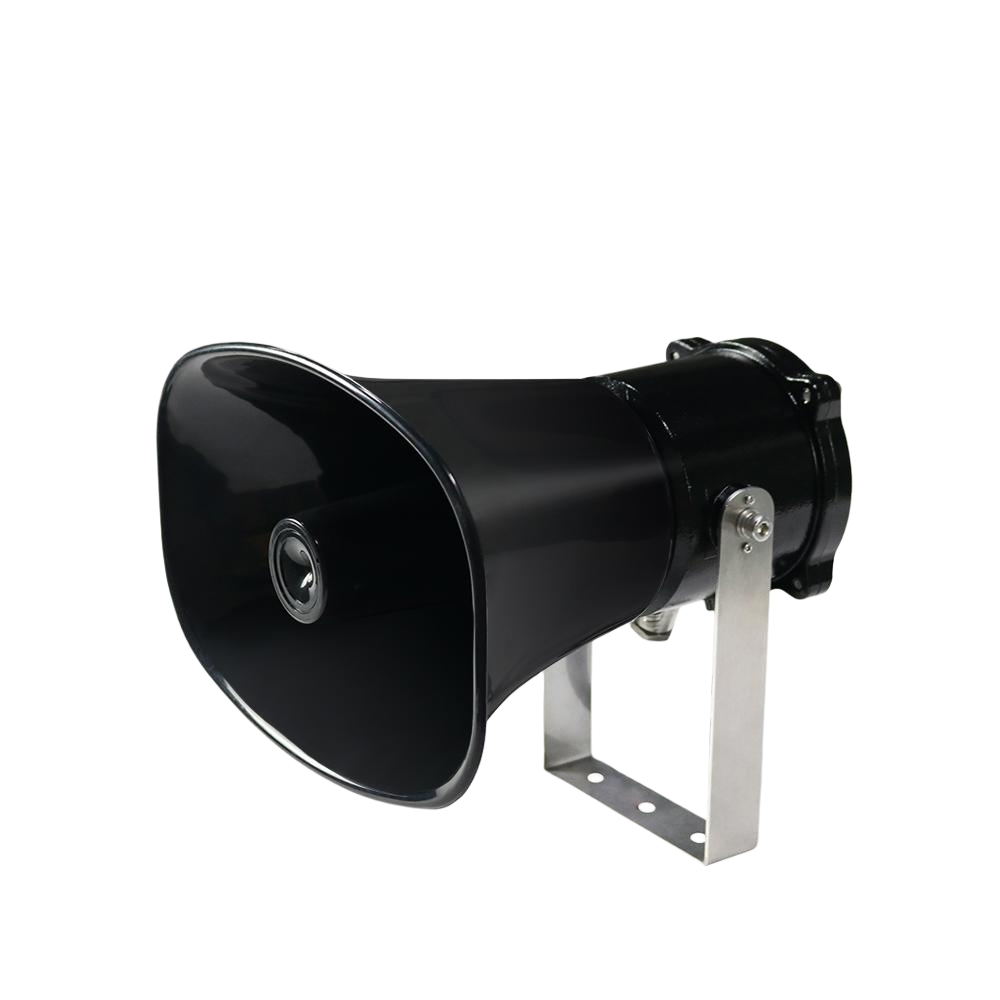
Loudspeakers / Horn Speakers
Deliver sound over long distances and through high ambient noise. Industrial-grade speakers are often weatherproof and corrosion-resistant.
-
Signal Processors / Controllers
Manage sound quality, routing, and prioritization (e.g., emergency broadcasts override routine messages).
-
Cabling or Network Infrastructure
Either analog wiring or IP-based networks distribute the audio signals.
In advanced deployments, systems are integrated with IP networks, allowing seamless connection with other communication platforms such as what is voip communication and intercom communication system architectures.
Acoustic Principles
The effectiveness of a sound reinforcement system depends heavily on acoustic engineering principles:
-
Signal-to-Noise Ratio (SNR)
The output sound must significantly exceed background noise levels to ensure intelligibility.
-
Sound Pressure Level (SPL)
Proper speaker placement ensures consistent volume without distortion or dead zones.
-
Frequency Response Optimization
Human speech intelligibility is highest within specific frequency ranges (typically 300 Hz to 3.4 kHz), which systems are tuned to emphasize.
-
Directivity
Directional speakers (such as horn speakers) focus sound toward target areas, minimizing loss and echo.
In industrial settings—like factories or tunnels—these principles are critical to avoid miscommunication, especially during emergencies.
Installation Best Practices
Proper system design and installation directly impact performance. Key best practices include:
-
Site Noise Analysis
Measure ambient noise levels to determine required output power and speaker density.
-
Strategic Speaker Placement
Install speakers at optimal heights and angles to maximize coverage and reduce echo.
-
Zoning Configuration
Divide the facility into zones to allow targeted announcements instead of broadcasting site-wide unnecessarily.
-
Environmental Protection
Use equipment with appropriate IP ratings to withstand dust, water, and extreme temperatures.
-
Integration with Safety Systems
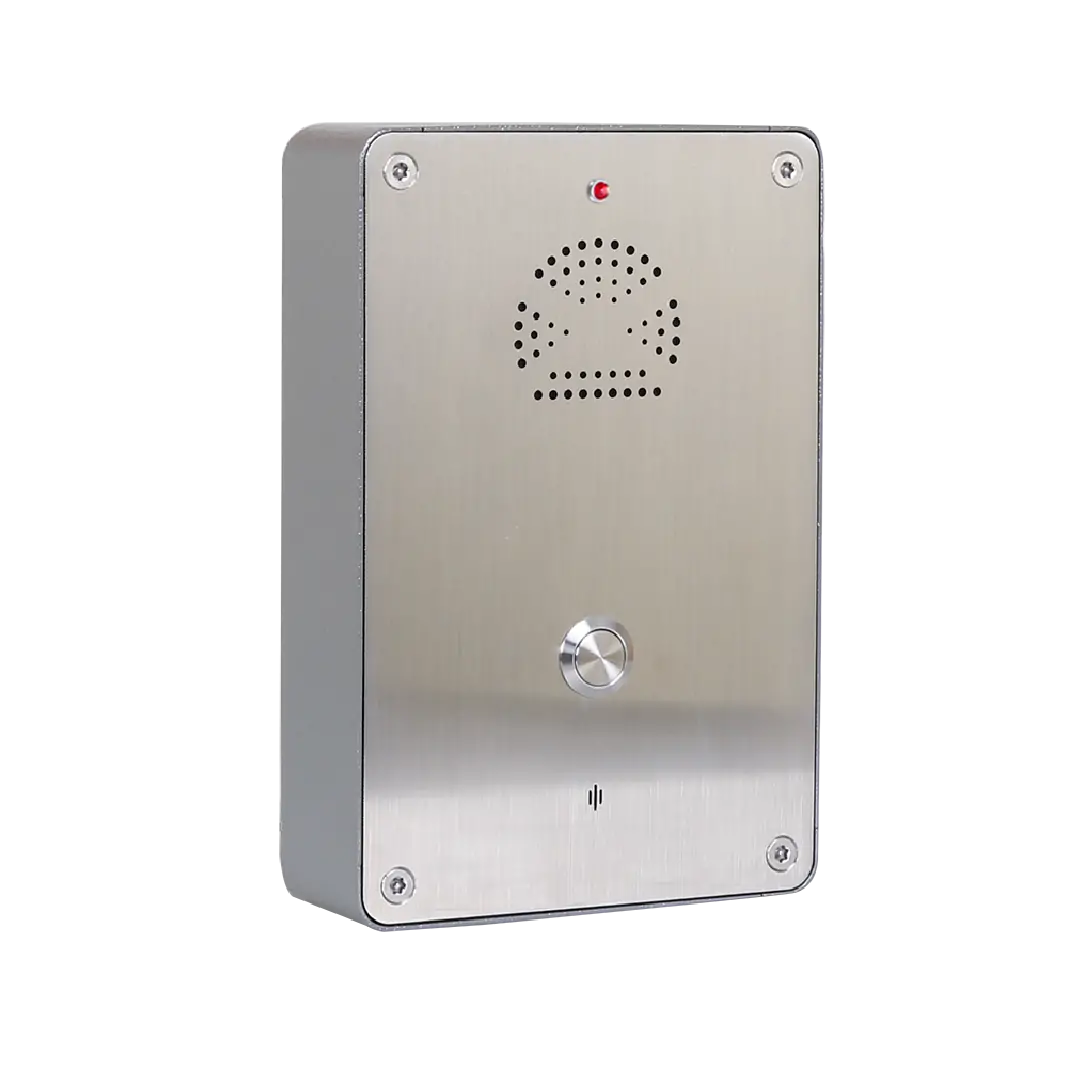
Ensure compatibility with fire alarms, emergency call systems, and control centers.
A poorly installed system can result in uneven coverage, feedback, or unintelligible audio—undermining its purpose entirely.
Use Cases
Sound reinforcement systems are widely used across various industrial sectors:
-
Manufacturing Plants
Broadcast operational instructions, shift changes, and safety alerts in noisy production areas.
-
Oil & Gas Facilities
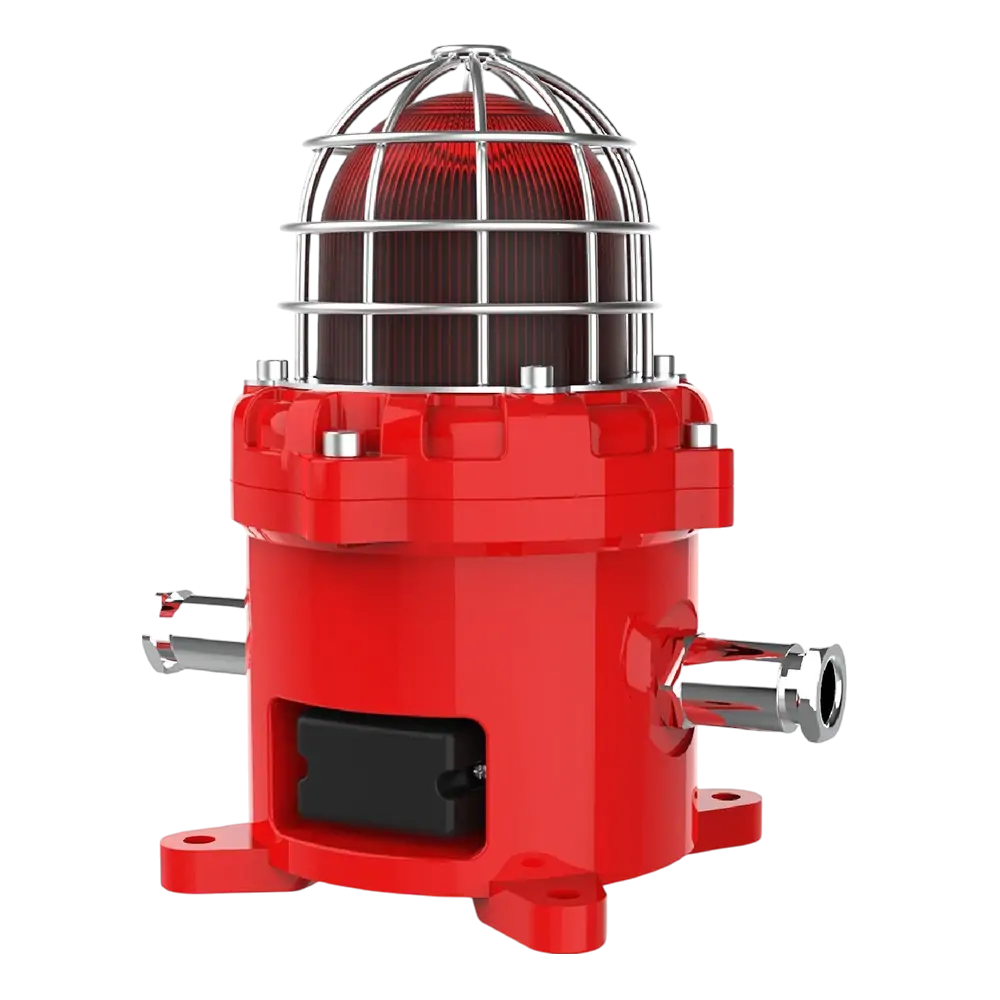
Deliver emergency warnings and evacuation instructions in hazardous environments.
-
Transportation Hubs (Airports, Rail, Metro)
Provide real-time announcements and emergency communication across large, crowded spaces.
-
Mining and Tunnels
Enable reliable communication where visibility is low and environmental conditions are harsh.
-
Warehousing & Logistics Centers
Coordinate operations and improve workflow efficiency through clear audio messaging.
In all these scenarios, the system ensures that critical information reaches personnel instantly and clearly.
Maintenance Tips
To maintain optimal performance, regular maintenance is essential:
-
Routine Audio Testing
Verify clarity, volume levels, and system responsiveness.
-
Inspect Hardware Components
Check speakers, amplifiers, and connections for wear, corrosion, or damage.
-
Clean Equipment
Remove dust and debris that may affect performance, especially in industrial environments.
-
Firmware & System Updates
Keep digital systems and controllers updated for reliability and security.
-
Emergency Function Testing
Regularly test priority override functions to ensure emergency broadcasts work without delay.
Preventive maintenance not only extends system lifespan but also ensures reliability when it matters most.
Conclusion
A sound reinforcement system is more than just an audio solution—it is a critical infrastructure component for industrial communication and safety. By amplifying and delivering clear messages across challenging environments, it ensures operational efficiency and rapid emergency response.
For industries dealing with high noise levels and complex layouts, investing in a well-designed sound reinforcement system is not optional—it is essential.


 Prisons & Correctional Facilities
 Transportation & Underground Infrastructure
 Critical Industrial & Energy Facilities
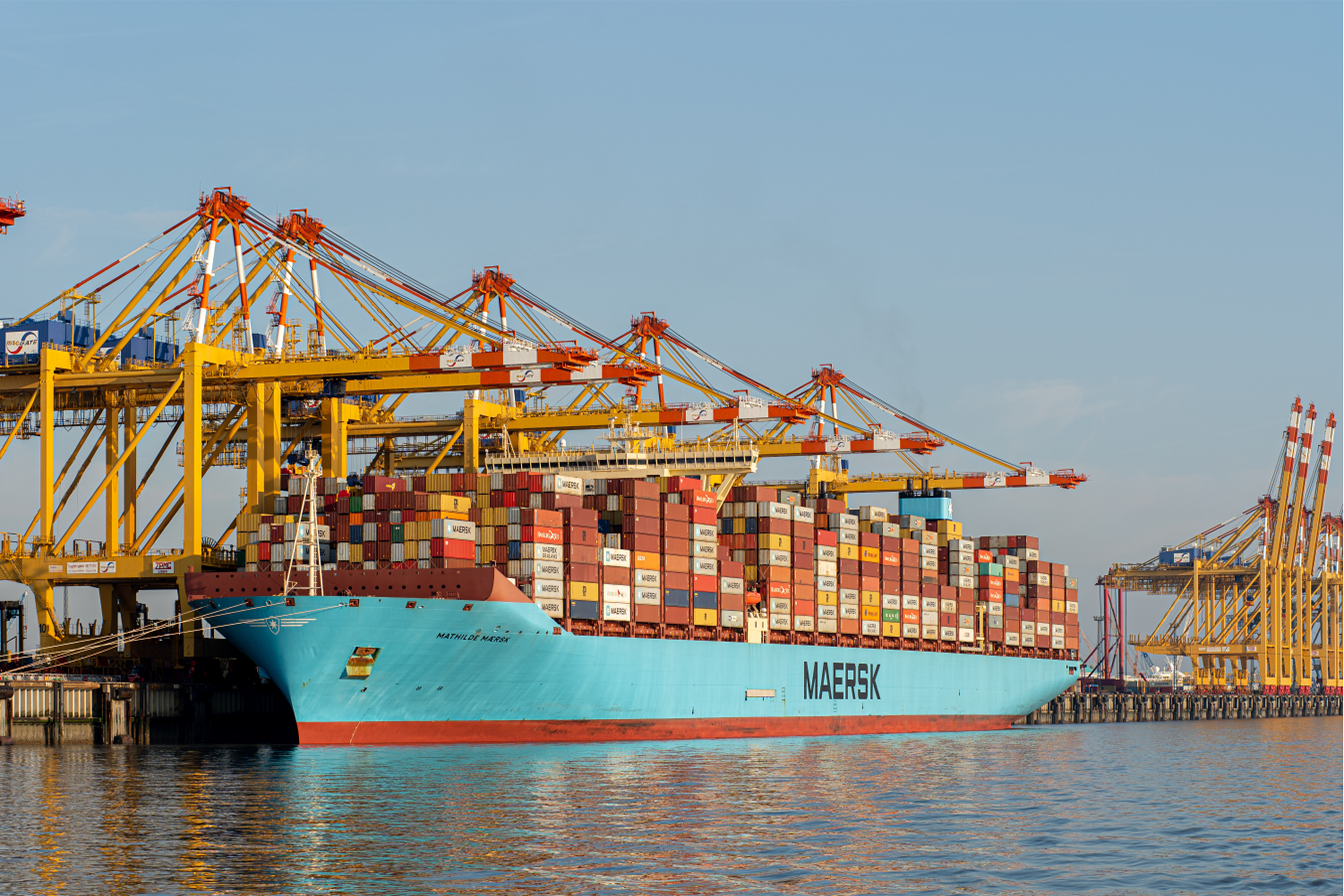 Marine & Offshore
 Manufacturing Plant & Public Facilities