Zone Definitions
Understanding what are ATEX zones is essential for any industrial project operating in potentially explosive environments. ATEX (Atmosphères Explosibles) is a European regulatory framework that classifies hazardous areas based on the likelihood and duration of explosive atmospheres.
ATEX zones are divided into gas and dust categories:
For gases:
-
Zone 0: Explosive atmosphere is present continuously or for long periods
-
Zone 1: Likely to occur during normal operation
-
Zone 2: Unlikely to occur, and if it does, only for a short time
For dust:
-
Zone 20: Continuous presence of combustible dust
-
Zone 21: Occasional presence during normal operation
-
Zone 22: Rare and short-duration presence
These classifications directly determine the type of equipment that can be safely deployed in each area.
Risk Assessment
A proper risk assessment is the foundation for defining ATEX zones. It involves identifying:
-
Types of flammable substances (gas, vapor, or dust)
-
Frequency and duration of exposure
-
Ventilation conditions
-
Potential ignition sources
Engineers and safety professionals use this data to map hazardous zones within a facility. This process is closely related to broader concepts explained in what is hazardous area and hazardous area classification, which provide additional context for understanding explosion risks.
Accurate classification ensures compliance with safety regulations and minimizes the risk of ignition in critical environments such as oil & gas plants, chemical factories, and mining operations.
Equipment Selection
Once zones are defined, selecting the correct equipment becomes critical. ATEX-certified devices must match the zone requirements:
-
Zone 0 / 20: Require the highest level of protection (Category 1 equipment)
-
Zone 1 / 21: Require high protection (Category 2 equipment)
-
Zone 2 / 22: Require standard protection (Category 3 equipment)
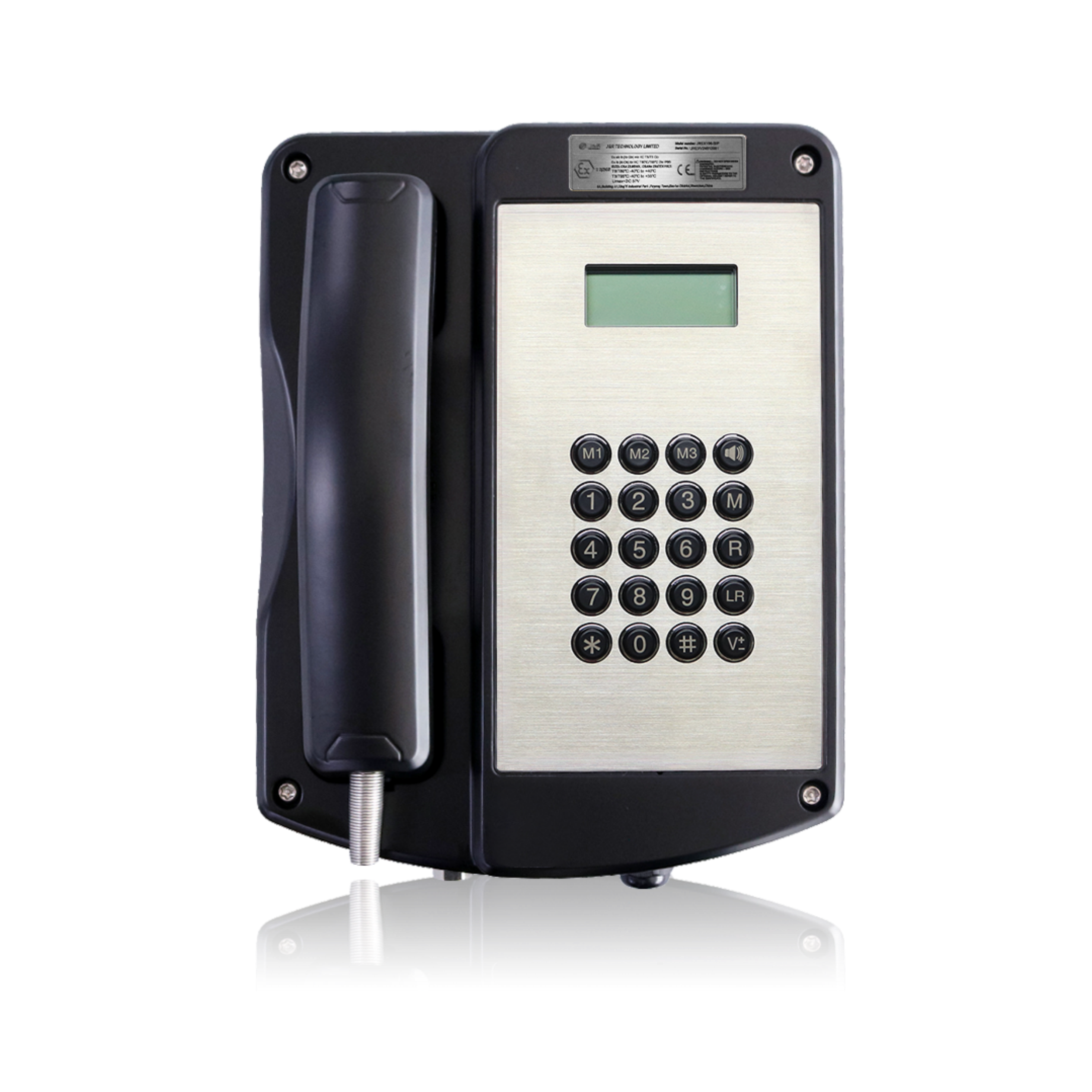
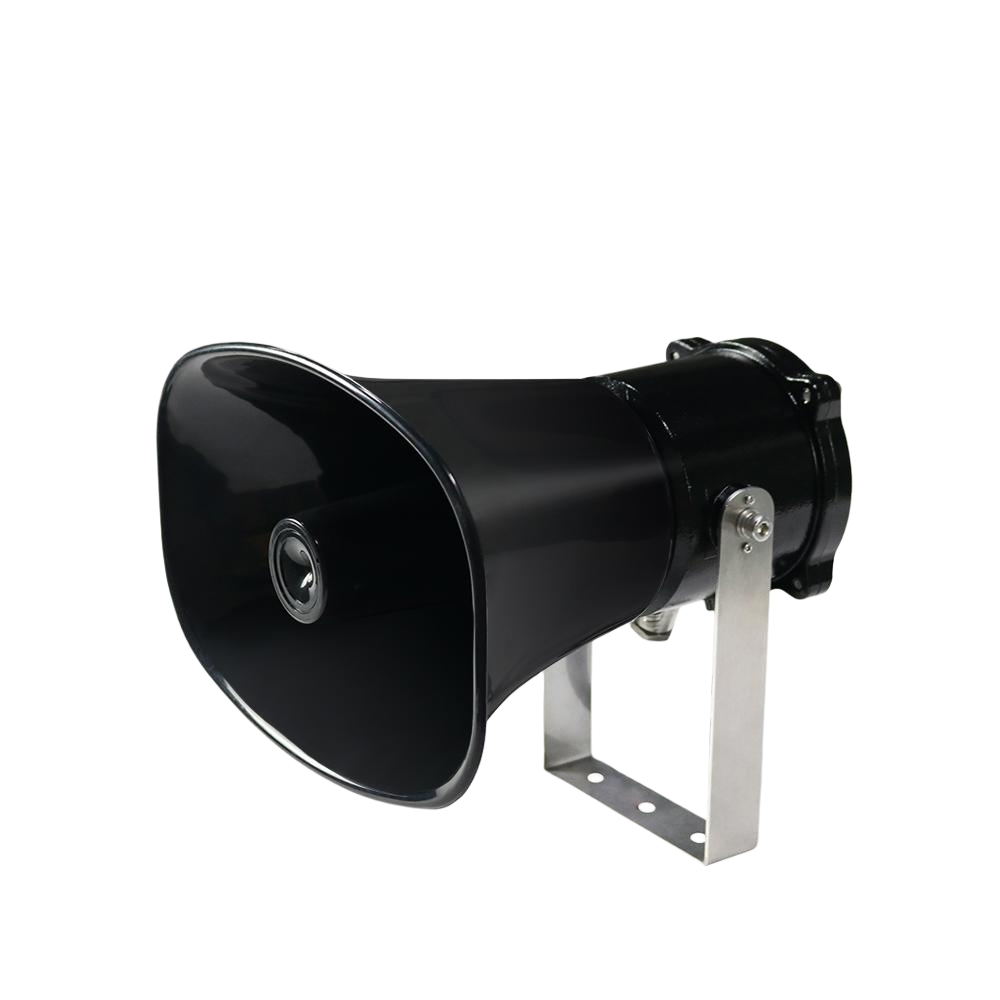
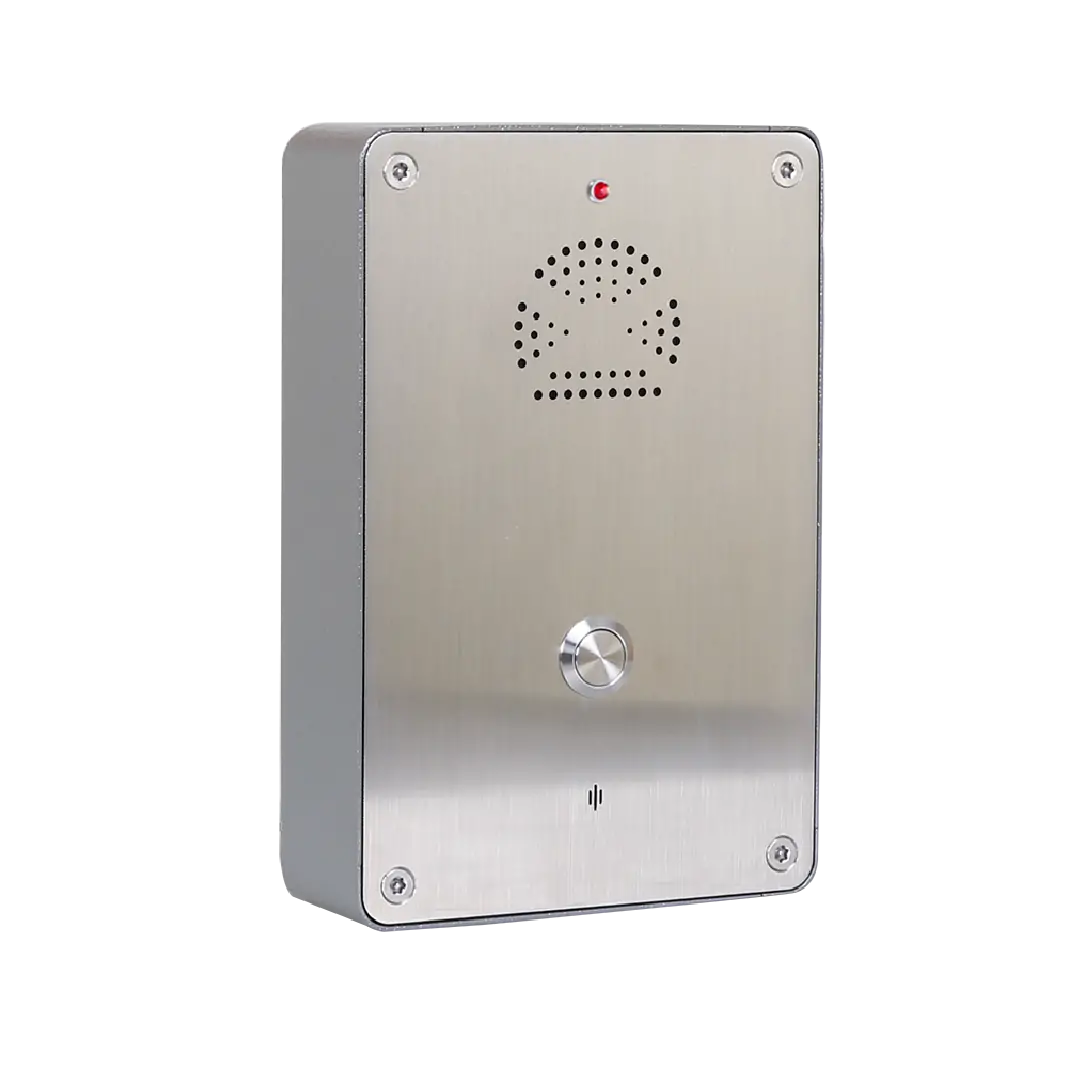
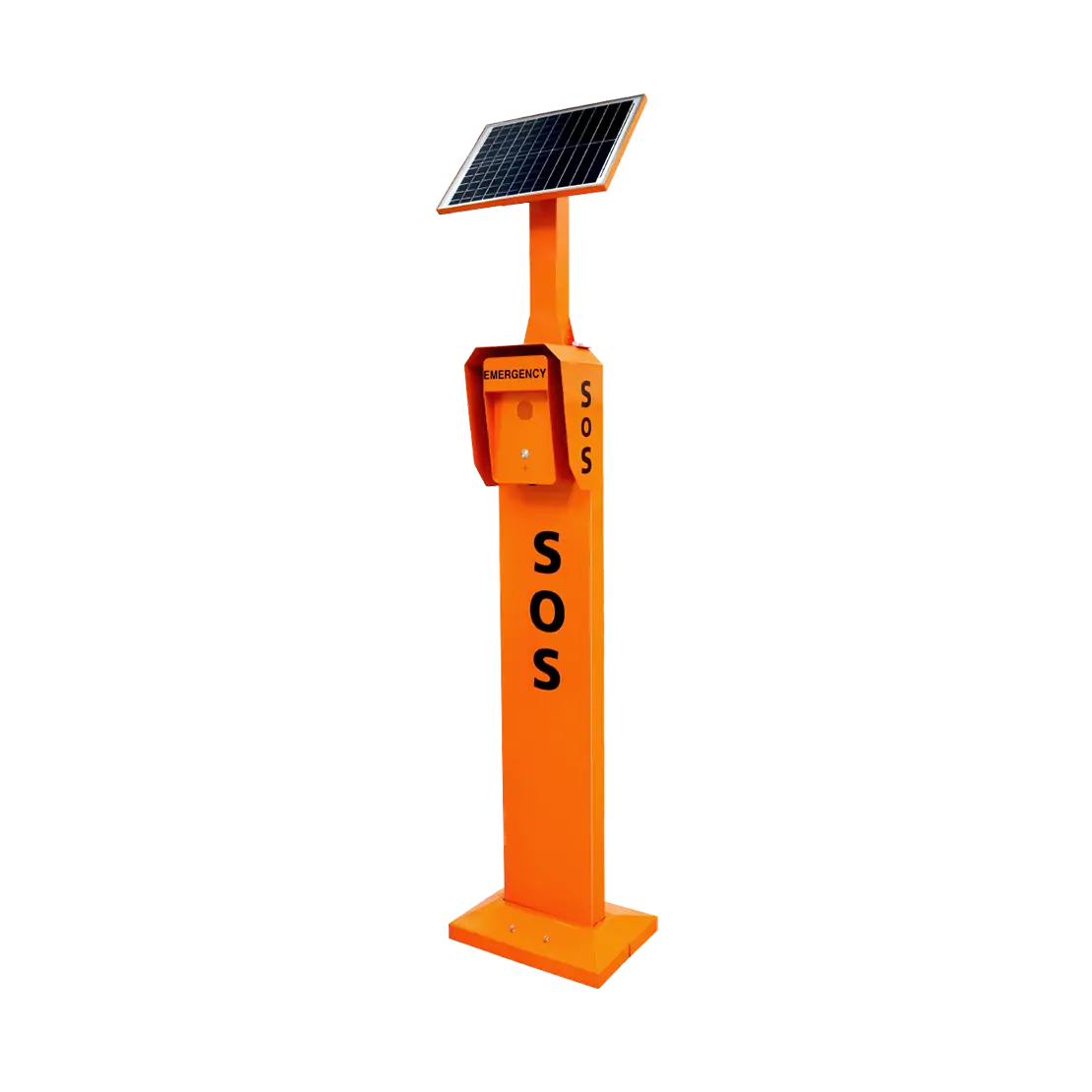
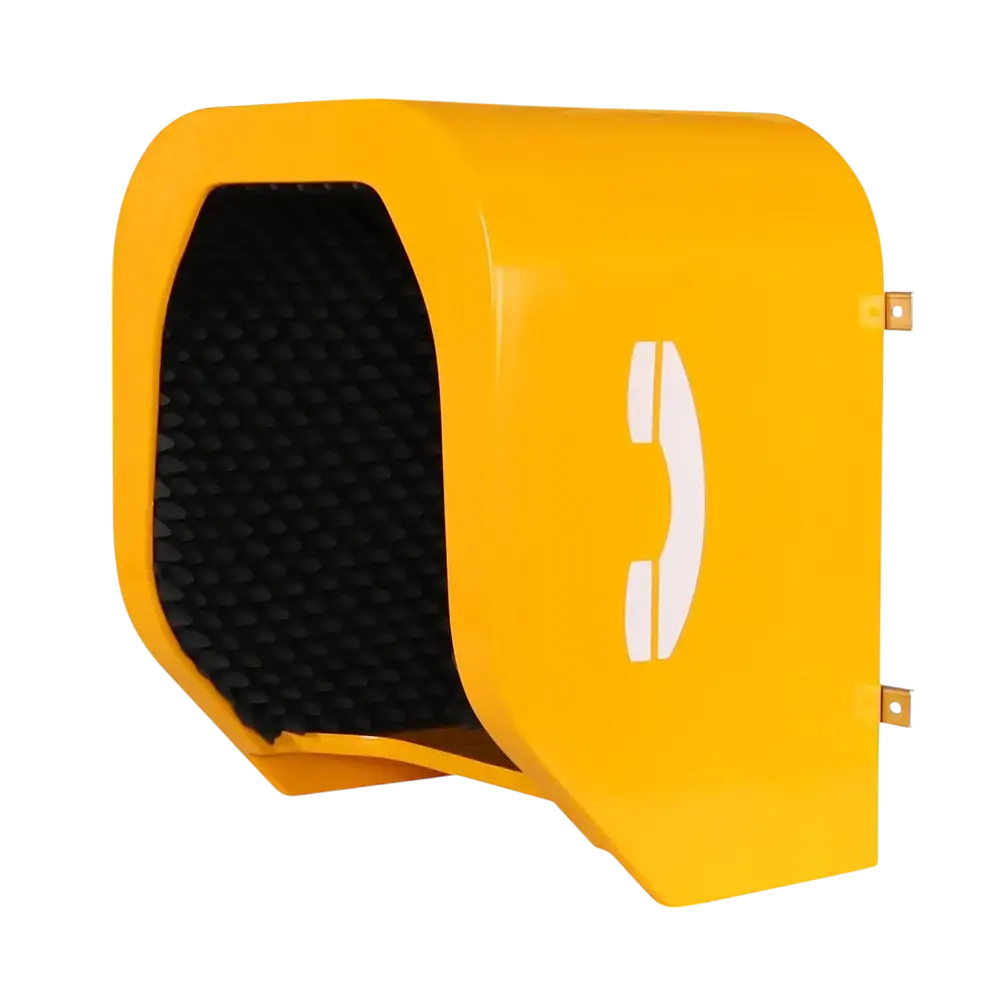
For example, industrial telephones used in hazardous areas must be specifically certified to prevent sparks, excessive heat, or electrical faults that could ignite an explosion.
Choosing non-compliant equipment not only violates regulations but also significantly increases operational risk.
Installation Guidelines
Device placement in ATEX zones must follow strict installation principles to maintain safety and compliance:
-
Install equipment only within its certified zone rating
-
Ensure proper cable gland sealing and enclosure protection (e.g., IP ratings)
-
Avoid installation near potential gas accumulation points unless required
-
Use intrinsically safe or explosion-proof designs where necessary
-
Follow manufacturer guidelines and international standards
Additionally, environmental factors such as temperature, humidity, and corrosion must be considered to ensure long-term reliability.
Audit and Maintenance
Compliance with ATEX requirements does not end after installation. Regular audits and maintenance are essential to ensure ongoing safety:
-
Periodic inspection of equipment condition
-
Verification of certification labels and documentation
-
Testing of communication and electrical systems
-
Immediate replacement of damaged or non-compliant devices
Maintenance teams should be trained in hazardous area protocols to avoid introducing ignition risks during servicing.
Conclusion
Understanding what are ATEX zones is fundamental for safe and compliant industrial operations. These classifications not only define hazardous areas but also directly influence equipment selection, system design, and device placement.
By following proper risk assessment, selecting certified equipment, and maintaining strict installation and maintenance standards, organizations can significantly reduce explosion risks while ensuring regulatory compliance.


 Prisons & Correctional Facilities
 Transportation & Underground Infrastructure
 Critical Industrial & Energy Facilities
 Marine & Offshore
 Manufacturing Plant & Public Facilities